If you’re shopping for a three-row SUV in 2025, you already know the drill: the family calendar expands, the trunk quietly becomes a storage empire, and the roads ahead rarely cooperate. The question is not merely which SUV can seat everyone—it’s which one feels composed while doing it. Enter the 2025 Nissan Pathfinder and the 2025 Honda Pilot, two vehicles built for real life rather than brochure perfection. This is a comparison focused on 3-row value: the kind that shows up in daily usability, ownership costs, comfort quality, and the small conveniences that keep their promises when the novelty wears off.
For many shoppers, the Pathfinder represents a compelling mix of space and capability with an emphasis on practicality. The Pilot, meanwhile, carries Honda’s reputation for refinement and dependable engineering, often translating into a smoother ownership narrative. Let’s walk through what readers can expect—head-to-head insights, category-by-category tradeoffs, and guidance designed to help you choose with clarity.
First Impressions: How the Two SUVs Set the Tone
The moment you step into a three-row SUV, you’re reading a hierarchy of space: where your feet land, how visibility frames the road, and how quickly passengers can orient themselves. The 2025 Nissan Pathfinder leans into a modern, family-ready layout that feels straightforward and functional. Its cabin is designed to keep the front occupants comfortable while making the second-row experience feel less like an afterthought.
Meanwhile, the 2025 Honda Pilot typically exudes a more traditional sense of “togetherness”—a vehicle that feels engineered to reduce friction. Control placement, ride composure, and the overall demeanor of the cabin can create a quietly confident driving rhythm. Short bursts of driving feel easy. Longer trips feel even easier.
In practical terms, value begins with whether the SUV feels calm and predictable. Both vehicles aim for that. The Pilot often wins the “effortless” category, while the Pathfinder can be a sharper deal for shoppers who prioritize features and flexibility without paying a premium for every frill.
Third-Row Reality Check: Access, Comfort, and Practical Layout
Third-row seats are where good intentions meet physics. It’s one thing to show three-row accommodation. It’s another to make it usable for school carpools, weekend outings, and occasional road trips with passengers who are not always in the mood to cooperate.
The 2025 Nissan Pathfinder’s third row is generally approached with a practical mindset. It’s designed to provide enough space to make short-to-mid range trips tolerable and longer journeys more realistic. Folding and entry mechanisms matter here. When a vehicle makes it easy to access the rear seats, it turns “maybe we’ll bring everyone” into “of course we will.”
The 2025 Honda Pilot also emphasizes third-row usability, with a cabin layout that often feels intuitive. The Pilot’s second-row ease of access—combined with comfort-oriented seating—can make the third row feel more integrated rather than appended. Value emerges when passengers don’t feel like they’re riding in the SUV’s outer orbit.
For households that regularly use all three rows, the “best” choice depends on how often you expect adults to occupy the third row versus how often the third row becomes a flexible storage zone. If the third row is frequently used, both vehicles can work. If it’s used intermittently, the Pathfinder’s flexibility can feel especially persuasive.
Ride Comfort and Everyday Handling: Who Feels Better Over Time?
Comfort isn’t only about softness. It’s about how a vehicle controls the moments that annoy you: pothole interruptions, highway expansion joints, crosswind steadiness, and the way the SUV settles at speed. In day-to-day life, those details compound into either satisfaction or restlessness.
The 2025 Honda Pilot often provides a smoother, more composed ride character, particularly on uneven surfaces. Many drivers experience it as a “glide with restraint” approach—stable and predictable. That predictability is its own kind of value because it reduces fatigue during long commutes and weekend drives.
The 2025 Nissan Pathfinder, on the other hand, can feel more spirited in the way it responds to throttle inputs and road texture. When you’re maneuvering through busy intersections, navigating parking lots, or adjusting to changing traffic flow, that responsiveness can be appealing. It’s less about floating and more about being engaged—like the SUV is paying attention to you.
If your life includes constant stop-and-go, the Pilot’s calmer demeanor may feel like a daily upgrade. If you want a more dynamic feel, the Pathfinder can feel more satisfying without demanding extra attention from the driver.
Powertrain and Performance: Enough Muscle, Not Just Marketing
Three-row SUVs must balance power with composure. Performance isn’t only about sprinting—it’s about passing confidence, merging stability, and the ability to handle passengers and cargo without sounding strained.
The 2025 Nissan Pathfinder is often selected by shoppers who want practical capability and a straightforward driving experience. In real-world acceleration and highway merging, the Pathfinder’s power delivery aims to feel accessible. It’s the type of performance that supports daily life rather than turning every drive into an audition.
The 2025 Honda Pilot’s performance character is frequently described in terms of refinement and smooth delivery. For many buyers, the appeal is how effortlessly the Pilot handles load—especially when the vehicle is full of passengers and their gear. It’s not only about reaching speed; it’s about reaching it without drama.
Value here means confidence under typical load conditions. If you regularly carry a packed family lineup, the Pilot’s “steady under pressure” reputation can tip the scales. If your priorities include capability with a more budget-conscious profile, the Pathfinder remains a strong contender.
Technology and Infotainment: The Control Center Feeling
A modern SUV is, in practice, a moving command center. The best systems don’t overwhelm. They respond quickly, integrate smoothly, and reduce the number of times you have to press the wrong button while juggling kids and snacks.
The 2025 Nissan Pathfinder tends to offer a user-focused infotainment experience, aiming for clarity and quick navigation. Over time, that matters because repeated use reveals whether the interface is intuitive or frustrating. Features such as connectivity, driver assistance displays, and media control should feel like tools—not obstacles.
The 2025 Honda Pilot generally stands out for its polished integration and driver-centric layout. It’s often the kind of infotainment experience that feels well thought out, with menus that don’t require patience to interpret. For families who rotate drivers often, a more intuitive tech experience becomes a value multiplier.
Expect differences in screen feel, menu structure, and responsiveness. When choosing for value, consider your household’s habits: do you frequently change settings, rely on navigation, or use audio through multiple devices? The better match is the SUV that fits your rhythm.
Safety Suite and Driver Assistance: Protection That’s Not a Compromise
Safety value isn’t just about having features—it’s about how reliably those features help during normal driving conditions. Lane keeping, adaptive cruise behavior, blind-spot awareness, and collision mitigation all contribute to the sense of security that families crave.
The 2025 Nissan Pathfinder emphasizes a family-protective approach, aiming to support drivers in everyday scenarios. The most valuable safety tech is the kind you forget about until you need it. When it works smoothly and alerts are appropriately timed, it reduces stress rather than adding to it.
The 2025 Honda Pilot similarly focuses on comprehensive safety technology and driver assistance systems. It often feels especially calibrated for real road conditions—helpful without being overly intrusive.
For three-row shoppers, safety value also includes how the SUV is built to handle passenger occupancy, visibility over traffic, and the ease of checking mirrors when the vehicle is fully loaded. Both SUVs work toward that goal; your choice should follow the one that feels most confident in your typical environment.
Fuel Economy, Ownership Costs, and the Value Equation
Value is not only purchase price; it’s the long tail of expenses after the showroom shine. Fuel economy, maintenance intervals, tire wear patterns, and insurance costs can create meaningful differences over years.
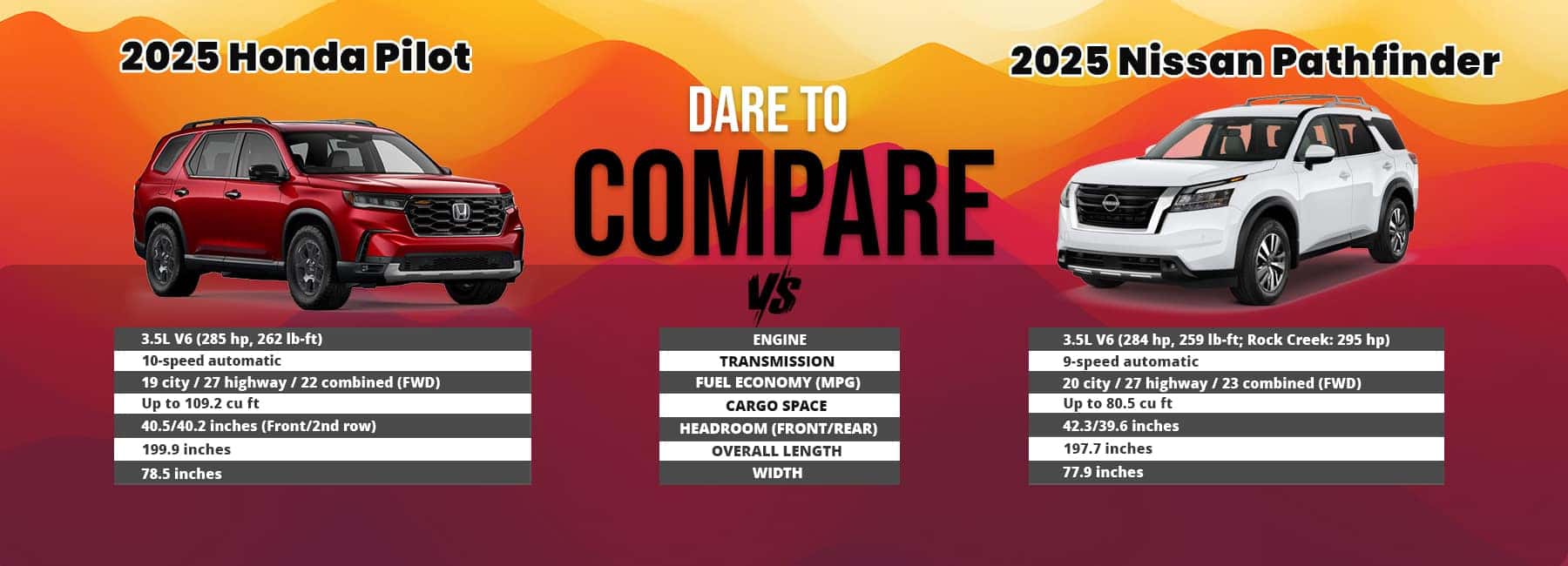
In the broader family SUV market, both the 2025 Nissan Pathfinder and the 2025 Honda Pilot aim to deliver competitive efficiency relative to size and capability. Real-world results will vary based on driving style, climate, and load. Still, shoppers tend to notice the difference when the bills arrive—especially when the vehicle is used daily.
Then there’s maintenance predictability. Honda’s reputation often reassures buyers who prioritize long-term ownership. Nissan also brings solid dependability in many models, but the deciding factor is frequently dealer network experience, service pricing stability, and your comfort with local support.
If value is your compass, evaluate the total equation: estimated fuel, likely service needs, and how long you plan to keep the SUV. A “slightly more expensive” vehicle can become cheaper if it’s easier to maintain and holds up with fewer surprises.
Cargo Space and Family Logistics: The Storage Advantage
A family SUV becomes truly valuable when it turns logistics into ease. When the third row is up, can it handle strollers, cooler bags, and school backpacks? When it folds down, does it create a flat, practical space?
The 2025 Nissan Pathfinder is designed with a flexible storage mindset. When the third row isn’t in use, the cabin can transition into a more open cargo configuration. This flexibility is valuable for families that frequently switch between passenger mode and gear mode.
The 2025 Honda Pilot also offers strong cargo utility, often feeling well-balanced for everyday hauling. The Pilot’s layout tends to support a clean flow between seating and storage, making packing feel less like origami and more like a process.
Ask yourself a straightforward question: Which SUV makes your most common trip easier? If your weekends are gear-heavy, cargo practicality becomes a decision driver more than any single spec.
Who Should Choose the Pathfinder? Who Should Choose the Pilot?
The 2025 Nissan Pathfinder is a strong fit for shoppers who want a compelling three-row value package. It appeals to families who prioritize flexibility, feature strength, and an ownership plan that doesn’t feel stretched. If you regularly use the third row intermittently and want a cabin that adapts to varying needs, the Pathfinder can feel like a smart, satisfying bargain.
The 2025 Honda Pilot is a great fit for shoppers who value refinement and predictability. If you frequently drive longer distances, rotate between drivers, or want a tech and comfort experience that feels consistently polished, the Pilot often earns its place. It’s especially compelling for families who prioritize a calm ride, intuitive controls, and long-term reassurance.
In short: the Pathfinder often speaks to practicality-first buyers; the Pilot often speaks to comfort-and-control-first buyers. Both can serve families well. The deciding factor is the version of “value” that matches your life.
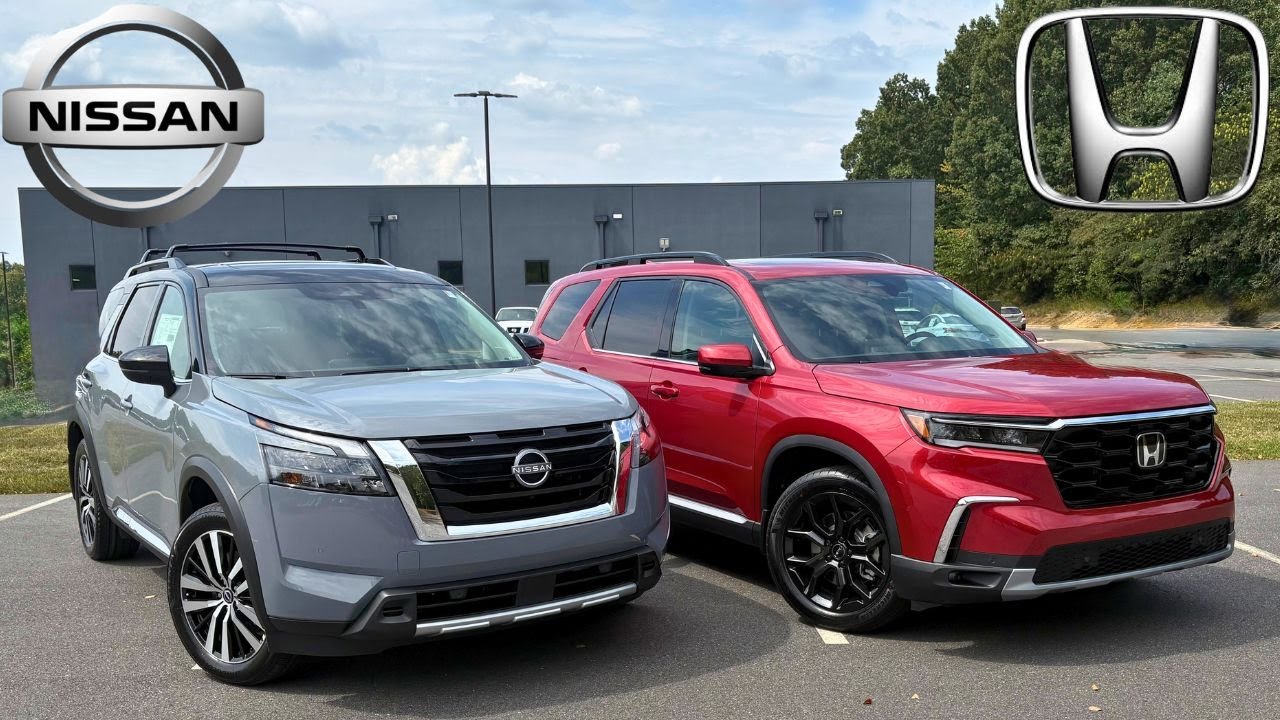
Visual Snapshot: Comparing Real-World Appeal
To ground your impressions, it helps to see how each SUV communicates style and presence. The exterior stance and cabin proportions hint at what daily use will feel like—especially when space is the central character.
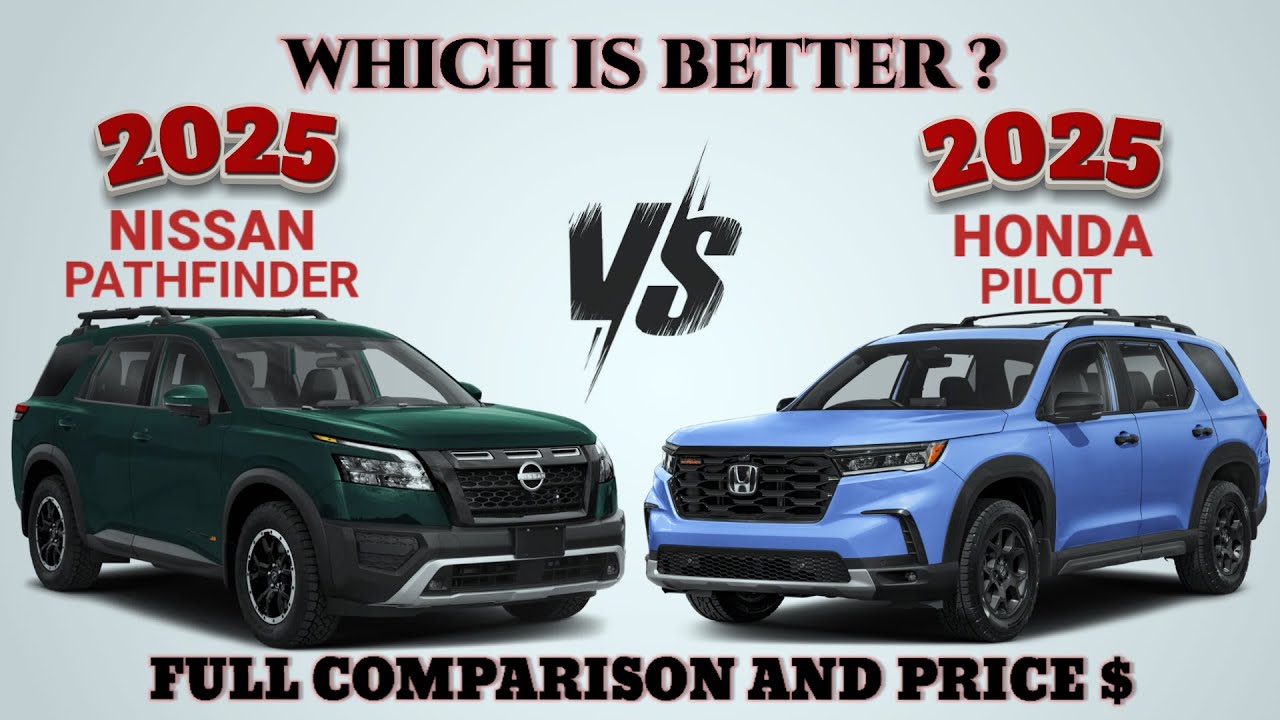
Exterior design isn’t just aesthetics; it affects perceived roominess, visibility, and how easily you navigate tight spaces. When buyers compare the Pathfinder and Pilot, the best approach is to align the design cues with your real needs: seating frequency, cargo habits, and the kind of ride character you enjoy.
Final Verdict: A 3-Row Value Pick for 2025
Choosing between the 2025 Nissan Pathfinder and the 2025 Honda Pilot comes down to what you define as value. If value means getting a feature-rich, adaptable three-row SUV that keeps family life fluid—especially when the third row shifts between passengers and cargo—the Pathfinder can be an astute selection. Its practicality-focused approach tends to resonate with families that want flexibility without feeling like they overpaid for it.
If value means choosing comfort, refinement, and long-term ownership confidence with an infotainment and safety experience that feels consistently polished, the Pilot is an easy recommendation. It often delivers a “low-friction” ownership experience—less fuss, fewer annoyances, and a cabin that feels like it was designed for people, not just specs.
Ultimately, both are capable three-row contenders. The best pick is the one that fits your household’s rhythm—who sits where, what you carry, and how often you drive. Test both, pay attention to the third row when it matters, and choose the SUV that feels like it will still make sense a year from now.