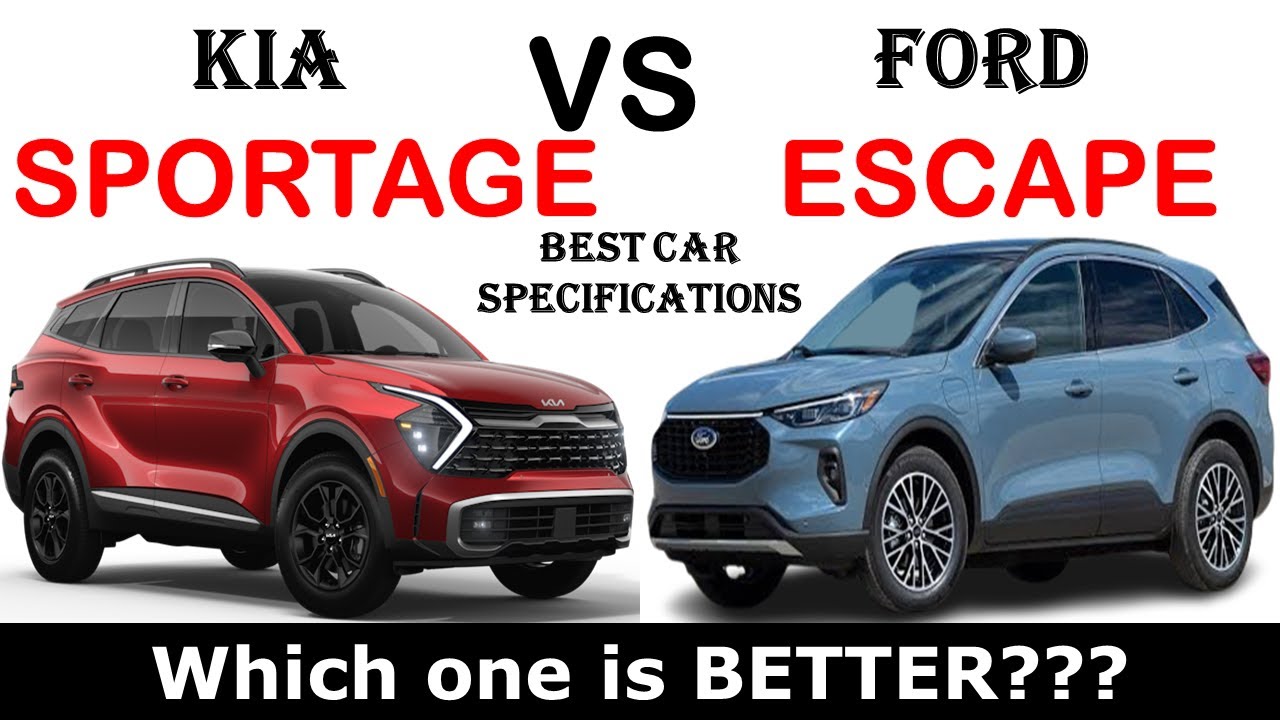
There’s a particular kind of suspense that gathers whenever drivers compare a pair of plug-in hybrid crossovers—especially in 2025, when “efficient” has stopped being a vague promise and started feeling like a daily, measurable advantage. The 2025 Kia Sportage PHEV and the Ford Escape PHEV stand at the center of that conversation. On the surface, they appear to play the same game: compact proportions, electrified ambition, and the convenience of charging at home. Yet a common observation keeps resurfacing in owner discussions: it’s not just about which one is faster or frugal—it’s about which one fits the life you actually live.
That’s the fascination, really. Two vehicles can post similar headline numbers and still feel radically different once you step into traffic, merge onto a highway, or let the day’s errands blur into an evening drive. The deeper reasons behind that effect are hidden in tuning philosophy, usability, and the subtle choreography between the engine and the electric system.
So which wins? Let’s walk through the elements that matter—power delivery, real-world efficiency, charging practicality, driving feel, interior design, technology, safety, and the intangibles that decide whether “PHEV” becomes a convenient feature or a genuine lifestyle upgrade.
Powertrain Philosophy: How the PHEV “Mood” Changes in Motion
At the heart of any plug-in hybrid is the partnership between electric torque and the engine’s mechanical confidence. In a compact crossover, that partnership has to be orchestrated precisely—otherwise the vehicle feels either hesitant or busy, like it can’t decide what role it should play.
The Kia Sportage PHEV is often described as poised, with a power delivery that favors composure over theatrics. Its electric assistance tends to feel immediate in low-speed situations: stop-and-go commutes, parking maneuvers, and the short bursts required in urban flow. The engine, when it joins the conversation, typically does so without shattering the rhythm you’ve already established. It’s a form of throttle diplomacy, the kind of calibration that reduces driver fatigue over time.
The Ford Escape PHEV, by contrast, tends to communicate a slightly more assertive character—less “glide” and more “intent.” In many driving scenarios, it can feel like the system is more eager to leverage its electrical reserves and maintain momentum. This isn’t necessarily faster in every measurable moment, but it can feel more responsive when you’re making frequent lane adjustments or navigating hilly routes.
Ultimately, both vehicles aim for the same destination: efficient progress with minimal drama. The win, however, depends on your preferred driving cadence—whether you cherish calm continuity or an energetic sense of readiness.
Efficiency in the Real World: The Myth of the Single Number
Fuel economy claims are helpful, but PHEV reality is profoundly situational. Your daily mileage, how often you charge, ambient temperature, tire choices, and even traffic density can swing outcomes dramatically. That’s why a “common observation” persists: one driver sees effortless savings while another feels let down.
The Sportage PHEV typically appeals to drivers who want consistency. When charged regularly, it can convert electricity into miles with a particularly sensible balance between electric-first operation and engine support. Think of it as an efficiency mindset designed to reduce waste—fewer needless rev excursions, smoother transitions, and a tendency to keep power demand from spiking too dramatically.
The Escape PHEV can excel in scenarios where you’re comfortable managing the vehicle’s modes and using its electric capability strategically. If you frequently drive short distances and have reliable charging access, its performance can feel remarkably frugal. But if charging habits are sporadic, the fuel savings can diminish faster—because the vehicle’s “best case” depends on frequent electrified use.
So which wins on efficiency? If you’re a routine charger, both can be compelling. If you want a system that makes good use of electricity without demanding perfect discipline, the Sportage often feels slightly more forgiving—an underrated advantage.
Charging Practicality: Convenience Beats Theoretical Range
Charging is where dreams meet the outlet. The most electrified powertrain in the world can’t compensate for an inconvenient schedule. Here, usability matters: charging indicators that are easy to interpret, scheduling that works intuitively, and a layout that doesn’t turn plug-in moments into a minor project.
The Kia Sportage PHEV tends to feel thoughtfully engineered for everyday life. Charge management features are typically straightforward, and the interface conceptually supports planning. You’re not merely “charging a car”—you’re building a predictable transportation system around your routine.
The Ford Escape PHEV is equally focused on practicality, with charging capabilities designed for modern homeowners and flexible drivers. Yet the advantage often comes down to how the vehicle’s information is presented and how smoothly you can integrate charging into your calendar.
Winner for most households: whichever one you can charge without second-guessing. In the long run, charging confidence is a stronger metric than spec-sheet range.
Driving Feel: Suspension, Steering, and the Art of Settling
PHEV crossovers carry a specific weight—literal and emotional. They’re heavier than their non-hybrid counterparts, and that changes how the suspension and steering behave. The trick is to prevent the extra mass from turning the ride into something stiff or awkward.
The Sportage PHEV typically leans into comfort. Its steering feel is designed to be direct enough for confidence but smooth enough to avoid constant micro-corrections. Over uneven pavement, the suspension tends to settle instead of bouncing, which matters during long drives when concentration inevitably thins.
The Escape PHEV often delivers a different kind of satisfaction—more connected steering response and a feel that can feel “tighter” in certain driving conditions. That can be delightful on winding stretches, especially when you want the vehicle to respond quickly to lane-centering adjustments.
If your days include long commutes over imperfect roads, the Sportage’s calm composure is persuasive. If you prefer a crisp, more interactive sensation, the Escape’s handling character may win your heart.
Interior and Usability: Where Daily Life Quietly Wins
Compact crossovers live or die by usability. The best PHEV strategy in the world is irrelevant if the cabin feels cluttered, the controls are fiddly, or the visibility makes city driving stressful.
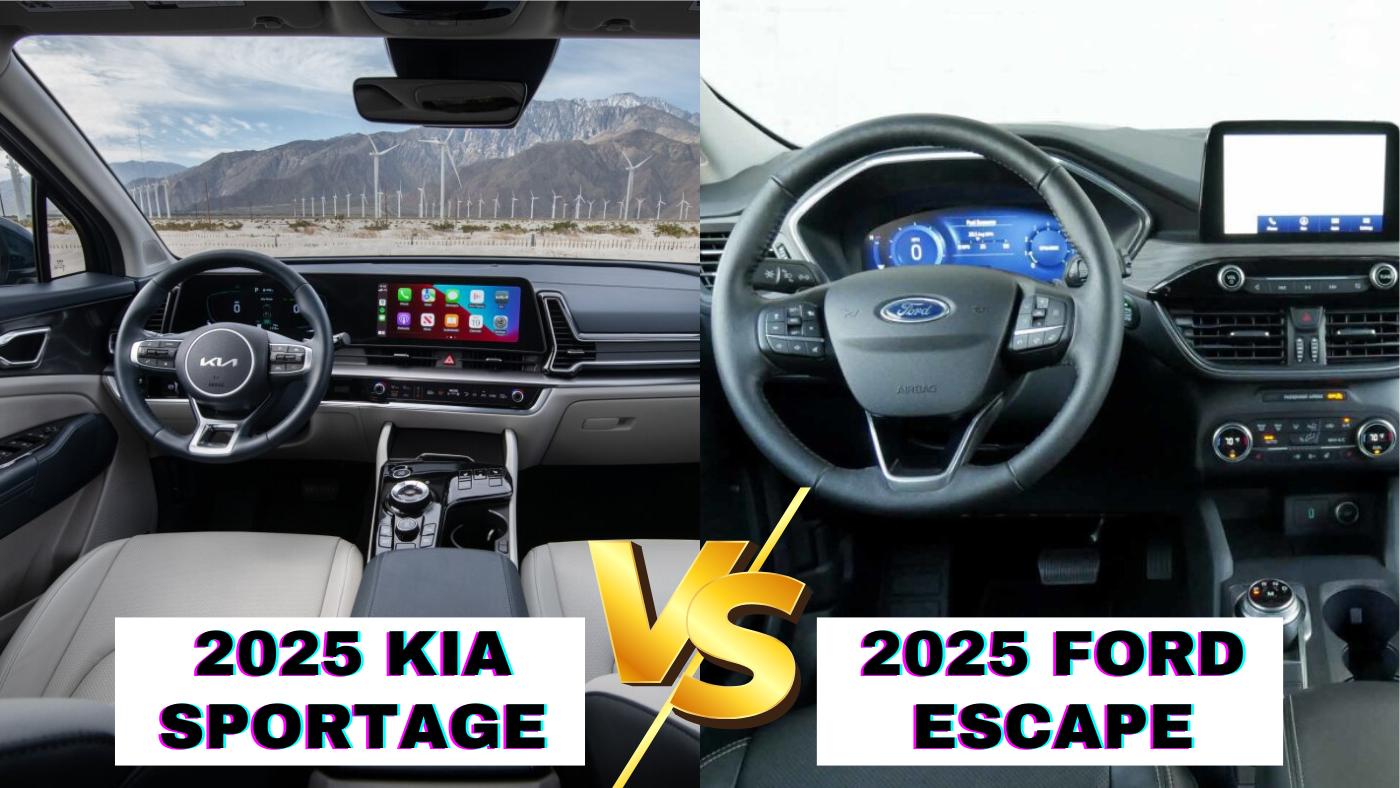
The Kia Sportage PHEV cabin is generally positioned as a welcoming space—designed to feel cohesive, with ergonomics that reduce effort. Controls tend to be placed with a “glance and go” philosophy in mind. Even the smallest decisions—how quickly you can reach a climate control, how intuitively the infotainment responds—reshape the drive.
The Ford Escape PHEV often feels more driver-forward, with an emphasis on accessible tech and a practical layout. If you enjoy experimenting with settings, or if your vehicle life includes frequent adjustments, the Escape can feel especially friendly.
Here’s the deeper truth: fascination often comes from frictionlessness. The more effortlessly a vehicle supports your routines, the more you start to trust it.
Technology and Infotainment: The Interface as a Navigation Partner
PHEV owners quickly learn that technology isn’t a luxury; it’s a feedback system. It tells you whether you’re charging effectively, using electricity efficiently, and how upcoming trips may shape fuel consumption.
The Sportage PHEV typically emphasizes a clean, modern user experience. Menus can feel logically organized, and the system’s ability to communicate energy flow can influence your driving decisions—whether you’re optimizing for EV mode or planning when to use hybrid assist.
The Escape PHEV also integrates energy-related information with the broader infotainment ecosystem. When navigation, charging schedules, and energy guidance work together smoothly, it can feel like having a quiet copilot who helps you “drive smarter” without turning the drive into a spreadsheet session.
In a head-to-head, the winner is the system you understand within a week. The best interface is the one that disappears into your routine.
Safety and Driver Assistance: Confidence Should Be Silent
Driver assistance systems should reduce stress, not add it. The ideal approach is subtle: fewer surprises, smoother warnings, and assist features that behave predictably.
Both the Sportage PHEV and Escape PHEV aim to deliver robust safety foundations—using modern sensors and assistance logic designed for everyday commuting. The key difference often shows up in calibration feel: how quickly collision warnings trigger, how lane-centering behaves in varying road markings, and how smoothly adaptive cruise manages speed changes.
For many buyers, the “win” is emotional rather than technical. When the car feels reassuring without being overbearing, it turns long trips into simpler experiences.
Value and Ownership Reality: The Part Nobody Sees During a Test Drive
Beyond specs, ownership outcomes matter: charging costs, tire wear, insurance rates, maintenance schedules, and long-term battery confidence. PHEVs can feel magical at purchase, but the true measure is how they behave after months of daily use.
The Kia Sportage PHEV frequently appeals to buyers who prioritize long-term confidence—drivers who want a vehicle that feels solid, supported, and cost-aware. The vibe is practical optimism.
The Ford Escape PHEV can appeal to owners who value flexibility and a strong connection between tech and driving behavior. If you like customizing your driving experience and you charge consistently, the ownership curve can feel particularly rewarding.
Which wins on value? It’s less about being objectively cheaper and more about how closely the vehicle’s strengths match your lifestyle. The “best” PHEV is the one you actually use as intended.
Verdict: Which One Wins—And Why That Answer Feels Personal
If you’re searching for a single, decisive winner, the answer depends on the kind of fascination you want to cultivate. The 2025 Kia Sportage PHEV tends to win for drivers who value serenity, straightforward daily usability, and a more forgiving efficiency experience—especially when your routine isn’t perfectly regimented.
The 2025 Ford Escape PHEV tends to win for drivers who prefer a more assertive driving presence, enjoy tech-driven guidance, and charge with consistency that allows the system to shine.
Here’s the final, honest takeaway: the “best” choice isn’t only about performance metrics. It’s about which vehicle makes electrified driving feel effortless—how quickly it becomes part of your expectations, how quietly it reduces the stress of commuting, and how often you find yourself thinking, this is exactly how I wanted my drives to feel.
Choose the PHEV that matches your rhythm, and the winner becomes obvious—because the most compelling part of 2025 is not just electrification. It’s the sense of control you gain when the car understands your day.