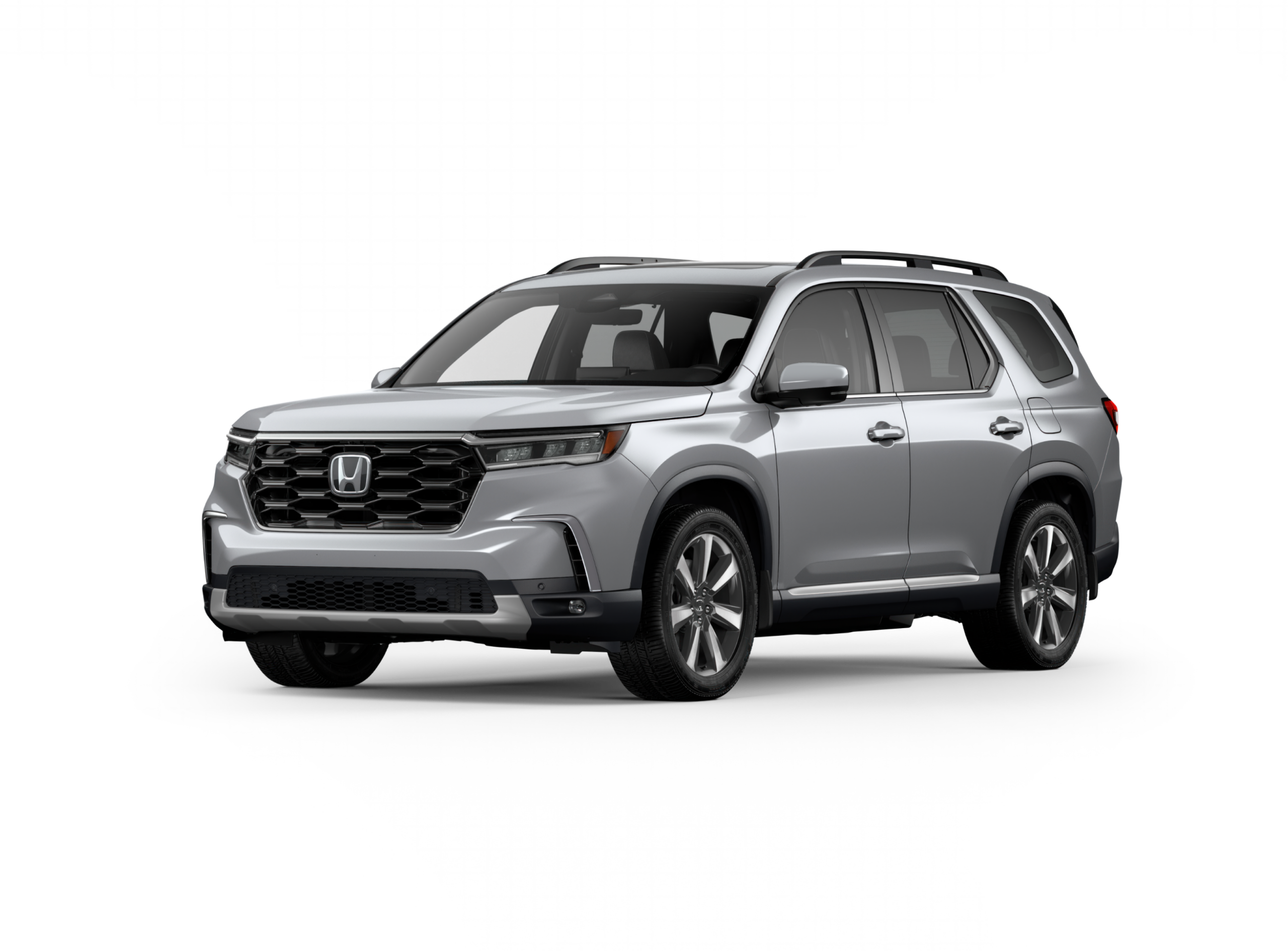
The 2025 Honda Pilot arrives with a familiar promise and an evolved sensibility: a large-family SUV that’s capable of ferrying everyone through the day’s obligations while still feeling composed on the road. It’s not just about space. It’s about the way space is organized, the ease with which you can move people and gear, and whether the driving experience stays calm when life gets hectic. For families who measure “convenience” in carpool schedules, soccer tournaments, and weekend road trips, the Pilot’s value isn’t a single feature—it’s the cumulative effect of practical design and refined usability.
This review takes a narrative stroll through what large families actually need: seating that accommodates real bodies, cargo room that doesn’t collapse under the weight of backpacks and strollers, and safety technology that works like a second set of eyes. Along the way, you’ll also find what prospective buyers typically look for—trim differences, performance expectations, comfort details, and the ownership considerations that shape long-term satisfaction.
First Impression: A Spacious Presence Without the Busyness
Step into the 2025 Honda Pilot and you can immediately sense its family-first intent. The cabin feels intentionally packaged rather than merely large. In other words, it doesn’t just offer capacity—it tries to make that capacity legible and manageable. The layout supports quick transitions: passengers can settle in without a wrestling match, and drivers can adjust controls without hunting.
The design language is confident, not loud. That matters for families because the vehicle becomes a daily habitat. The Pilot doesn’t demand attention; it earns it through steadiness. Even when the seating configurations change, the overall experience remains consistent—like the SUV is tuned for repetition, the kind families experience every week.
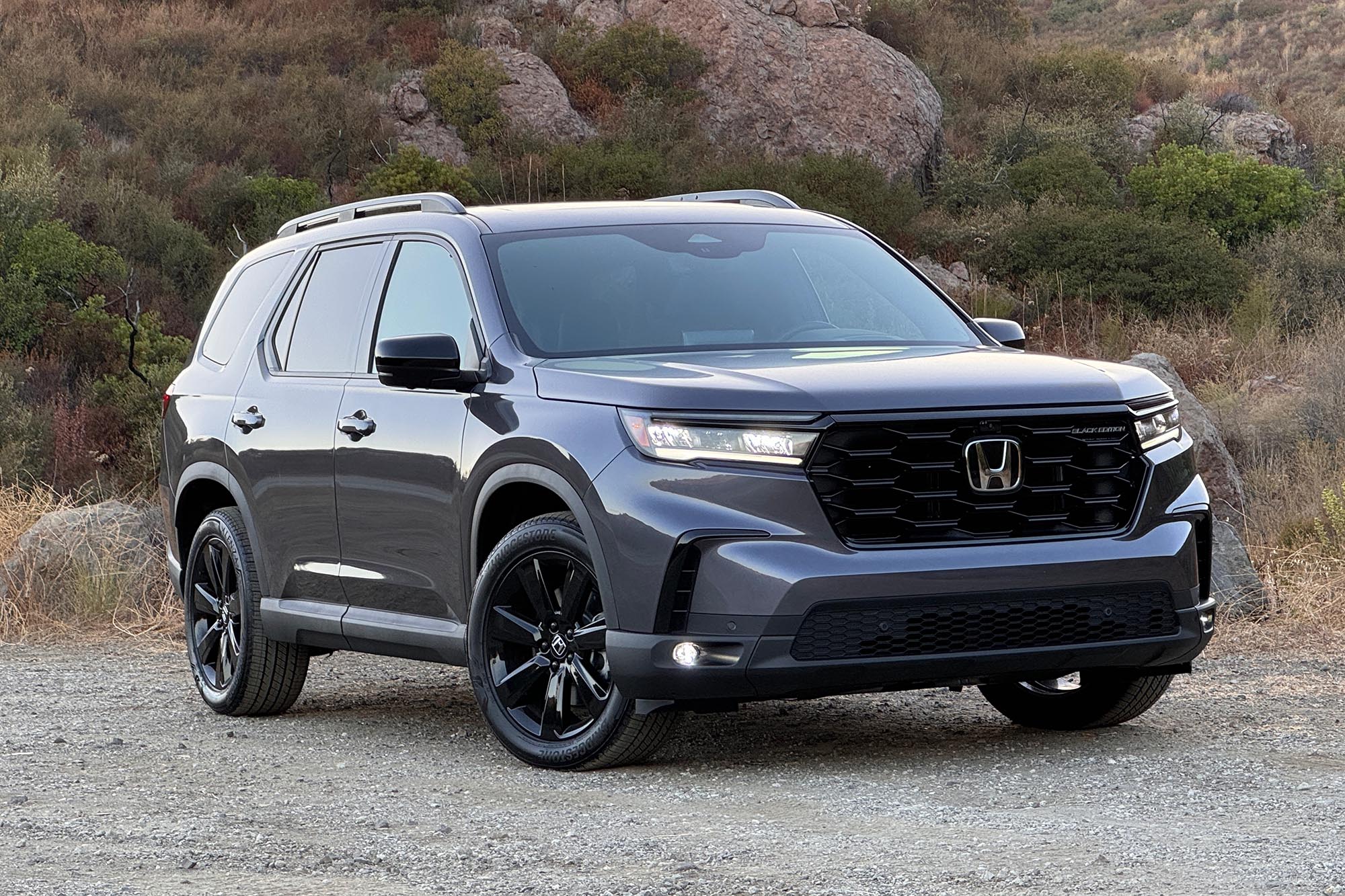
Seating for Large Families: Comfort Meets Practical Geometry
Large families rarely agree on what “comfortable” means, but the Pilot has a way of threading that needle. The available seating arrangements prioritize access and comfort. On the road, long conversations and short naps both happen more easily when seatbacks hold support and headroom doesn’t feel like an afterthought.
If your family uses the third row regularly, you’ll appreciate the Pilot’s approach to entry and egress. It’s not only about getting people in—it’s about making the process repeatable. Kids climb; grandparents navigate; someone always needs a jacket pocket or a bottle cup within arm’s reach. The Pilot’s interior tries to keep these needs within the same orbit.
With flexible seating, the Pilot adapts to different scenarios: school days, grocery runs, weekend camping gear. When the third row is up, you still retain meaningful usability for cargo. When it folds, the SUV becomes a surprisingly capable hauler for bulky items, especially when you plan around the load path.
Cabin Utility: Where Convenience Becomes an Everyday Habit
Family vehicles live or die by small conveniences. The 2025 Pilot focuses on those micro-utilities—storage spaces, thoughtful placement of controls, and the kind of cupholder and console design that reduces clutter. You’re not just transporting people; you’re transporting the paraphernalia of modern life.
Expect conveniences such as cabin tech access designed for day-to-day use. Whether passengers are charging devices, streaming entertainment, or simply listening to music during a drive that starts as “quick errands” and ends as an unplanned detour, the Pilot aims to keep everyone settled.
And since large families frequently evolve—new baby seats, shifting age ranges, changing stroller and sports equipment needs—the Pilot’s interior flexibility becomes a quiet advantage. It reduces the friction that comes from reconfiguring a vehicle every time the household changes.
Technology and Infotainment: Connected Enough to Calm the Chaos
Road trips and commutes both benefit from technology that feels intuitive rather than temperamental. The Pilot’s infotainment experience is geared toward quick interaction. Navigation, media control, and smartphone pairing are typically designed to minimize the “button choreography” that families dread on busy roads.
For large families, entertainment isn’t a luxury—it’s a traffic-flow strategy. Children’s attention spans are fickle, and a reliable infotainment setup can turn a stressful ride into a manageable one. At the same time, drivers benefit from interface clarity that keeps eyes forward and hands steady.
Even outside pure entertainment, connectivity helps with planning. Traffic updates, route suggestions, and quick access to directions reduce the mental load. When the driving task remains straightforward, everyone arrives calmer.
Driving Experience: Confident, Not Nervous
Many SUVs feel different once fully loaded. The 2025 Honda Pilot tends to maintain composure, offering a driving feel that’s steady through typical family speeds and lane changes. It’s not meant to be a sports car, of course, but it’s also not a mushy couch on wheels.
On winding roads, the Pilot holds its line with an attitude of polite capability. The steering is designed for real-world driving, where you’re merging, creeping into tight spots, and adjusting to changing parking conditions. Families don’t just drive; they maneuver—constantly—and the Pilot’s overall responsiveness supports that.
On highways, the goal shifts to smoothness and predictable behavior. The ride quality is tuned so that longer journeys don’t feel punitive. People notice that. They notice it in the way their shoulders relax, in how conversations flow, and in how the cabin stays controlled even when the day’s schedule doesn’t.
Safety for Big Households: Vigilance That Doesn’t Feel Intrusive
Safety systems matter most when you’re busy thinking about everything else—backpacks on the seat, a forgotten lunch, the toddler who just discovered a new fascination with elbows. The Pilot’s suite of driver-assist technologies aims to reduce risk without turning every drive into a panic event.
Expect features designed to enhance situational awareness, such as collision mitigation strategies, lane-related monitoring, and adaptive assistance for common driving scenarios. The ideal safety system is one you barely notice because it behaves predictably. When something unexpected happens, it becomes the calm backup plan.
For large families, child safety and secure seating matter as much as active driver aids. The Pilot’s interior is engineered to make everyday use safer and easier—so securing passengers and managing routine transitions feels less like a chore.
Trim Levels and Value: Finding the Right Balance
Choosing the right trim is less about chasing every feature and more about aligning the Pilot with how your family uses a vehicle. Some buyers prioritize advanced tech and comfort, while others care most about practical seating and cargo flexibility. The 2025 Pilot line typically offers a spectrum of options, letting families dial in what matters.
Consider how often you’ll use the third row. If you use it daily, you’ll likely want trims that elevate comfort and convenience. If it’s occasional, you may focus on features that improve the driver experience and maximize cargo handling.
Also think about entertainment needs. If long drives are common, prioritize the trim’s media and connectivity capabilities. If parking and urban navigation are your reality, consider trims that emphasize visibility and driver-assistance clarity.
Cargo Space: The Unspoken Measure of Family Suitability
Large families don’t pack neatly. They pack generously. The Pilot’s cargo versatility becomes an essential part of the purchase decision, because it determines whether the SUV feels adequate in real life. With the third row folded, the cargo area opens up for strollers, coolers, and luggage that doesn’t conform to minimalism.
When all three rows are in use, the Pilot still aims to provide a functional cargo zone for everyday needs. This is crucial because family outings rarely start with “empty trunk” optimism. There are always extra layers, snacks, and the inevitable item you didn’t remember until you left.
Ownership Considerations: Where Satisfaction Usually Reveals Itself
Long-term happiness often comes from practical ownership factors: fuel efficiency expectations, maintenance scheduling, and overall durability. While every driving pattern is unique, the Pilot’s design emphasizes mainstream reliability characteristics associated with Honda’s engineering ethos.
For families, reliability is a form of time savings. It reduces the mental overhead of frequent stops for repairs or unexpected mechanical surprises. In that sense, the Pilot isn’t only a vehicle—it’s a schedule stabilizer.
Insurance and resale value also play roles in total cost of ownership. Generally speaking, family-friendly models tend to maintain broader market appeal because their functionality doesn’t go out of style quickly.
Who Should Buy the 2025 Honda Pilot?
The 2025 Honda Pilot is best for large families that want a balanced SUV: roomy enough for regular passenger use, organized enough to prevent chaos, and refined enough to make everyday driving pleasant. It suits households with mixed seating needs—school-age kids, teen drivers-in-training, and grandparents who expect easy comfort.
If your family values flexible cargo arrangements and safety technologies that support rather than distract, the Pilot’s profile is strong. It’s also ideal for active families who regularly transport gear for sports, travel, and weekend excursions.
In short, the Pilot isn’t merely “big.” It’s thoughtfully big—designed to keep life moving smoothly, even when schedules don’t.
Final Verdict: Best for Large Families?
Yes—the 2025 Honda Pilot stands out as a compelling choice for large families. Its appeal isn’t one isolated selling point. It’s the way seating arrangements, interior utility, and safety-focused design work together to reduce friction. The result is an SUV that feels dependable in the ordinary moments and capable in the complicated ones.
For families who want space without discomfort, technology without annoyance, and a driving experience that stays calm as your household grows, the Pilot is an easy recommendation. It’s the kind of vehicle that doesn’t just transport people—it supports them, mile after mile.