
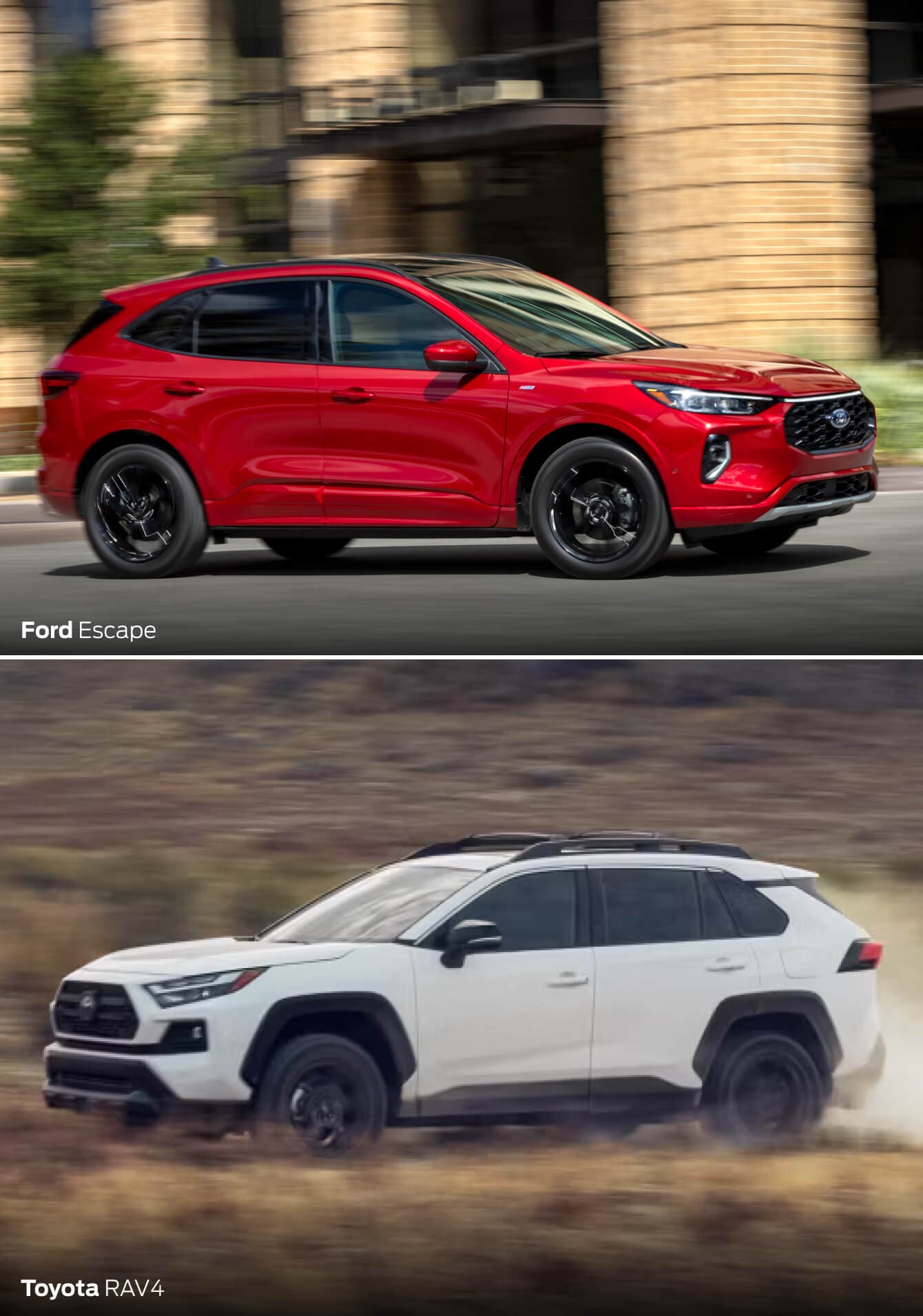
The tug-of-war between value and range in the plug-in crossover class is rarely settled by one number. It’s settled by how you live—where you drive, how often you plug in, and what you expect from your daily commute versus your weekend escape. The 2025 Ford Escape PHEV and the Toyota RAV4 Prime arrive with the same basic promise: electric propulsion with gasoline backup. Yet they approach that promise with different philosophies. One leans into a pragmatic ownership equation. The other is tuned toward maximum usable electric mileage. The result is a comparison that feels less like a spreadsheet duel and more like choosing the best tool for a particular job.
Below, expect a thorough walkthrough of the tradeoffs that matter most: real-world range expectations, charging practicality, cost-of-ownership considerations, and how each vehicle’s strengths show up in everyday driving—plus the less obvious details, like how battery strategy influences driving feel when the charge dwindles.
First, set the expectation: PHEV “range” isn’t one thing
When people say “range,” they often mean an optimistic electric figure. But plug-in range is more nuanced. Many drivers are really comparing two scenarios: electric-only commuting and electric-to-hybrid blended travel. A PHEV can appear “long-range” on paper and still feel frustrating if recharging isn’t convenient. Conversely, a slightly lower electric figure can become more compelling when the battery management strategy keeps power delivery consistent throughout the cycle.
With the Escape PHEV and RAV4 Prime, the difference starts with how each manufacturer targets the electric use case. The RAV4 Prime’s identity is tightly associated with maximizing electric distance. The Escape PHEV frames value and flexibility as the headline, aiming to fit a wider variety of charging habits and budgets.

Electric range: the deciding factor for daily life
For many households, the commute is the battleground. If your round-trip distance routinely lands within your vehicle’s usable electric range, you can turn gasoline into a backup plan rather than the primary fuel source. That’s where the RAV4 Prime tends to shine. Its electric-centric approach often translates to longer stretches of truly zero-emissions driving in real routines—especially on consistent routes.
The Escape PHEV can still be an excellent commuter companion. Its electric range tends to suit drivers who recharge predictably, or who don’t require the maximum possible mileage per charge. Think of it this way: the Prime is engineered to stretch the electric period farther. The Escape is engineered to make plug-in benefits attainable without requiring perfection in charging logistics.
Still, there’s an important caveat: electric range is affected by temperature, tire selection, driving style, HVAC usage, and even elevation. Rapid acceleration and frequent stops can quietly consume charge. A vehicle with a larger electric reserve can buffer those variables more effectively. That buffering effect is exactly what many drivers feel when they run late, detour, or hit unexpected traffic.
Hybrid fallback: what happens when the battery gets quiet
Range isn’t just about the battery’s first act. It’s about what comes after the battery’s energy gets rationed. Both vehicles use hybrid systems as a safety net, but the character of that transition can feel different.
When the electric portion fades, drivers want smoothness—not drama. The best PHEVs manage the handoff so the vehicle doesn’t feel like it changes personalities mid-journey. In the Escape PHEV, the design intent is often to preserve everyday drivability and keep the ownership experience straightforward. The RAV4 Prime, meanwhile, typically emphasizes delivering strong performance during the electric-to-hybrid transition, helping maintain momentum rather than resorting to lethargy.
In practice, the Prime may allow more “pure-electric” time before fallback becomes necessary. The Escape may ask you to think about charging a little more often—but can reward you with a simpler, value-focused ownership approach when the charging plan is realistic.
Value: the ownership equation goes beyond sticker price
Value is a composite: purchase cost, energy costs, incentives, insurance considerations, maintenance expectations, and depreciation tendencies. A PHEV isn’t only a car; it’s also a financial instrument that depends on how frequently you plug in.
Often, the Escape PHEV position in the market is associated with an attractive balance of features and cost. That matters because the benefits of plug-in ownership don’t automatically require the highest electric mileage—just enough electric time to reduce gasoline consumption meaningfully. If your household can reliably charge at home, even moderate electric capability can produce real savings.
The RAV4 Prime can also be a strong value proposition, especially if its higher electric reach reduces your gasoline purchases more consistently. But if your charging opportunities are limited—street parking, infrequent home access, or unpredictable schedules—the Prime’s extra electric range may not translate into proportional savings. In other words, maximum range is most valuable when you can actually use it.
Charging practicality: the quiet influencer of real-world range
The best electric range in the world doesn’t help if charging is inconvenient. Evaluate where you’ll charge: home driveway, garage outlet, workplace charger, or public stations. Consider charging speed, connector compatibility, and whether you’re likely to plug in before you forget.
Drivers who charge at home tend to compress the cost gap dramatically between gasoline and electricity. Time-of-use rates can turn charging into a low-friction habit. The vehicles may differ in charging performance details and charging management features, but the dominant factor for range utilization is the ease of the routine.
If charging access is uncertain, focus on how quickly you can top up between errands and whether the vehicle supports sensible charge scheduling. The Escape PHEV often appeals to those who want flexibility without feeling locked into a rigid charging calendar. The Prime appeals to those who see charging as a mission—something they’ll plan around to maximize electric time.
Driving feel: electric torque versus long-horizon comfort
Both crossovers deliver the instant response electric power provides, and that makes urban driving feel smoother. The difference is how long you stay in that electric-forward mood. A longer electric period can make the vehicle’s behavior feel consistently composed: fewer engine interruptions, less noise intrusion, and gentler throttle progression.
As the battery depletes, the experience shifts. The Escape PHEV tends to emphasize regular, predictable driving manners that remain intuitive even after the plug-in portion ends. The RAV4 Prime often preserves a lively character longer due to its longer electric window, which can make the overall drive feel more “electric-minded” from start to finish.
Neither approach is inherently superior. The better match depends on whether your typical day is more like a short loop you can charge for, or more like a day that rarely fits inside an efficient charging rhythm.
Feature value: where the dollars actually show up
Value isn’t only range and cost. It’s also how well the vehicle fits real preferences: driver assistance features, infotainment usability, cabin comfort, cargo practicality, and how the layout supports daily life. In a plug-in crossover, these details matter because many owners will keep the vehicle for years—meaning the “small things” become big things.
Think about weekend usage, too. A crossover is more than commutes. It’s groceries, errands, and road trips—often involving more speed, more wind resistance, more HVAC demand, and more variables that affect electric efficiency. The best choice is the one you’ll enjoy when you aren’t actively trying to game the battery.
Who should choose the Escape PHEV: value-forward drivers
The 2025 Ford Escape PHEV is a compelling pick for people who want a plug-in experience that’s approachable and practical. It suits drivers who charge at home but don’t need every last mile from the battery. It also tends to fit those who evaluate purchase economics carefully, where features and comfort feel like the primary payoff, with electric driving acting as the “bonus dividend.”
If your routine includes a mix of local trips and occasional longer drives, the Escape PHEV’s balanced approach can feel ideal. The hybrid fallback ensures you’re never stranded in an EV mindset, and the ownership experience can stay calm and sensible.
Who should choose the RAV4 Prime: range-maximizing commuters
The Toyota RAV4 Prime is best suited for drivers who treat electric range as a daily objective. If you frequently drive short-to-medium distances and can charge regularly, the Prime can deliver a satisfying cadence of electric driving—enough to noticeably reduce gasoline use and to make each trip feel less fuel-dependent.
It’s also a great fit for households that plan. If you’re the kind of driver who plugs in before heading out, works from a predictable schedule, and likes the idea of longer EV-only stretches, the Prime’s range advantage can become a signature feature rather than a statistic.
Final verdict: value versus range is really a lifestyle choice
In the 2025 Ford Escape PHEV vs Toyota RAV4 Prime matchup, the debate isn’t which vehicle is “better” in the abstract—it’s which one matches your patterns. The Prime typically appeals to range-hunters: those who want maximum electric distance to reduce gasoline more aggressively and to keep driving feel consistently electric. The Escape PHEV tends to appeal to value-seekers: those who want plug-in benefits without demanding the highest electric mileage from every charge cycle.
Choose the vehicle that aligns with your charging reality. If your life supports frequent home charging and predictable routes, the Prime’s extended electric capacity can be a near-automatic win. If your routine is varied and you value a more balanced cost-to-feature equation, the Escape PHEV can feel like the wiser, calmer investment.
Either way, the most important upgrade is the same: the ability to change how you fuel your day. With the right choice, plug-in ownership becomes less of a compromise and more of a rhythm—quiet, efficient, and surprisingly rewarding.