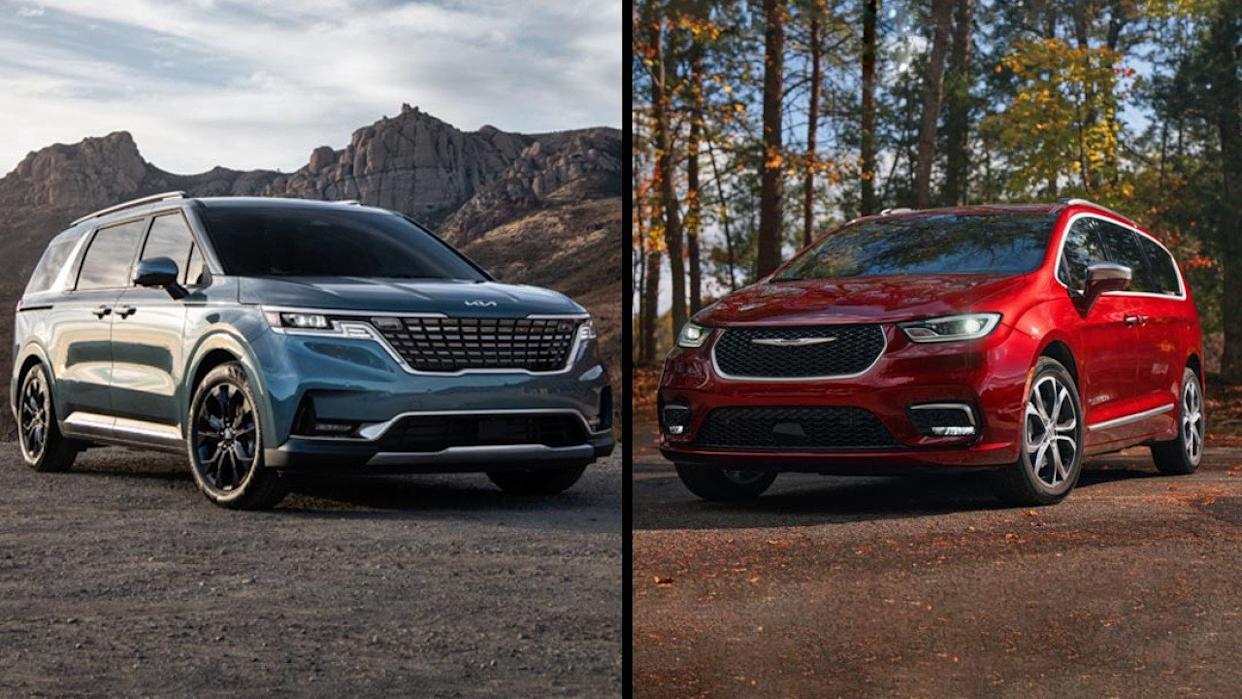
The minivan has always been more than a vehicle—it’s a moving platform for family life, a rolling control room for school schedules, snack logistics, and weekend escapes. In 2025, two names step into the same spotlight with different artistic fingerprints: the Chrysler Pacifica and the Kia Carnival. Think of them as rival orchestras tuning to the same performance. The question isn’t whether they can both carry a crowd. It’s how they make the crowd feel—when the road stretches ahead like a long sentence and your passengers are the punctuation.
This is a tech war, but it’s also a story about priorities. Chrysler leans into comfort, refinement, and a certain domestic calm. Kia brings boldness, practicality, and a tech-forward swagger that feels like it’s been upgraded while you weren’t watching. Somewhere between them is the driver who wants their minivan to act like a well-trained co-pilot—intuitive, anticipatory, and quietly impressive.
Let’s examine the battle line by line, feature by feature, and metaphor by metaphor, until the better choice becomes less like a gamble and more like a clear map.
Two Minivans, Two Personalities: The Tech Meets the Temperament
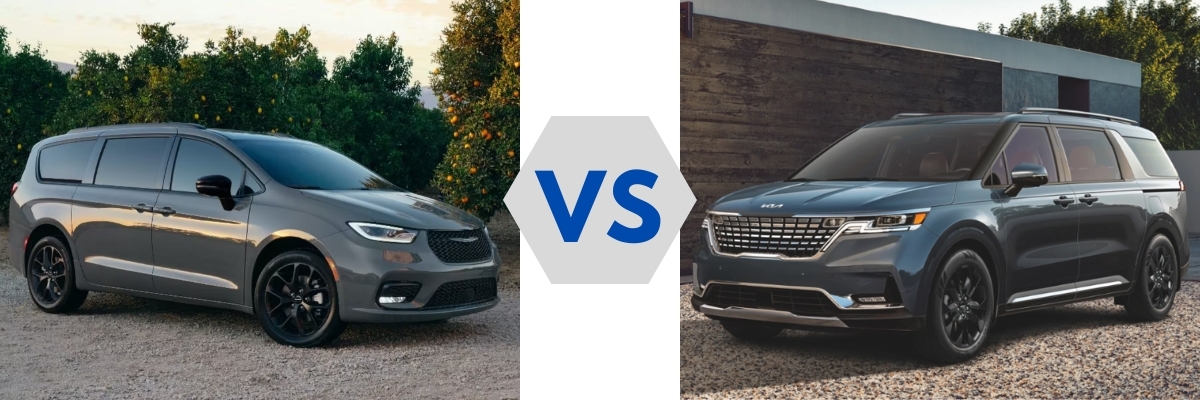
The 2025 Chrysler Pacifica is often described as the kind of vehicle that doesn’t demand attention; it earns it. Its cabin atmosphere feels composed, almost like a lounge that happens to have cupholders. Kia’s 2025 Carnival, meanwhile, carries a more theatrical presence. Its design and interface philosophy feel like a tablet that grew up and learned how to drive.
Both minivans understand the same truth: modern families don’t just need transportation—they need rhythm. The Pacifica’s tech emphasizes usability with a steady, familiar cadence. The Carnival’s tech aims to impress with a more dynamic flow, encouraging exploration. When the day is hectic, one of these approaches will click instantly; the other will feel like it takes an extra beat to settle in.
Infotainment: The Dashboard as a Storyteller
Infotainment in a minivan isn’t entertainment-only. It’s command center theater. Kids need screens and audio that don’t clash. Parents need navigation that doesn’t feel like a labyrinth. Everyone needs connectivity that behaves during bad weather, signal dead zones, and the unpredictable chaos of real life.
In the Pacifica, the infotainment experience typically aims for clarity. Menus should feel navigable without a deep breath. Controls should be positioned like well-practiced handshakes—firm, predictable, and friendly. The goal is to keep you in motion rather than troubleshooting.
The Carnival’s infotainment strategy tends to feel more immersive, with a stronger emphasis on responsiveness and user-friendly presentation. It often reflects a “digital-native” mindset, where the system tries to anticipate what you might want next—routes, media, or connectivity.
In this tech war, both teams want you to drive with confidence. But their styles differ. The Pacifica is the calm narrator. The Carnival is the charismatic director.
Connectivity and Digital Ecosystems: Who Keeps You Plugged In?
Connectivity is the bloodstream of modern road trips. A minivan that loses features the moment the signal weakens feels like a promise that evaporates. Both the Pacifica and Carnival are built to support smartphone integration and everyday tech expectations.
The Pacifica’s charm is often in its sensible integration—features that feel intuitive once you’ve set them up. It’s less about futuristic showmanship and more about reducing friction. That matters when you’re juggling changing destinations or when a passenger needs the next playlist instantly.
The Carnival, by contrast, tends to lean into an environment where technology feels immediate. The interface may invite more exploration, and the system’s behavior often feels designed for continuous use. On long drives, that can translate into fewer interruptions and a more seamless “always-on” feeling.
Pick the one whose digital temperament matches your habits. Some drivers want minimal friction. Others want a cockpit that feels alive.
Driver Assistance: Safety as a Quiet Guardian
Advanced driver assistance systems (ADAS) can be the difference between “almost” and “handled.” In family vehicles, the best safety tech doesn’t feel like a machine hovering overhead. It feels like a competent guardian working in the background.
The Pacifica typically focuses on confidence and steadiness. Its driver-assist logic often aims to be predictable—alert when necessary, measured in its interventions, and aligned with the pace of typical driving. That can be a relief for drivers who dislike overly aggressive sensing.
The Carnival’s ADAS approach tends to feel more dynamic—encouraging driver trust through comprehensive sensing. When done well, it can reduce fatigue on commutes and help manage the stress of dense traffic.
Both minivans want to protect your family, but their “watchfulness” style may differ. The question is: do you want your minivan to feel like a careful instructor, or like a vigilant co-pilot?
Comfort Tech: Climate Control and Cabin Intelligence
A minivan is an engineering feat disguised as a soft place to sit. Comfort tech—ventilation, cabin quietness, temperature zoning, and rear-seat support—determines whether passengers feel like travelers or captives of a long trip.
In the Pacifica, comfort often feels curated. The cabin typically aims for calmer acoustics and consistent climate behavior. The tech supports that sense of stability, helping the interior remain comfortable even as the outside world swings between sun and shade.
The Carnival generally emphasizes a highly user-oriented cabin experience, aiming for efficient cooling and adaptable comfort across rows. The result can feel like a well-tuned room rather than a vehicle with a temperature setting.
Either way, the best comfort tech is invisible. When it works, you stop noticing it. When it doesn’t, everyone notices immediately.
Rear-Seat Technology: Entertainment That Doesn’t Turn Into a War
Rear-seat tech is where minivans either win hearts or ignite negotiations. Kids don’t care about trim levels. They care about screens that load quickly, audio that reaches their ears, and controls that don’t turn every ride into a troubleshooting session.
The Pacifica often highlights rear convenience and family-friendly cabin layout, making it easier to keep passengers occupied without turning the center aisle into a battlefield. It aims to reduce friction between rows.
The Carnival often leans into a more modern entertainment ecosystem, with a focus on usability and passenger engagement. Its approach can feel like a digital playground—organized, responsive, and designed to keep everyone occupied while the driver remains focused on the road.
In both cases, rear tech is about harmony. The goal is simple: fewer arguments, more giggles, and a ride that ends without anyone asking, “Are we there yet?”
Storage and Usability: Tech That Serves Real Life
Here’s the secret truth of the minivan tech war: the features that matter most are often the ones that make daily tasks easier. Cupholders are technology. Door access is technology. Storage locations are technology. The minivan is essentially a philosophy about how humans move through space.
The Pacifica tends to emphasize practical organization with an emphasis on comfort-first ergonomics. Its approach typically supports a smoother transition between errands and adventures. It’s the vehicle that feels like it already knows your schedule.
The Carnival often leans into flexibility and intuitive layout. Its overall usability philosophy can feel like a design that anticipates how families actually live—stuff everywhere, quick changes, and the constant need for the next thing to be within reach.
When you evaluate these minivans, consider how they reduce mental load. A great tech feature doesn’t just impress; it eliminates the small, daily annoyances that quietly drain patience.
The Design of Convenience: Space, Doors, and Everyday Flow
Doors, accessibility, and entry/exit ease shape the real experience. Loading groceries, buckling kids into car seats, and managing third-row access are not “side quests.” They are the main campaign.
The Pacifica usually delivers a calm, familiar sense of practicality. Its cabin proportions and layout support predictable movement through the vehicle. In the Pacifica, convenience feels like good manners.
The Carnival often brings a more assertive approach to space management. Its cabin design can feel like it was engineered by people who live in the same reality as the rest of us—tight parking lots, hurried mornings, and the occasional moment when everything happens at once.
Good minivan design is less about visual flair and more about how quickly you can go from chaos to calm.
Which One Wins the Tech War?
Choosing between the 2025 Chrysler Pacifica and the Kia Carnival isn’t about declaring a single winner in a vacuum. It’s about matching tech to lifestyle. The Pacifica often feels like a refined headquarters—comfortable, steady, and designed for drivers who value seamless ease. The Carnival often feels like a modern command deck—bold, intuitive, and enthusiastic about incorporating tech into everyday routines.
If you want a minivan that feels composed and supportive, the Pacifica’s approach can feel like an anchor. If you want a minivan that feels more digitally alive and flexible with tech-forward energy, the Carnival can feel like a spark.
Both serve families. Both understand that technology should lighten the day, not complicate it. The deciding factor is which philosophy fits your hands, your habits, and your idea of a smooth ride.
Final Thoughts: The Minivan as a Home on Wheels
In the end, the minivan isn’t just transportation—it’s a portable sanctuary. The 2025 Chrysler Pacifica and Kia Carnival each bring a distinct kind of intelligence to that sanctuary. One may win by soothing comfort and frictionless usability. The other may win by vibrant interface energy and flexible family-minded tech design.
Drive both if you can. Pay attention to how the cabin feels after ten minutes, not just how it looks on day one. Notice what you stop thinking about. That’s where the true victory hides—inside the quiet moments when the road disappears and the family experience takes over.
Your next minivan should feel less like a purchase and more like a reliable chapter in an ongoing story. In this tech war, the right choice isn’t the one with the most features. It’s the one that makes every mile feel easier to live.