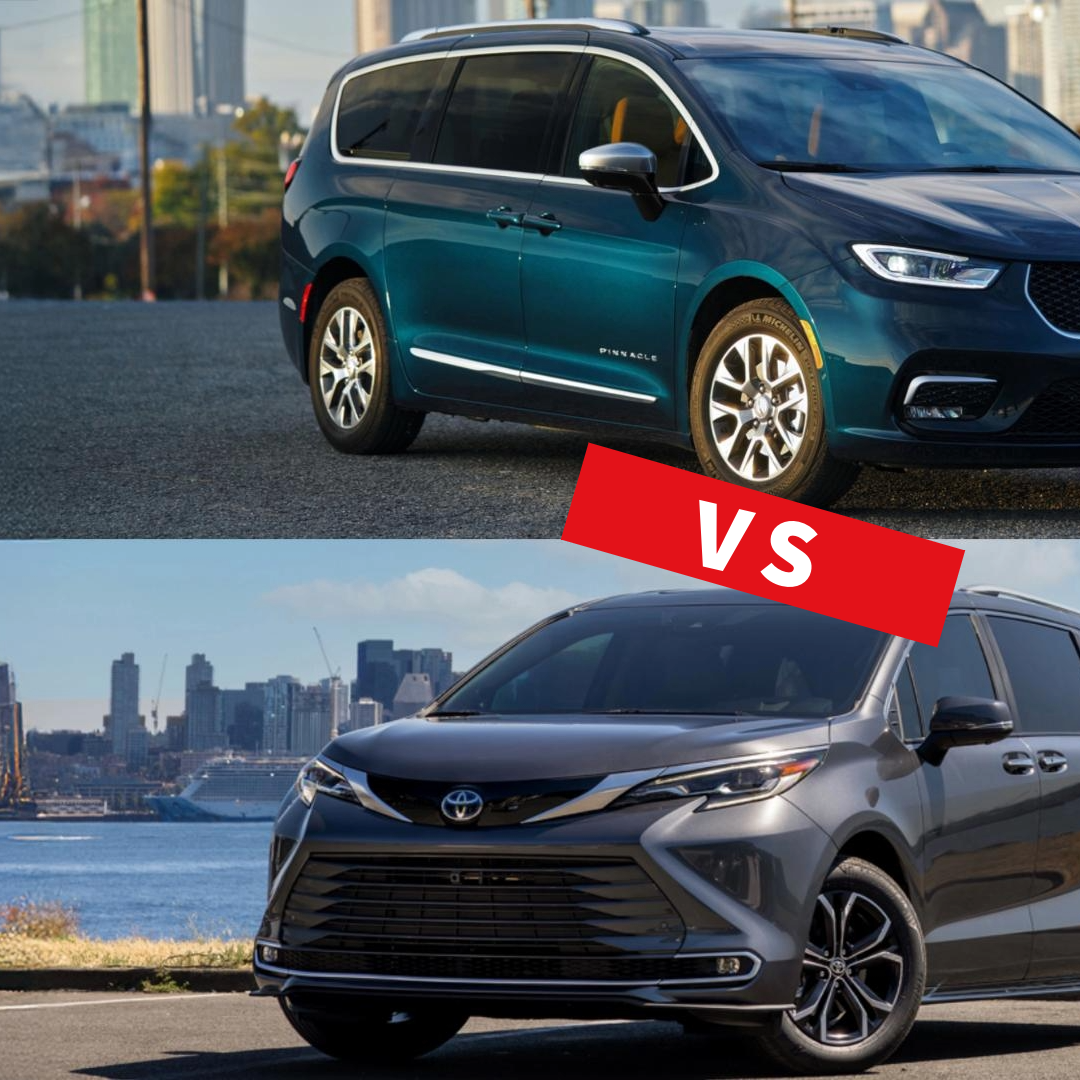
The idea of “minivan” used to mean one thing: practicality, space, and the quiet confidence of a family vehicle that simply gets the job done. In 2025, that script has been revised. The Chrysler Pacifica Hybrid and the Toyota Sienna Hybrid both wear electrification like a badge of modernity, but they don’t do it the same way. One leans into plug-in capability, turning electricity into an everyday habit. The other leans into hybrid efficiency, turning every trip into a carefully metered collaboration between battery and engine.
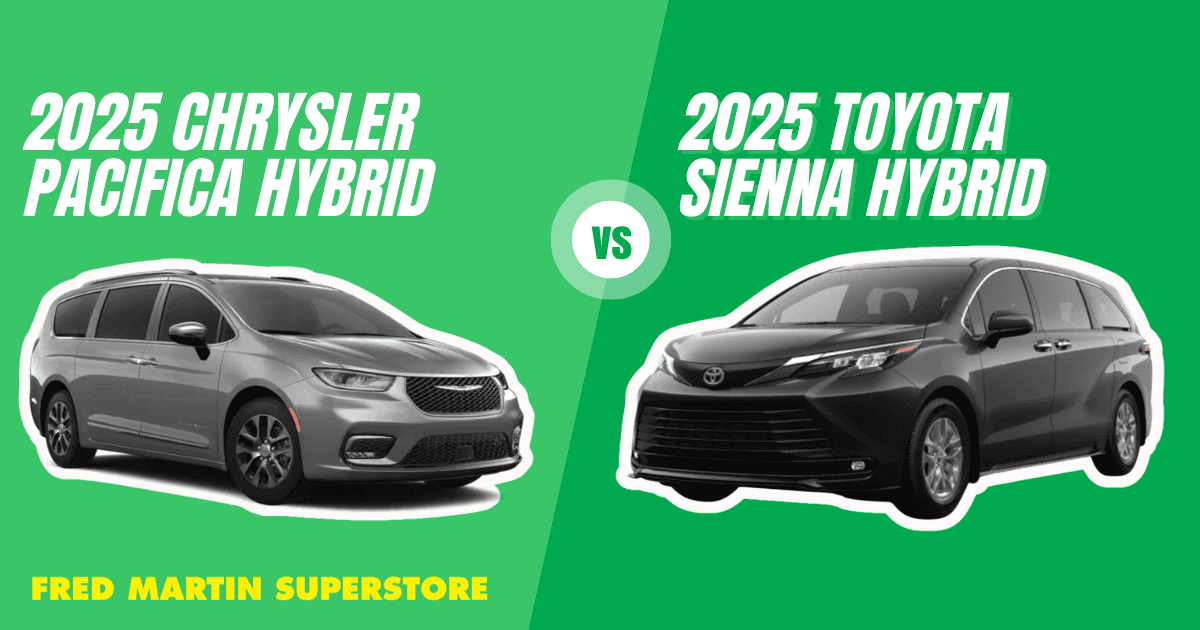
So what’s the real difference between the 2025 Chrysler Pacifica Hybrid and the 2025 Toyota Sienna Hybrid? It’s not merely a debate over badges or badges-of-hardware. It’s a comparison of driving philosophy: PHEV versus HEV, charging routines versus no-routine convenience, and how each minivan manages energy when the day runs long and the roads get unpredictable.
In this article, you’ll find what readers typically want most—decision-ready clarity. Not vague promises. Not marketing haze. Instead, you’ll get an organized walkthrough of how these minivans tend to behave, what you can expect from their powertrains, how they handle fuel economy in the real world, and which lifestyle each vehicle fits best.
PHEV vs HEV: The Core Difference That Changes Everything
At the highest level, the Chrysler Pacifica Hybrid represents a plug-in hybrid electric vehicle (PHEV). That means it can drive using stored electrical energy from its battery—and it can replenish that battery by plugging into an external power source. Translation: you can preload the minivan with electricity at home, then spend the first portion of your drive in near-silent, low-throttle comfort.
The Toyota Sienna Hybrid is a hybrid electric vehicle (HEV). It doesn’t require plugging in. Instead, it builds and preserves battery charge through regenerative braking and engine-driven generation. This approach favors frictionless ownership—no charging schedule, no cable rituals. It’s the kind of system that encourages “drive first, think later.”
Both are electrified. Only one is plug-connected. That single distinction tends to ripple outward into range expectations, daily convenience, and the kinds of fuel savings that feel immediate versus incremental.
How the Powertrain Feels in Daily Driving
Electric motivation changes the mood of a vehicle. When the Pacifica Hybrid’s battery is charged, it often feels more responsive at low speeds—smooth, brisk, and free of that “engine-first” sensation you’d normally associate with larger vehicles. Around town, where starts and stops are constant, the PHEV setup can excel at turning short trips into low-cost outings.
The Sienna Hybrid also benefits from electric torque, especially during initial launch. However, because it’s not drawing energy from a plugged-in battery, its behavior can feel more continuously hybrid: the system blends power as needed, using the engine and electric motors as partners. The result is a drive that’s calm and consistent—less about “EV mode moments” and more about steady efficiency management.
Neither minivan is supposed to feel like a sports car, but both can deliver a certain refined immediacy. The difference is when that immediacy shows up, and how predictable it feels across a week of errands.
Fuel Economy: Savings Can Be Structured Differently
Fuel economy isn’t just a number on a spec sheet. It’s a habit you either build—or one you let happen. The Pacifica Hybrid’s PHEV nature allows owners to create a structured routine: charge at home, drive electrically for as much of the day as you can, then rely on the engine afterward. If your schedule includes reasonable daily mileage and you have a reliable place to plug in, your fuel savings can feel more dramatic and more frequent.
The Sienna Hybrid’s HEV design tends to produce savings through continuous optimization. Even without charging, regenerative braking and hybrid control logic can reduce fuel consumption, particularly in stop-and-go traffic. Over time, many drivers find that the “set it and forget it” nature of an HEV creates a consistent baseline of efficiency.
If you’re someone who plans ahead—charging overnight, then using that stored energy during your commute—the Pacifica Hybrid’s advantage can be more pronounced. If you prefer to avoid any charging logistics, the Sienna Hybrid offers a cleaner, simpler path to efficiency.
Electric Range vs Overall Efficiency: Choosing Your Kind of Math
A PHEV invites a different calculation. Instead of asking only, “How many miles per gallon?”, you start thinking in terms of “miles on electricity first.” That can be psychologically satisfying. It’s a tangible number tied to your charger and your routine, not just your driving style.
An HEV leans toward overall efficiency rather than an explicit electric-first distance. The Sienna Hybrid may not give the same “all-electric day” possibility, but it can deliver strong results across mixed driving conditions because the battery is managed in real time. It’s efficient by design, even when the day doesn’t cooperate.
In other words: Pacifica Hybrid owners often optimize around charging capacity and daily routes. Sienna Hybrid owners optimize around uninterrupted convenience and adaptive hybrid operation.
Charging Convenience: The Hidden Lifestyle Factor
Charging is often treated like a technical footnote, but for real households it becomes a lifestyle variable. The Pacifica Hybrid generally makes the most sense for drivers who can charge at home or at work. Having access to an outlet isn’t merely convenient—it shapes how much of your driving can be electrified.
If charging access is limited, the PHEV can still be capable, but the experience may feel less distinctive. The vehicle becomes more like a hybrid that happens to be able to plug in. That’s not a failure. It’s a change in value proposition.
The Sienna Hybrid avoids this altogether. No charging infrastructure needed beyond what you already have: gasoline availability and regular maintenance. For some families, that simplicity is the deciding factor, especially when schedules are hectic or parking conditions vary.
Interior Space and Family Usability
Both minivans focus on practical living—space for passengers, room for cargo, and the kind of flexible interior that makes school drop-offs and road trips feel less like logistics and more like movement.
With a PHEV, buyers sometimes wonder whether the battery packaging compromises storage. In most modern designs, manufacturers work hard to maintain real-world usability. The important point isn’t whether the minivan is spacious—it is—but how the design supports everyday tasks: stowing gear, accessing rear seats, and fitting bulky items without turning the trunk into a puzzle.
For families, the “best” minivan is frequently the one that reduces friction. That could mean easy third-row access, intuitive seat adjustments, and cargo layouts that accommodate a changing cast of passengers and supplies.
Road Trip Readiness: Range Planning and Confidence
Road trips reveal character. The Pacifica Hybrid can shine for segments where you can charge at your destination or leverage home charging before departure. If you’re staying with relatives who can accommodate charging, the electric portion of your trip can become a pleasant advantage—fewer fuel stops, quieter highway stretches, and a sense of control over energy usage.
The Sienna Hybrid offers a different kind of confidence: continuous drivability without the need to plan charging stops. Hybrid systems can make longer travel days easier by smoothing out efficiency across varying speeds and terrain.
The right choice often depends on your trip pattern. If you routinely have opportunities to plug in during longer stays, the Pacifica Hybrid’s PHEV profile can feel tailor-made. If your travel includes unpredictable routes and limited charging access, the Sienna Hybrid’s HEV simplicity can reduce anxiety.
Technology, Safety, and Modern Minivan Expectations
Modern minivans are expected to deliver more than space. They’re expected to be protective and connected, with driver-assist features that help reduce fatigue and improve confidence during commuting and family travel. Both models typically position themselves as family-first vehicles, incorporating safety systems and infotainment tools designed for clarity and ease of use.
The key is not just what the systems can do on paper. It’s how they behave during real driving: how intuitive the controls are, how quickly alerts appear, and how comfortably the vehicle supports you without feeling intrusive.
Which Minivan Fits Your Household Best?
Choose the 2025 Chrysler Pacifica Hybrid if your days are patterned enough to benefit from plugging in. If you can charge reliably, drive locally in the morning and evenings, and appreciate the emotional satisfaction of using electricity first, the PHEV approach can become a daily advantage. It’s for people who like control—who see charging as part of ownership rather than an inconvenience.
Choose the 2025 Toyota Sienna Hybrid if you prefer seamless convenience. If you don’t want to manage charging schedules, and you’d rather let the hybrid system adapt to every route, the HEV design can be the more effortless solution. It’s for people who value consistency more than specialization.
In both cases, the “best” choice is the one that matches your routine. The minivan isn’t just moving bodies—it’s moving schedules. The powertrain should support that reality, not fight it.
Final Thoughts: PHEV Drama vs HEV Serenity
The 2025 Chrysler Pacifica Hybrid and the 2025 Toyota Sienna Hybrid are both credible family electrified minivans, but they express that electrification differently. The Pacifica Hybrid tends to reward planning, offering an energy strategy you can directly influence through charging. The Sienna Hybrid tends to reward simplicity, delivering efficiency without requiring external power.
Ultimately, this isn’t just a comparison of two vehicles. It’s a comparison of two ways of living with electrification. One invites you to plug in and take command. The other invites you to drive, with the technology quietly doing its work in the background.
Whichever you choose, you’re not just buying a minivan—you’re choosing how your household’s energy story will unfold.