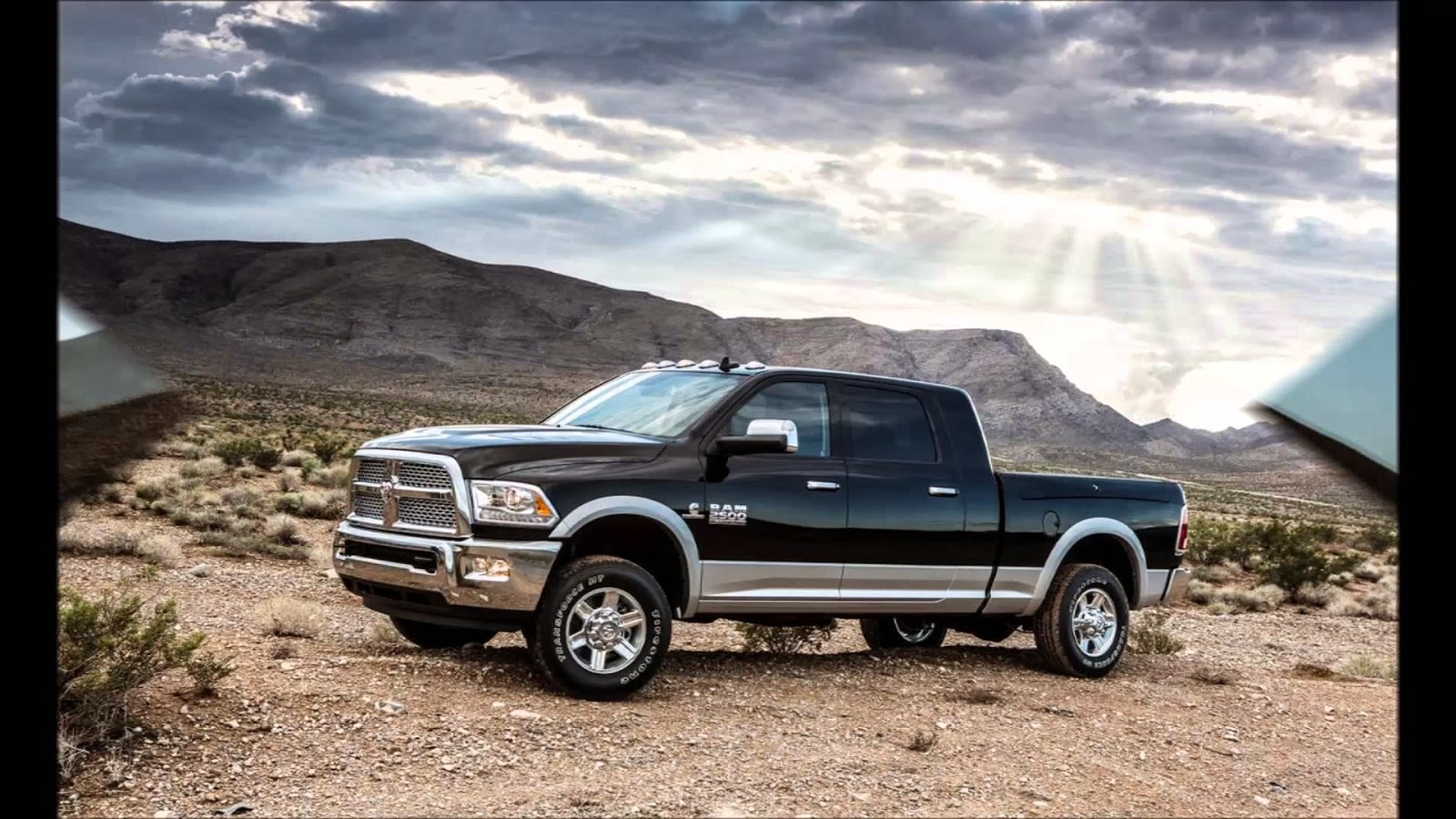
The Ram 1500 has always flirted with the idea of being more than just a workhorse. It promises comfort without abandoning capability. Yet the question that lingers behind the polished marketing and glossy showroom photos is simpler—and far more demanding: what happens after the novelty fades? After the first oil change, the first long road trip, the first season of brutal heat or winter grime, the Ram 1500’s long-term reliability becomes less of a slogan and more of a lived experience. Owner reports don’t read like fairy tales. They read like diaries: measured, sometimes exuberant, occasionally cautionary.
This is where the shift in perspective begins. Instead of asking, “Is the Ram 1500 reliable on paper?” the better question is, “How does it behave when life stops being convenient?” The answer unfolds in patterns—recurring themes about powertrains, maintenance rhythms, electronics, rust resistance, and the small irritations that either become tolerable quirks or persistent headaches. If you keep your attention on those patterns, reliability turns from a vague reputation into a map you can actually navigate.
The Owner Mindset: Reliability as a Pattern, Not a Moment
Owner reports tend to share one crucial trait: they evaluate the truck at the distance where problems reveal themselves. A squeak at 20,000 miles doesn’t matter much if it disappears under warranty. A transmission hesitation at 70,000 miles is a different story entirely. The Ram 1500’s long-term reliability is therefore discussed in time horizons. Owners mention early impressions, then follow with mid-life judgments, and finally offer the kind of hindsight that only accumulated miles can generate.
Many owners describe their trucks as “normal” in the best sense—predictable in how they require care. That predictability becomes a silent promise. Reliability isn’t only about avoiding breakdowns; it’s also about avoiding surprise. When a component fails, the question isn’t just whether it fails—it’s whether it’s flagged early, whether it’s supported by parts availability, and whether the repair is straightforward rather than labyrinthine.
Powertrain Longevity: Engines and Transmissions Under the Microscope
At the heart of any long-term reliability discussion is the powertrain. The Ram 1500 commonly earns attention for its engine lineup and the character those engines bring to everyday driving. Owners often praise response and everyday smoothness, but the real test is durability under varied usage: towing, commuting, highway marathons, stop-and-go city wear, and the occasional “oops, we’re over our usual limits” moment.
In owner reports, recurring themes include maintenance discipline and how it intersects with long-term health. Some engines are described as resilient when oil changes happen on schedule and when coolant and related systems are kept within proper thresholds. When owners keep the basics crisp, the truck tends to behave like a steady colleague rather than a temperamental partner.
Transmission experiences form another pillar. Many owners appreciate the way modern transmissions manage gear hunting and load. Long-term feedback often gravitates toward smoothness after adaptation periods and toward learning curves in driving style. Yet there are also mentions of occasional hesitation or shifting irregularities, typically linked to service history, software updates, or specific driving conditions. The important nuance is that these issues are rarely portrayed as apocalyptic. Instead, owners frequently frame them as “manageable,” especially when addressed promptly.
Maintenance Rhythm: What Owners Say Helps the Most
Reliability is sometimes treated like a passive trait, as if a truck simply decides to be dependable. Owner accounts tell a more active story. The truck becomes reliable when it’s cared for. Owners who speak most positively often reference a disciplined maintenance rhythm—oil changes at reasonable intervals, tire rotations performed with consistency, and attention to fluids beyond the routine.
What stands out is not just what gets replaced, but what gets watched. Owners report keeping an eye on filters, monitoring cooling system behavior, and paying attention to early signs of wear—vibration, unusual noises, or changes in fuel economy. These signals aren’t always dramatic. Sometimes they’re subtle: a new resonance in the steering wheel, a faint clatter that appears only after cold starts, or a shift in how the truck feels at highway cruising.
That proactive stance is the quiet engine behind “long-term reliability.” It’s not glamourous. It’s effective.
Electrical and Infotainment: The High-Complexity Corner
Modern trucks are mobile command centers. The Ram 1500 inherits this reality, and electronics inevitably enter the conversation. Owner reports often describe infotainment systems as convenient and modern—then pivot to what happens when bugs, glitches, or connectivity quirks surface over time.
Some owners mention that updates, resets, or dealership reprogramming solve issues more often than they expect. Others note that certain problems are intermittent, appearing at random and disappearing just as mysteriously. The word that frequently emerges in these accounts is “frustrating,” not catastrophic. Reliability in the electrical domain tends to be judged by continuity of usability: does the system remain trustworthy, or does it require constant troubleshooting?
There’s also a broader perspective. Many drivers don’t treat every infotainment glitch as a mechanical failure. They instead treat it like a software weather pattern—unpleasant when it happens, but not a permanent storm. This is where expectation management matters. The more a user relies on technology for daily life, the more even minor issues feel like reliability failures.
Ride Quality, Suspension, and Long-Mile Comfort
Reliability isn’t only about parts. It’s also about how the truck behaves when the miles accumulate and the roads turn indifferent. Owners frequently evaluate suspension longevity through the lens of comfort and stability—how the truck tracks on uneven pavement, how it handles potholes, and whether it develops wandering steering or persistent bounce.
Many report that the Ram 1500 maintains a polished ride longer than expected, especially when tires are properly balanced and suspension components are inspected before wear accelerates. When problems occur, they’re often tied to alignment drift, tire degradation, or components affected by repeated rough-road exposure. The recurring theme is that preventative checks can keep minor issues from becoming expensive repairs.
That’s a reliability insight disguised as a comfort note. A truck that feels “tight” at 60,000 miles generally indicates more than good engineering—it often indicates attentive ownership.
Rust, Corrosion, and Environmental Endurance
Depending on where the Ram 1500 is driven, corrosion can become the most decisive factor of long-term dependability. Salted roads, wet winters, and coastal humidity each press corrosion into different patterns. Owner reports often discuss how surfaces age—underbody protection, fasteners, and how quickly visible corrosion appears.
Positive accounts tend to emphasize that rust is either limited or manageable, especially when the truck is cared for with regular washing and underbody attention. More cautionary reports describe localized corrosion after harsh climates, often associated with neglected washing in salt seasons or the presence of road debris that traps moisture.
The intriguing part is how much behavior influences outcome. Reliability here is not purely an engineering result. It’s a partnership between design and environment—and between the truck owner’s habits and the chemistry of the roads.
Wear Items and “Hidden Costs” Over Time
Eventually, reliability becomes a ledger. Owners discuss wear items—brakes, tires, filters, and suspension components—and how those costs evolve with mileage and driving style. The most helpful owner reports don’t just mention replacement; they describe the timeline and the conditions.
Drivers towing frequently report different wear patterns than commuters. Aggressive driving shortens brake life. Rough terrain accelerates tire wear. The Ram 1500’s reliability, in these accounts, often appears strong when owners understand that wear is not a failure—it’s a predictable consequence.
In other words, reliability is partly transparency. The better the owner understands how their truck responds to their routine, the less likely surprises become.
Warranty Coverage and Dealer Responsiveness
Even the best-designed vehicles can develop issues. Long-term reliability therefore includes the human side of ownership: warranty coverage, parts availability, and the responsiveness of service centers. Owner reports sometimes read like satisfaction surveys, not because the truck is flawless, but because support determines the emotional cost of repair.
Owners who feel “taken care of” often describe clearer communication and smoother resolution. Those who feel less satisfied typically emphasize delays, diagnostic uncertainty, or extended downtime. The takeaway is sharp: reliability is not only what the truck does, but what the network around the truck enables when something goes wrong.
Real-World Confidence: How Owners Summarize the Ram 1500 After Years
When owner reports converge, the conclusion tends to be both practical and nuanced. Many drivers state that the Ram 1500 remains dependable for everyday use and long distances, particularly when maintenance schedules are respected and known issues are addressed early. Some emphasize the truck’s overall confidence—how it starts reliably, how it continues performing without drama, and how the ride remains composed as the calendar turns.
Other owners add constraints. They note that reliability is strongest when the truck is treated as a system, not as a collection of individual parts. That means fluids stay correct, software updates are applied when relevant, and warning signs receive timely attention. The most revealing accounts don’t hide imperfection. They frame it within a broader narrative of management rather than denial.
Final Word: The Promise Behind Long-Term Reliability
Ram 1500 long-term reliability, as portrayed in owner reports, is less about the myth of an unbreakable machine and more about the realism of a truck that can be trusted when it’s properly maintained. It invites a shift in perspective—from expecting perfection to valuing consistency. It piques curiosity by leaving room for questions: Which issues appear most often? Which habits prevent them? Where do electronics demand patience, and where do mechanical systems prove their mettle?
After the years settle and the miles accumulate, the Ram 1500’s story becomes clear. Reliability isn’t a single verdict. It’s a rhythm—engine behavior, service discipline, environmental endurance, and the quality of support when life inevitably tests the vehicle. In that rhythm, many owners find a kind of dependable calm: the kind that doesn’t just get you to the destination, but makes the trip feel less precarious as time passes.