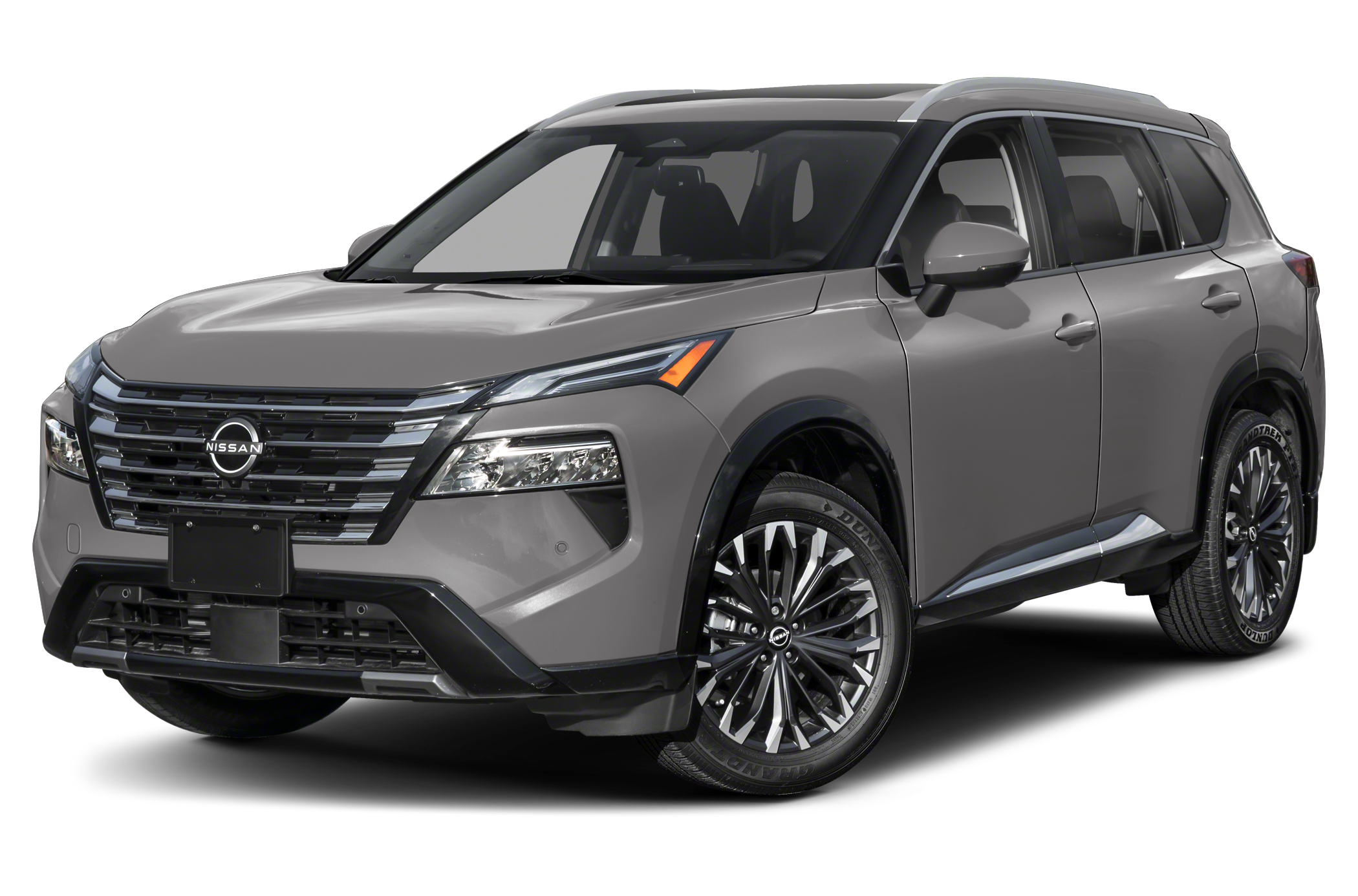
The 2026 Nissan Rogue isn’t just another compact SUV—it’s a statement wrapped in efficiency, innovation, and a bold reimagining of what a family hauler should be. But before you sign on the dotted line, let’s pull back the curtain on what it *really* costs to own one for half a decade. This isn’t just about sticker shock or fuel economy; it’s about the hidden currents beneath the surface—depreciation that whispers, maintenance that hums, and the silent erosion of value over time. Buckle up. We’re about to dissect the 2026 Nissan Rogue’s five-year total cost of ownership with the precision of a surgeon and the flair of a storyteller.
The Sticker Price: Where the Journey Begins
The 2026 Nissan Rogue enters the fray with a starting MSRP that hovers just above the $30,000 mark, a figure that feels almost too reasonable for a vehicle brimming with cutting-edge tech and safety suites. But don’t let the entry price lull you into complacency. Trim levels—like the SV, SL, and Platinum—unlock features that inflate the bottom line faster than a hot air balloon. All-wheel drive, leather upholstery, and a panoramic moonroof aren’t just luxuries; they’re silent budget busters. Factor in destination charges, dealer markups, and the inevitable “just one more option” impulse, and your starting tab could easily breach $40,000 before you’ve even turned the key.
Yet, here’s the twist: Nissan’s aggressive financing incentives and low APR deals might shave thousands off that number. The real question isn’t what you pay upfront—it’s what you’re left with when the odometer rolls past 60,000 miles.
Depreciation: The Silent Value Vampire
Depreciation is the great equalizer in the automotive world, and the 2026 Rogue is no exception. Compact SUVs typically lose 50% of their value within three years, but the Rogue’s resale market is a labyrinth of variables. Nissan’s reputation for reliability and the Rogue’s fresh redesign could soften the blow, but don’t expect miracles. Industry benchmarks suggest a five-year depreciation hit of 45-55%, meaning a $35,000 Rogue could be worth $16,000 by year five. That’s a $19,000 haircut—enough to fund a small vacation or a down payment on a newer model.
The Rogue’s hybrid variant, if available, might slow depreciation slightly, as eco-conscious buyers increasingly chase fuel-efficient options. But even then, the curve is steep. The key to mitigating this loss? Lease instead of buy. A 36-month lease with a low money factor could shield you from the bulk of the depreciation storm, leaving you free to upgrade when the next Rogue iteration arrives.
Fuel Economy: The Thrifty Engine’s Gambit
Nissan’s new turbocharged 1.5L engine promises a combined 30-32 MPG, a figure that sounds modest until you realize it’s paired with a continuously variable transmission (CVT) that’s been refined to near-silence. Over 15,000 miles a year, that’s roughly 500 gallons of fuel saved compared to a gas-guzzling V6 SUV. At today’s average gas prices ($3.50/gallon), that’s $1,750 in your pocket annually. Over five years, that’s $8,750—enough to cover a significant chunk of the Rogue’s depreciation.
But here’s the catch: real-world MPG rarely matches EPA estimates. Aggressive driving, idling in traffic, and cold-weather climates can slash efficiency by 15-20%. Hybrid models, if offered, could push those numbers higher, but their premium upfront cost might offset the savings. The Rogue’s fuel economy is a double-edged sword—sharp enough to cut costs, but not so dull it won’t nick your wallet if you’re careless.
Maintenance and Repairs: The Cost of Keeping the Wheels Turning
Nissan’s warranty is a fortress—three years/36,000 miles of bumper-to-bumper coverage and five years/60,000 miles on the powertrain. But warranties expire, and the Rogue’s maintenance schedule is no walk in the park. Oil changes every 7,500 miles, tire rotations every 5,000, and a timing belt replacement at 105,000 miles (if applicable) add up. Industry estimates peg annual maintenance costs at $500-$700, with higher expenses in years three and four as wear-and-tear items like brake pads and suspension components demand attention.
The Rogue’s CVT has improved over the years, but it remains a polarizing transmission. Some owners report flawless performance, while others face costly repairs north of $3,000. Extended warranties can mitigate this risk, but they’re an added expense—typically $1,200-$1,800 over five years. The choice is stark: pay now to avoid pain later, or roll the dice and hope luck is on your side.
Insurance: The Unseen Premium
Insuring a 2026 Nissan Rogue isn’t cheap, especially if you opt for comprehensive coverage with a low deductible. Compact SUVs sit in a sweet spot for thieves, and their safety ratings—while improved—aren’t elite. Expect annual premiums to range from $1,200 to $1,800, depending on your driving record, location, and coverage levels. Adding gap insurance in the first year could tack on another $300-$500, but it’s a small price to pay if your Rogue is totaled and you owe more than it’s worth.
The Rogue’s advanced driver-assistance systems (ADAS) like ProPILOT Assist and blind-spot monitoring might lower premiums slightly, but the savings are often offset by the higher cost of repairing these high-tech features. It’s a paradox: the more your Rogue knows, the more it costs to fix when it doesn’t.
Taxes, Fees, and the Fine Print
Sales tax, registration fees, and dealer documentation charges are the bureaucratic gremlins lurking in the shadows. In states with high sales tax (California, New York), you could owe an additional 8-10% of the purchase price. Registration fees vary wildly—$50 in some states, $500 in others. And don’t forget the “dealer fees,” those line items like “market adjustment” or “prep charge” that inflate your bill by $1,000 or more. These aren’t optional; they’re the cost of doing business in the automotive world.
The Rogue’s five-year tax burden—including annual registration renewals and property tax on the vehicle—could add another $2,000 to $4,000 to your total cost. It’s the price of legitimacy, the toll you pay to keep your Rogue legal and roadworthy.
The Grand Total: Crunching the Numbers
So, what’s the damage? Over five years, the 2026 Nissan Rogue’s total cost of ownership—factoring in depreciation, fuel, maintenance, insurance, and fees—lands somewhere between $35,000 and $50,000. The lower end assumes a base model, frugal driving habits, and a lease. The upper end? A fully loaded SV with AWD, premium fuel, and a few unexpected repairs. It’s a wide range, but that’s the nature of automotive ownership: the devil is always in the details.
Compare this to rivals like the Toyota RAV4 or Honda CR-V, and the Rogue holds its own. Its lower upfront cost and competitive fuel economy offset its higher depreciation and maintenance risks. But the real story isn’t in the numbers—it’s in the trade-offs. The Rogue offers a blend of affordability and innovation, but it demands vigilance. Skimp on maintenance, ignore the warranty, or drive like a maniac, and those five years will cost you dearly. Treat it right, and it might just treat you to a decade of reliable service.
The 2026 Nissan Rogue isn’t just a vehicle; it’s an investment in your daily life. Whether that investment pays off depends on how well you understand its hidden costs—and how willing you are to pay them. The road ahead is long, and the Rogue is ready to roll. The question is: are you?