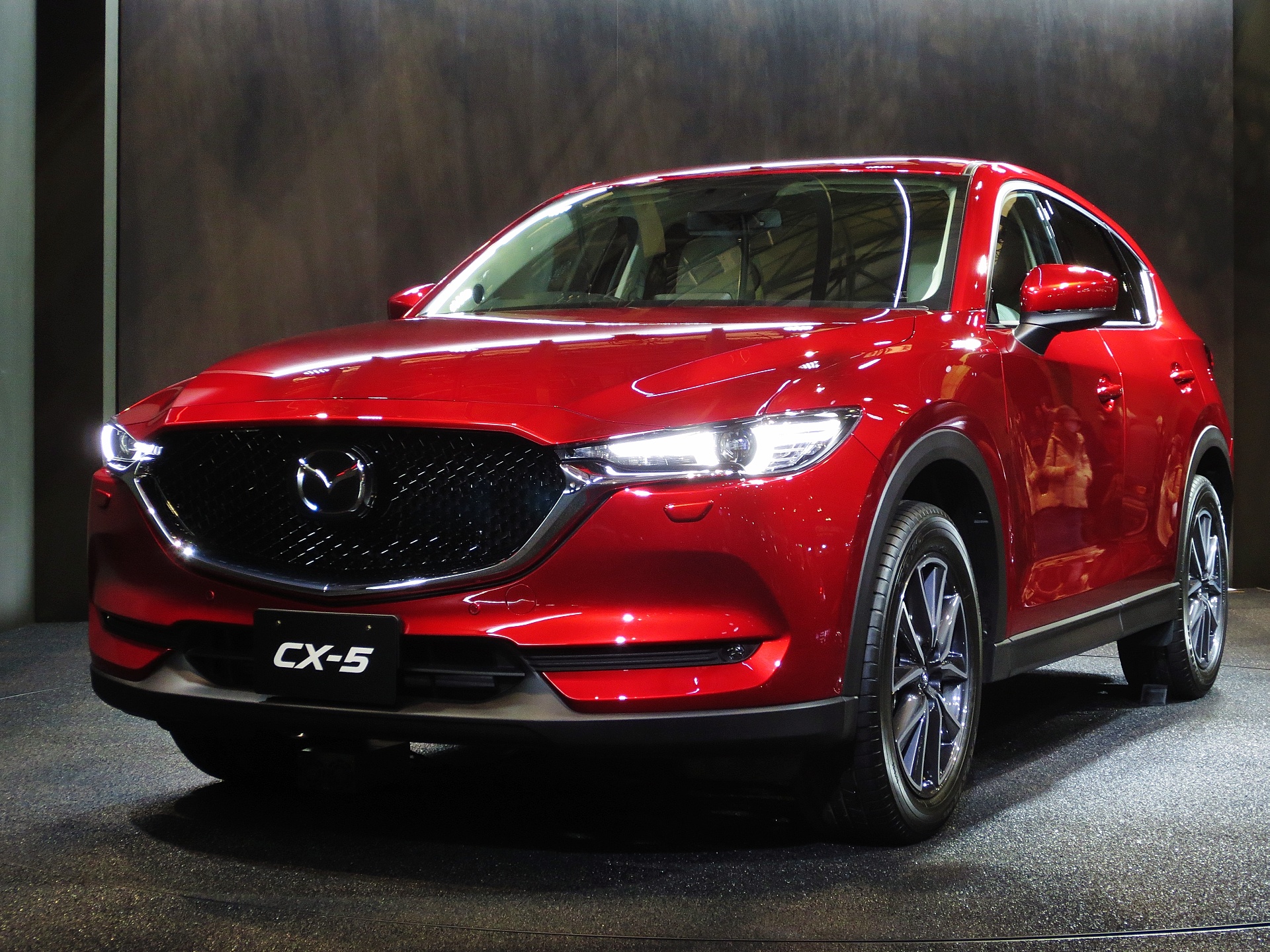
The first time many owners encounter the Mazda CX-90, it feels less like a new vehicle and more like a carefully composed argument for restraint. There’s a sense of intention in the design, an understated confidence in the materials, and a cabin atmosphere that invites longer stays than expected. Yet the question that follows every honeymoon phase is blunt: how does it hold up after the novelty fades? Long-term reliability can be hard to judge from showroom gloss, so the most meaningful answers arrive from those who have lived with the CX-90 through seasons, commuting rhythms, and the quiet indignities of daily use.
Owner reports about the CX-90 tend to circle one shared observation: many issues that do appear are often modest, intermittent, and frequently resolved by straightforward updates or routine service diligence. On paper, that might sound reassuring—but the fascination runs deeper. The vehicle’s dependability seems to be tied not only to component robustness, but also to how the CX-90 invites attentive ownership, rewarding proper maintenance with fewer surprises.
What Owners Mean by “Reliability” Over Time
Reliability is not a single number. Some drivers define it as “no drama,” while others measure it by the frequency of minor inconveniences—infotainment quirks, sensor moods, or the occasional annoying reminder message. In long-term owner narratives, you’ll often see a pattern: the CX-90 behaves like a mainstream modern SUV, not an appliance that never requires attention, but also not a machine that constantly demands negotiation.
Over months and into the second year, owners generally report a steady baseline. The engine and drivetrain typically remain predictable, and the cabin does not develop the kind of rattling that erodes confidence. Short sentences pop up repeatedly in reports: “It’s been solid.” “Nothing major.” “It keeps doing what it should.” Yet longer sentences reveal the nuance. Many drivers add that the vehicle feels composed at speed, and that the repairs they do encounter don’t tend to spiral into cascading problems.
Common Observations: Where Complaints Tend to Cluster
When dissatisfaction appears, it usually congregates in a few predictable regions. Owners sometimes mention software-related frustrations—infotainment responsiveness, connectivity behavior, or the occasional need for a system reset. These concerns are common across modern vehicles, but the CX-90’s reports often frame them as manageable rather than catastrophic.
Another cluster of chatter can involve driving comfort elements. Seats, climate control behavior, and ride refinement are usually praised, but some owners comment on how personal preferences shape perceived reliability. A vehicle that feels calm to one driver can seem slightly busy to another, especially across rough pavement. That difference isn’t a defect, but it can affect how seriously a minor issue is taken.
Importantly, owner accounts frequently note that any problems that do surface often correlate with conditions rather than inherent failure. Heat, cold snaps, specific phone models, and particular driving patterns can be the hidden variables. The underlying lesson is that long-term reliability isn’t only about what breaks—it’s about how often the system requires your attention to behave normally.
Deeper Reasons Behind Owner Fascination
Why do so many CX-90 owners sound genuinely captivated instead of merely satisfied? Part of it is the car’s temperament. The vehicle tends to feel “self-consistent,” meaning it communicates with the driver in a way that reduces guesswork. When a car is transparent—about engine load, braking behavior, and traction decisions—ownership feels less like risk management.
Owners also describe an almost artisanal refinement in everyday interactions. The throttle response may not feel like a blunt instrument. The steering often arrives with a measured cadence. Even when the road gets messy, the SUV maintains composure rather than transmitting chaos. That kind of behavior builds trust over time. Trust doesn’t eliminate defects, but it makes them easier to handle because drivers don’t feel like they’re constantly troubleshooting the machine.
There’s also a psychological dimension. People who choose a Mazda typically value a certain type of engineering philosophy: purposeful, driver-centric, and less obsessed with flashy complexity. Over long-term use, that mindset translates into more attentive servicing—fluid checks, timely inspections, and an unwillingness to postpone maintenance until problems become expensive mysteries.
Drivetrain Durability and Real-World Stress
Long-term reliability lives and dies with the drivetrain. Owner reports often indicate that the CX-90’s power delivery remains stable over extended mileage, with no widespread sense of sudden degradation. The engine character usually stays coherent, and transmission behavior tends to be described as smooth once any early learning period has passed.
However, the most credible accounts also mention usage. Drivers who combine highway cruising with thoughtful warm-up routines often report fewer irritations than those who treat the vehicle like a jump-started race car at every ignition. That distinction matters. Modern drivetrains are sophisticated, but they are still physical systems that respond to temperature cycles and driving patterns.
When towing or carrying heavy loads, some owners emphasize that sensible driving strategies help preserve composure—maintaining appropriate speeds, monitoring engine strain, and avoiding abrupt throttle transitions. The SUV responds well to that kind of respect, and that responsiveness becomes part of the long-term relationship.
Infotainment, Electronics, and the Software Life Cycle
Electronics are the realm where modern reliability conversations get complicated. Owners sometimes notice delays in Bluetooth pairing, occasional touchscreen sluggishness, or minor navigation oddities. Yet the tone of many reports is pragmatic: updates usually help, and dealership interventions—when needed—are typically limited and finite.
Long-term fascination often stems from how quickly the vehicle can be “re-aligned” to normal behavior. A simple recalibration or software update can return systems to a more agreeable posture. In a world where some vehicles develop chronic electronic uncertainty, the CX-90’s reputation in owner circles often reads like relief: problems, when they happen, are less likely to become lifelong companions.
Owners also mention the importance of keeping app versions and phone firmware current. That sounds mundane, but in practice it can be the difference between a functional daily driver and an endless loop of pairing retries.
Interior Longevity: Materials, Fit, and Quiet Wear
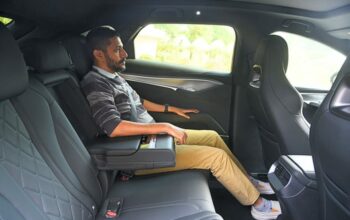
Reliability isn’t only mechanical. The interior’s capacity to age gracefully is a form of durability you can feel every day. Owners often highlight the CX-90’s cabin stability: surfaces hold up, controls remain firm, and the overall sense of alignment persists.
Noise behavior is another quiet metric. Many drivers report no escalating rattle pattern, which is a meaningful victory for families who spend hours in motion. Short trips may mask problems, but long commutes reveal the truth. Owner narratives frequently suggest that the CX-90 avoids the “creak and shiver” trajectory that some competing SUVs develop as mounts loosen with time.
Climate-related wear is also discussed. Seats and trim tend to handle temperature swings without becoming unpleasant or sticky. The cabin feels ready for both winter errands and summer road trips, and that resilience contributes to the car’s lasting appeal.
Maintenance Habits and the “Preventative Confidence” Effect
Reliability often correlates with how a vehicle is cared for, and owner reports reflect that. Drivers who keep service intervals, use recommended fluids, and don’t ignore early warning indicators tend to write about smoother long-term experiences.
Some owners describe the CX-90 as a vehicle that “tells the truth” through its dashboard signals. That honesty discourages procrastination. It’s a subtle advantage: catching issues early is not glamorous, but it prevents escalation. Maintenance becomes less of a chore and more of a protective ritual.
Even when a repair is needed, owners often report that it is handled efficiently and doesn’t become a recurring saga. That repeatability—repairs that don’t echo endlessly—is one of the most underappreciated forms of reliability.
What to Expect as Miles Accumulate
Over time, every vehicle develops a relationship with its mileage. Tires wear, brake feel changes, and fluids require attention. In owner reports, the CX-90 tends to show predictable wear patterns rather than chaotic deterioration. The SUV remains usable in the way a well-planned tool remains useful: reliable enough that your mind drifts back to the road rather than the machine.
Some long-term drivers mention that the early years shape perceptions. If the first stretches of ownership pass without recurring anomalies, confidence grows. That confidence then changes driving behavior—less stress, smoother pacing, fewer reactive decisions that can compound wear.
And here lies the deeper fascination again: the CX-90 doesn’t merely survive its timeline. It sustains a feeling of steadiness, which makes the vehicle more than transport. It becomes a dependable partner in daily life, one that doesn’t demand constant reassurance.
Owner Guidance: How to Maximize Long-Term Reliability
If long-term reliability is a goal, owner reports implicitly suggest a few practical strategies. First, keep software updated and troubleshoot infotainment issues early rather than letting them simmer. Second, respect warm-up and cooling cycles, especially in harsh climates. Third, service on schedule, and don’t treat warning messages as optional theater.
Also consider driving style. Smooth transitions help reduce strain and make drivetrain behavior more consistent. If you tow or carry loads, follow the manufacturer’s guidance and avoid aggressive throttle habits when the engine is already under demand.
Finally, be attentive to small changes. Rattles that appear early can often be prevented from becoming stubborn. A vehicle that is listened to tends to remain comprehensible.
Conclusion: The Reliability Story Behind the CX-90
Long-term Mazda CX-90 reliability, as reflected in owner reports, tends to read as grounded optimism. The vehicle is not immune to the quirks of modern engineering, but it seldom feels brittle. Problems—when they arise—often look solvable, and recurring catastrophes appear less frequently than you might expect from the turbulence of today’s automotive technology.
What truly hooks owners, though, is the broader sensation of coherence. The CX-90 often behaves like a thoughtfully managed system rather than a collection of compromises. That coherence turns maintenance into prevention, repairs into resolution, and daily commuting into something closer to calm companionship.
In the end, reliability isn’t just about avoiding breakdowns. It’s about how steadily a vehicle earns your trust as the months accumulate and the calendar keeps moving. The Mazda CX-90 seems, for many owners, to meet that test—quietly, consistently, and with enough composure to make people look forward to the drive tomorrow.