The electric crossover segment is heating up like a freshly charged battery pack on a cold winter’s morning. Three titans—Kia EV6, Hyundai Ioniq 5, and Volkswagen ID.4—are locked in a spirited duel for supremacy, each offering a distinct blend of style, technology, and driving dynamics. Whether you crave futuristic design, unbridled performance, or practicality wrapped in a family-friendly package, this trio delivers. Buckle up as we dissect what makes each of these electric crossovers a compelling choice, and why one might just electrify your next car purchase.
The Design Philosophy: From Futuristic to Family-Friendly
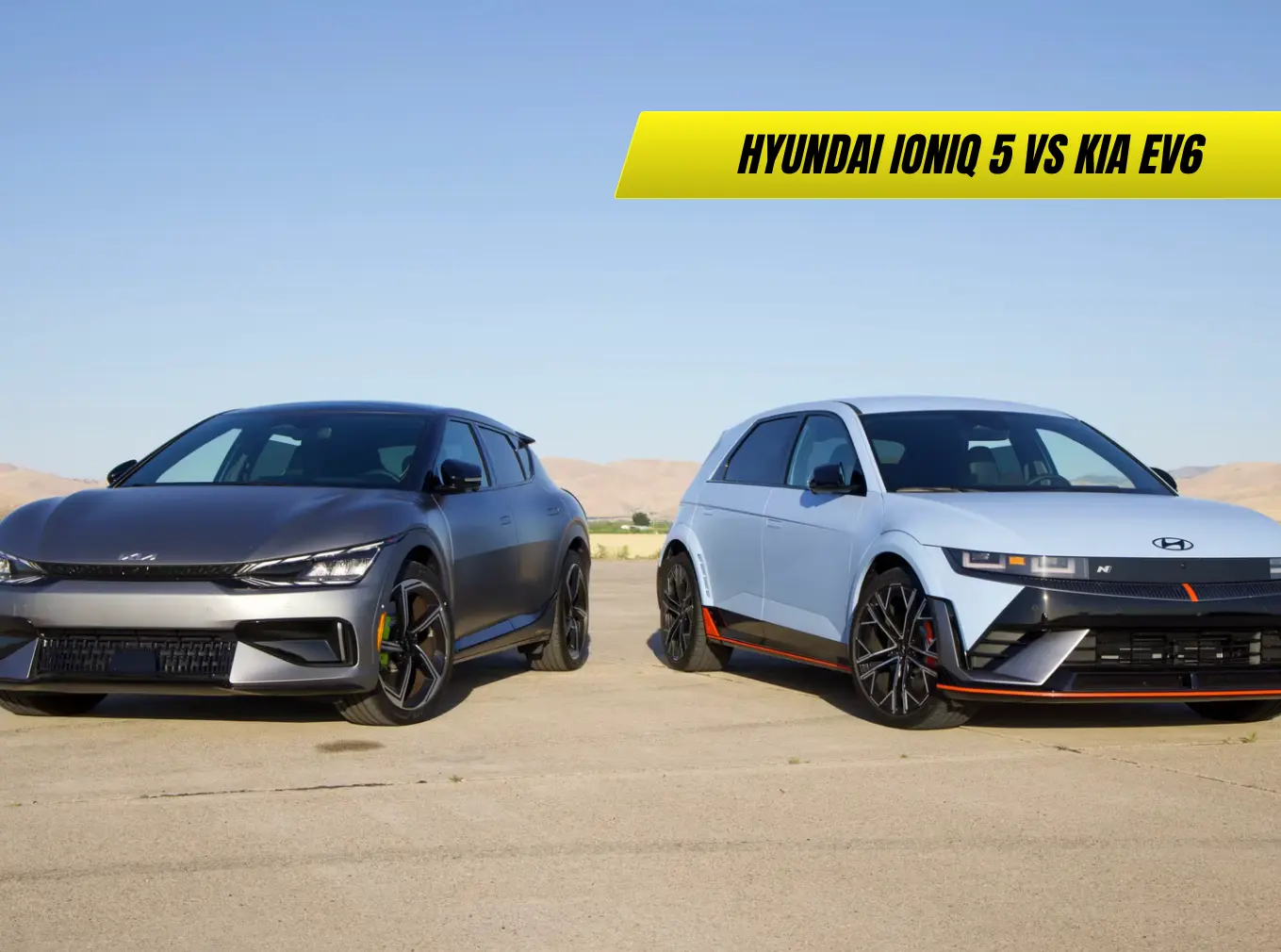
The Kia EV6 strides into the spotlight with a design that feels plucked from a sci-fi flick. Its sharp, angular lines and pixelated LED lighting create a bold, almost aggressive aesthetic that turns heads at every charging station. The EV6’s fastback silhouette isn’t just for show—it’s aerodynamically optimized, reducing drag and extending range. Inside, the cabin is a minimalist’s dream, dominated by a dual 12.3-inch curved display that floats seamlessly across the dashboard, evoking the ambiance of a high-tech spaceship.
In contrast, the Hyundai Ioniq 5 leans into retro-futurism, drawing inspiration from the iconic Hyundai Pony of the 1970s. Its boxy, retro-inspired shape is a love letter to automotive history, but the execution is undeniably modern. The clamshell hood, slim pixelated tail lights, and flush door handles give it a timeless yet cutting-edge appeal. The interior is a masterclass in retro-modern fusion, with a two-tone color scheme, vintage-inspired air vents, and a massive 12.3-inch touchscreen that swivels for passenger use—a quirky yet thoughtful touch.
The Volkswagen ID.4, on the other hand, adopts a more understated, utilitarian approach. Its rounded, SUV-like silhouette is designed to appeal to the masses, prioritizing practicality over avant-garde styling. The ID.4’s interior is airy and spacious, with a clean, uncluttered dashboard featuring a 5.3-inch digital instrument cluster and a 10-inch infotainment screen. While it lacks the EV6’s futuristic flair or the Ioniq 5’s retro charm, the ID.4’s design exudes a quiet confidence, making it the ideal choice for those who prefer subtlety over spectacle.

Performance and Driving Dynamics: The Need for Speed (or Not)
If you’re chasing adrenaline, the Kia EV6’s performance will leave you breathless. With up to 577 horsepower in its GT guise, it accelerates from 0-60 mph in a scant 3.4 seconds—faster than many gasoline-powered sports cars. The EV6’s dual-motor all-wheel-drive system delivers instant torque, while its 800-volt architecture enables ultra-fast charging, replenishing 80% of its battery in just 18 minutes. The handling is razor-sharp, with a low center of gravity and precise steering that makes it feel like it’s on rails.
The Hyundai Ioniq 5 offers a more balanced performance profile, with up to 320 horsepower in its AWD configuration. Its e-GMP platform, shared with the EV6, ensures brisk acceleration and responsive handling, though it’s slightly more subdued than the EV6’s GT variant. The Ioniq 5’s ride is surprisingly supple, absorbing road imperfections with ease, while its regenerative braking system allows for one-pedal driving—a feature that takes some getting used to but becomes addictive once mastered.
The Volkswagen ID.4 is the tortoise in this race, prioritizing comfort and efficiency over outright speed. With up to 295 horsepower in its GTX trim, it’s no slouch, but it’s designed for relaxed cruising rather than track-day thrills. The ID.4’s ride is plush and quiet, with a suspension tuned for long-distance comfort. Its regenerative braking is less aggressive than the Ioniq 5’s, making it a better fit for those transitioning from traditional internal combustion engines.
Range, Charging, and Practicality: The Real-World Considerations
Range anxiety is a thing of the past with these three crossovers, but their capabilities vary significantly. The Kia EV6 leads the pack with a WLTP-estimated range of up to 328 miles, thanks to its 77.4 kWh battery. The Hyundai Ioniq 5 offers up to 315 miles, while the Volkswagen ID.4 tops out at 275 miles. Real-world range will vary based on driving conditions, but all three should comfortably cover most daily commutes without requiring frequent charging stops.
Charging infrastructure is where the EV6 truly shines. Its 800-volt architecture allows for blisteringly fast charging at compatible stations, while the Ioniq 5’s 800-volt system is nearly as capable. The ID.4, with its 400-volt platform, is limited to 125 kW charging, which is still impressive but not as future-proof as the other two. All three vehicles support DC fast charging, but the EV6 and Ioniq 5 can take advantage of next-gen charging networks, making them better equipped for long road trips.
Practicality is another area where these crossovers excel. The EV6 and Ioniq 5 offer ample cargo space—24.4 and 27.2 cubic feet, respectively—with the Ioniq 5’s flat-folding rear seats adding versatility. The ID.4, with its more traditional SUV shape, provides 30.3 cubic feet of cargo space, making it the most practical choice for families or those with larger hauling needs. All three vehicles offer comfortable seating for five, though the ID.4’s higher roofline gives it a slight edge in headroom.

Technology and Infotainment: The Digital Experience
The Kia EV6’s infotainment system is a marvel of modern engineering, featuring a dual 12.3-inch curved display that blends seamlessly into the dashboard. The system runs on Kia’s latest software, offering wireless Apple CarPlay and Android Auto, a 14-speaker Meridian sound system, and advanced driver-assistance features like Highway Driving Assist 2. The EV6 also supports over-the-air updates, ensuring its software stays fresh long after purchase.
The Hyundai Ioniq 5’s infotainment setup is equally impressive, with a 12.3-inch touchscreen that can rotate 180 degrees for rear-seat passengers. The system includes a 12.3-inch digital instrument cluster, wireless charging, and a suite of advanced safety features like Blind-Spot Collision-Avoidance Assist. The Ioniq 5’s user interface is intuitive, with customizable widgets and a minimalist design that reduces distraction.
The Volkswagen ID.4’s infotainment system is more conventional but still highly capable. It features a 10-inch touchscreen with a 5.3-inch digital instrument cluster, running on VW’s latest MIB3 software. The system supports wireless Apple CarPlay and Android Auto, though it lacks the EV6 and Ioniq 5’s advanced driver-assistance features. The ID.4’s interface is clean and straightforward, making it easy to use even for tech novices.
Price and Value: Which Crossover Delivers the Best Bang for Your Buck?
Pricing is where these crossovers diverge the most. The Kia EV6 starts at around $42,600, while the Hyundai Ioniq 5 begins at $41,800. Both offer excellent value for money, with generous standard features and competitive pricing. The Volkswagen ID.4, starting at $38,995, is the most affordable of the three, though its base model lacks some of the premium features found in the EV6 and Ioniq 5.
When comparing trims, the EV6’s GT model, priced at $61,600, is the most expensive but also the most powerful. The Ioniq 5’s Limited trim, at $50,800, offers a balanced mix of performance and luxury, while the ID.4’s Pro S trim, at $46,255, provides a comfortable, well-equipped package at a lower price point. All three vehicles qualify for federal tax credits, further sweetening the deal.
Value isn’t just about price—it’s about what you get for your money. The EV6 and Ioniq 5 offer more advanced technology, faster charging, and sportier handling, while the ID.4 provides a more traditional SUV experience with a lower entry price. Your choice ultimately depends on whether you prioritize performance, practicality, or affordability.
The Verdict: Which Crossover Should You Choose?
If you’re a performance enthusiast who craves cutting-edge technology and futuristic design, the Kia EV6 is the clear winner. Its blistering acceleration, ultra-fast charging, and head-turning aesthetics make it a standout in the electric crossover segment. The EV6 is ideal for those who want to make a statement and enjoy driving.
For those who appreciate a blend of retro charm and modern innovation, the Hyundai Ioniq 5 is a compelling choice. Its unique design, spacious interior, and advanced features make it a joy to own and drive. The Ioniq 5 is perfect for buyers who want something different without sacrificing practicality.
If you’re looking for a more traditional, family-friendly electric SUV, the Volkswagen ID.4 is the way to go. Its comfortable ride, spacious cabin, and lower price point make it an excellent choice for everyday use. The ID.4 is ideal for those transitioning from gasoline-powered vehicles or who prioritize practicality over performance.
The electric crossover market has never been more exciting, with the Kia EV6, Hyundai Ioniq 5, and Volkswagen ID.4 offering something for every type of buyer. Whether you’re drawn to the EV6’s performance, the Ioniq 5’s retro-futurism, or the ID.4’s practicality, one thing is certain: the future of driving is here, and it’s electric.