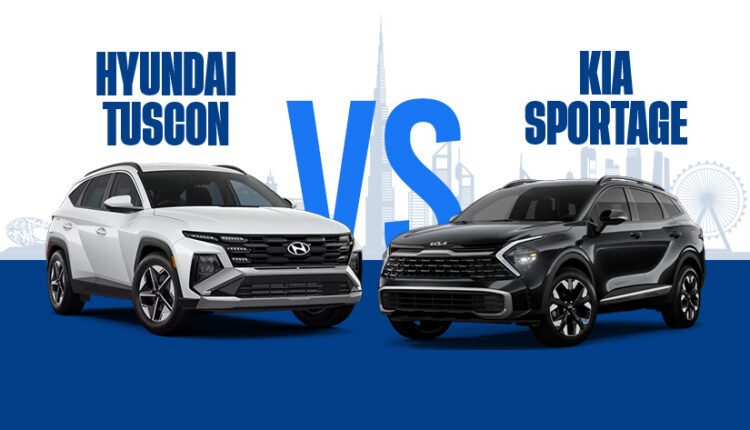
In the bustling world of compact SUVs, two names stand out like twin constellations in the night sky—Kia Sportage and Hyundai Tucson. They share more than just a showroom floor; they share DNA, engineering philosophies, and a sibling rivalry that has captivated car enthusiasts for years. To the casual observer, they might appear as mere variations on a theme, but beneath their sleek exteriors lies a fascinating tale of automotive kinship and subtle divergence. Why does this rivalry fascinate us so deeply? Perhaps it’s the allure of choice in an era where options abound, or the thrill of uncovering the nuances that set these mechanical twins apart. Whatever the reason, the Sportage and Tucson deserve a closer look.
The Genesis of Twin Titans: Shared Roots and Distinct Paths
The Kia Sportage and Hyundai Tucson aren’t just siblings—they’re fraternal twins born from the same parentage, the Hyundai Motor Group. This shared lineage means they often ride on the same platforms, borrow engines, and even share infotainment systems. Yet, where one sibling leans toward rugged sophistication, the other tilts toward urban refinement. The Sportage, with its bold grille and angular headlights, exudes a sportier demeanor, while the Tucson’s sculpted curves and understated elegance whisper of quiet confidence. This dichotomy isn’t accidental; it’s a deliberate strategy to cater to different tastes without straying from their core identity.
Their mechanical underpinnings are nearly identical, with both models offering a choice of turbocharged four-cylinder engines and available all-wheel drive. However, the tuning of these powertrains differs subtly. The Sportage often prioritizes a more responsive throttle and a sport-tuned suspension, while the Tucson favors a smoother ride and quieter cabin. This divergence in character is what makes the rivalry so intriguing—it’s not just about which SUV is better, but which one aligns more closely with the driver’s personality.

Design Philosophy: Where Bold Meets Balanced
The exterior design of these SUVs is where their personalities truly shine. The Kia Sportage embraces a futuristic, almost aggressive stance, with its pixelated grille and sharp LED lighting that resembles a digital display. It’s a design that commands attention, as if daring the road to challenge it. The Tucson, on the other hand, adopts a more organic approach, with flowing lines and a sculpted silhouette that evoke a sense of effortless grace. Its front fascia is less confrontational, favoring a harmonious blend of curves and creases that appeal to those who prefer subtlety over spectacle.
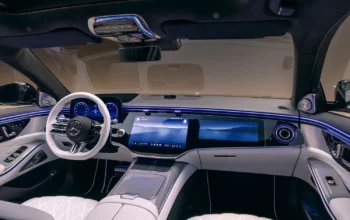
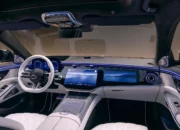
Inside, the differences become even more pronounced. The Sportage’s cabin is a study in minimalism, with a dual-curved display that dominates the dashboard and tactile buttons that hark back to a bygone era of analog control. The Tucson, meanwhile, opts for a more traditional layout, with a horizontal infotainment screen and a dashboard that feels more familiar to drivers accustomed to conventional layouts. Yet, both interiors share a commitment to high-quality materials, with available leather upholstery, ambient lighting, and ergonomic seating that cradle occupants in comfort.

Performance and Driving Dynamics: The Thrill of the Road
Behind the wheel, the Sportage and Tucson reveal their true identities. The Sportage’s sport-tuned suspension and sharper steering make it feel more agile, as if it’s eager to tackle twisty roads with glee. Its turbocharged engine delivers punchy acceleration, and the available all-wheel-drive system ensures confidence in slippery conditions. The Tucson, while no slouch, prioritizes a more composed ride. Its suspension is tuned for comfort, absorbing road imperfections with ease, and its steering is lighter, making it feel more at home in urban environments. This isn’t to say the Tucson is dull—far from it. It’s a master of efficiency, with a transmission that shifts seamlessly and an engine that hums quietly in the background, allowing the driver to focus on the journey rather than the mechanics.
For those who crave performance, the Sportage’s available hybrid powertrain offers a compelling blend of power and efficiency. The Tucson, too, offers a hybrid option, but it’s tuned more for fuel economy than outright speed. This difference in approach highlights the core philosophy of each brand: Kia leans into excitement, while Hyundai emphasizes practicality. Yet, both deliver a driving experience that’s engaging enough to keep enthusiasts coming back for more.
Technology and Innovation: The Digital Frontier
In an era where technology defines the driving experience, both the Sportage and Tucson offer a suite of advanced features designed to enhance convenience and connectivity. The Sportage’s dual-curved display is a marvel of modern engineering, offering crisp graphics and intuitive controls. It’s paired with Kia’s latest infotainment system, which supports wireless Apple CarPlay and Android Auto, as well as a host of driver-assistance features like adaptive cruise control and lane-keeping assist. The Tucson, while not as visually striking, doesn’t skimp on functionality. Its horizontal touchscreen is equally responsive, and Hyundai’s Blue Link system provides seamless integration with smart devices, allowing drivers to remotely start the engine, lock the doors, or even check the vehicle’s status from their smartphone.
One area where the Tucson shines is in its available augmented reality navigation system. Using the car’s camera, it projects directional arrows onto the real-world view through the windshield, making it easier to navigate unfamiliar roads. The Sportage counters with a more traditional heads-up display, which projects key information like speed and navigation cues onto the windshield. Both systems have their merits, but they cater to different preferences—one for the tech-savvy explorer, the other for the driver who values clarity and simplicity.
Practicality and Space: The Unsung Heroes
Compact SUVs are often praised for their style, but their true value lies in their practicality. Both the Sportage and Tucson offer ample cargo space, with the Sportage providing a slightly larger trunk at 605 liters compared to the Tucson’s 558 liters. However, the Tucson makes up for it with clever storage solutions, such as under-floor compartments and foldable rear seats that create a flat load floor. The Sportage, meanwhile, excels in rear legroom, offering more space for passengers to stretch out, making it a better choice for families or taller drivers.
Inside, the Tucson’s cabin feels more spacious due to its higher roofline and wider body, which creates a sense of openness. The Sportage, with its lower stance, might feel more intimate, but it also offers a more commanding driving position. Both SUVs are available with panoramic sunroofs, which flood the cabin with natural light and create an airy atmosphere. Whether you prioritize cargo capacity or passenger comfort, these twins have you covered.
Value Proposition: The Cost of Choice
Price is often the deciding factor in the battle between the Sportage and Tucson. The Sportage typically starts at a slightly lower price point, making it an attractive option for budget-conscious buyers. However, the Tucson often comes with more standard features, such as advanced safety tech and premium upholstery, which can justify its higher starting price. Resale value is another consideration, with both models holding their worth well, but the Tucson has a slight edge due to its reputation for reliability and lower maintenance costs.
For those willing to splurge, both SUVs offer well-equipped trims that include features like ventilated seats, a premium sound system, and a hands-free power liftgate. The Sportage’s higher trims lean into sportiness with sport-tuned suspensions and larger alloy wheels, while the Tucson’s top trims focus on luxury, with features like Nappa leather upholstery and a surround-view monitor. Ultimately, the choice comes down to what you value most—performance and affordability, or comfort and refinement.
The rivalry between the Kia Sportage and Hyundai Tucson is more than just a tale of two SUVs—it’s a reflection of the modern car buyer’s dilemma. Do you want a vehicle that excites, or one that soothes? A machine that commands attention, or one that blends seamlessly into the background? There’s no wrong answer, only the satisfaction of knowing that whichever path you choose, you’re getting a vehicle that’s been crafted with care, innovation, and a touch of sibling rivalry. In the end, the real winner isn’t the Sportage or the Tucson—it’s the driver who gets to experience the best of both worlds.