The modern automotive landscape is a sprawling mosaic of choices, each segment offering its own blend of practicality, performance, and personality. When stepping into the Kia showroom—or scrolling through their digital showroom—you’re not just selecting a vehicle; you’re curating an experience. The decision between an SUV, sedan, hybrid, or electric vehicle (EV) transcends mere transportation; it’s a reflection of lifestyle, values, and even environmental consciousness. This guide dissects these categories with surgical precision, illuminating the nuances that will help you make an informed, confident choice.
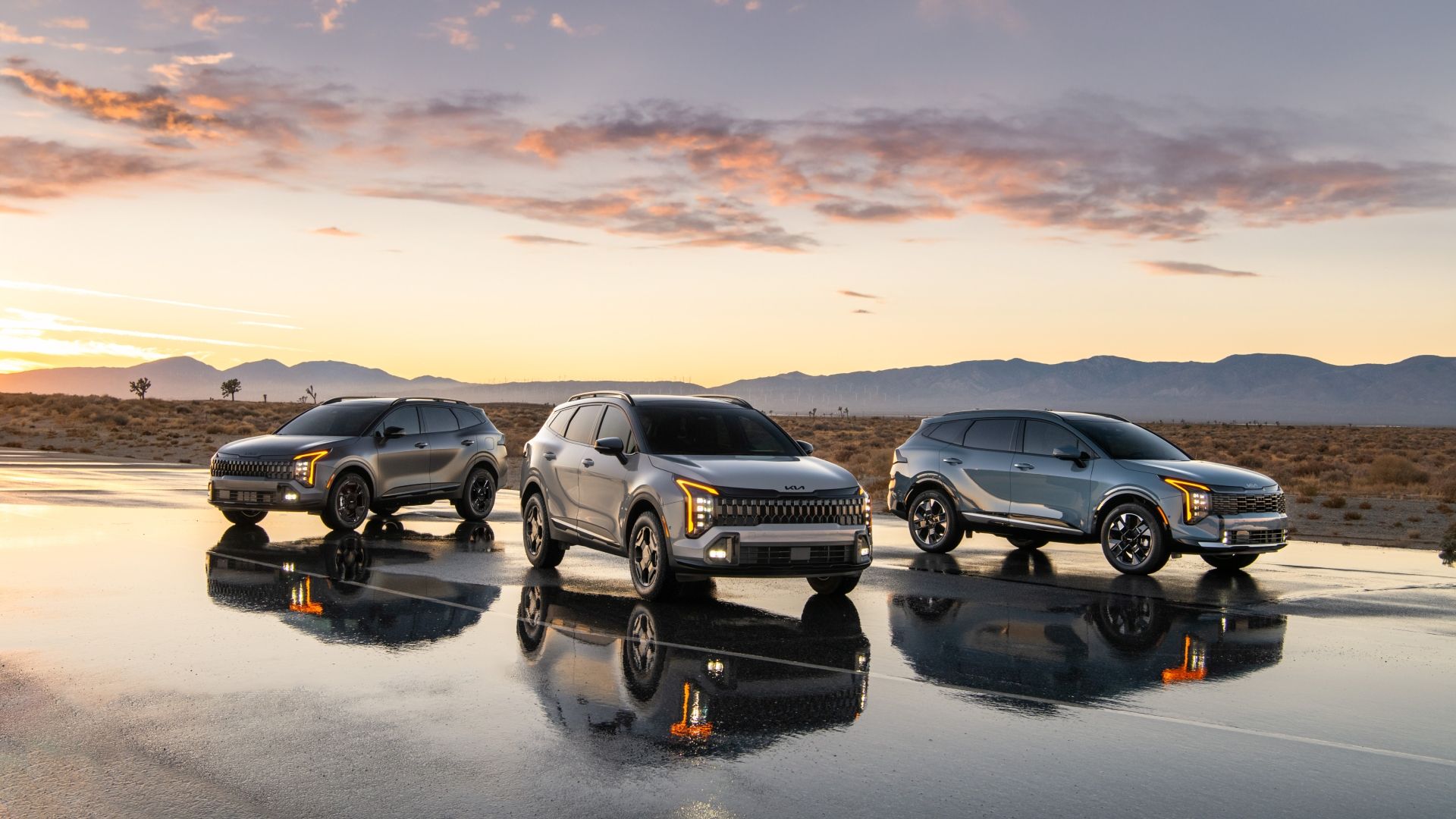
The Rugged Allure of SUVs: Space, Versatility, and Commanding Presence
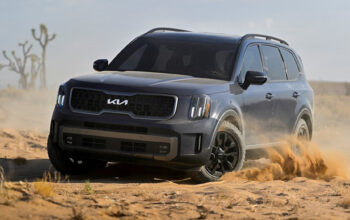
SUVs are the titans of the road, blending the robustness of off-road machinery with the comfort of daily commuting. Their elevated ride height grants a commanding view of the asphalt, while the spacious interiors—often with foldable rear seats—transform them into mobile storage units for everything from groceries to weekend gear. Kia’s lineup, from the compact Seltos to the midsize Sportage, exemplifies this versatility. The Sportage, for instance, offers available all-wheel drive, making it a year-round companion whether you’re navigating snow-dusted streets or sunbaked highways.
But SUVs aren’t just about utility; they’re about attitude. The boxy silhouette of a Telluride or the sleek, coupe-like lines of a EV9 project a bold aesthetic that sedans and hatchbacks often can’t match. For families, the third-row seating in models like the Telluride turns errands into adventures, while the available panoramic sunroof bathes the cabin in natural light. If your life demands adaptability—whether it’s hauling a stroller, a mountain bike, or a week’s worth of luggage—an SUV is the Swiss Army knife of vehicles.
The Timeless Elegance of Sedans: Efficiency Meets Refinement
Sedans are the unsung heroes of the automotive world, offering a harmonious balance of efficiency, comfort, and understated sophistication. Kia’s K5 and Optima (where available) are prime examples, with their sleek profiles and meticulously crafted cabins. The sedan’s lower center of gravity translates to nimble handling, making it ideal for urban dwellers who prioritize agility over cargo space. Fuel economy is another hallmark; sedans often sip gasoline with far more restraint than their bulkier counterparts.
Inside, sedans exude a sense of quiet luxury. The available leather-trimmed seats, ambient lighting, and advanced infotainment systems in Kia’s sedan lineup create an oasis of calm amidst the chaos of daily life. For those who log long hours behind the wheel, the sedan’s refined ride quality—soft suspension tuning and minimal road noise—can turn a grueling commute into a serene interlude. And let’s not overlook the parking advantage: sedans glide into tight spots with ease, a boon in congested cities where space is at a premium.
The Hybrid Revolution: Bridging Performance and Sustainability
Hybrids are the chameleons of the automotive world, seamlessly blending internal combustion engines with electric motors to deliver a driving experience that’s both exhilarating and eco-conscious. Kia’s Niro Hybrid and Sportage Hybrid are poster children for this technology, offering the best of both worlds: the instant torque of an electric motor for zippy acceleration, coupled with the range-extending reliability of a gasoline engine. The result? A vehicle that sips fuel during city driving but never leaves you stranded on a cross-country road trip.
The magic of hybrids lies in their regenerative braking systems, which capture energy during deceleration and feed it back into the battery. This not only improves efficiency but also reduces wear on brake pads, extending their lifespan. For commuters stuck in stop-and-go traffic, a hybrid can feel like a perpetual motion machine—constantly recycling energy while minimizing emissions. And with Kia’s commitment to hybrid technology, you’re not just buying a car; you’re investing in a greener future without sacrificing performance.

The Electric Leap: EVs as the Ultimate Expression of Innovation
Electric vehicles represent the frontier of automotive evolution, where zero emissions meet cutting-edge technology. Kia’s EV6 and EV9 are testaments to this shift, offering instantaneous acceleration, whisper-quiet cabins, and the thrill of driving a machine that’s always “on.” The absence of a traditional engine means more interior space—no transmission tunnel, no bulky powertrain—allowing for creative layouts like the EV6’s sliding center console or the EV9’s lounge-like third row.
Charging infrastructure is the linchpin of EV adoption, and Kia has made strides with its UVO Connect system, which integrates with public charging networks to locate stations and pre-condition the battery for optimal performance. For homeowners with a garage, overnight charging turns the EV into a self-replenishing energy hub. And let’s not forget the environmental dividend: driving an EV means zero tailpipe emissions, a tangible contribution to cleaner air and a healthier planet. Of course, range anxiety is a valid concern, but with Kia’s expanding lineup and improving battery technology, even long-distance travel is becoming less daunting.
Decoding the Jargon: What Matters Most in Your Decision
Navigating the sea of specifications can feel like deciphering an alien language. Terms like “torque vectoring,” “regenerative braking,” and “MPGe” (miles per gallon equivalent) are thrown around with abandon, but what do they actually mean for your driving experience? Torque vectoring, for example, refers to a system that distributes power to individual wheels for sharper cornering, a feature that turns a mundane grocery run into a spirited drive. Regenerative braking, as mentioned earlier, is the secret sauce that makes hybrids and EVs more efficient by recapturing energy.
MPGe is the metric that levels the playing field between EVs and gasoline vehicles, allowing you to compare the energy efficiency of a fully electric Kia EV6 (which might achieve 112 MPGe) with a hybrid Niro (which could hit 50 MPGe). Then there’s torque, the force that propels you forward. Electric motors deliver peak torque instantly, which is why EVs feel so responsive off the line. Gasoline engines, on the other hand, often require revving to reach their power band. Understanding these terms empowers you to cut through the marketing fluff and focus on what truly enhances your driving experience.
Tailoring Your Choice to Your Lifestyle: A Practical Framework
Choosing between an SUV, sedan, hybrid, or EV isn’t just about specs—it’s about aligning the vehicle with your daily rhythm. Are you a city dweller who battles rush-hour traffic? A hybrid or compact sedan might be your ideal companion, offering efficiency without sacrificing maneuverability. Do you frequently embark on family road trips? An SUV with third-row seating and available all-wheel drive could be the answer. For the eco-conscious tech enthusiast, an EV provides a glimpse into the future of transportation, complete with over-the-air software updates and advanced driver-assistance systems.
Budget is another critical factor. While EVs often carry a higher upfront cost, incentives like federal tax credits or state rebates can significantly offset the price. Hybrids, meanwhile, offer a middle ground, with lower fuel expenses and often more affordable sticker prices than their fully electric counterparts. Sedans and SUVs span a wide price range, from budget-friendly models like the Rio to premium offerings like the Telluride SX Prestige. Consider not just the purchase price but also long-term costs like insurance, maintenance, and depreciation.
The Road Ahead: Future-Proofing Your Purchase
The automotive industry is evolving at a breakneck pace, with new technologies and regulations reshaping the landscape almost daily. Kia’s commitment to electrification means that even if you’re not ready for an EV today, the brand’s hybrid and plug-in hybrid options provide a bridge to tomorrow. The rise of autonomous driving features—like Kia’s Highway Driving Assist—also hints at a future where your vehicle handles more of the driving, freeing you to focus on the journey rather than the road.
Sustainability is no longer a niche concern but a global imperative. Kia’s goal of achieving carbon neutrality by 2045 aligns with the values of environmentally conscious buyers. Whether you opt for a hybrid’s incremental improvements or an EV’s zero-emission promise, you’re contributing to a larger movement toward greener transportation. And with Kia’s extensive warranty coverage—including a 10-year/100,000-mile powertrain warranty—you’re investing in peace of mind as much as performance.
The perfect Kia for you is out there, waiting to become an extension of your identity. Whether it’s the commanding presence of an SUV, the refined poise of a sedan, the duality of a hybrid, or the electrifying promise of an EV, each category offers a unique pathway to automotive bliss. The key is to listen to your instincts, crunch the numbers, and trust that the right choice will reveal itself—not just in the showroom, but on the open road.