The automotive world is no longer a binary battlefield of gas-guzzlers versus silent gliders. Today, the showroom floor resembles a financial chessboard where every move—hybrid knight, electric bishop, or gasoline rook—reshapes your monthly ledger and the planet’s thermostat. Choosing between a Kia gas engine, a hybrid whisper, or a full-electric surge isn’t just about horsepower or zero-emission bragging rights; it’s about deciphering a three-headed hydra of upfront sticker shock, midlife fuel bills, and long-term resale whispers. Let’s unfurl the hood on each powertrain, translate the jargon into plainspoken savings, and uncover the hidden metaphors that make one choice feel like boarding a spaceship while another feels like hitching a ride on a vintage steam locomotive. Buckle up—the ride to fiscal clarity is about to begin.
The Gasoline Dynamo: A Symphony of Simplicity and Sunk Costs
Picture the internal-combustion engine as a seasoned jazz musician—reliable, loud, and endlessly improvisational. Every fill-up is a standing ovation for the oil derricks of Texas and Saudi Arabia, a transaction that feels as familiar as swiping a credit card at the pump. The Kia gas lineup, from the sporty Forte to the family-hauling Telluride, delivers that unmistakable thrum of pistons in perfect chaos, a mechanical ballet that asks for nothing more than a periodic oil change and the occasional spark-plug serenade. Yet beneath the hood’s rhythmic thumping lies a financial undertow: gasoline is the world’s most liquid carbon currency, and every gallon is a silent withdrawal from your checking account.
Consider the long game. A 2024 Kia Sportage with a 2.5-liter four-cylinder drinks roughly 26 mpg on the highway. If you log 15,000 miles annually and face an average pump price of $3.60, you’re writing a $2,077 check to Big Oil every twelve months. Multiply that by five years—$10,385—before you even whisper “depreciation.” Resale values for gas Kias still hold a sturdy 45 percent after half a decade, but that figure is more a testament to Kia’s warranty backbone than to the engine’s inherent virtue. In the grand ledger of life, the gasoline powertrain is the reliable old pickup truck: it’ll always start, it’ll always haul, but it’ll never stop asking for quarters at the toll plaza.

The Hybrid Halo: A Two-Headed Dragon That Eats Fuel and Time
Now imagine a creature born from the union of gasoline and electricity—a hybrid, a mythical beast that sips fuel like a monk and regenerates energy like a solar-powered alchemist. The Kia Niro Hybrid, Sorento Hybrid, and Sportage Hybrid are the automotive equivalents of a Swiss Army knife: one blade for city crawling, another for highway cruising, and a tiny solar-powered screwdriver tucked away for regenerative braking. Every time you lift your foot from the accelerator, the system siphons kinetic energy that would otherwise vanish into thin air and stashes it in a small lithium-ion satchel under the rear seat. It’s physics dressed in a business suit—no external charging required, just the quiet thrill of outsmarting entropy.
On paper, the hybrid’s arithmetic is seductive. The same Sportage Hybrid posts 42 mpg combined, slicing your annual fuel tab to $1,060 and your five-year total to $5,300. That’s a $5,085 dividend compared to its gas sibling—enough to fund a European vacation or a down payment on a solar array for your roof. Yet hybrids carry a sticker premium: expect to pay roughly $2,500 more upfront for the hybrid badge. Break-even arrives around 30,000 miles, after which the hybrid begins writing checks back to you. Resale values for hybrids still hover near 50 percent after five years, buoyed by the same warranty moat that protects gas models. The hybrid is the ultimate financial chameleon—it changes color depending on your driving mood, always landing on the side of savings without demanding a charging ritual.

The Electric Exodus: A Silent Revolution Carved in Kilowatt-Hours
Step into the Kia EV6 or the all-electric Niro EV, and you’re no longer piloting a car—you’re surfing a silent tsunami of electrons. There are no gears to shift, no pistons to count, no exhaust to muffle; just the hushed whir of an electric motor that delivers 100 percent of its torque from zero rpm. It’s the difference between rowing a Viking longship and riding a maglev train—one demands brute force, the other glides on magnetic levitation. Yet the electric revolution arrives with its own lexicon of kilowatt-hour tariffs, charging etiquette, and the occasional anxiety about finding a Level 3 DC fast charger when your phone battery dips below 20 percent.
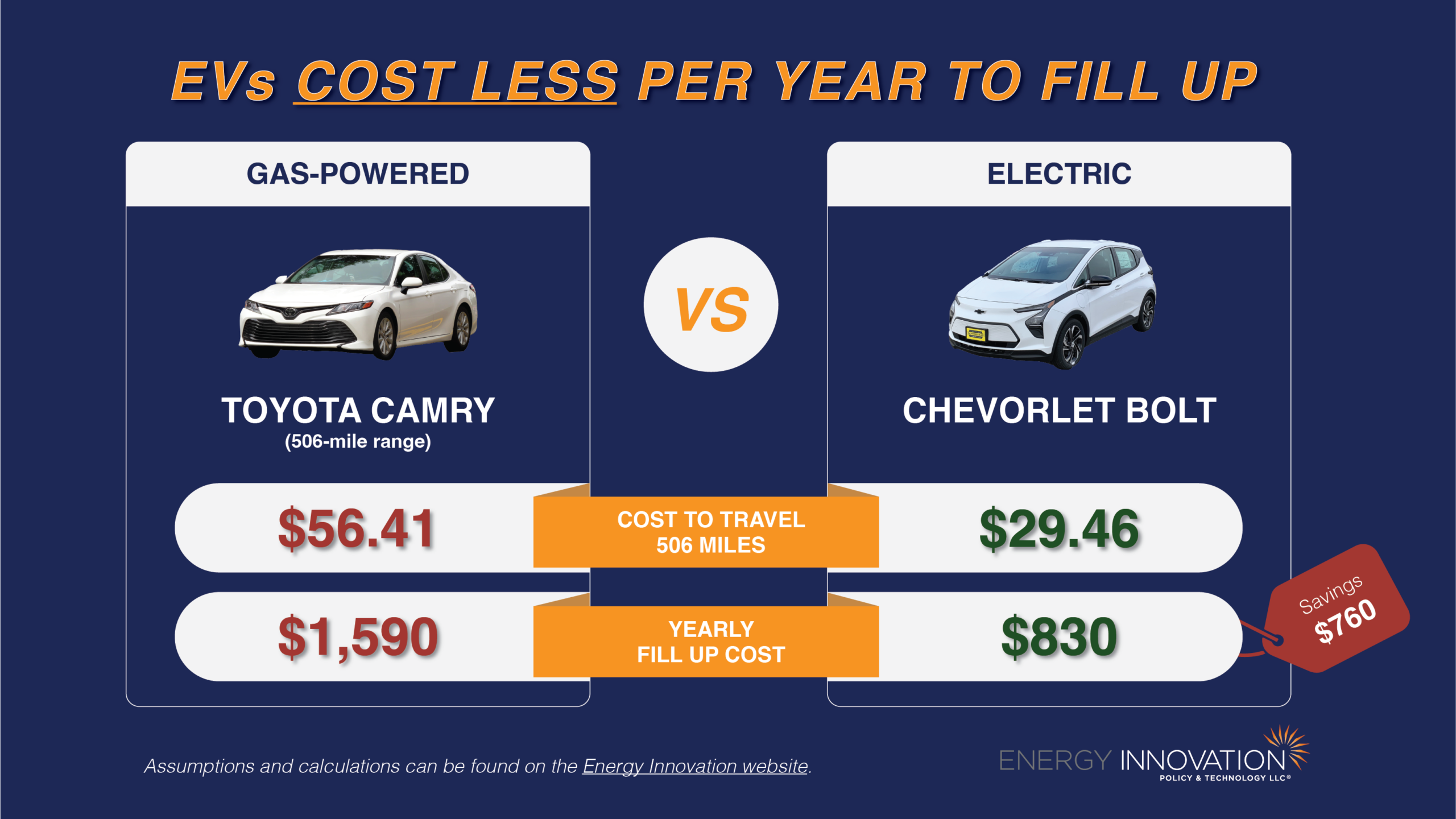
Let’s translate the kilowatt-hour kaleidoscope into cold, hard currency. The EV6 Long Range, with its 77.4 kWh battery, sips roughly 3.3 miles per kWh in mixed driving. At an average U.S. residential electricity rate of $0.16 per kWh, a 15,000-mile year costs $727—less than a single oil-change cycle for a gas engine. Over five years, that’s $3,635 versus $10,385 for the gas Sportage. Factor in the $7,500 federal tax credit (assuming eligibility), and the EV6’s effective sticker shock drops precipitously. Resale values for EVs are still a guessing game, but early data suggests 40 percent retention after half a decade—lower than hybrids but higher than many gas models. The electric powertrain is the ultimate futurist: it asks for patience at the charging station but rewards you with a lifetime of fuel savings and the quiet satisfaction of driving a machine that never burns a single molecule of dinosaur juice.
Yet the EV’s Achilles’ heel is infrastructure. Apartment dwellers without dedicated parking stalls face the modern equivalent of a gold rush—finding a reliable Level 2 charger within walking distance of your front door. Public charging networks are expanding like mycelium in a forest floor, but the experience still oscillates between seamless and soul-crushing. The EV6’s 800-volt architecture allows 18-minute 10-80 percent top-ups at a 350 kW charger, but such stations remain scarcer than hen’s teeth outside major metro corridors. Until the grid catches up, the electric dream is partly tethered to a charging umbilical cord that occasionally feels like a leash.
The Grand Ledger: Painting the Financial Canvas
To distill three powertrains into a single spreadsheet is to compress a symphony into a metronome tick. The gas engine is the reliable workhorse—cheap to buy, expensive to feed, and quietly depreciating. The hybrid is the financial ninja—higher upfront cost, lower lifetime fuel spend, and a resale halo that lingers like a favorite perfume. The EV is the silent disruptor—sticker shock softened by credits, fuel bills that vanish into the noise floor, and a resale future still being written in invisible ink.
Run the numbers for a 15,000-mile annual driver over five years, assuming $3.60 gasoline, $0.16 residential electricity, and a $7,500 tax credit for the EV. The gas Sportage rings up at $12,465 in fuel and depreciation. The hybrid Sportage Hybrid clocks in at $9,965. The EV6 Long Range lands at $7,835—$2,130 cheaper than the hybrid and $4,630 cheaper than the gas sibling. Yet these figures ignore the human variable: the joy of silent acceleration, the guilt-free guilt of zero tailpipe emissions, the quiet pride of plugging in at home like a digital aristocrat.
Resale values are the crystal ball we’re all trying to read. Hybrids currently enjoy the highest retention, hybrids the middle ground, and EVs the wild card. If battery longevity continues its upward trajectory—80 percent capacity after 200,000 miles—the EV’s resale handicap may shrink to a rounding error. Until then, the hybrid remains the safest financial bet for buyers who crave electrification without the charging anxiety.
The Human Factor: Which Powertrain Feels Like Home?
Money is only one currency in the automotive bazaar. The gas engine speaks to the driver who values simplicity, spontaneity, and the occasional V8 growl at a stoplight. The hybrid whispers to the pragmatist who wants to hedge against fuel-price volatility without surrendering the open road. The EV sings to the early adopter who sees transportation as a digital extension of their smartphone—a device that charges overnight and never visits a service bay.
Consider the road-trip narrative. A gas Kia can be refueled in five minutes at any strip-mall Citgo, while a hybrid demands a quick top-up at the pump and a silent prayer that regenerative braking will top off the battery. The EV, meanwhile, asks for a 20-minute pit stop every 250 miles—time enough to grab a coffee, stretch your legs, and marvel at the fact that you’re refueling with electrons instead of crude. Each powertrain crafts a different travelogue: the gas engine’s open-throttle overtures, the hybrid’s balletic efficiency, the EV’s silent glide through a landscape of charging oases.
Then there’s the matter of identity. Driving a gas Kia is like wearing a reliable Timex—it tells the world you value function over form. The hybrid is a hybrid watch, neither fully mechanical nor fully digital, yet quietly brilliant. The EV is the Apple Watch of automobiles: sleek, connected, and slightly futuristic, with a price tag that demands a second mortgage.
The road to automotive enlightenment is less a straight line and more a Möbius strip—each choice loops back on itself, revealing new facets of cost, convenience, and conscience. The gas engine remains the workhorse of the American highway, the hybrid the pragmatic bridge to electrification, and the EV the silent revolution that’s already reshaping cityscapes and charging networks. Your wallet, your lifestyle, and your planet will each cast a vote. Choose wisely, and the road ahead will hum with the satisfaction of a ledger that finally balances.