
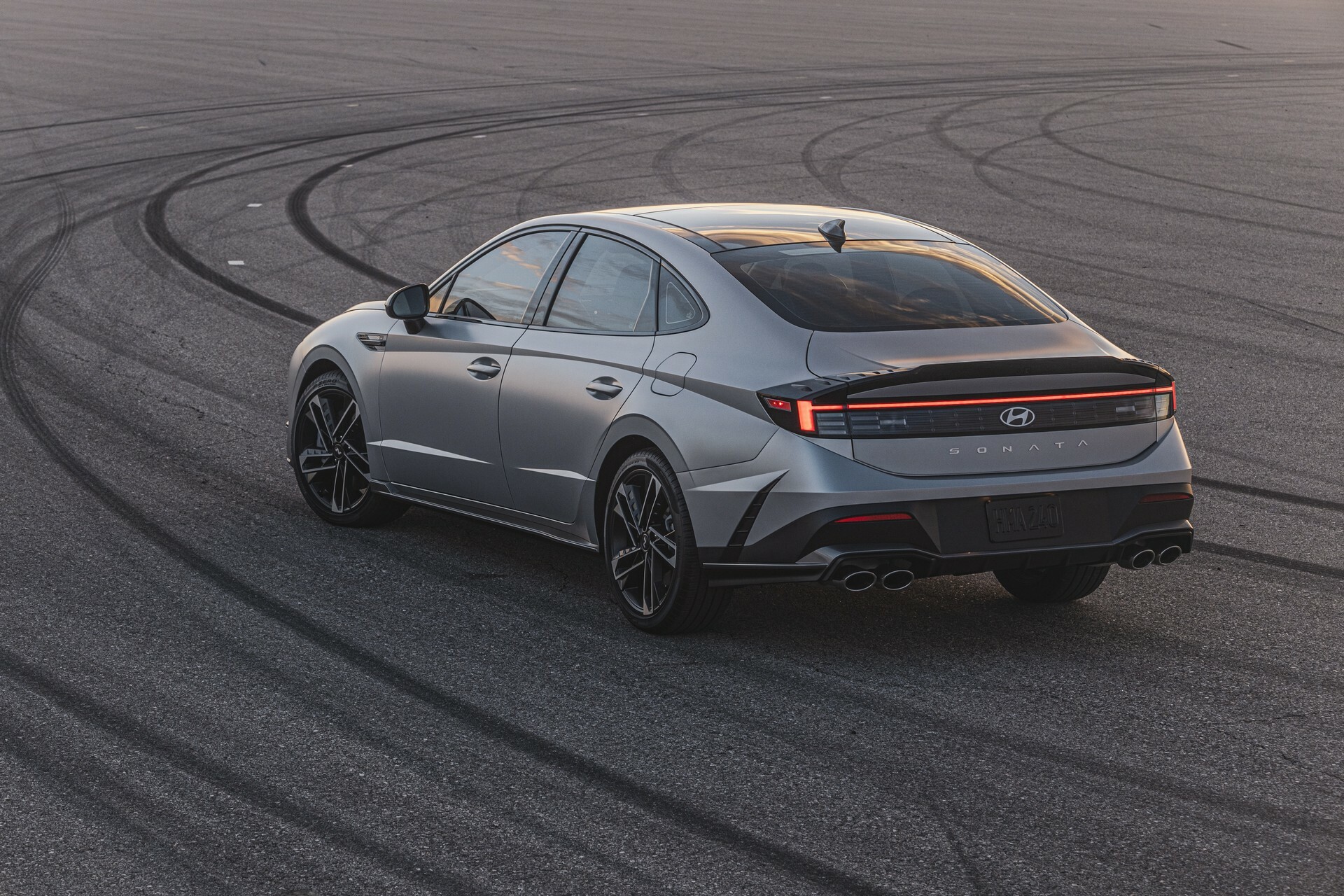
The Hyundai Sonata has long been a stalwart in the midsize sedan segment, blending affordability with a surprising array of features. But when it comes to reliability after 50,000 miles, does this Korean contender hold up under the relentless demands of daily commuting, road trips, and everything in between? Buckle up, because we’re diving deep into what you can expect from a Sonata that’s racked up half a century’s worth of miles.
The Sonata’s reputation for longevity isn’t just hearsay—it’s backed by real-world data and owner testimonials. At the 50,000-mile mark, most drivers find themselves at a crossroads: Is this the point where the warranty fades and the repair bills start piling up, or does the Sonata prove its mettle as a budget-friendly workhorse? To answer that, we’ll dissect the Sonata’s performance across critical areas—engine, transmission, electronics, suspension, and interior durability—while also exploring the nuances of maintenance costs and long-term ownership satisfaction. Whether you’re a current owner contemplating the next milestone or a prospective buyer weighing your options, this report will arm you with the insights you need to navigate the Sonata’s journey beyond the 50,000-mile threshold.
The Engine: A Symphony of Efficiency and Endurance
The heart of the Sonata’s reliability story lies in its powertrain lineup, which has evolved over generations to prioritize both performance and longevity. The most common engine choices—the 2.5L naturally aspirated inline-four and the turbocharged 1.6L or 2.0L variants—have each carved out their own reputation for durability. The naturally aspirated 2.5L, in particular, is a standout, known for its robust internals and minimal thirst for premium fuel. Owners report that even after 50,000 miles, this engine hums along with nary a hiccup, provided it’s been pampered with regular oil changes and timely belt replacements.
Turbocharged engines, while offering a punchier driving experience, demand more meticulous care. The 1.6L turbo, found in earlier models, has a history of carbon buildup issues if oil changes are neglected. However, Hyundai’s later iterations have refined the turbocharging system, reducing these risks. At 50,000 miles, a well-maintained turbo Sonata should still deliver smooth acceleration, but vigilance is key—listen for unusual noises, monitor oil consumption, and address any check engine lights promptly. The 2.0L turbo, introduced in newer models, benefits from improved cooling and lubrication systems, making it a more forgiving option for high-mileage drivers.
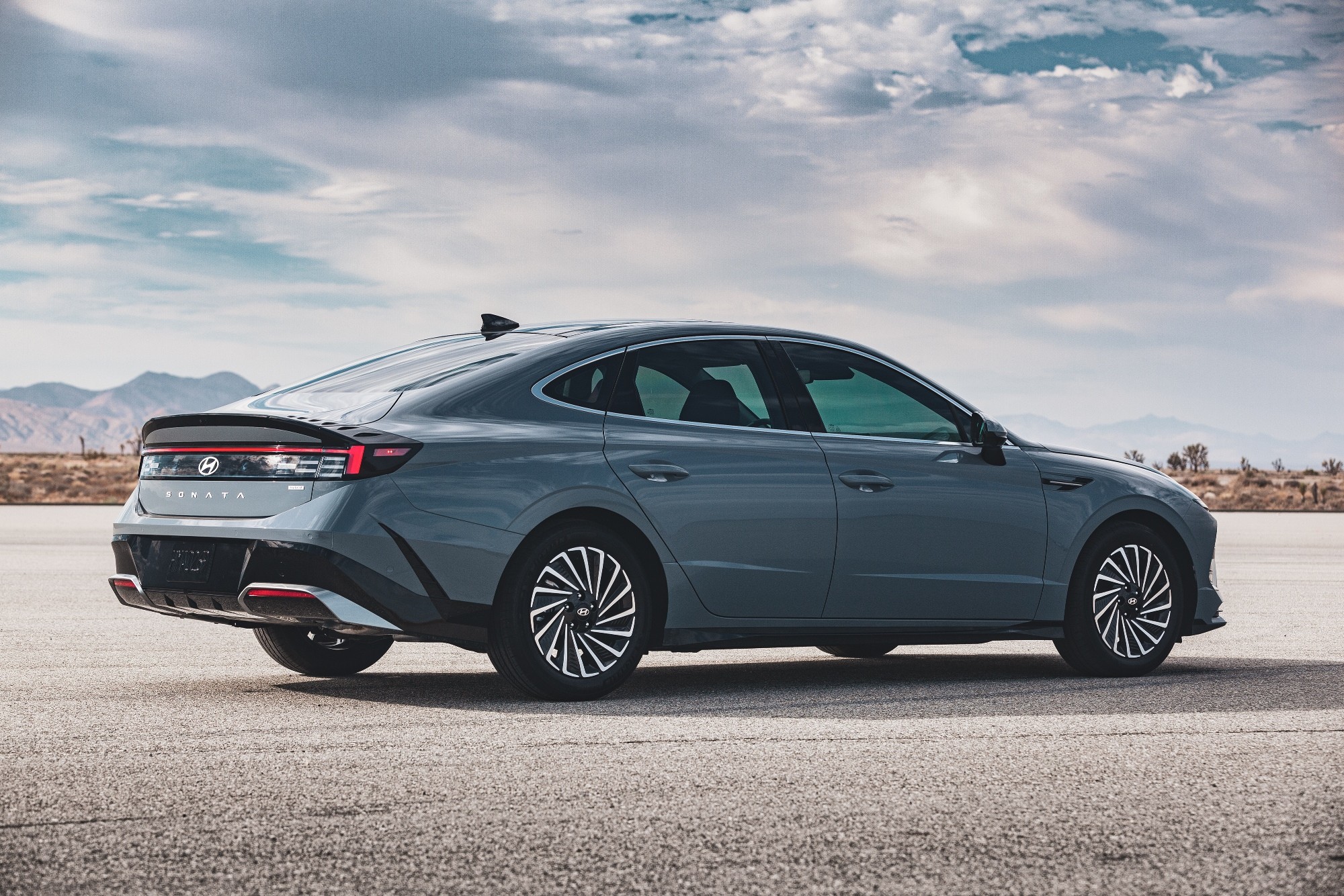
One often-overlooked aspect of engine longevity is the cooling system. The Sonata’s radiator, water pump, and thermostat are critical to preventing overheating, a silent killer of engines. At 50,000 miles, it’s wise to inspect the cooling system for leaks, corrosion, or a failing water pump. A neglected cooling system can lead to catastrophic engine failure, turning a routine maintenance check into a costly repair. Thankfully, Hyundai’s cooling components are generally robust, but proactive replacement of the thermostat and coolant flushes every 60,000 miles can extend the engine’s lifespan significantly.
The Transmission: Shifting Gears Without the Grind
The Sonata’s transmission is where things get interesting. Depending on the model year and trim, you’ll encounter either a traditional automatic or a dual-clutch transmission (DCT), each with its own reliability quirks. The conventional six-speed automatic, found in most Sonatas, is a workhorse. It’s not the most refined unit on the market, but it’s durable and predictable. Owners report that even at 50,000 miles, the transmission shifts smoothly, provided the fluid has been changed regularly. Hyundai recommends a transmission fluid change every 60,000 miles, a service that’s often overlooked but critical for longevity.
The dual-clutch transmission, while offering quicker shifts and better fuel economy, has a reputation for being less forgiving. Early DCT models in the Sonata lineup suffered from rough shifts and premature wear, but Hyundai has since improved the software and hardware. At 50,000 miles, a DCT-equipped Sonata should still perform well, but it’s essential to monitor for jerky shifts or delayed engagement. If you notice these symptoms, a fluid flush and software update from the dealer can often resolve the issue. For those considering a used Sonata with a DCT, a pre-purchase inspection is non-negotiable—ask the seller for service records to confirm the transmission fluid has been changed.

Another transmission-related concern is the torque converter. Over time, the torque converter’s internal clutch can wear out, leading to shuddering or slipping during acceleration. At 50,000 miles, this is a rare but not unheard-of issue. If you experience vibrations or a noticeable lag when accelerating from a stop, it’s worth having the torque converter inspected. Replacement isn’t cheap, but it’s far less expensive than a full transmission rebuild.
Electronics and Infotainment: The Digital Frontier
Modern Sonatas are packed with electronics, from touchscreen infotainment systems to advanced driver-assistance features. While these systems enhance the driving experience, they also introduce potential failure points. At 50,000 miles, the most common electronic gremlins include glitchy infotainment screens, malfunctioning Bluetooth connectivity, and erratic behavior from the digital instrument cluster. These issues are often software-related and can be resolved with a simple system reset or dealer update. However, persistent problems may indicate a failing control module, which can be costly to replace.
The Sonata’s infotainment system, particularly in higher trims, is a double-edged sword. On one hand, it offers seamless smartphone integration, navigation, and premium audio options. On the other, the touchscreen can become unresponsive over time, especially if exposed to direct sunlight or extreme temperatures. Owners report that cleaning the screen with a microfiber cloth and avoiding harsh cleaning agents can mitigate this issue. For those experiencing frequent freezes or crashes, a factory reset or software update is the first line of defense.
Advanced driver-assistance systems (ADAS), such as blind-spot monitoring, lane-keeping assist, and adaptive cruise control, are becoming standard in newer Sonatas. These systems rely on cameras and sensors, which can become misaligned or obscured by dirt and debris. At 50,000 miles, it’s a good idea to have the ADAS calibrated if you notice erratic behavior, such as false lane departure warnings or inaccurate distance readings. Calibration is a precise process and should be performed by a professional, but it’s a small price to pay for the safety and convenience these systems provide.
Suspension and Steering: The Unsung Heroes of Comfort
A Sonata’s suspension system is designed to absorb the bumps and imperfections of the road, but over time, components like struts, shocks, and bushings wear out. At 50,000 miles, many owners start to notice a harsher ride or clunking noises over rough pavement. This is typically a sign that the struts or shocks are nearing the end of their lifespan. Replacing these components can breathe new life into the Sonata’s ride quality, but it’s an investment that shouldn’t be delayed—neglecting worn suspension parts can lead to premature tire wear and compromised handling.
The steering system, particularly in models equipped with electric power steering (EPS), is another area to monitor. EPS systems are generally reliable, but the electric motor and control module can fail over time. Symptoms of a failing EPS system include a stiff or loose steering feel, or a warning light on the dashboard. At 50,000 miles, these issues are uncommon but not unheard of. If you experience any of these symptoms, a diagnostic scan at the dealership can pinpoint the issue before it escalates.
Another often-overlooked component is the suspension bushings. These rubber isolators wear out over time, leading to increased road noise and a less composed ride. At 50,000 miles, inspecting the bushings for cracks or excessive play is a smart move. Replacing them isn’t as urgent as struts or shocks, but it’s a worthwhile upgrade if you’re aiming for a quieter, more refined driving experience.
Interior Durability: Where Comfort Meets Longevity
The Sonata’s interior is a blend of hard plastics, soft-touch materials, and, in higher trims, leather or synthetic upholstery. At 50,000 miles, the most common complaints revolve around wear and tear—scuffed door panels, faded upholstery, and squeaky trim. While these issues don’t affect drivability, they can detract from the overall ownership experience. Regular cleaning and conditioning of leather surfaces, as well as using protective films on high-contact areas like the dashboard and center console, can extend the interior’s lifespan.
One area where the Sonata excels is in its seating comfort. The front seats, even in base trims, offer ample support for long drives, and the rear seats are surprisingly spacious for a midsize sedan. However, some owners report that the seat bolsters can become worn or flattened over time, reducing lateral support. If you frequently embark on road trips, upgrading to aftermarket seat covers or cushions can enhance comfort and protect the original upholstery.
The climate control system is another critical component to inspect at 50,000 miles. A failing blower motor, clogged cabin air filter, or leaky heater core can turn a pleasant drive into a miserable one. Symptoms include weak airflow, strange noises from the vents, or a sweet smell indicating a coolant leak. Addressing these issues promptly can prevent more extensive (and expensive) repairs down the line.
Maintenance Costs and Long-Term Ownership
One of the Sonata’s biggest selling points is its affordability, both upfront and in the long run. At 50,000 miles, maintenance costs are still relatively low compared to many competitors. Routine services like oil changes, tire rotations, and brake pad replacements are straightforward and budget-friendly. Hyundai’s maintenance schedule is also less demanding than some luxury brands, with major services typically required every 60,000 miles.
However, long-term ownership isn’t without its surprises. Some owners report premature wear on components like the water pump, alternator, or starter motor, which can fail before the 50,000-mile mark. These issues are often covered under warranty if the vehicle is still within the original bumper-to-bumper period, but out-of-warranty repairs can add up. To mitigate these costs, consider setting aside a small maintenance fund or investing in an extended warranty if you plan to keep the Sonata beyond 50,000 miles.
Another factor to consider is the Sonata’s resale value. Hyundai’s reputation for reliability has improved significantly in recent years, and the Sonata holds its value well compared to some of its domestic competitors. At 50,000 miles, a well-maintained Sonata can still fetch a respectable price on the used market, making it a solid choice for those who prioritize both affordability and longevity.
For those considering a Sonata with high mileage, a pre-purchase inspection is essential. A thorough check by a trusted mechanic can uncover hidden issues, from rusted subframes to failing suspension components. Additionally, reviewing the vehicle’s service history can provide peace of mind—look for records of regular oil changes, timing belt replacements, and other critical services.
The Verdict: A Reliable Companion for the Long Haul
After 50,000 miles, the Hyundai Sonata emerges as a dependable and cost-effective choice in the midsize sedan segment. Its engines are robust when maintained properly, its transmissions are durable (with a few caveats for DCT models), and its electronics, while occasionally finicky, are generally reliable. The suspension and steering systems hold up well with regular inspections, and the interior, while showing signs of wear, remains comfortable and functional.
The Sonata’s true strength lies in its balance of affordability and longevity. It’s not a flashy sports sedan, nor is it a luxury cruiser, but it’s a car that does its job without drama or excessive cost. For commuters, families, and road warriors alike, the Sonata proves that reliability doesn’t have to come with a premium price tag.
If you’re already a Sonata owner, the 50,000-mile mark is less a warning siren and more a gentle reminder to stay on top of maintenance. With a little care and attention, your Sonata can easily surpass 100,000 miles—and perhaps even double that—without skipping a beat. And if you’re in the market for a used Sonata, don’t be deterred by high mileage. A well-documented example with a clean history can be a fantastic value, offering years of trouble-free driving at a fraction of the cost of a new car.
The Hyundai Sonata isn’t just a car that gets you from point A to point B—it’s a partner for the journey, one that asks for very little in return and gives back in spades. At 50,000 miles and beyond, it remains a testament to Hyundai’s commitment to building cars that stand the test of time.


