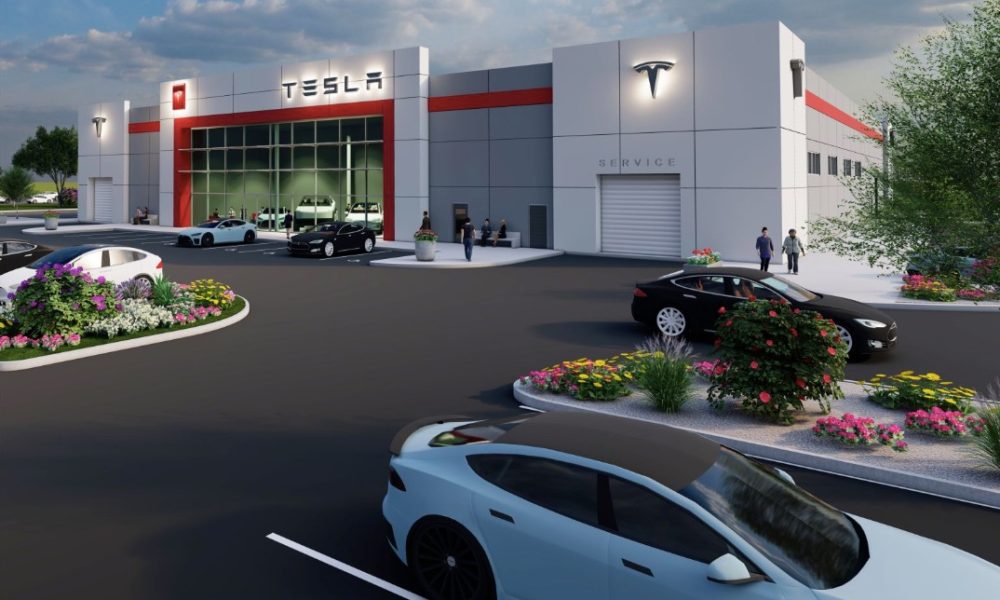
Have you ever found yourself in the automotive equivalent of a DMV queue, only to realize you’re waiting for a Tesla? The allure of electric innovation is undeniable, but the reality of service center wait times can sometimes feel like a modern-day odyssey. For Tesla owners, the promise of cutting-edge technology is often tempered by the occasional frustration of lengthy service appointments. What if the wait isn’t just a minor inconvenience but a litmus test for the brand’s commitment to customer experience? Let’s delve into the world of Tesla service center wait times, where patience is a virtue—and sometimes, a necessity.
The Tesla Service Center Experience: A Tale of Two Extremes
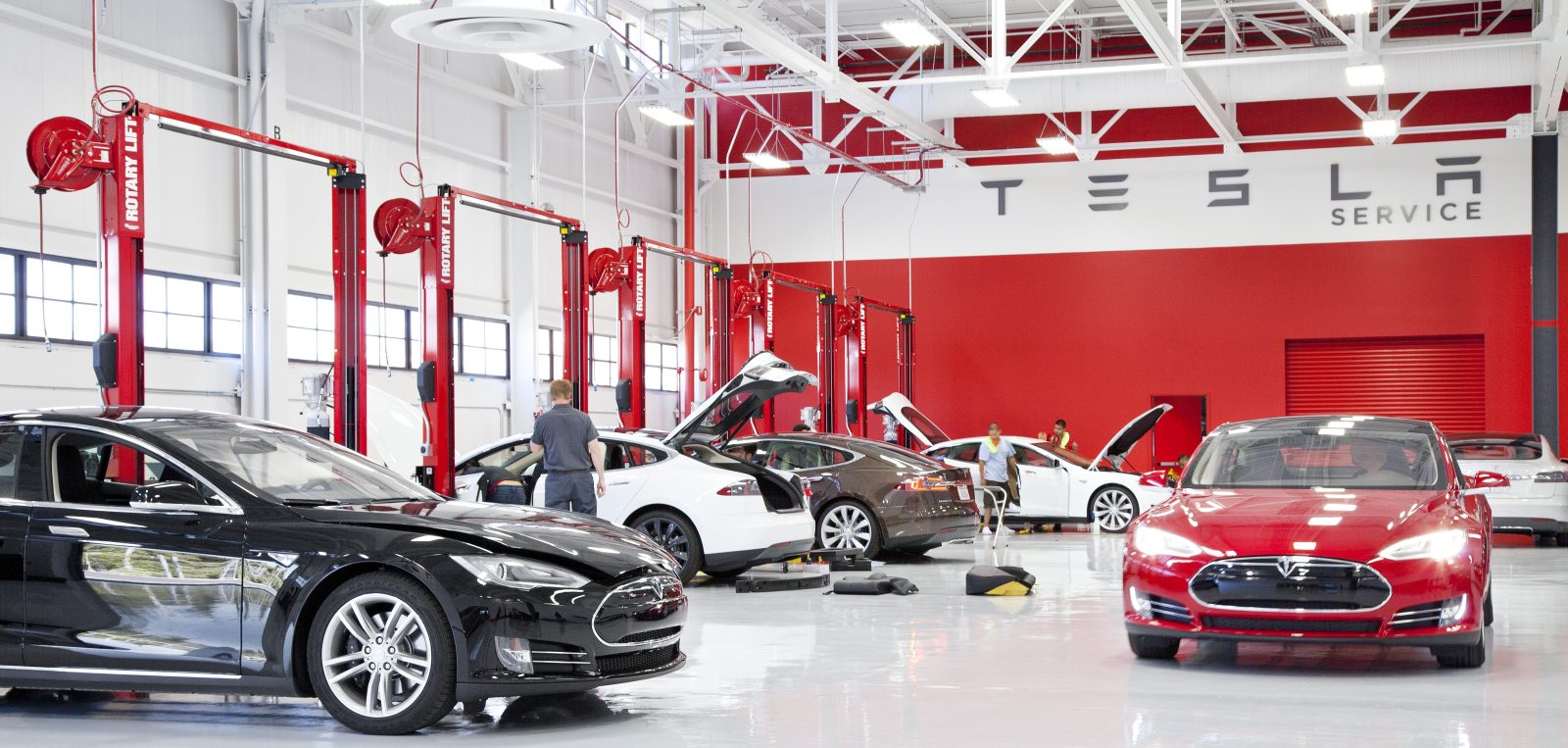
Tesla’s service centers are a paradox. On one hand, they’re temples of technological marvel, where technicians armed with diagnostic tablets and a deep understanding of electric vehicles work their magic. On the other, they can resemble bustling hubs of controlled chaos, where the sheer volume of appointments tests the limits of efficiency. Owners often report experiences that swing wildly between seamless service and marathon waits, leaving them to wonder: Is this the future of automotive care, or a work in progress?

The inconsistency isn’t necessarily a reflection of Tesla’s intentions but rather a symptom of rapid growth and evolving processes. Unlike traditional dealerships with rigid appointment systems, Tesla’s approach is often more fluid, prioritizing urgent repairs over scheduled maintenance. This flexibility can be a boon for those in need of immediate attention but a source of frustration for those expecting punctuality. The key to navigating this landscape lies in understanding the factors that influence wait times—and how to mitigate them.
Peak Hours and Popular Models: The Unseen Pressure Points
Not all service center visits are created equal. The time of day, day of the week, and even the model of your Tesla can dramatically alter your wait experience. Weekday mornings, particularly before 10 AM, tend to be the calmest, as owners who work full-time schedules often opt for after-hours appointments. Conversely, weekends and evenings are prime territory for long waits, as owners with flexible schedules flock to service centers during their downtime.
Model-specific trends also play a role. High-demand vehicles like the Model Y and Model 3, which boast the largest customer bases, often see longer wait times due to their popularity. Owners of these models may find themselves in a queue that stretches beyond the expected window, especially during software update rollouts or after severe weather events that trigger a surge in service requests. Meanwhile, owners of less common models, such as the Cybertruck or Model S Plaid, might enjoy shorter wait times—though this can vary depending on the availability of specialized technicians.
The Art of the Appointment: Booking Strategies That Work
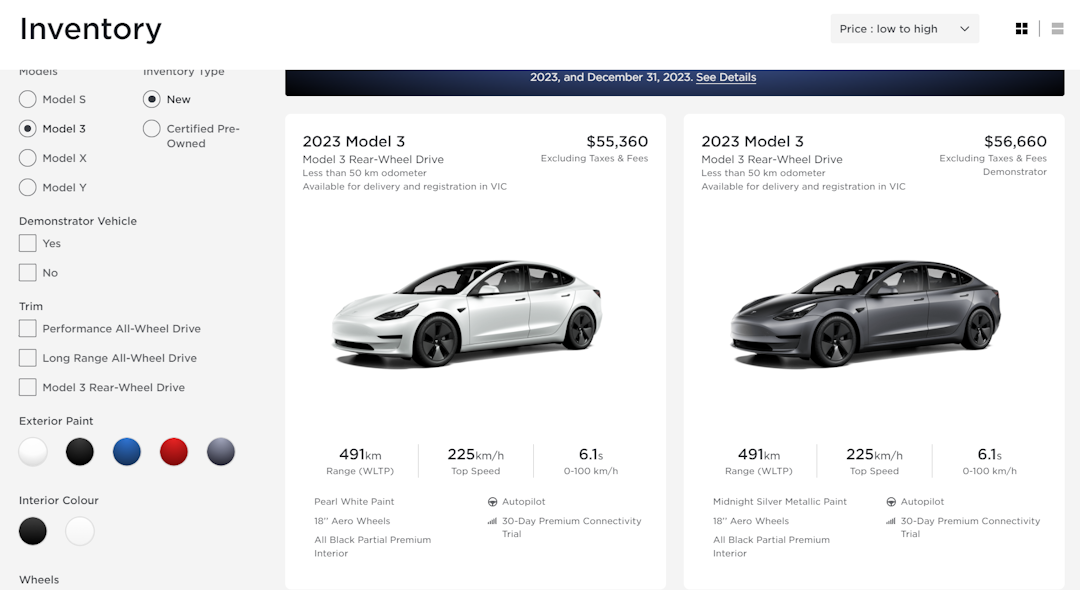
Securing a timely appointment at a Tesla service center is less about luck and more about strategy. The first rule? Book early. Tesla’s online scheduling system, while not infallible, is the most reliable way to secure a slot. However, cancellations and no-shows can create last-minute openings, so it pays to check the system frequently for availability. Pro tip: Early mornings and late afternoons are when canceled appointments often reappear, as owners adjust their schedules.
For those willing to venture off the beaten path, mobile service units can be a game-changer. Tesla’s mobile technicians travel to your location, whether it’s your home, office, or even a parking lot, to perform routine maintenance or minor repairs. This service is particularly valuable for owners in rural areas or those with limited time to spare. That said, mobile units aren’t equipped to handle major issues, so it’s essential to assess whether your needs align with their capabilities.
Another lesser-known tactic is leveraging Tesla’s service referral program. Owners who refer friends or family to Tesla may receive priority scheduling as a token of appreciation. While this isn’t a guaranteed shortcut, it’s a worthwhile consideration for those who’ve recently expanded their Tesla family.
When Patience Wears Thin: Escalating Your Service Experience
What happens when the wait stretches beyond the reasonable? Tesla’s customer service team is accessible via phone, email, or the in-car app, and escalating your concern can sometimes expedite the process. Clearly outline the urgency of your situation—whether it’s a safety issue, a recurring problem, or a looming road trip—and request a supervisor’s intervention if necessary. Documentation is key; keeping records of your communications and service requests can strengthen your case if you need to escalate further.
In extreme cases, owners have turned to social media as a last resort, tagging Tesla’s official accounts in their posts to garner attention. While this approach isn’t for the faint of heart, it has proven effective for some, as Tesla’s public relations team often responds swiftly to high-visibility complaints. That said, this should be a measure of last resort, reserved for situations where all other avenues have been exhausted.
The Human Element: Stories from the Service Center Trenches
Behind every wait time is a story. Some owners recount tales of efficient, almost effortless service, where technicians diagnosed and resolved issues in under an hour. Others share harrowing accounts of multi-day waits, only to be met with vague explanations and delayed resolutions. The disparity highlights the human side of Tesla’s service ecosystem—a blend of cutting-edge technology and the unpredictable nature of human workflows.
One owner, a software engineer, shared his experience of waiting six hours for a minor software update, only to be told that the system was “recalibrating.” Another, a busy parent, praised the service center’s child-friendly waiting area, complete with snacks and charging stations, which turned a frustrating ordeal into a surprisingly pleasant one. These anecdotes underscore the importance of tempering expectations with a dose of empathy—and perhaps a well-stocked snack bag.
Looking Ahead: Tesla’s Service Evolution
Tesla is no stranger to disruption, and its service centers are no exception. The company has experimented with various innovations to streamline the process, from AI-powered appointment scheduling to expanded mobile service offerings. The introduction of “fast lanes” at select service centers, inspired by Formula 1 pit stops, is a testament to Tesla’s commitment to reducing wait times without compromising quality.
Yet, challenges remain. As Tesla’s vehicle lineup expands and its customer base grows, the pressure on service centers will only intensify. The company’s ability to scale its service infrastructure—whether through partnerships, automation, or entirely new models—will determine whether wait times become a relic of the past or an enduring challenge for owners.
The road ahead is as electrifying as it is uncertain. For now, Tesla owners must navigate the service center landscape with a mix of pragmatism and patience. After all, the wait is just another chapter in the grand narrative of electric vehicle ownership—a story where innovation and imperfection coexist.