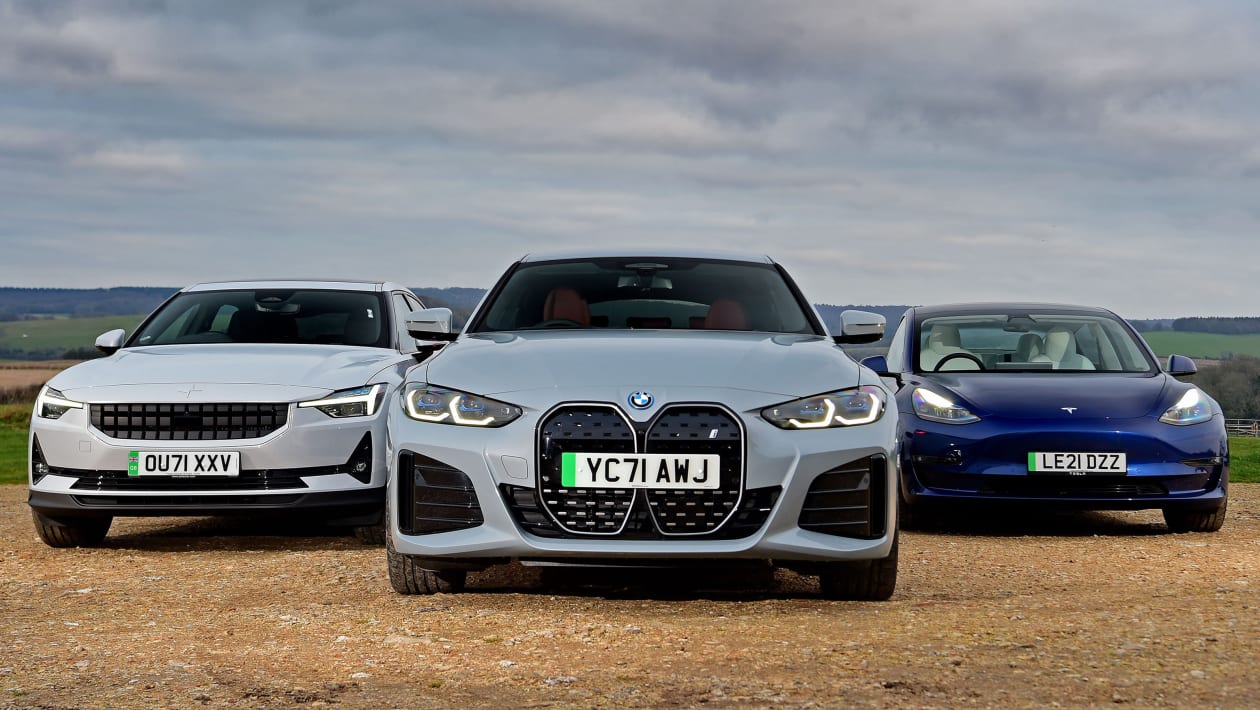
The electric vehicle revolution has arrived, and with it, a trio of luxury sedans that redefine what it means to drive without compromise. The Tesla Model 3, BMW i4, and Polestar 2 are not merely cars—they are rolling manifestos of automotive philosophy, each whispering a different promise to the discerning driver. One is the disruptor, the other the heir to a legacy, and the third a Scandinavian ode to minimalism. Together, they form a modern-day triad of electrified opulence, where performance, prestige, and purity of design converge in a silent symphony of electrons and ambition.
But which one deserves to sit in your driveway? To answer that, we must peel back the layers of each machine, not just as vehicles, but as cultural artifacts—each one a vessel of identity, a statement of intent, and a testament to the evolving soul of luxury in the 21st century. This is not just a comparison; it’s a journey through three distinct philosophies of electric elegance.
The Tesla Model 3: The Disruptor’s Canvas
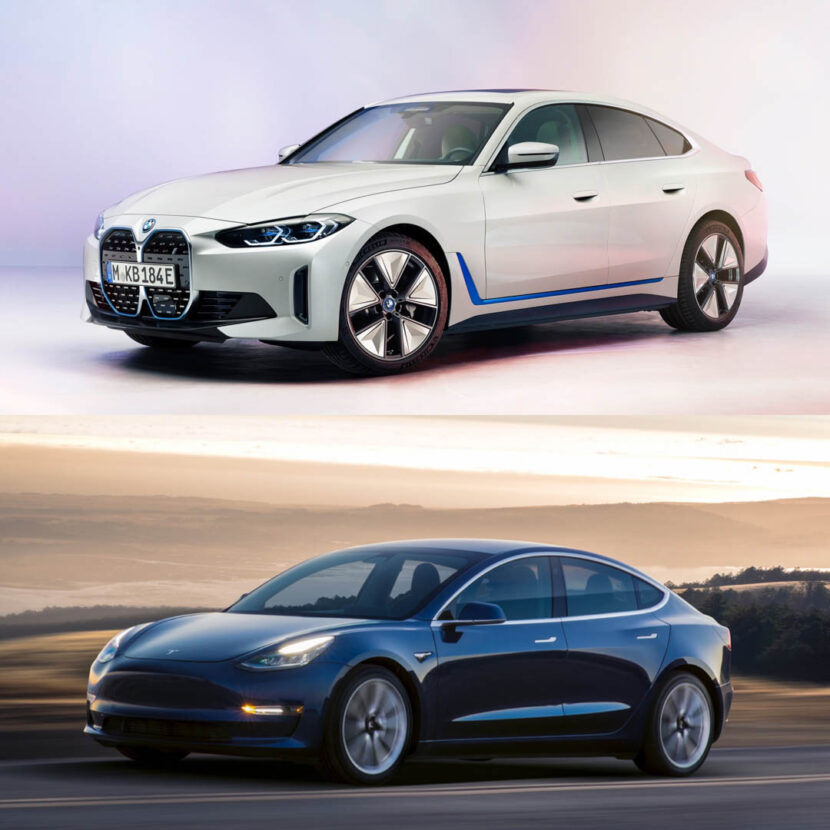
The Tesla Model 3 is the enfant terrible of the luxury EV world—a car that didn’t just enter the market; it rewrote the rules of engagement. With its sleek, almost futuristic silhouette and an interior that feels like the cockpit of a spaceship, the Model 3 doesn’t just drive; it performs a ritual of technological transcendence. The minimalist 15-inch touchscreen, devoid of physical buttons, is both a marvel and a metaphor: a blank slate upon which the driver’s desires are projected in real time.
Under the hood—or rather, beneath the floor—lies the heart of the beast: Tesla’s proprietary battery architecture and dual-motor all-wheel-drive system. The acceleration is not just quick; it’s disorienting, a silent punch that pins you to the seat with the kind of authority usually reserved for hypercars. Yet, it’s not brute force that defines the Model 3, but its uncanny ability to make the extraordinary feel mundane. Over-the-air updates ensure the car evolves like a living organism, adapting to the driver’s habits and the road’s demands with eerie prescience.
But the true genius of the Model 3 lies in its accessibility. While the BMW i4 and Polestar 2 cater to those who crave heritage and Scandinavian restraint, the Model 3 speaks to the everyman with a taste for the avant-garde. It’s the EV for those who see cars not as status symbols, but as gateways to a smarter, more connected future.
The BMW i4: The Heir to a Legacy, Reimagined
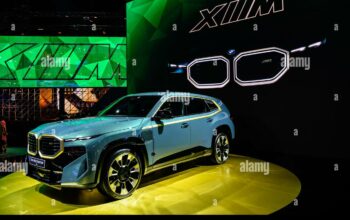
To drive the BMW i4 is to sit in the driver’s seat of a paradox—a car that is both a rebellion against tradition and a love letter to it. The i4 doesn’t just borrow from BMW’s storied past; it distills it into an electric essence, a distillation of the brand’s obsession with precision, performance, and the unmistakable thrill of the open road. The kidney grille, now a subtle nod rather than a domineering statement, frames a face that is unmistakably BMW, yet undeniably electric.
The interior is a masterclass in tactile luxury. The curved dashboard, wrapped in sustainable materials like open-pore wood and recycled plastics, cradles a digital cockpit that blends analog warmth with digital clarity. The steering wheel, a tactile throwback to the brand’s heritage, hides a wealth of controls behind its rim, offering a tactile connection to the machine that few EVs dare to replicate. It’s a space where the driver feels both in command and cocooned—a rare balance in the age of sterile touchscreens.
Under the skin, the i4 offers a range of powertrains, from the spirited M50 with its 536 horsepower to the more restrained eDrive40. But it’s not just about raw numbers; it’s about the way the i4 delivers power. The steering is alive with feedback, the suspension tuned to absorb imperfections while maintaining a taut, responsive feel. It’s a car that doesn’t just move; it dances—a waltz of electrons and engineering that makes every corner a celebration.
Yet, the i4’s greatest strength may be its ability to appeal to both the purist and the pioneer. It’s a car for those who refuse to let go of the visceral joy of driving, even as the world shifts toward silence. It’s BMW’s way of saying: “We didn’t just adapt to the future; we redefined it.”
The Polestar 2: The Scandinavian Ode to Minimalism
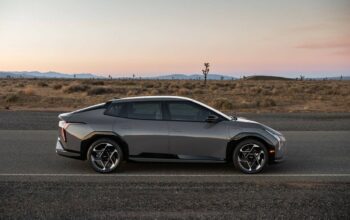
If the Tesla Model 3 is the disruptor and the BMW i4 the heir, then the Polestar 2 is the philosopher—quiet, contemplative, and unapologetically pure. Designed in Sweden but built with a global conscience, the Polestar 2 is a car that wears its values on its sleeve. The exterior is a study in understated elegance, with clean lines and a grille-less front that whispers rather than shouts. It’s a car that doesn’t demand attention; it earns it through the sheer force of its integrity.
Step inside, and you’re greeted by an interior that feels like a gallery of modern design. The dashboard is a single, uninterrupted expanse of sustainable materials—recycled plastics, vegan upholstery, and even a steering wheel wrapped in a material made from apple skins. The center console is a floating slab of wood, a tactile counterpoint to the digital displays that float above it. It’s a space that feels both futuristic and timeless, a sanctuary for those who value substance over spectacle.
The Polestar 2’s driving experience is equally refined. The single-motor setup offers a serene, almost meditative ride, while the dual-motor version delivers a punch that’s as surprising as it is satisfying. The steering is precise, the handling nimble, and the regenerative braking system tuned to feel almost organic—a seamless blend of resistance and release that rewards anticipation and patience.
But the Polestar 2’s true appeal lies in its ethos. It’s a car for those who see luxury not in ostentation, but in responsibility. It’s built in a carbon-neutral factory, offers carbon-offset programs, and even provides a “Polestar Space” in select cities where owners can experience the brand’s vision beyond the car. It’s not just a vehicle; it’s a lifestyle—a quiet manifesto for a more conscious way of living.
The Unseen Battles: Charging, Tech, and Total Cost
Beyond the aesthetics and driving dynamics, the real differences between these three EVs lie in the details—details that can make or break the ownership experience. Charging, for instance, is where the Tesla Model 3 flexes its muscles. With access to the vast Supercharger network, long-distance travel is as seamless as it is swift. The BMW i4, while compatible with Tesla’s NACS adapter, relies more on third-party networks, which can vary in reliability. The Polestar 2, meanwhile, offers competitive charging speeds but lacks the same level of infrastructure support.
Technology is another arena where the Model 3 shines. Tesla’s over-the-air updates and advanced driver-assistance systems (ADAS) set the benchmark, while BMW’s iDrive 8 system and Polestar’s Google-based infotainment offer their own strengths—BMW’s tactile controls and Polestar’s clean, intuitive interface. Yet, Tesla’s ecosystem remains unmatched in its integration and adaptability.
When it comes to total cost of ownership, the Polestar 2 often emerges as the most affordable, thanks to its competitive pricing and lower running costs. The BMW i4, while more expensive upfront, offers a balance of performance and prestige that justifies its premium. The Tesla Model 3, with its lower starting price and higher resale value, remains the most cost-effective in the long run—though its build quality and panel gaps can be a point of contention for some.
The Final Verdict: Which One Speaks to You?
Choosing between the Tesla Model 3, BMW i4, and Polestar 2 is less about picking a winner and more about aligning with a philosophy. The Model 3 is for the visionary, the i4 for the enthusiast, and the Polestar 2 for the conscientious.
The Tesla Model 3 is the car for those who see the future not as a distant dream, but as a present reality. It’s for the driver who wants to be part of a movement, who thrives on innovation, and who sees technology not as a tool, but as a companion. It’s the EV for the disruptor, the rule-breaker, the one who believes that the best way to predict the future is to invent it.
The BMW i4 is for the driver who refuses to let go of the past, even as they embrace the future. It’s for those who crave the tactile joy of driving, the visceral connection between man and machine. It’s a car that doesn’t just transport you; it elevates you—a modern-day aristocrat in a world of democratized luxury.
The Polestar 2 is for the driver who sees luxury in responsibility, who believes that true opulence lies in sustainability and mindfulness. It’s for those who want a car that aligns with their values, that doesn’t just take from the world, but gives back. It’s a statement of intent, a quiet rebellion against the excesses of the automotive industry.
In the end, these three cars are more than just vehicles—they are mirrors. Each one reflects a different facet of the modern driver’s soul. The question isn’t which one is best; it’s which one resonates with you. Which philosophy do you want to carry with you, every time you turn the key?