The Tesla Model S has long been celebrated as a technological marvel, a sleek electric sedan that redefined what a luxury car could be. Yet, beneath its futuristic exterior and blistering acceleration lies a question that often lingers in the minds of prospective buyers: how spacious is the rear seat, really? It’s a query that seems almost too practical for a vehicle so often associated with cutting-edge innovation. But the truth is, the rear cabin of the Model S tells a deeper story—one about Tesla’s philosophy of space, efficiency, and the unexpected ways in which electric vehicles challenge conventional automotive norms.
While the Model S is undeniably a driver’s car, its rear seat legroom and passenger comfort are frequently underestimated. This oversight stems from the vehicle’s aggressive styling and performance-focused design, which can overshadow its more utilitarian attributes. Yet, for families, carpoolers, or anyone who values rear-seat comfort during long journeys, the Model S offers a surprising level of refinement. The key lies not just in the raw measurements, but in how Tesla has reimagined interior space in an era where electric propulsion allows for unprecedented flexibility.
The Illusion of Compactness: Debunking the Myth of a Cramped Rear Cabin
At first glance, the Tesla Model S presents a paradox. Its wheelbase stretches nearly 115 inches, a dimension that typically signals generous rear legroom. Yet, the car’s low-slung silhouette and sweeping roofline create an optical illusion, making the cabin appear more compact than it actually is. This visual trick is intentional—designed to evoke the sleek aerodynamics of a sports car rather than the boxy proportions of a traditional luxury sedan. But appearances can be deceiving.
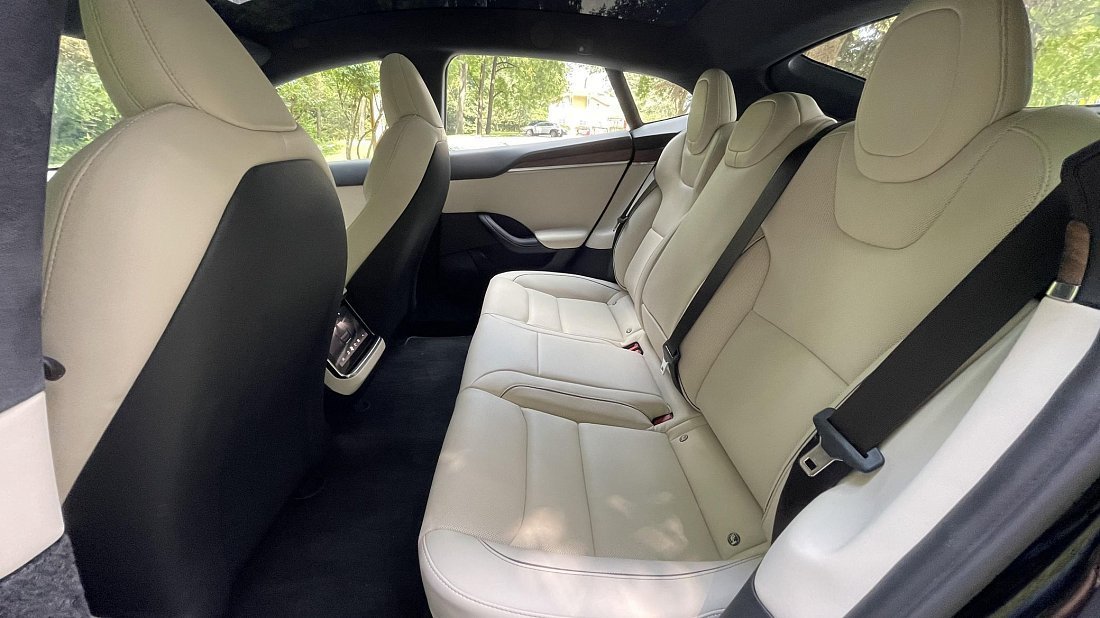
In reality, the Model S offers 35.4 inches of rear legroom, a figure that places it on par with many full-size sedans, including the Mercedes-Benz S-Class and the BMW 7 Series. What’s more, the cabin’s minimalist design—free of bulky center consoles and excessive padding—creates an airy, uncluttered environment. The absence of a traditional transmission tunnel, a hallmark of electric vehicles, further enhances the sense of spaciousness. Passengers in the rear aren’t just accommodated; they’re enveloped in a cocoon of open, uninterrupted space.
The Architecture of Efficiency: How Tesla Maximizes Rear Passenger Comfort
The secret to the Model S’s rear-seat hospitality lies in its underlying architecture. Unlike internal combustion engine vehicles, which require a sprawling engine bay and a lengthy drivetrain, the Model S’s electric powertrain is compact and centrally located. This design choice allows Tesla to push the cabin forward, effectively elongating the rear seating area without increasing the car’s overall length. The result is a cabin that feels both expansive and ergonomically optimized.
Tesla’s use of a skateboard-style battery platform also plays a crucial role. By situating the battery low and flat beneath the floor, the Model S achieves a lower center of gravity while freeing up vertical space in the cabin. This not only improves headroom for rear passengers but also eliminates the hump that plagues many traditional sedans. The seats themselves are sculpted with a subtle bucket design, providing lateral support without encroaching on the generous knee room. Even the rear door panels are contoured to avoid intruding on passenger comfort, a detail that speaks to Tesla’s meticulous attention to ergonomics.
For taller passengers, the Model S offers an unexpected advantage: the ability to recline the front seats slightly without sacrificing rear legroom. This feature, often overlooked, transforms the rear cabin into a more relaxed environment for long drives. Whether it’s a cross-country road trip or a daily commute, the Model S ensures that rear-seat passengers aren’t relegated to the role of afterthought.
Beyond the Numbers: The Human Experience of Rear-Seat Travel
While measurements provide a useful benchmark, the true test of any car’s rear-seat comfort lies in the lived experience. Slide into the back of a Model S, and the first thing you notice is the silence. The absence of an engine and transmission means that conversations flow effortlessly, even at highway speeds. The panoramic glass roof, a standard feature, bathes the cabin in natural light, creating an almost cathedral-like ambiance. For passengers who spend significant time in the rear—perhaps chauffeuring children or entertaining guests—the Model S transforms what might otherwise be a mundane journey into a serene retreat.
Another often-overlooked aspect is the climate control. The Model S’s dual-zone climate system allows rear passengers to adjust their own temperature settings independently, a luxury that’s rare even in high-end sedans. The vents are strategically placed in the rear doors and footwells, ensuring even airflow without the need for bulky ductwork. This level of customization speaks to Tesla’s commitment to passenger comfort, a philosophy that extends beyond the driver’s seat.
For families, the Model S also offers practical considerations. The rear seats can accommodate three adults comfortably, with a center console that doubles as an armrest rather than a barrier. The lack of a traditional transmission tunnel means that passengers in the middle seat aren’t squeezed into an uncomfortable position. Even the seatbelt buckles are designed to retract smoothly, avoiding the jarring clicks that can disrupt a peaceful ride.
The Trade-Offs: Where the Model S Prioritizes Performance Over Pure Space
Of course, no vehicle is without its compromises. The Model S’s focus on performance and aerodynamics does impose certain limitations on rear-seat comfort. The sloping roofline, while visually striking, reduces headroom for taller passengers, particularly those over six feet. The seats themselves, while supportive, lack the plush cushioning of some luxury competitors, a trade-off that prioritizes a firmer, more athletic feel. And while the legroom is generous, it’s not quite on the level of a full-size SUV or a limousine.
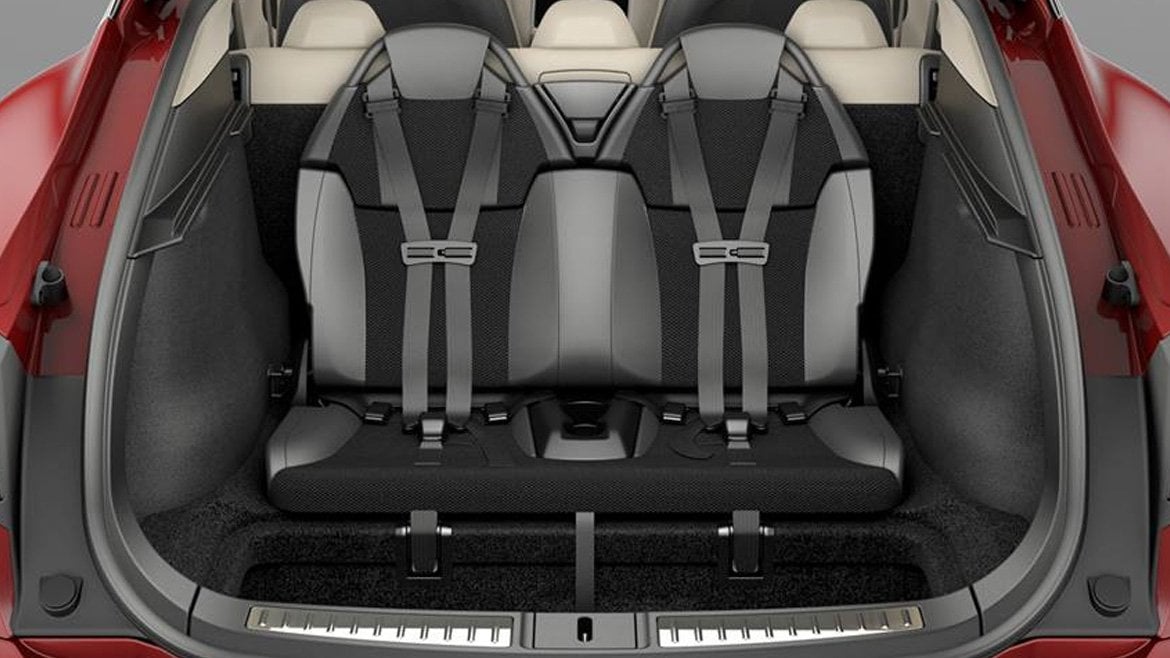
Additionally, the Model S’s minimalist design means that storage options in the rear are limited. There’s no rear-seat entertainment system, no built-in cup holders, and no hidden compartments for small items. For those who prioritize practicality over aesthetics, this might feel like a step backward. Yet, these omissions are part of Tesla’s broader ethos: a belief that less can indeed be more. The absence of clutter allows the cabin to feel open and unobstructed, a refreshing departure from the overstuffed interiors of traditional luxury cars.
The Bigger Picture: Why Rear-Seat Comfort Matters in the Electric Era
The Tesla Model S’s rear-seat legroom is more than just a technical specification—it’s a statement about the future of automotive design. In an industry traditionally dominated by combustion engines and rigid packaging constraints, Tesla has demonstrated that electric vehicles can offer a different kind of luxury: one that values space, silence, and simplicity. The Model S proves that a car doesn’t need to be massive to feel spacious, nor does it need to be ostentatious to be comfortable.
This shift in priorities reflects a broader cultural change. As electric vehicles become more mainstream, buyers are increasingly seeking vehicles that align with their values—sustainability, innovation, and a rejection of excess. The Model S’s rear cabin embodies this ethos. It’s a space designed not for conspicuous consumption, but for genuine comfort and connection. Whether it’s a family road trip or a quiet evening ride, the rear seats of the Model S offer a sanctuary from the chaos of the outside world.
In the end, the fascination with the Tesla Model S’s rear-seat legroom reveals something deeper about our relationship with cars. We no longer measure a vehicle’s worth solely by its power or prestige. Instead, we seek out experiences—moments of tranquility, connection, and unexpected luxury. The Model S delivers all of that, proving that sometimes, the most revolutionary innovations aren’t the ones you see, but the ones you feel.