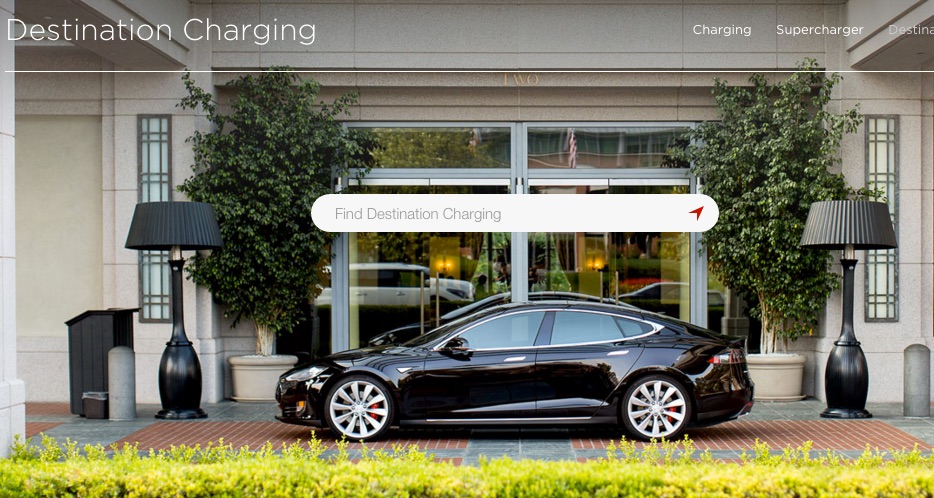
In the ever-evolving landscape of electric vehicle (EV) infrastructure, Tesla’s Destination Charging program stands as a testament to the company’s commitment to seamless travel. Unlike the high-speed Supercharger network designed for quick top-ups during long journeys, Destination Chargers are strategically placed at hotels, resorts, and parking garages—locations where EV owners linger, dine, or rest. This subtle yet profound distinction speaks volumes about Tesla’s understanding of human behavior and the psychology of convenience. Drivers don’t just need power; they need purpose. And Tesla’s Destination Charging program delivers exactly that: a fusion of necessity and indulgence, where recharging an EV becomes an incidental part of a larger experience.
What makes these chargers so compelling isn’t merely their functionality, but their integration into spaces that already cater to comfort and leisure. Imagine checking into a boutique hotel after a day of exploration, plugging in your vehicle overnight, and waking up to a full charge—without ever leaving the premises. Or strolling through a shopping mall, knowing your car is quietly replenishing its battery while you enjoy a meal or catch a movie. This is the quiet revolution of Destination Charging: it transforms mundane stops into opportunities for enrichment, all while addressing a critical pain point for EV adoption.
The Philosophy Behind Destination Charging: More Than Just a Plug
At its core, Tesla’s Destination Charging program is rooted in the principle of ambient electrification—the idea that charging should be as unobtrusive as the air we breathe. Unlike the utilitarian aesthetic of Superchargers, which often resemble futuristic gas stations, Destination Chargers are designed to blend seamlessly into their surroundings. They are not meant to dominate the landscape but to enhance it, much like a well-placed piece of art in a hotel lobby. This philosophy reflects Tesla’s broader vision: that sustainable technology should not feel like a compromise but like an enhancement of everyday life.
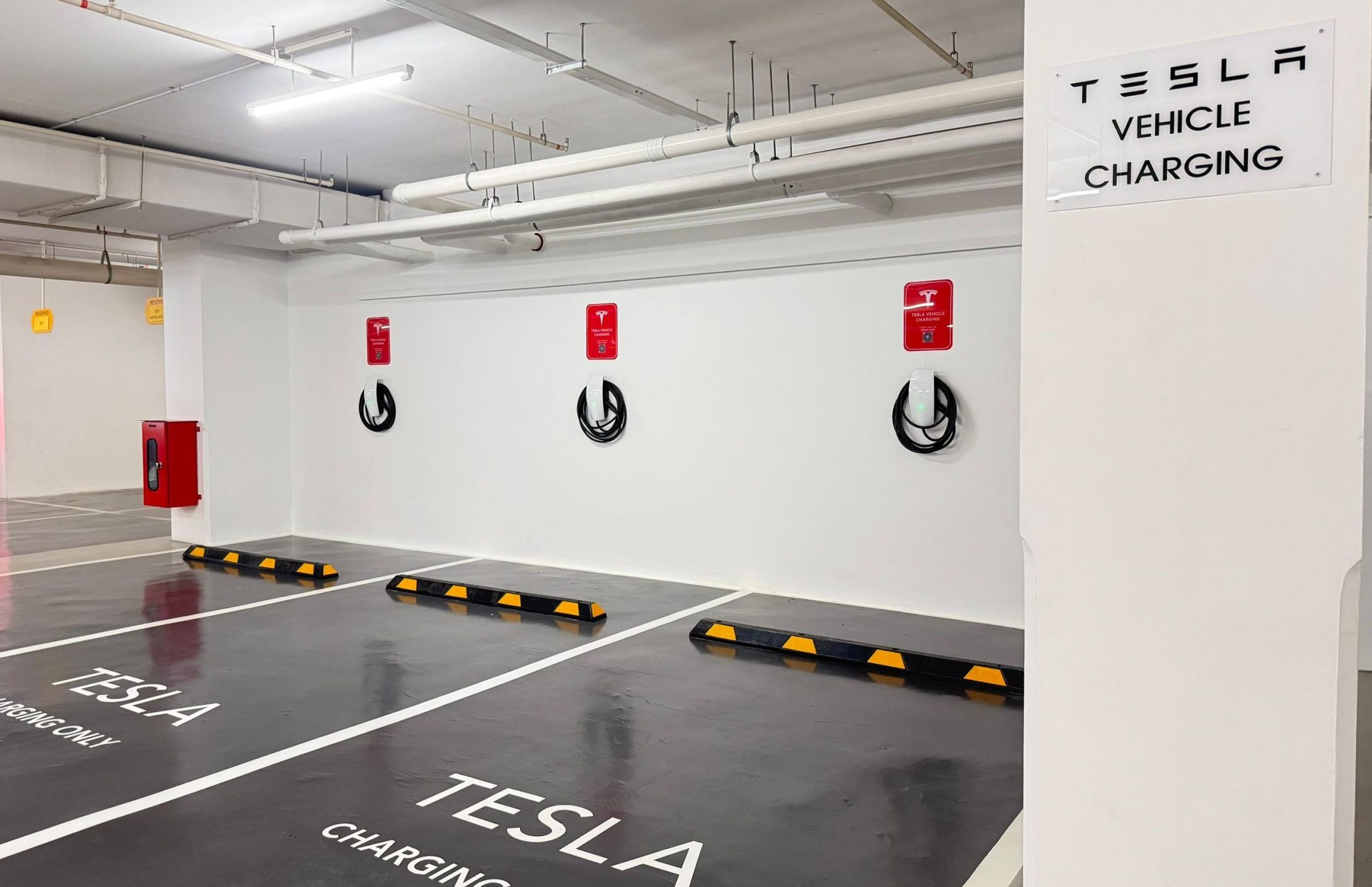
The placement of these chargers is no accident. Hotels and resorts, in particular, are chosen for their ability to offer extended dwell times—hours, if not days—where an EV can recharge without the urgency of a road trip. This aligns perfectly with Tesla’s data-driven approach to infrastructure. By analyzing travel patterns, stay durations, and consumer preferences, Tesla ensures that its Destination Chargers are not just available but optimally positioned to serve real-world needs. The result is a network that feels almost organic, as if the chargers have always been part of the fabric of these locations.
Where to Find Tesla Destination Chargers: A Global Tapestry of Convenience
The beauty of Tesla’s Destination Charging network lies in its ubiquity. From the sun-drenched beaches of Bali to the bustling urban cores of New York and Tokyo, these chargers are strategically embedded in some of the world’s most coveted destinations. In the United States, luxury resorts like The Broadmoor in Colorado and Little Palm Island Resort in Florida offer Tesla owners a chance to recharge while indulging in world-class hospitality. Meanwhile, in Europe, iconic properties such as Hotel Adlon Kempinski in Berlin and The Savoy in London provide a blend of historic charm and cutting-edge technology.
Asia, too, has embraced the Destination Charging revolution with open arms. In Malaysia, high-end hotels like EQ Hotel Kuala Lumpur and Sunway Big Box Johor have installed Tesla chargers, catering to both business travelers and leisure seekers. These locations are not merely pit stops but destinations in their own right, where the act of charging becomes part of the experience. Whether it’s a weekend getaway or a month-long stay, Tesla owners can rest assured that their vehicle will be ready for the next leg of their journey.
What’s particularly noteworthy is the diversity of locations. Tesla Destination Chargers are found in ski lodges, vineyards, and even private marinas. This versatility underscores the program’s adaptability—it doesn’t just serve urbanites or road warriors but anyone who values the intersection of mobility and leisure. The message is clear: Tesla isn’t just building a charging network; it’s curating a lifestyle.
The User Experience: Effortless Integration into Daily Life
For the average Tesla owner, the experience of using a Destination Charger is remarkably straightforward. Upon arrival at a participating location, the driver simply parks near the charger, connects the cable, and walks away. The charging process is handled automatically through the Tesla app, which notifies the user when the battery reaches a desired level. There’s no need to monitor progress, no anxiety about overstaying a parking spot—just the quiet satisfaction of knowing the vehicle is being taken care of.
This frictionless experience is a masterclass in user-centric design. Unlike traditional charging stations, which often require manual payment or membership verification, Tesla’s Destination Chargers leverage the vehicle’s built-in connectivity. The car communicates directly with the charger, ensuring that billing is handled seamlessly through the owner’s Tesla account. This eliminates the need for third-party apps or physical payment terminals, reducing the cognitive load on the driver.
Moreover, the integration with Tesla’s ecosystem extends beyond the charging process. Many hotels with Destination Chargers offer amenities tailored to EV owners, such as dedicated parking spots, complimentary charging credits, or even EV-specific concierge services. This creates a symbiotic relationship where the hotel benefits from increased foot traffic, and the Tesla owner enjoys an elevated experience. It’s a win-win scenario that exemplifies the power of thoughtful design.
The Deeper Implications: Redefining Travel and Hospitality
The rise of Destination Charging is more than a convenience—it’s a cultural shift. It signals a future where electric vehicles are not an exception but the norm, where sustainability is woven into the very fabric of travel and leisure. For hotels and resorts, offering Tesla chargers is no longer a novelty but a necessity, a way to attract a growing demographic of eco-conscious travelers who prioritize convenience and sustainability.
This shift also has profound implications for the hospitality industry. Hotels that invest in Destination Charging are positioning themselves as forward-thinking establishments, appealing to a clientele that values innovation. In an era where travelers increasingly seek experiences over material goods, the ability to offer seamless EV charging becomes a selling point—a subtle yet powerful differentiator in a crowded market.
From a broader perspective, Tesla’s Destination Charging program challenges the traditional notion of what it means to “refuel.” No longer confined to the transactional act of pumping gas, recharging an EV becomes an opportunity for enrichment. Whether it’s enjoying a gourmet meal, exploring a new city, or simply resting after a long drive, the act of charging is transformed into a moment of respite. This redefinition of refueling is a testament to Tesla’s ability to anticipate and shape consumer behavior.
Challenges and the Road Ahead: Scaling Without Sacrificing Quality
Despite its many successes, Tesla’s Destination Charging program is not without its challenges. One of the primary hurdles is scalability. As the demand for EVs grows, so too does the need for more chargers in more locations. Tesla must strike a delicate balance between expanding its network and maintaining the high standards that define the Destination Charging experience. This means not only adding more chargers but ensuring they are placed in locations that offer genuine value to drivers.
Another challenge lies in standardization. While Tesla’s proprietary charging technology offers unparalleled reliability, it also limits compatibility with non-Tesla EVs. This could potentially alienate a segment of the market, particularly in regions where Tesla’s market share is not dominant. To address this, Tesla has begun rolling out adapters and partnerships with other automakers, but the process is gradual and not without its complexities.
Looking ahead, the future of Destination Charging will likely be shaped by advancements in battery technology and charging speed. As EVs become capable of faster recharging, the dwell times required for Destination Charging may decrease, prompting Tesla to explore new use cases. Perhaps we’ll see chargers integrated into airports, where travelers can top up while waiting for their flights, or into sports stadiums, where fans can recharge during halftime. The possibilities are as limitless as the imagination.
The allure of Tesla’s Destination Charging program lies not just in its functionality but in its ability to transform the mundane into the extraordinary. It’s a reminder that innovation isn’t always about revolutionizing the world but about enhancing the small, everyday moments that make up our lives. By embedding chargers into the places where we live, work, and play, Tesla has created a network that feels almost invisible—until you need it. And when you do, it’s there, quietly powering your journey forward, one destination at a time.
In a world where technology often feels overwhelming, Tesla’s approach is refreshingly simple: make it easy, make it beautiful, and let the experience speak for itself. The Destination Charging program is more than a feature; it’s a philosophy—a testament to the idea that the future of mobility should be as effortless as it is sustainable.