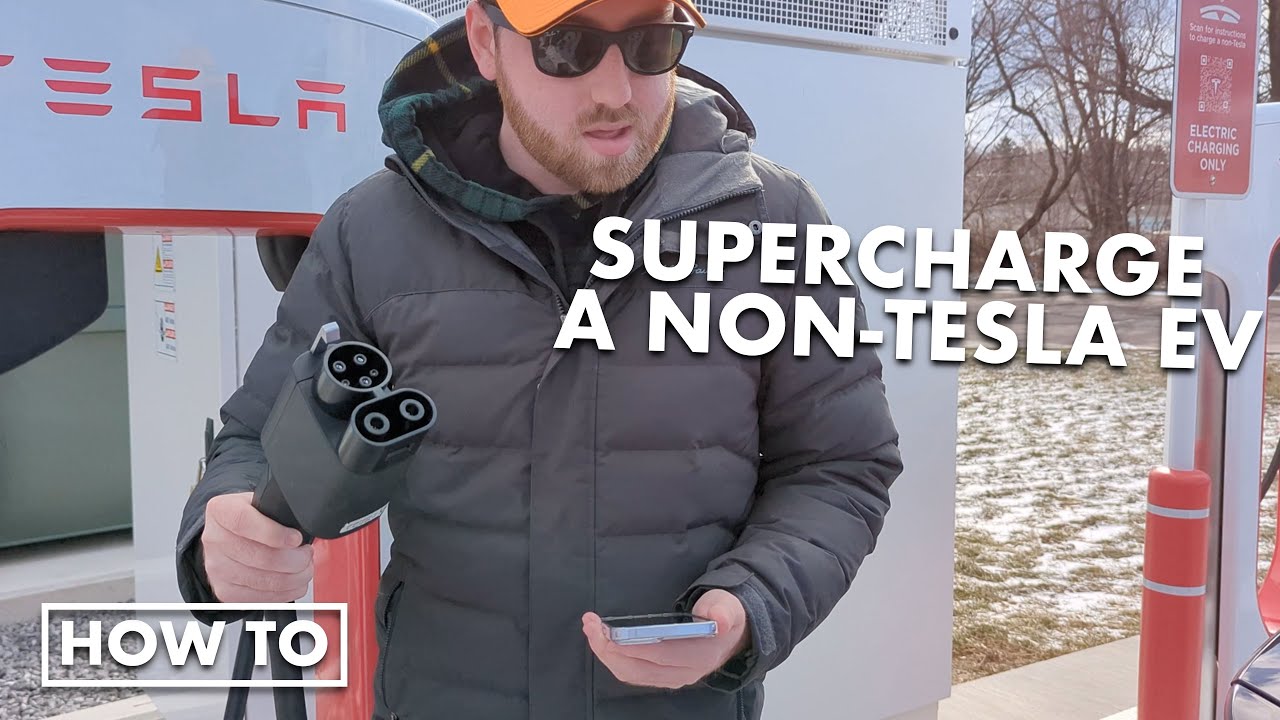
Have you ever found yourself cruising down an open highway, only to realize your electric steed’s battery is running on fumes? The Tesla Supercharger network has long been the knight in shining armor for Tesla owners, offering rapid charging at over 50,000 global locations. But what happens when you’re not driving a Tesla? The once-exclusive network is slowly opening its doors to non-Tesla electric vehicles (EVs), yet the journey is fraught with twists, turns, and a fair share of uncertainty. Is this a golden opportunity for EV enthusiasts, or merely a mirage on the horizon?
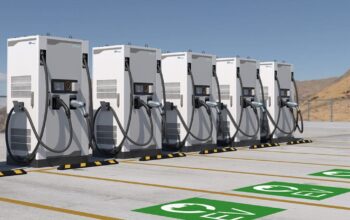
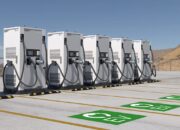
The Tesla Supercharger network, a marvel of modern engineering, has redefined the EV charging experience. With speeds that can replenish up to 80% of a battery in as little as 15 minutes, it’s no wonder Tesla owners treat these stations like oases in a desert of range anxiety. Yet, the electric vehicle revolution is not a one-brand show. As legacy automakers accelerate their EV production, the demand for accessible, high-speed charging grows. Enter Tesla’s decision to open its Supercharger network to non-Tesla EVs—a move that could either bridge the gap in charging infrastructure or leave some drivers stranded in a bureaucratic quagmire.
The Genesis of a Charging Revolution
Tesla’s Supercharger network wasn’t always a bastion of inclusivity. Born in 2012, the network was designed exclusively for Tesla vehicles, a strategic move to ensure seamless travel for early adopters. Fast forward to 2021, and the landscape began to shift. The Biden administration’s infrastructure bill earmarked $5 billion to expand EV charging infrastructure, with a stipulation: federal funds could only be used for charging stations that were open to all EVs. Tesla, recognizing an opportunity, announced plans to open its network to non-Tesla vehicles, starting with a pilot program in select European markets.
This pivot wasn’t just about compliance—it was about seizing a leadership role in the EV ecosystem. By opening its network, Tesla could position itself as a champion of universal charging access, while also generating additional revenue streams. The move also aligned with Tesla’s broader mission to accelerate the world’s transition to sustainable energy. Yet, the devil, as they say, is in the details. The rollout has been anything but uniform, with timelines slipping, compatibility issues arising, and regional disparities creating a patchwork of accessibility.
The Patchwork of Progress: Regional Disparities
Imagine planning a cross-country road trip, only to discover that the charging infrastructure resembles a Swiss cheese—full of holes. That’s the reality facing non-Tesla EV owners in many regions. While Tesla has made strides in Europe, where the pilot program has seen success, the United States has lagged behind. The initial rollout in the U.S. was marred by delays, with Tesla citing regulatory hurdles and infrastructure readiness as key obstacles. As of 2024, only a handful of Supercharger stations in select states are open to non-Tesla vehicles, leaving many drivers in a state of limbo.
The disparities extend beyond geography. Vehicle compatibility is another thorny issue. Not all non-Tesla EVs can access the Supercharger network, as Tesla’s proprietary charging connector—the NACS (North American Charging Standard)—isn’t yet universally adopted. Automakers like Ford and GM have struck deals with Tesla to use the NACS, but others remain on the outside looking in. This creates a fragmented landscape where some drivers enjoy seamless access, while others are left scrambling for alternative charging solutions.

The App as the Gateway: Navigating the Supercharger Maze
For non-Tesla EV owners, the Tesla app has become an unlikely lifeline. The app, once a Tesla-only tool, now serves as a portal to the Supercharger network, offering real-time availability, pricing, and payment options. Yet, the app’s interface is a labyrinth of options, with some features hidden behind layers of menus. The learning curve is steep, and the lack of clear instructions can leave even seasoned EV drivers feeling like novices.
Pricing is another wildcard. While Tesla has committed to competitive rates, the cost of charging at a Supercharger can vary wildly depending on the region, time of day, and even the specific station. Some non-Tesla owners report paying premiums for the convenience, while others enjoy rates that undercut traditional charging networks. The inconsistency underscores the need for greater transparency and standardization across the network.
The Road Ahead: Challenges and Opportunities
The path to universal Supercharger access is strewn with obstacles, but the potential rewards are immense. For Tesla, opening the network could solidify its dominance in the EV charging space, while also fostering goodwill among non-Tesla drivers. For the broader EV community, it could mean the difference between a seamless journey and a logistical nightmare. Yet, the challenges are formidable. Regulatory hurdles, infrastructure readiness, and vehicle compatibility must all be addressed before the network can truly live up to its promise.
One of the most pressing issues is the lack of standardization. The NACS connector, while gaining traction, is not yet a universal standard. Automakers must rally behind a single charging protocol to ensure that all EVs can access the Supercharger network without the need for adapters or special equipment. Additionally, Tesla must invest in expanding the network’s capacity to accommodate the influx of non-Tesla vehicles, lest it become a victim of its own success.
Another critical factor is education. Many non-Tesla EV owners remain unaware of the Supercharger network’s availability, let alone how to access it. Tesla must prioritize clear, accessible communication to ensure that drivers are not left in the dark. This could involve partnerships with automakers, charging networks, and consumer advocacy groups to spread the word and demystify the process.
The Human Element: Stories from the Road
Behind the statistics and policy debates are the real-life experiences of EV drivers. Take Sarah, a Chevy Bolt owner who recently embarked on a road trip from Chicago to Denver. Armed with the Tesla app and a prayer, she navigated the Supercharger network with varying degrees of success. At some stations, she found the process seamless, while at others, she encountered compatibility issues and long wait times. Her journey highlighted both the promise and the pitfalls of non-Tesla access to the Supercharger network.
Then there’s Mark, a Tesla owner who initially bristled at the idea of sharing his beloved Superchargers with non-Tesla vehicles. But after witnessing the frustration of a fellow EV driver stranded at a charging station, his perspective shifted. “It’s not about exclusivity anymore,” he said. “It’s about making sure everyone can get where they need to go.” His story underscores the broader shift in the EV community—a move toward collaboration and shared responsibility.
The Final Charge: What’s Next for Non-Tesla Supercharging?
The Tesla Supercharger network’s expansion to non-Tesla EVs is a work in progress, a dynamic saga of innovation and adaptation. While the road ahead is uncertain, one thing is clear: the demand for accessible, high-speed charging is only going to grow. As more automakers commit to electric vehicles, the pressure on charging infrastructure will intensify. Tesla’s decision to open its network is a step in the right direction, but it’s just the beginning.
For non-Tesla EV owners, the journey is fraught with challenges, but also filled with potential. The key to success lies in collaboration—between automakers, charging networks, and policymakers—to create a seamless, standardized experience. Until then, drivers must navigate a landscape that’s equal parts opportunity and obstacle course. The question isn’t whether non-Tesla access to the Supercharger network will become the norm, but how soon—and how smoothly—the transition will happen.
One thing is certain: the road to universal EV charging is a long one, but with each mile, we’re getting closer to a future where no driver is left stranded, and every journey is powered by possibility.