Luxury electric SUVs have a peculiar way of reshaping expectations. Step into the Mercedes-Benz EQE SUV and you feel efficiency translated into comfort; choose the Mercedes-Benz EQS SUV and the experience becomes something closer to a moving suite. Yet the decision rarely comes down to emotion alone. Buyers want clarity—especially when it comes to two practical things that dominate ownership discussions: size and price. In this 2026 comparison, we’ll walk through how these two electric giants diverge, how their proportions influence real-world usability, and what pricing strategies tend to reveal about the ownership journey ahead.
Some readers want a quick verdict. Others prefer a meticulous breakdown—trunk space, seating comfort, and the subtle ways dimensions affect daily life. Either way, the path to the right SUV begins with understanding what “smaller” and “larger” really mean once you’re loading groceries, picking up passengers, and parking in real spaces rather than showroom diagrams.
At a Glance: How Size Philosophy Differs
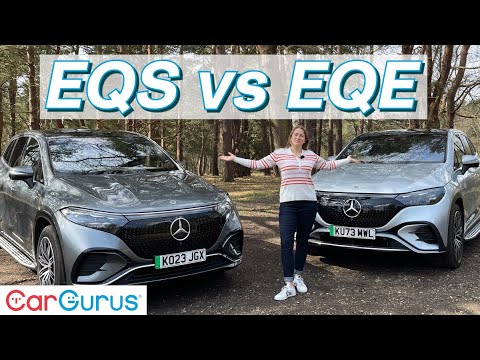
The EQE SUV and EQS SUV share the same electric DNA, but their size philosophies aren’t interchangeable. The EQE SUV leans toward a more agile presence—long enough to feel substantial, yet designed to navigate urban rhythms without demanding an oversized parking radius. The EQS SUV, by contrast, carries a more majestic stance. Its larger footprint and cabin volume are built for an audience that treats commuting as a prelude to relaxation.
Think of it like this: the EQE SUV often feels “tailored,” while the EQS SUV tends to feel “cast.” Tailored means tighter integration—more compact gestures that still deliver comfort. Cast means breadth—more space to spread out, more air around the occupants, and fewer compromises when the day gets busy.
Exterior Dimensions and Road Presence
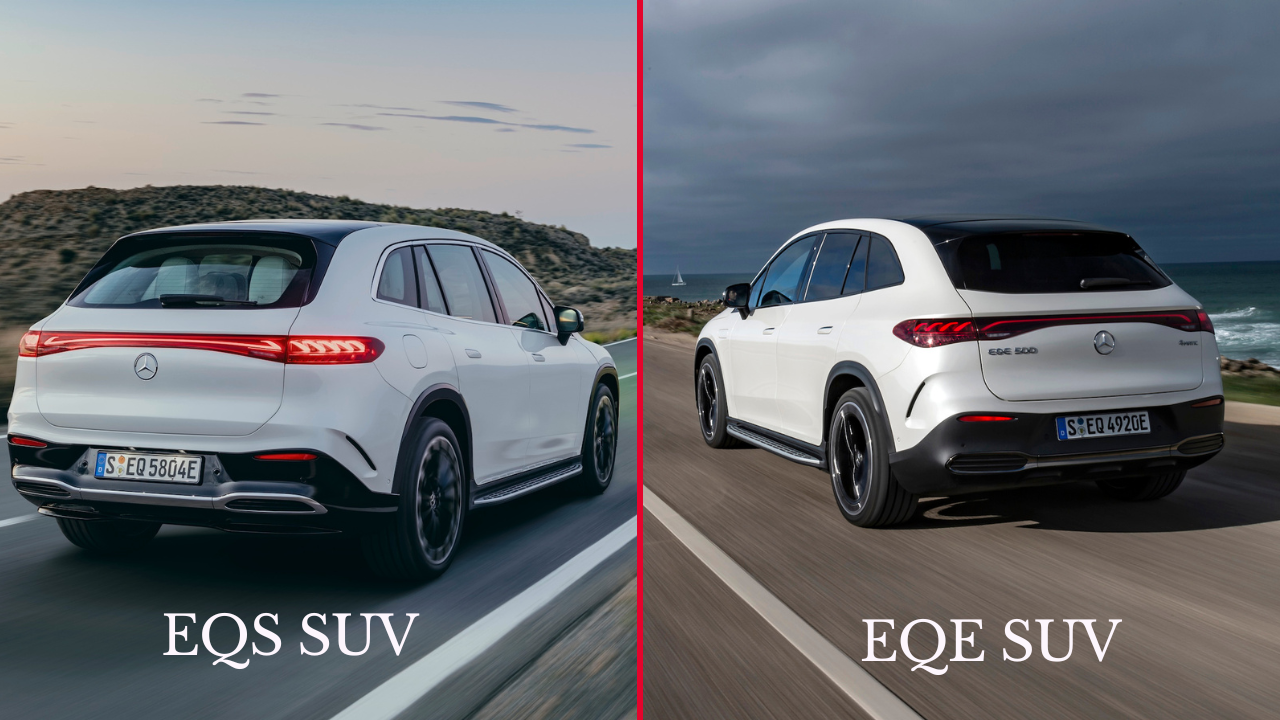
Exterior size affects more than curb appeal. It shapes how the vehicle behaves in tight maneuvers, how confident it feels at speed, and how naturally it fits into garages and loading zones. In broad terms, the EQS SUV presents a longer and more enveloping body, while the EQE SUV remains comparatively compact.
This difference plays out in three everyday scenarios:
Parking and maneuvering: A shorter, narrower footprint translates to easier alignment and less “white-knuckle” steering in narrow lots.
Highway composure: More length often correlates with a quieter, more stable sensation as speeds rise.
Passenger perception: When a vehicle looks broader, occupants often feel more insulated—an effect that can be surprisingly persuasive on longer drives.
Cabin Space, Seating Layout, and Comfort Geography
Size comparisons become meaningful only when you translate them into human movement. Inside, the EQE SUV typically offers a comfortable, well-structured cabin that feels composed rather than cavernous. The EQS SUV’s larger dimensions create a different comfort geography—more headroom, more shoulder room, and a broader sense of calm.
For families and frequent travelers, the distinctions show up in spacing and stretch habits. People don’t just sit; they move. They reach for items, adjust posture, and settle in for leg stretches. A roomier cabin reduces the “accordion effect” that smaller SUVs can trigger during multi-hour journeys.
Even when both vehicles accommodate similar passenger counts, the experience can vary. The EQS SUV tends to promote a more loungelike posture—long drives feel less like endurance tests and more like a continuation of home comfort.
Cargo Capacity and Everyday Practicality
When it comes to storage, buyers often want a simple number. But practicality is rarely that clean. Cargo usability depends on more than volume: it depends on hatch geometry, loading height, and how the trunk behaves when you fold or rearrange seating.
In general, the EQS SUV’s larger body gives it an advantage for bulkier trips—weekends, shopping hauls, and families packing for variables (weather, sports equipment, extra layers). The EQE SUV still handles daily logistics impressively, but the EQS SUV is typically the more accommodating option when your calendar includes multiple stops and unpredictable cargo.
Readers who frequently travel with strollers, luggage sets, or sports gear will often gravitate toward the EQS SUV, while those who mainly need groceries, commuting gear, and occasional weekend packing may find the EQE SUV’s cargo profile perfectly sufficient—without stepping up to a higher price tier.
Wheelbase Influence: Ride Feel and Interior Quiet
Wheelbase and overall length contribute to ride character. A longer wheelbase can help reduce pitching and improve steadiness over uneven pavement. It’s not merely about smoothness; it’s also about how the cabin “holds itself” when the road becomes irregular.
The EQS SUV typically benefits from a more serene ride cadence. That matters for passengers sensitive to motion, as well as for drivers who value a less fatiguing drive—especially on long interstate stretches. The EQE SUV delivers a refined electric experience as well, but its character often reads as more dynamic and responsive due to its slightly more compact dimensions.
Price Comparison: What “Size Premium” Really Means
Price isn’t a single number; it’s a bundle of expectations. In 2026, the EQS SUV generally commands a higher starting price than the EQE SUV. That premium usually reflects more than size alone—it often correlates with higher-end trims, larger proportions, and an emphasis on flagship-level cabin refinement.
However, the real question for buyers is whether the EQS premium translates into tangible ownership value. For some, it will. For others, the EQE SUV offers a sweeter cost-to-comfort ratio.
Here’s how to interpret pricing in a way that prevents buyer’s remorse:
Budget alignment: If your monthly payments require precision, the EQE SUV tends to be the more attainable entry point.
Use-case intensity: If you frequently host passengers or travel long distances, the EQS SUV’s spaciousness can justify the higher cost.
Trim strategy: Two vehicles can be close in price if options are compared carefully. Comparing base price alone can mislead. A “mid-trim” EQS may undercut a “high-trim” EQE—or the reverse—depending on package availability.
Resale Potential and Ownership Outlook
Size and positioning influence perceived desirability, and desirability affects resale. Luxury electric SUVs often retain value better when they’re seen as “the right size” for a broad audience. The EQE SUV is frequently perceived as universally practical—luxury without excess bulk. The EQS SUV leans into aspiration and flagship appeal.
For buyers who plan to upgrade within a few years, the EQE SUV can present a calmer depreciation curve simply because it fits more households. For those who keep vehicles longer, the EQS SUV’s flagship stature can become a long-term comfort investment. The larger cabin can feel less “over time” and more like a permanent upgrade—an effect that can matter when you’re living with the vehicle, not just testing it.
Which One Fits Different Types of Buyers?
Not every household wants the same proportions. The EQE SUV often resonates with readers who:
• Commute frequently in mixed traffic
• Need a luxury cabin without the visual or physical weight of a flagship
• Prefer easier parking and maneuverability
• Want strong electric performance with practical daily usability
The EQS SUV usually becomes the more compelling choice for readers who:
• Travel often and host passengers in comfort-focused routines
• Want the most expansive cabin feel available in this segment
• Value quiet ride composure and a more lounge-like interior experience
• Are drawn to the flagship positioning and treat the SUV as a sanctuary
How to Decide in One Test Drive (Not a Spreadsheet)
A spreadsheet can list dimensions. Only a test drive reveals how those dimensions feel when your body is involved. Spend time on these checklists:
First 5 minutes: Notice how the seating position affects your sense of space. Does the cabin feel tailored or engulfing?
15 minutes of driving: Evaluate how steering effort and road feedback feel in tight turns. If you frequently shop or park in narrow areas, pay special attention here.
Loading simulation: Imagine real cargo. How does it feel to lift bags into the trunk? Do you reach awkwardly? Does the opening feel generous?
Passenger check: Sit in the second row. Listen for how the interior quiet changes with comfort. If the EQS feels calmer, that’s not imagination—it’s often geometry plus cabin strategy.
Final Verdict: The Size and Price Trade You’re Actually Making
The 2026 Mercedes-Benz EQE SUV vs EQS SUV comparison ultimately isn’t about which one is “better.” It’s about what kind of comfort and practicality you want to fund with your budget. The EQE SUV tends to win the argument for streamlined dimensions and a more accessible price entry. The EQS SUV wins for those who want maximum interior generosity, a more flagship serenity, and an ownership experience that feels inherently expansive.
If your days are urban, time-sensitive, and filled with tight maneuvers, the EQE SUV aligns with your rhythm. If your schedule includes long drives, frequent passengers, and a stronger appetite for cabin calm, the EQS SUV is likely the more satisfying choice. Either way, the correct decision becomes clear once you match size and price to how life actually unfolds behind the wheel.