There’s a particular kind of quiet astonishment that arrives when two flagships share the same driveway—no trumpets, just presence. The 2026 Mercedes-Benz GLE and the BMW X5 step into that spotlight with the confidence of brands that know how to choreograph attention. Yet the rivalry is rarely about mere horsepower or dashboard badge glimmer. A common observation follows many shoppers from showroom to showroom: “They’re both midsize luxury SUVs—so what’s actually different?” The deeper fascination begins when you realize those differences aren’t confined to specs. They live in the way each vehicle treats your time, your senses, and even your expectations of control.
In this showdown, the question becomes less “Which is better?” and more “Which feels like it was tuned to your temperament?” And when you notice the patterns—how refinement is interpreted, how motion is translated, how technology persuades—you begin to understand why the GLE and X5 remain such enduring magnets for attention.
First Impressions: How Design Signals Intent
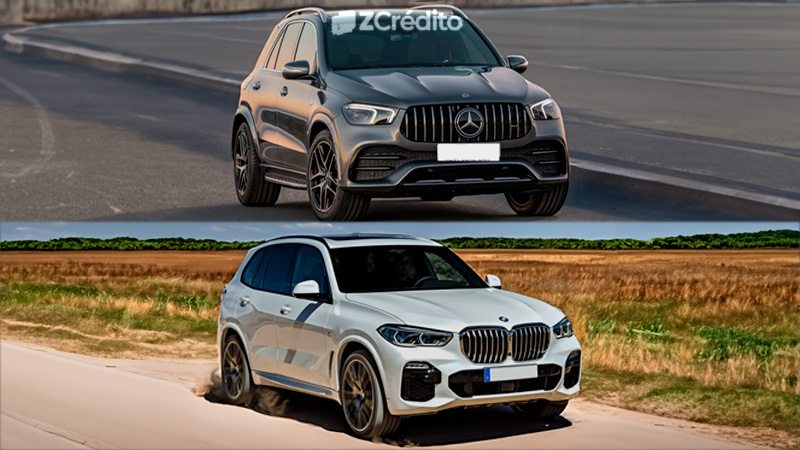
At a glance, both SUVs communicate sophistication, but their design philosophies read like different languages. The 2026 GLE leans into a more fluid, confident elegance—surfaces that appear sculpted for daylight and tailored shadows. The BMW X5, by contrast, often feels more angular and purposeful, with an athletic stance that implies readiness for anything from city sprints to highway cruising.
This is where the first subtle difference emerges: aesthetics aren’t only decoration. They are a message about how the vehicle wants to be perceived. Mercedes frequently projects serenity, as if the cabin should feel like a well-managed lounge. BMW often projects dynamism, as if the SUV is built to be an active participant in the drive.
Even lighting design can hint at character. Crisp daytime signatures and expressive headlamp housings do more than look modern; they make the vehicle feel awake. That “always on” impression becomes a kind of emotional feedback loop—drivers start to anticipate responsiveness the moment they step in.
Cabin Atmosphere: Luxury as a Sensation, Not a Statement
Luxury is often described with a catalog of materials—leather, metal accents, soft-touch surfaces. But true luxury has a more elusive quality: it regulates your attention. The GLE tends to excel at creating a calmer cocoon, where the cabin feels cohesive and composed. Visually, the layout frequently feels like an intentional composition rather than a collection of interfaces.
The X5, meanwhile, often emphasizes driver-facing clarity. Controls and displays are arranged to reduce cognitive friction. Short sentences matter here: you’re not hunting for information. You’re receiving it.
Both cabins can be lavish, but the “deeper reason” many owners mention is the psychological rhythm. Mercedes often choreographs comfort first, engineering the experience so your shoulders drop after the first turn. BMW, with its driver-centric design language, encourages engagement—eyes flick to the instrumentation, hands find the wheel naturally, and the cabin invites participation.
Infotainment and Digital Presence: Who Feels More Intuitive?
Technology in modern luxury SUVs has become a kind of performance art—slick menus, voice prompts, and navigation that seems to anticipate your next decision. The 2026 GLE and X5 are both capable in this arena, but the experience can feel different. One may prioritize elegance in presentation; the other may prioritize speed in interpretation.
A common complaint in the category is not about whether the system exists, but about how it behaves. Does it interrupt the drive? Does it feel like an app you struggle to tame? Or does it behave like a helpful co-pilot?
In the GLE, the interface experience often aims for a seamless, lounge-like flow—visual transitions that feel deliberate. In the X5, the design ethos tends toward immediacy, with a greater sense of “command” in the presentation. Neither approach is inherently superior. The fascination arrives when you realize your preferences shape what you perceive as “better.”
Powertrains and Driving Dynamics: Same Segment, Different Gravity
Underneath the badges, the GLE and X5 can each deliver authoritative performance. Yet the character of that performance is where the choice becomes personal. Mercedes has a reputation for smoothing the edges of everyday motion, making acceleration feel composed rather than abrupt. BMW is often associated with crispness—throttle response that can feel immediate and steering feedback that communicates road texture like a translator.
And that’s the heart of it. One SUV may make speed feel effortless, as if it’s gliding into place. The other may make speed feel like a deliberate decision you’re actively making.
When you factor in transmission tuning and how the powertrain chooses gears—or how it manages torque delivery—the driving feel can shift from “fast” to “involving.” Many drivers don’t realize they want involving motion until they experience it.
Ride Comfort and Chassis Tuning: The Battle Between Serenity and Precision
Midsize luxury SUVs live and die by their suspension calibration. Roads vary constantly—expansion joints, patchwork asphalt, unplanned potholes that appear like surprises in a story. The GLE often aims to absorb these disruptions with a soft-spoken confidence. The goal is to reduce impact harshness and keep occupants cocooned.
The X5 tends to pursue a slightly different balance. It may feel more connected—less detached from the road’s personality. Even when it rides comfortably, it can still communicate. It’s the difference between listening to music through a well-tuned sound system and listening through speakers that still reveal their wiring.
Neither approach is wrong. Serenity can be addictive on long drives. Precision can be invigorating during spirited runs. The question is not whether the SUV can handle bumps; it’s how it interprets them—does it erase the road, or does it translate it?
Steering, Handling, and Confidence on Demand
Luxury isn’t only softness; it’s the certainty you feel when you make a decision at speed. Steering weight, turn-in response, and stability control behavior all contribute to that impression. BMW’s reputation often grows from an engagement-centric philosophy—steering and chassis dynamics designed to reward driver input with predictable motion.
Mercedes often emphasizes composure, making transitions feel smooth and controlled. A lane change at highway speed should feel calm, not theatrical. A well-tuned stability system should act like a steady narrator, not a frantic editor.
When shoppers notice differences here, the deeper reason is usually emotional: one vehicle makes you feel competent and quick. The other makes you feel protected and unhurried. Either feeling can be compelling, especially when it matches the way you actually drive.
Safety Technology and Driver Assistance: Less Stress, More Control
Modern driver assistance features can either soothe you or nag you into distraction. A high-performing system should reduce workload without creating a new one. The 2026 GLE and X5 both aim to provide advanced safety tech, from adaptive cruise capabilities to collision mitigation and blind-spot awareness.
The real difference tends to show up in calibration and usability. How quickly does the system react? Does it feel natural in traffic, or does it hesitate at decisive moments? Does it provide warnings with clarity instead of noise?
Long commutes highlight this. When assistance works smoothly, your body relaxes. You arrive less fatigued, not just less stressed. That’s the kind of benefit that never shows up in a spec sheet.
Space, Practicality, and Family Readiness
Luxury buyers frequently measure the vehicle’s value by how it fits into life. The second row, cargo access, and ease of loading matter more than a brochure might suggest. Both SUVs are built to be practical, but the “feel” of space can vary—how doors open, how wide the cargo mouth is, how easily items slide in.
Mercedes typically cultivates a sense of generous comfort for passengers, with a layout intended to reduce clutter and maximize usability. BMW often prioritizes a balanced combination of passenger room and driver convenience, with a layout that encourages straightforward loading and a tidy cabin.
And for those with active routines—sports gear, weekend trips, or daily groceries—practicality becomes the quiet hero. It’s not glamorous. It’s decisive.
Fuel Efficiency and Ownership Reality: Beyond the Numbers
Fuel economy is important, but ownership costs are a fuller narrative. Maintenance plans, tire wear patterns, service intervals, and insurance considerations can influence the total experience. Even driving style changes outcomes, and luxury vehicles often reward careful throttle management for best efficiency.
Some drivers prioritize range confidence for long weekends. Others prioritize smooth daily commuting. The deeper fascination here is that the “best” choice can depend on the shape of your calendar.
A vehicle that feels effortless in traffic can make you drive more smoothly. A vehicle that feels eager on ramps can make weekend adventures more frequent. Habits become part of the ownership equation.
Resale Value and Brand Momentum
Luxury SUV buyers are increasingly thinking in horizons. Resale value isn’t merely financial—it’s proof that the vehicle’s appeal endures. Brand momentum, demand for specific trims, and overall reliability trends all play roles in how well the market receives a model over time.
Both the GLE and X5 benefit from strong reputations. Yet the specifics vary by region, powertrain preference, and how buyers value options. Often, the most “future-proof” trims are not those with the flashiest features, but those with broadly loved comfort and tech packages.
Choosing Your Winner: The Character Match Test
So which one should you choose? The answer isn’t universal. It’s relational—between your preferences and the vehicle’s emotional signature. Ask yourself a few straightforward questions. Do you want the calm authority of a lounge-like ride? Or do you want the engaging precision that keeps you aware of the road’s texture? Are you drawn to a cocooned cabin that quiets the world? Or to a command center that keeps you actively informed?
The GLE is often a compelling choice for drivers who treat luxury as serenity. The X5 is often a compelling choice for drivers who treat luxury as controlled dynamism. Many buyers find that the “best” vehicle is the one that makes each drive feel less like transportation and more like an experience with its own tempo.
Final Thoughts: Two Rivals, One Lingering Fascination
In the 2026 Mercedes-Benz GLE vs BMW X5 showdown, the fascination doesn’t come from sameness. It comes from contrast. One SUV tends to soothe; the other tends to energize. One may make you feel protected in motion; the other may make you feel involved in it.
Whichever you choose, the decision becomes more than a purchase. It becomes a statement about how you want the world to feel when you’re behind the wheel—what you want to notice, what you want to forget, and how you want each drive to end with that unmistakable sense that the vehicle understands you back.