There’s a particular kind of pride that comes with buying a luxury vehicle. Not merely the pride of owning something impressive, but the quieter confidence that it will still make sense years later. Resale value is where aspiration meets arithmetic. It’s the difference between a purchase that gently depreciates and one that can feel like a slow leak. When shoppers scan the used market, they’re often chasing the same things: durability, brand cachet, parts availability, and the sort of engineering that refuses to become obsolete overnight.
Among Mercedes-Benz models, a short list consistently attracts attention from buyers and sellers alike. The G-Wagen, S-Class, and GLE stand out as perennial favorites—each with its own personality, audience, and value proposition. Below is a curated look at the Top 5 Mercedes-Benz Models with Best Resale Value, with a spotlight on the trio that most often comes up in conversations: G-Wagen, S-Class, and GLE.
1) Mercedes-Benz G-Class (G-Wagen): The Icon That Holds Its Ground
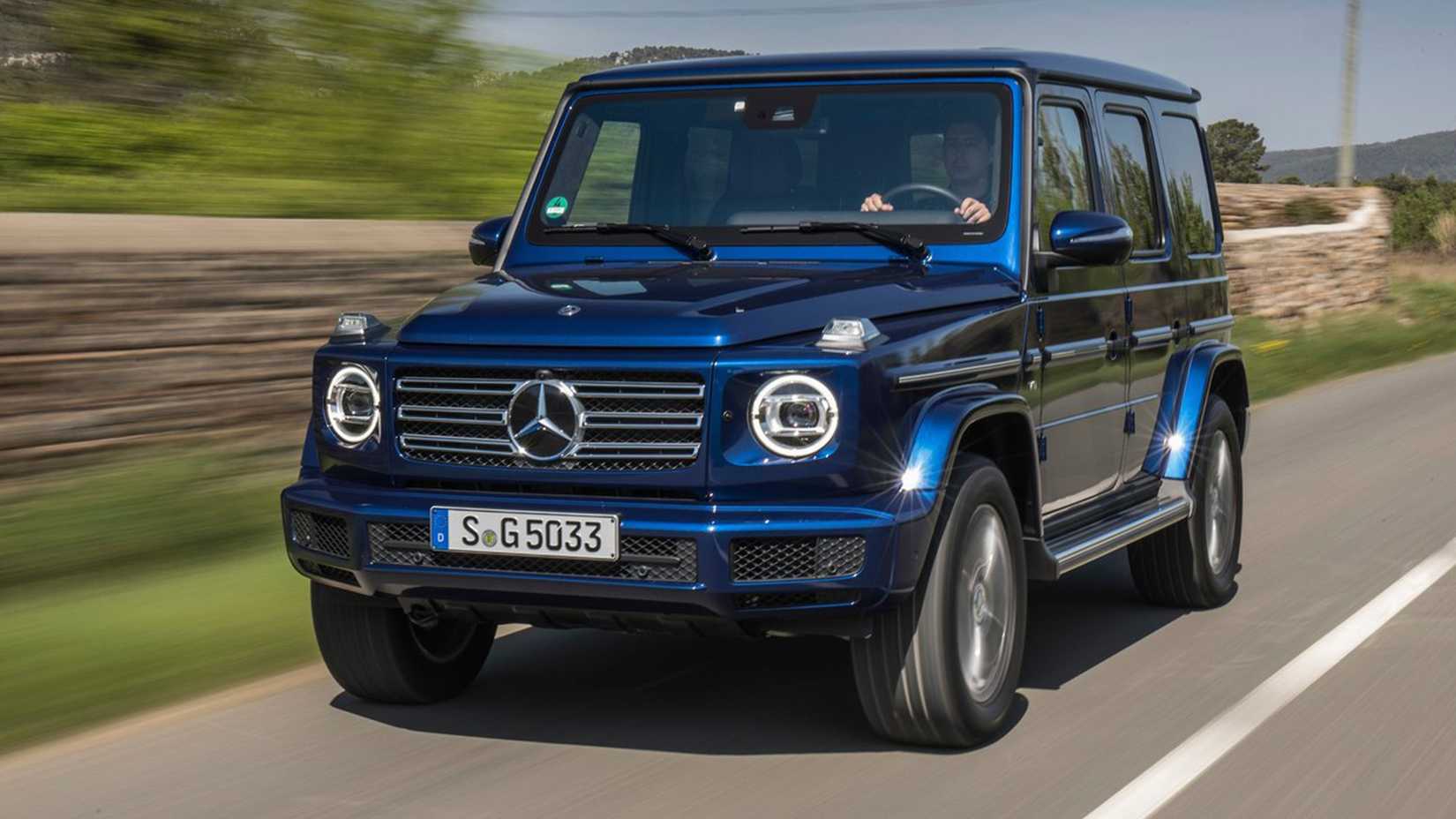
Few names in the automotive world carry the same gravitational pull as the G-Class. The G-Wagen isn’t just a vehicle; it’s a cultural artifact—famous enough to be recognized in a parking lot from across the street. That visibility has a direct effect on resale value. High demand creates pricing stability, and pricing stability is the backbone of good resale performance.
The G-Wagen’s value also benefits from a very specific kind of desirability: buyers don’t simply want transportation. They want a statement of intent. This means the model often retains its appeal even when broader consumer preferences shift. Long after some “trend” vehicles have faded into the background, the G-Wagen remains recognizable, relevant, and, importantly, easy to market when it’s time to sell.
Expect the used market to reward well-kept examples—especially those with desirable trims, service history, and interior condition that feels meticulously maintained. The more the vehicle reads like “owned carefully,” the less negotiating power the buyer holds. In resale terms, that’s leverage.
2) Mercedes-Benz S-Class: Quiet Prestige With Commercial Longevity
If the G-Wagen is about presence, the S-Class is about poise. It’s the flagship of Mercedes-Benz—an automobile designed to feel composed at any speed, on any surface. Buyers don’t only purchase the S-Class for luxury. They purchase it for the sensation of “done right,” including ride quality, interior refinement, and a level of engineering thoroughness that tends to age gracefully.
Resale value for the S-Class often stays strong because buyers view it as a long-term investment in comfort and credibility. Fleet buyers and executive owners frequently look for reliability and a maintainable ownership experience. When a model has consistent demand from multiple segments—private owners, corporate buyers, and enthusiasts—prices don’t swing as wildly.
What helps most is how the car’s perceived quality translates into real-world outcomes. Interiors age well when they’re treated properly, and mechanical components tend to benefit from established service pathways. A well-documented maintenance record can act like a seal of approval.
Expect a used S-Class to sell faster when it’s equipped with features that signal maturity and convenience: high-quality infotainment, driver assistance capabilities, and premium seating. Even small trims of “nice-to-have” options can widen the buyer pool—an invisible advantage during resale.
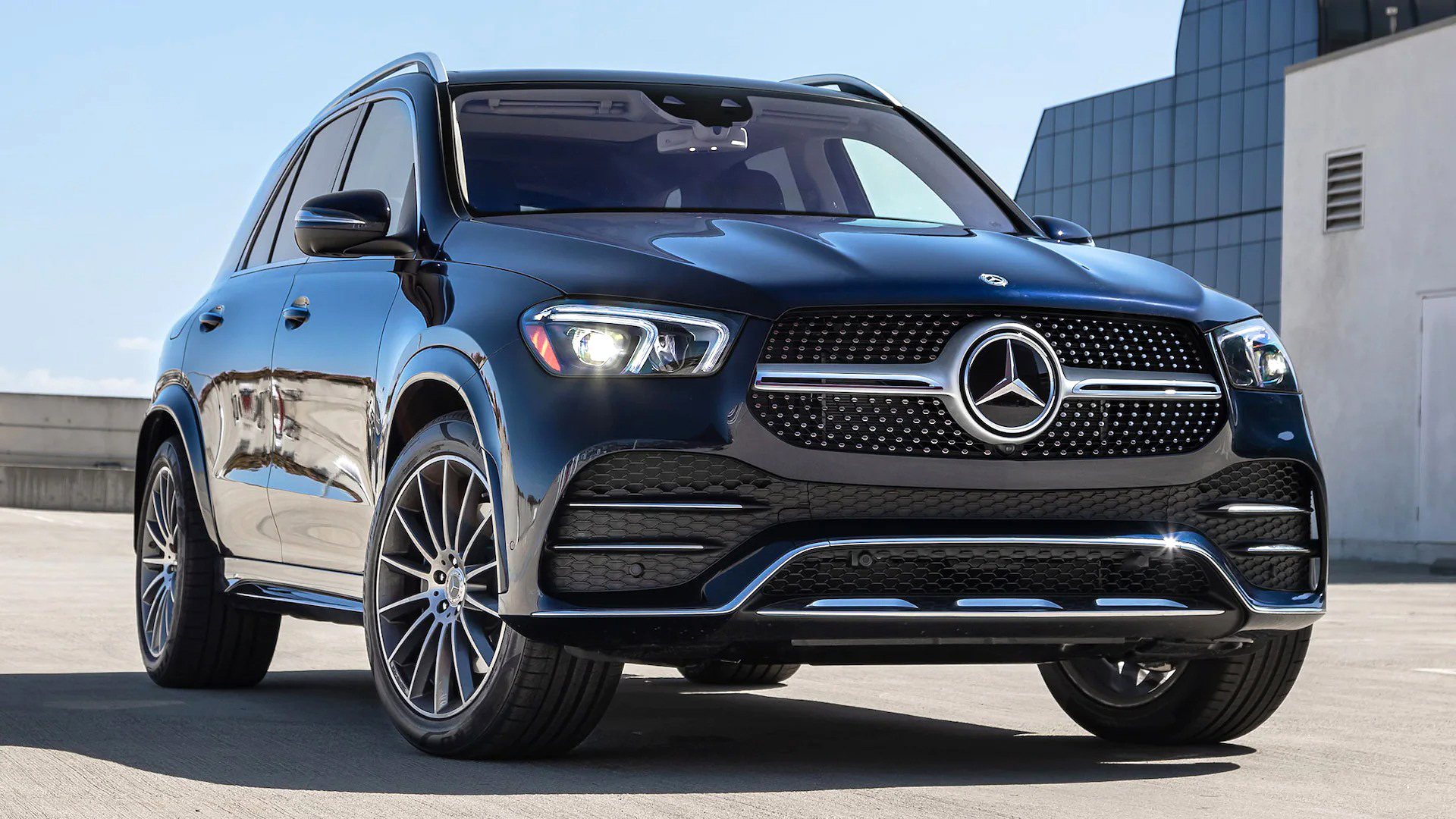
3) Mercedes-Benz GLE: Practical Luxury With a Strong Secondary Market
The GLE is the bridge between spectacle and everyday utility. It’s aspirational, yes—but not fragile. The GLE lives in that sweet spot where many owners can actually use it daily, which matters more than people think. If a luxury vehicle sees frequent, sensible use, it tends to build a more predictable service history. When the ownership story is coherent, resale value follows.
Demand for the GLE is also supported by a familiar rationale: it offers Mercedes comfort without requiring the buyer to make peace with the tradeoffs that sometimes come with more niche models. Its crossover stance makes it easy to justify. That easy justification often turns into a broader audience when selling.
To maximize resale potential, focus on condition and documentation. Paint quality, tire wear, and interior cleanliness are frequently scrutinized. The GLE’s value is rarely about one flashy feature alone. Instead, it’s a cumulative impression—an amalgamation of care, mileage credibility, and feature alignment.

4) Mercedes-Benz E-Class: The Sensible Choice That Still Feels Premium
The E-Class doesn’t always steal headlines, but resale value often loves it for that very reason. It’s the model that many buyers recommend when they want luxury without turbulence. That steadiness matters. A vehicle that attracts mainstream confidence tends to keep a healthier resale curve because fewer people are disappointed by unrealistic expectations.
Over time, the E-Class earns its reputation through practicality: manageable maintenance, accessible parts, and the kind of ownership experience that doesn’t require specialized guesswork. Buyers also like the E-Class because it’s adaptable—different trims appeal to different personalities, from comfort-first drivers to those chasing more sport-oriented configurations.
When listing an E-Class for sale, think in terms of clarity. Make it easy for buyers to verify service records, highlight recent tires or brake work, and present the interior as “ready now.” The E-Class rewards sellers who present it as a dependable, low-drama purchase.
5) Mercedes-Benz C-Class: The Entry Point That Ages Better Than Expectations
The C-Class may sit closer to the “entry” side of Mercedes-Benz’s lineup, but that doesn’t mean resale is an afterthought. In many markets, the C-Class maintains strong interest because it offers luxury cues at a price that makes sense. That demand for value-for-premium can be resilient, especially in regions where buyers prefer to stay financially disciplined while still buying the badge.
Resale value tends to be influenced by how well the C-Class preserves its appeal as technology and design cycles advance. Well-maintained examples can still feel current, particularly when they’re equipped with modern multimedia interfaces and driver assistance features. Even when a newer model arrives, buyers often appreciate how maturely the C-Class performs and how gracefully it fits into daily life.
If you’re targeting the best resale outcome, prioritize the fundamentals: spotless cabin condition, straight panel alignment, and a maintenance timeline that reads like a story with no missing chapters. In resale negotiations, trust is currency.
How to Protect Resale Value (Across All Five Models)
Resale isn’t only about the badge. It’s about the narrative the car tells. Start with maintenance documentation. Receipts, service stamps, and a consistent upkeep schedule reduce buyer anxiety. Next comes cosmetic condition: minor blemishes can snowball into price deductions. Treat the car as if every surface is part of the appraisal.
Also consider mileage credibility. A lower-mileage car with an incomplete service record may not outperform a higher-mileage vehicle that has been tended meticulously. Buyers are increasingly data-driven in their own way.
Finally, equipment matters. Options that improve convenience, safety, and comfort usually increase buyer confidence. A vehicle that’s “easy to live with” sells better than one that requires the buyer to imagine improvements after purchase.
Choosing the Right Model for Your Resale Strategy
The best resale value depends on the kind of ownership you intend to live. The G-Wagen suits drivers who want iconic durability and don’t mind paying for the privilege of timeless style. The S-Class is for those who prioritize composure, executive presence, and long-term confidence. The GLE fits shoppers who want Mercedes refinement without giving up practicality.
The E-Class balances premium with steady demand, while the C-Class often attracts value-minded luxury buyers who expect smart depreciation. In other words, the resale winners aren’t only those that cost more—they’re the ones that remain easy to buy and easy to sell.
Conclusion: Resale Value as a Form of Peace of Mind
Top resale performers share a trait: they’re not merely vehicles. They’re choices with sustained demand, built on reputations that don’t evaporate after one model cycle. The Mercedes-Benz G-Class, S-Class, and GLE anchor that philosophy with distinctive appeal—iconic, executive, and practical, respectively. Add the E-Class and C-Class, and you have a lineup that covers multiple buyer temperaments while still aiming at the same outcome: value that holds.
When a luxury car retains its worth, it turns ownership into something more satisfying. Not just the feeling of driving something exceptional today, but the confidence that the future won’t punish you for buying well.