There’s a curious, almost cinematic moment that plays out for many car buyers: the first time you watch a Mercedes roll off the forecourt and—rather than becoming less relevant—seems to gain a certain gravity in conversation. Yet the moment someone brings up depreciation, the mood shifts. “Sure,” the skeptic says, “but how much will it really lose?” It’s a common observation, and it deserves a thoughtful answer. Mercedes-Benz depreciation isn’t one simple number. It’s a living pattern, shaped by model positioning, demand cycles, and the emotional math buyers make when they fall for design, brand pedigree, and engineering ambition.
So which Mercedes models hold value best? The real story is not merely about staying power in the market. It’s about why certain cars attract repeat attention long after the honeymoon phase ends, and why others slip into the marketplace like a fading showroom melody.
Depreciation Isn’t a Feeling—It’s a Market Signal
Depreciation is often discussed as if it were a betrayal: you pay today, you lose tomorrow. But in practice, it’s the market translating risk, desirability, and replacement cost into a price curve.
For Mercedes-Benz specifically, depreciation behavior can be surprisingly varied across models and even across trims. Some vehicles are treated like liquid assets; others become niche propositions. In other words, depreciation is less about the badge on the grille and more about the ecosystem surrounding each model.
Consider two cars with similar price tags at purchase. One might enjoy persistent demand because it’s widely recognizable, easy to finance, and tuned to mainstream tastes. The other may be brilliant but oddly specific—beloved by a smaller group, harder to replace, and less frequently cross-shopped. That difference alone can change the trajectory of value.
Why Some Mercedes Models Hold Value Better Than Others
The models that hold value best tend to share traits that stabilize demand. These aren’t just marketing platitudes; they’re mechanics.
1) Timeless visual identity. Cars that look unmistakable even years later often attract buyers who want instant recognition, not a “maybe I’ll grow into it” design. Mercedes excels when styling becomes signature rather than trend-dependent.
2) Engine and drivetrain reputation. Certain drivetrains develop a reputation for competence—smoothness, reliability, and predictable service life. When owners and technicians trust the architecture, the market follows.
3) Maintenance transparency and parts availability. Value retention improves when common service items are straightforward and parts are readily sourced. A car that’s easy to keep is a car that’s easier to re-sell.
4) The “right” kind of desirability. Some models become the default choice for buyers who want prestige without chaos. Others are exhilarating but feel like a commitment. That commitment can be wonderful—until resale time arrives.
How Depreciation Curves Typically Evolve Over 1–12 Years
Many owners expect depreciation to be evenly painful. Often, it isn’t. Depreciation curves commonly show faster drops early, then a slower glide as the car moves from “new purchase” territory into “buyer’s market” territory.
During the initial years, depreciation can accelerate because the car is compared against newer inventory. Features that seem cutting-edge at purchase can become commonplace. However, some Mercedes models behave differently: their value stabilizes sooner because buyer demand stays anchored. That anchoring effect can come from consistent production numbers, strong enthusiast communities, or a reputation that outlives the model’s first introduction cycle.
Later years tell a different story. By then, condition dominates. Mileage, service records, and wear patterns matter more than brochures. Still, models with durable market appeal generally hold a higher percentage of their original value—even when age rises like morning fog.
Mercedes Performance Models: Enthusiasm That Can Either Protect or Expose Value
Performance Mercedes models occupy a fascinating zone. Enthusiasm can be a shield. It creates a loyal buyer base that returns when the next opportunity appears. But performance cars can also be more sensitive to ownership realities—tires, brakes, and the simple fact that spirited driving leaves a visible footprint.
When a high-demand performance model is also practical enough to be used regularly, depreciation often becomes less severe. Buyers are willing to pay for the experience now, and they know someone else will want it later. That expectation reduces resale fear.
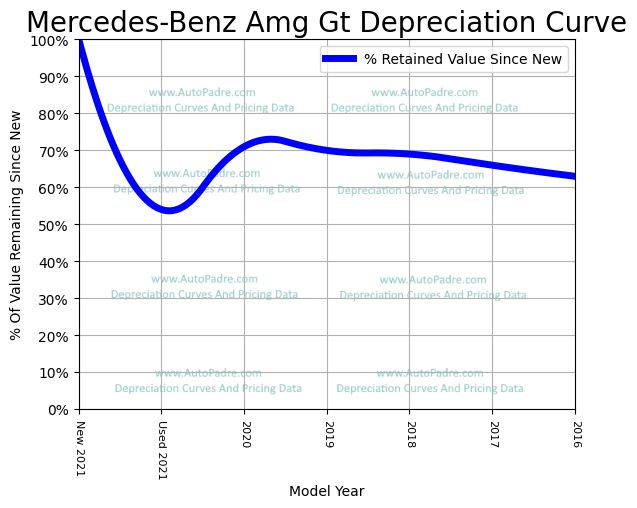
Yet it’s essential to remember: not every performance Mercedes is equally liquid. Some are beloved in small circles. Others become broader icons. The difference between a niche cult classic and a widely shopped model can be the difference between “holds value” and “discounted fast.”
Luxury Sedans and Crossovers: The Value Retention Sweet Spot
If you’re looking for the models most likely to hold value, luxury sedans and well-rounded crossovers often enter the conversation. These vehicles fit into more lifestyles. They also attract broader buyer demographics—commuters, executives, families, and enthusiasts who want comfort without sacrificing presence.
Mercedes has cultivated a pattern of high recognizability here. A well-known sedan lineage tends to generate predictable demand because it’s easy to understand at a glance. Crossovers add another layer: utility. Utility expands the candidate pool when it’s time to sell.
When a Mercedes is both prestigious and sensible, the market treats it like a durable asset. Depreciation remains, but it’s less abrupt. It doesn’t feel like a cliff. It feels like a slow, manageable descent.
Which Mercedes Models Hold Value Best? Look for Demand, Not Hype
Because each model has its own market gravity, the best approach is to think like a buyer: ask what someone else will want later, not just what you admire today.
Models that tend to hold value best often include those with strong brand association, widely perceived reliability, and consistent resale interest. They may not be the flashiest in a showroom. But they’re typically easy to shop for, easy to service, and easy to justify.

Across Mercedes lineups, depreciation differences often mirror how the market “sorts” cars. When a model is considered a safe bet—emotionally and financially—buyers cluster around it. When a model is considered a complicated proposition, fewer people circle it during resale season. The number of circlers is what drives the price.
Deeper Reasons for Fascination: Why Mercedes Depreciates Differently
It’s tempting to interpret value retention as purely financial engineering. But Mercedes depreciation behavior also reflects a human phenomenon: fascination.
Mercedes owners often don’t just own transportation; they own a narrative. The car becomes a symbol of taste, identity, and technical romance. That narrative doesn’t disappear when the car gets older. For certain models, it even intensifies as the “out-of-date” becomes “classic.” In those cases, depreciation is partially softened by the car’s ability to keep telling its story.
Still, fascination isn’t universal. Some cars tell a story that only a minority understands. Those cars can be thrilling, but they’re less broadly liquid. Meanwhile, models with widely legible design language, strong brand consensus, and dependable engineering tend to become the market’s favorite chapters—kept, referenced, and passed along.
How to Improve Your Mercedes’s Resale Outcome
If your goal is maximizing value retention, focus on the variables that the market can verify quickly.
Maintain meticulous service records. A stamped history card can be worth more than cosmetic upgrades.
Choose sensible mileage and careful usage. Low mileage matters, but so does condition. Smooth, tidy wear reads like “less risk.”
Keep the car clean in both visible and invisible ways. Interior condition, tire quality, and suspension health signal how the car was treated.
Avoid overcomplication at purchase. Highly specific configurations can appeal to you profoundly, yet feel awkward for the next buyer.
Mind the trim strategy. In resale, certain trims become the default choice because they’re easier to compare. Simplicity can be an ally.
Outro: The Smart Way to Choose a Mercedes for Longevity
Mercedes-Benz depreciation is a tapestry, not a verdict. The models that hold value best usually combine market clarity with enduring appeal—an intersection where buyers feel both emotionally certain and financially secure.
So when you’re weighing your next Mercedes, don’t only ask what it costs to buy. Ask what it costs to replace, how easily it will be shopped later, and what kind of buyer will want it when your ownership chapter ends. That’s where the real answer lives: not in a single percentage, but in the continuing story a model tells long after the keys have been turned in.