There’s a particular kind of optimism that gathers around a well-kept Mercedes-Benz. It doesn’t arrive as a slogan. It shows up in the small details: the way a door closes with composure, the way the steering wheel holds its calibration, the way a dashboard still looks deliberate years later. And then—inevitably—the question surfaces, asked by drivers who have clocked real miles and by curious observers who’ve only ever seen the vehicles on busy highways: Mercedes-Benz reliability— which models last 200k miles?
People often treat 200,000 miles as a milestone earned by luck. But that’s a comforting myth. The truth is more nuanced, almost cinematic. A long-lived Mercedes isn’t merely durable—it’s orchestrated. Its longevity is the result of engineering decisions, manufacturing rigor, maintenance rhythms, and a particular ecosystem of parts designed to wear predictably rather than catastrophically.
Below is an outline that follows the arc from common observation to deeper fascination—starting with why Mercedes longevity captures imaginations, then moving through model families, driving conditions, and the less glamorous elements that decide whether an odometer becomes a museum label or a moving statistic.

Why the 200k-Mile Question Feels Personal
Ask a Mercedes driver why they kept their vehicle, and the answers tend to be layered. Yes, there’s pride in ownership. But there’s also something else: a belief that the car’s personality can outlast its early reputation. That belief is persuasive because Mercedes vehicles often age with character. Even as rubber hardens and paint dulls, the chassis still feels composed, the ride still has structure, and the cabin continues to communicate quality.
The common observation is simple: some models seem to “run forever,” while others develop quirks sooner than expected. The deeper reality is that reliability isn’t a singular trait. It’s a choreography of components—engine, transmission, cooling system, electronics, drivetrain mounts—working in a sequence that tolerates time.
The Architecture Behind Longevity: What Really Determines Reliability
Longevity at 200k miles usually comes down to four technical pillars.
First: the powertrain’s thermal management. Engines and transmissions that handle heat with restraint don’t just survive—they remain consistent. Over time, reduced heat stress means fewer gasket failures, fewer accelerated wear points, and a less dramatic decline in performance.
Second: lubrication discipline. Mercedes engines that maintain clean oil pathways and reliable filtration tend to resist internal sludge and wear. This is less glamorous than horsepower, but it’s often more important than enthusiasts expect.
Third: drivetrain balance. The ability of mounts, bushings, and driveline components to absorb vibration without premature degradation is a quiet advantage. When those systems hold together, the vehicle feels stable long after “newness” fades.
Fourth: electronics designed for serviceability. Modern Mercedes vehicles are full of sensors and control modules. That can sound like a recipe for fragility. Yet it often becomes the opposite when diagnostic strategies are sound and components are built with predictable failure modes rather than wild randomness.
Mercedes Models Most Commonly Associated With 200k-Mile Endurance
Not every Mercedes is equally likely to reach 200k miles without drama. But certain model lines have earned reputations because their core systems have matured across multiple generations.
Mercedes-Benz E-Class (particularly certain engine and transmission pairings): The E-Class often attracts high-mileage owners because it blends long-distance comfort with a practical mechanical foundation. In many cases, the durable reputation is supported by a steady maintenance culture and powertrains that tolerate varied driving patterns.
Mercedes-Benz C-Class (select variants): The C-Class can also become a long-term companion. When a vehicle is kept on a sensible service schedule—especially around fluids, filters, and cooling components—it tends to show less “surprise depreciation” in reliability.
Mercedes-Benz S-Class (with consistent maintenance): The S-Class is frequently viewed as a symbol of refinement, but refinement can be a form of engineering. Its systems are built to manage comfort demands without constantly overworking components. The result is often a smoother path to high mileage.
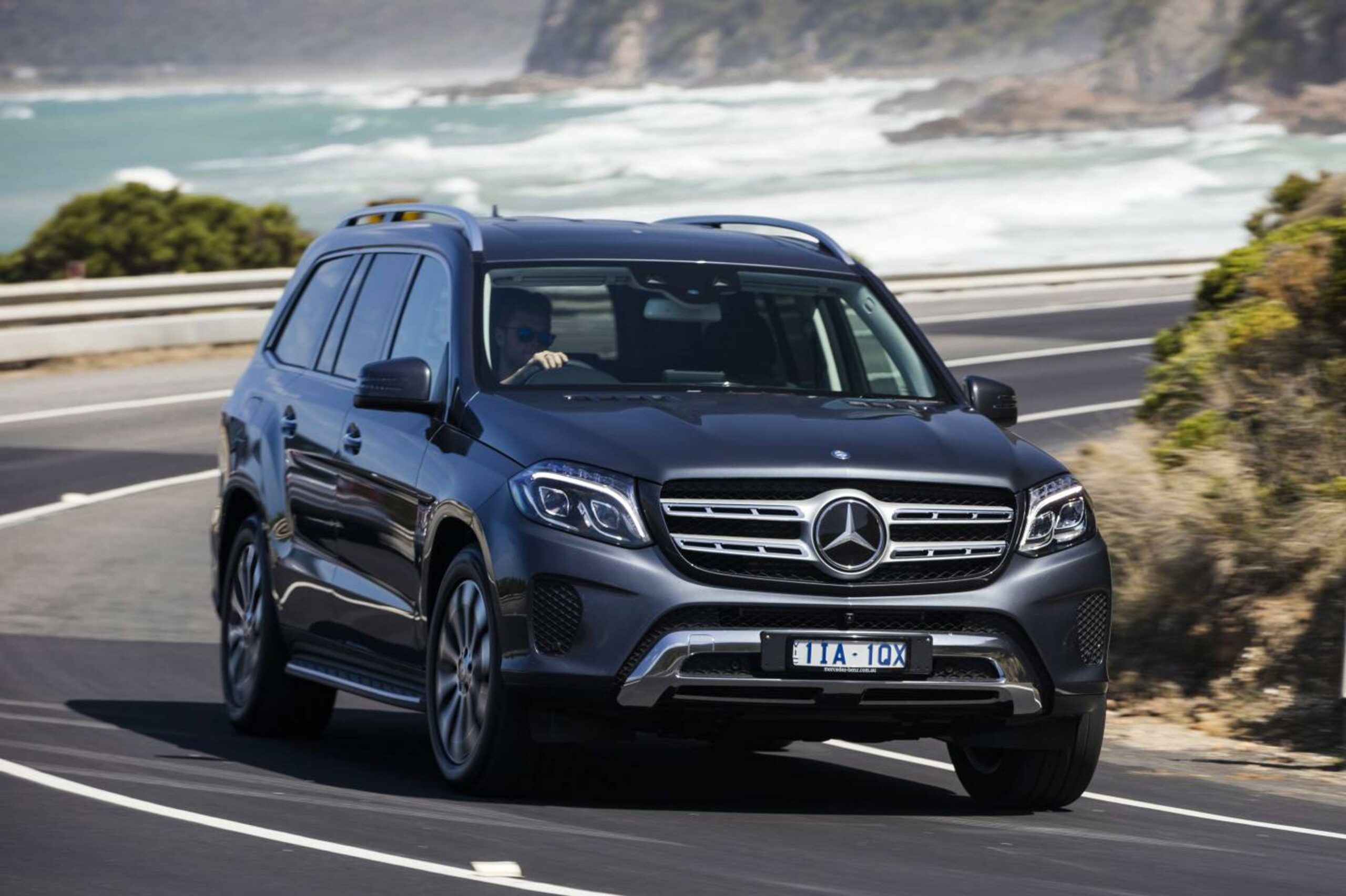
Mercedes-Benz GLE/GLC (especially when maintained with discipline): Mercedes SUVs can absolutely hit 200k miles. Their success is more conditional than sedans, often hinging on drivetrain management—transmission health, cooling integrity, and the avoidance of neglected service intervals.
Mercedes-Benz Metris and Sprinter (commercial and utility reality): If you want a “street-to-work” reliability benchmark, look toward van platforms. Their longevity is frequently driven by consistent use, predictable servicing, and fleet-like attention to maintenance. This is where high-mile endurance becomes less a myth and more an operational expectation.

Engines and Transmissions: The Pairing That Changes Everything
One reason reliability conversations feel messy is that drivers compare vehicles that are not mechanically comparable. For longevity, the engine isn’t alone. The transmission behavior—shifts under load, temperature management, and fluid maintenance—can determine whether 150k miles becomes a gentle lead-in to 200k, or a prelude to expensive interventions.
Many high-mile Mercedes stories share a pattern: the vehicle didn’t just “feel strong,” it was serviced with frequency and accuracy. Fluid services for transmissions, timely coolant replacement, and attention to ignition and intake health often prevent problems that would otherwise grow teeth over time.
Another subtle factor is how the vehicle was driven. Constant stop-and-go can tax cooling and trigger quicker thermal cycling. Highway cruising can be easier on components because temperatures stabilize and the engine spends more time in efficient operating zones. Neither is inherently “bad,” but the maintenance response should match the driving reality.
The Hidden Culprits at 150k–200k Miles
When a vehicle approaches 150k miles, the failure landscape changes. Early-life issues tend to be design or manufacturing quirks. Late-life issues are usually wear-driven and system-environment driven. Common late-stage challenges include:
Cooling system fatigue: Hoses, thermostats, and cooling control components can degrade. A small seep becomes a cascade if coolant neglect becomes habitual.
Sensor drift and calibration aging: Sensors can degrade gradually. That can translate into minor drivability annoyances that—if ignored—lead to larger fuel and emissions concerns.
Mount and bushing deterioration: As mounts soften, vibration rises. That vibration doesn’t just annoy; it can accelerate wear in adjacent parts, including drivetrain linkages.
Battery and auxiliary system decline: High-mile vehicles may develop electrical gremlins as the battery ages and accessories draw under changing conditions.
These aren’t necessarily “bad designs.” They’re the predictable consequences of time interacting with heat, moisture, and stress cycles.
Maintenance Habits That Turn a “Good” Mercedes Into a “Great” One
A fascinating irony of longevity is that it’s rarely achieved through dramatic repairs. It’s built through routine competence. A disciplined maintenance schedule often matters more than brand myths.
Consider these practices:
Use the correct fluids and respect service intervals. Oil quality, coolant formulation, and transmission fluids influence wear rates more than many owners expect.
Watch for early symptoms instead of waiting for escalation. A slight overheating episode, a persistent warning light, or a delayed shift should be treated as information, not inconvenience.
Prioritize cooling system inspections. At high mileage, the cooling system is the guardian of longevity. Keep it honest, and the engine often stays calm.
Don’t ignore alignment and suspension health. Proper tire wear and stable suspension geometry reduce stress loads across the drivetrain.
How Driving Conditions Shape the Odds
Two identical models can reach 200k miles in opposite states of health. Why? Weather and route design. Winter climates stress batteries, seals, and rust-prone components. Dusty regions tax filters and intake systems. Hilly areas add thermal load during frequent downshifts. Even altitude changes can affect engine management behavior.
In other words, longevity is a conversation between vehicle engineering and real-world friction. Mercedes reliability at 200k miles often appears when the environment is understood and the maintenance response is aligned.
Choosing a Mercedes for 200k-Mile Potential
If the goal is durability, the buying mindset should be pragmatic. Look for evidence of service history, receipts that show consistent intervals, and signs that the cooling system has been treated as a priority rather than an afterthought. A clean maintenance record isn’t glamorous, but it’s one of the most predictive indicators of future reliability.
Also, assess condition patterns. High-mile Mercedes vehicles that are cared for often show wear evenly, not haphazardly. Odd gaps in documentation, repeated warning lights, or neglected leaks can suggest that the car has been living on borrowed time.
The Fascination: Why Mercedes Long-Term Ownership Becomes an Identity
Reliability isn’t just about avoiding breakdowns. It’s about feeling the car remains coherent as time passes. Many owners don’t chase novelty—they chase continuity. A Mercedes that reaches 200k miles tends to become part of someone’s rhythm: commuting routines, weekend trips, long road narratives that don’t end at the warranty boundary.
This is the deeper reason the topic is so compelling. The question “which models last 200k miles?” is really asking about trust. It’s asking whether an expensive object can remain dependable, whether refinement can survive reality, and whether engineering discipline can outlast the noise of trends.
Closing Thoughts: How to Think About 200k Miles With Confidence
Mercedes-Benz vehicles can reach 200k miles, and certain model families—especially when powered and maintained with care—are more likely to become enduring companions than stories of early decline. The best outcomes usually come from the same variables: disciplined service, correct fluids, cooling integrity, attentive diagnostics, and an understanding of how your driving environment shapes wear.
At 200k miles, reliability stops being a marketing promise and becomes a lived experience. If the vehicle’s systems were respected—engine, transmission, cooling, and electronics—then longevity stops feeling like luck. It becomes the result of a well-run machine, quietly building trust mile by mile.