The debate is as old as the smell of clutch friction: should the driver remain tethered to the manual transmission, or should the car’s electronics take the wheel—literally and mechanically—through an 8-speed automatic? With the BMW M3, the question isn’t just about convenience. It’s about cadence, control, and the kind of joy that comes from orchestrating torque rather than merely requesting it. The manual gearbox offers a tactile intimacy; the 8-speed automatic offers velocity with a surgeon’s precision. Put them side by side and the differences become audible, then physical, and finally philosophical.
This article unfolds the topic like a drive sequence: first, how each transmission behaves in motion; then how it feels at the helm; next, what it means for performance credibility; and finally, which type of driver is most likely to fall for each setup. Expect contrasts in response time, shift feel, stress levels in traffic, and the subtle ways modern drivetrains shape your driving habits.
Two personalities of the same machine
It’s easy to describe these transmissions in simple terms—manual equals involvement, automatic equals ease. But the BMW M3’s character complicates that binary. The manual transmission is not merely an old-school feature; it’s a behavioral cue. Your right hand and left foot become part of the drivetrain’s decision-making loop. Every upshift and downshift carries a hint of consequence: you feel the car settle, you hear the drivetrain reconfigure, and you watch speed rise in response to your timing.
The 8-speed automatic, on the other hand, introduces a different kind of intimacy. Instead of moving the clutch pedal like a metronome, you modulate throttle and steer with confidence that the gearbox will do the rest. The automatic’s multi-speed architecture aims to keep the engine near its most useful operating band. In practice, this often results in shorter “getting-to-boost” periods and fewer moments of interruption during overtakes.
Both transmissions can produce thrilling acceleration. The distinction is how that thrill arrives—through your choices in the manual, or through the system’s calibrated reflexes in the automatic.
Shift feel: where the experience becomes physical
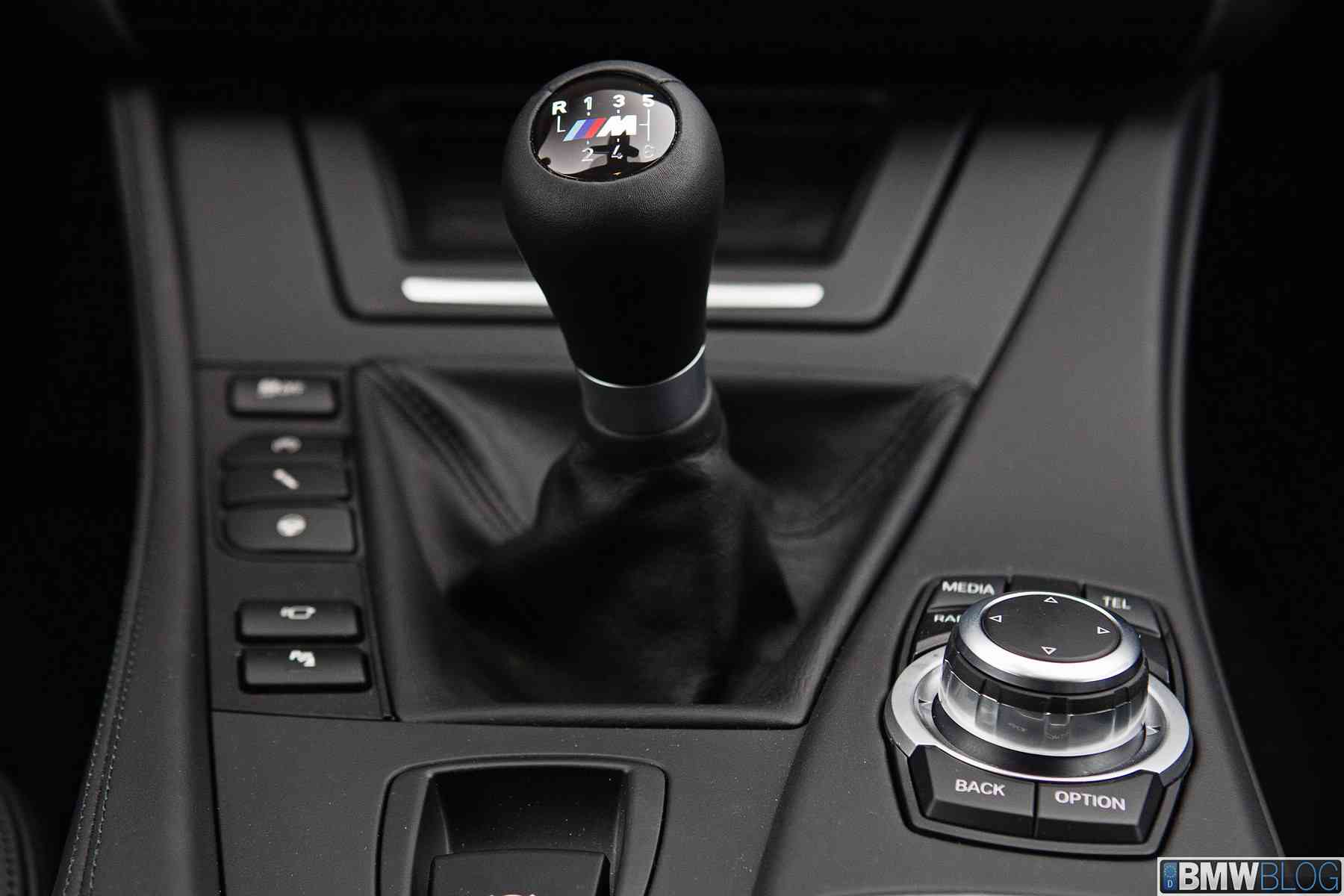
The manual transmission in the BMW M3 is a study in tactile feedback. The shifter has a particular weight and resistance that communicates what the gearbox is ready to do. There’s a distinct sense of engagement when the gear slot aligns. Even when you drive smoothly, you can feel the mechanical honesty of the act: you shift, and the drivetrain responds without an electronic middleman.
Downshifts are where emotions typically ignite. With the manual, heel-toe technique (or a disciplined approach to rev matching) can turn braking into a choreography. The engine note becomes more than sound; it becomes an instrument. If executed well, downshifts feel like a controlled drop into the right rpm range, reducing driveline shock and making the car feel settled on entry.
Now compare that to the 8-speed automatic. The shift process is almost invisible to your hands. The gearbox performs the “what gear now?” calculation and then executes with rapid transitions. The sensation is more about acceleration continuity than mechanical interaction. You might notice the shift only through a brief change in engine pitch or a tiny ripple in forward motion. When programmed for sport modes, the automatic tends to hold gears longer and downshift more aggressively, preserving momentum rather than interrupting it.
Neither approach is universally superior. The manual rewards precision and timing, while the 8-speed rewards momentum and confidence.
Response time and drivability in real life
In everyday driving, “response” is more than speed. It’s also how often you must think about what’s happening. The manual often demands mindfulness: selecting the right gear before you need it, deciding whether to pre-empt a downshift, and managing clutch wear with calm throttle inputs. This can be restorative for enthusiasts. It can also feel like extra friction in dense urban traffic.
The 8-speed automatic excels at smoothing the commute. Stop-and-go driving becomes less of a ritual and more of a glide. It’s not that the automatic eliminates effort—it redirects it. Instead of coordinating clutch and shift timing, you focus on steering, spacing, and throttle modulation. The vehicle does the gear selection work, translating your request into forward motion through an efficient sequence of ratios.
On twisty roads, both can feel sharp. The manual offers immediate and human-directed gear selection. The automatic offers consistent acceleration even when corner entry timing changes—because the gearbox can downshift quickly when the throttle is opened. The real question is whether you prefer to be the decision-maker at every step, or the driver in command while the car becomes the meticulous executor.
Performance credibility: lap-time logic vs human preference
When people discuss performance, they often talk about numbers. But a transmission’s influence is felt in the gaps between those numbers—especially in traction-limited situations where seamless power delivery matters. The 8-speed automatic can shine because it tends to keep the engine within a narrower effective power window. That can reduce the time spent waiting for revs to climb back to the sweet spot.
Meanwhile, the manual transmission provides a different performance advantage: the ability to choose a gear based on your exact plan for corner exit. If you want to carry higher rpm before the apex, you can. If you want engine braking to shape balance, you can. With practice, manual control can help produce repeatable lap consistency, particularly for drivers who have honed their technique.
For track-style driving, the automatic’s ability to rapidly downshift and maintain acceleration continuity can reduce workload. For street driving spirited enough to feel like a track day’s warm-up, the manual can feel more rewarding because it turns every overtaking maneuver into an act of intent.

Engine braking and corner balance
Cornering isn’t only about speed; it’s about attitude. Engine braking can influence weight transfer and help you shape the car’s rotation. With a manual transmission, engine braking is directly linked to your engagement choices. Lift-off behavior, clutch usage during downshifts, and the selected gear can all change how the car behaves when the front end is asked to bite and the rear is asked to comply.
The 8-speed automatic also offers engine braking, but it’s governed by its shift strategy. When the automatic downshifts, you may feel a more sudden change in deceleration or rpm behavior compared to a manual approach that you can micro-manage. In sport modes, this can be exciting—almost immediate. In relaxed modes, it can feel less theatrical.
Drivers who chase balance through brake modulation may appreciate the manual. Drivers who want predictable deceleration without managing clutch timing often prefer the automatic’s automation.
Fuel economy, wear, and long-term ownership reality
Fuel economy is rarely purely about transmission type; it’s about how the car is driven. Still, the 8-speed automatic often benefits from optimized shift mapping designed to reduce unnecessary rpm swings. That can help efficiency in mixed driving, especially when traffic forces frequent speed changes.
The manual can also be efficient when driven smoothly, but it requires a particular restraint: avoiding premature upshifts that lug the engine and preventing unnecessary downshift cycles. Wear considerations also differ. Manual transmissions involve clutch components and driver technique that influences how often the clutch is engaged. Automated gearboxes transfer that wear profile into torque converter behavior (where applicable) and internal hydraulic/mechatronic systems.
Long-term ownership tends to reward consistent driving habits more than ideology. If you prefer a driving style that aligns with the transmission’s strengths, longevity follows.
What kind of content readers can expect next
Beyond basic comparisons, there are several angles of deeper reading that match what different BMW enthusiasts tend to care about. One section typically focuses on daily usability: how each transmission behaves in traffic, at parking speeds, and on short urban hops. Another section usually explores performance technique: how downshifts, throttle blips, and shift timing change the sensation of acceleration. A third often zooms in on emotional feedback—sound, shifter feel, and the “ritual” of driving.
Some readers want a practical buying lens, including what to prioritize in test drives and how to evaluate shift behavior during real-world maneuvers. Others prefer a narrative perspective—what it feels like to commit to each transmission during a long drive, when enthusiasm is tested by fatigue.
Whichever style resonates, the aim is consistent: to help you predict what your hands and feet will actually experience, not just what a specification sheet promises.
Test drive checklist: deciding without guesswork
When choosing between the manual and the 8-speed automatic, the most effective approach is a targeted test drive. Start with low-speed movement: observe how the car behaves when you must modulate throttle gently. In manual form, watch for how manageable the clutch engagement feels. In automatic form, assess whether the car hesitates, lunges, or transitions smoothly during light acceleration.
Next, test mid-range response. Accelerate from moderate speeds and note whether the vehicle feels eager or if it needs a moment to find the right ratio. In the manual, evaluate how quickly you can select a gear that keeps the engine in its effective band. In the automatic, evaluate shift timing and whether downshifts feel purposeful rather than indecisive.
Finally, drive through a short section of twisty road. In the manual, test engine braking and downshift technique. In the automatic, test how the gearbox handles corner exits when you vary throttle application. The goal isn’t to “win” the comparison. It’s to discover which interaction style becomes second nature.

The concluding truth: choice is about how you want to participate
The BMW M3’s manual transmission invites you into the mechanical conversation. It turns driving into a sequence of intentional acts—shifting, rev-matching, and planning the next ratio with your own hands and timing. The 8-speed automatic invites you into the motion. It emphasizes continuity, convenience, and rapid execution, letting the car prioritize momentum while you concentrate on direction and pace.
Neither transmission is a compromise in the usual sense. Each is a different interpretation of performance culture. Choose the manual if you want the car to feel like an extension of your technique. Choose the 8-speed automatic if you want speed to arrive with minimal interruptions and maximum confidence.
In the end, the best decision is the one that makes every drive feel slightly inevitable—like the BMW M3 was built for the way you naturally want to steer through the world.