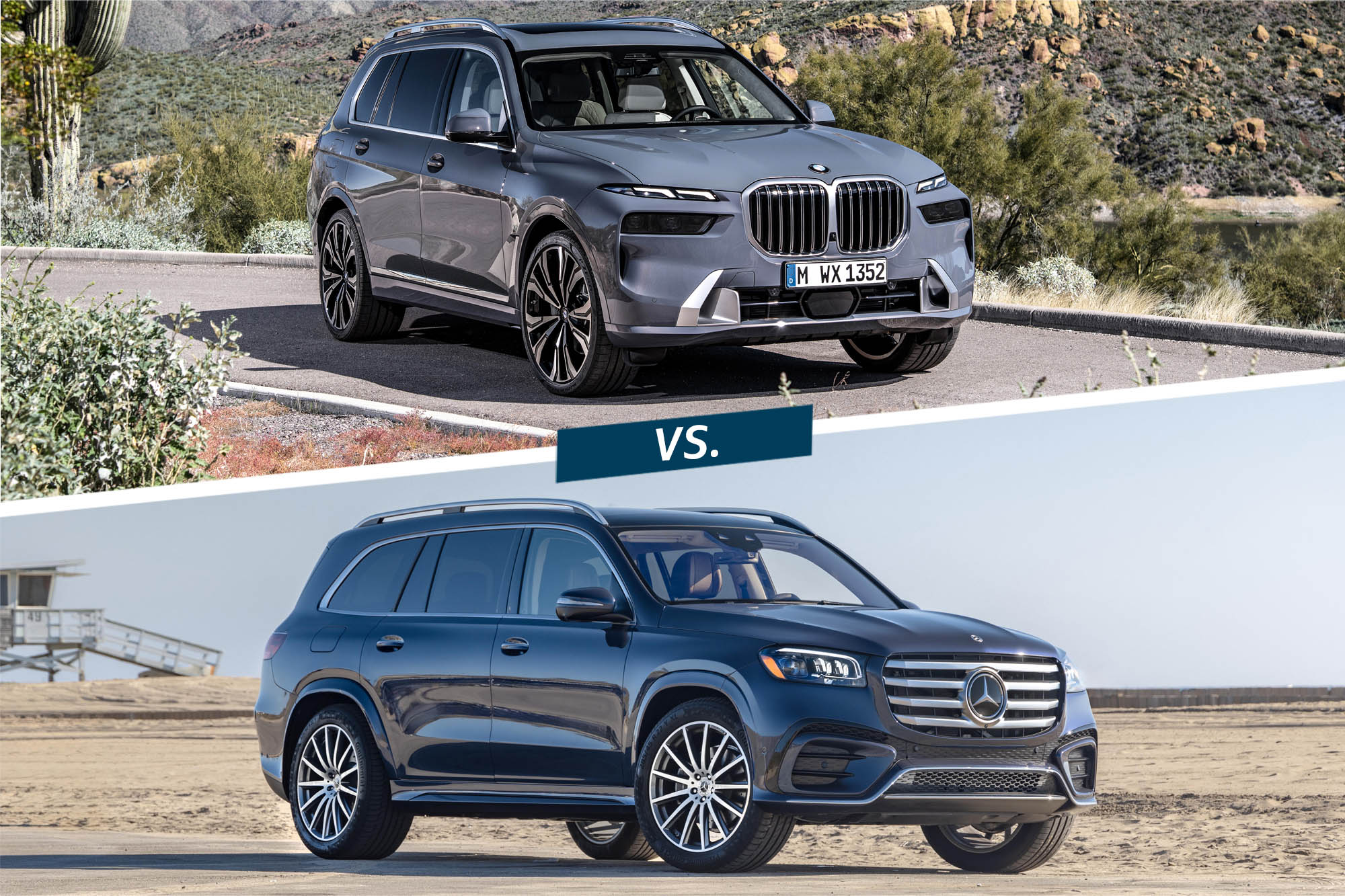
The BMW X7 and the Mercedes GLS are two of the most commanding full-size luxury SUVs on the road—architectural statements wrapped in modern technology. Yet beneath the chrome and the confident stance, these flagships follow different philosophies. The X7 leans into purposeful sportiness and driver-first engineering, while the GLS prioritizes a stately, lounge-like serenity. If you’re deciding between them, you’re not just comparing dimensions or horsepower figures; you’re choosing the mood of your daily life.
Think of the X7 as a well-orchestrated conductor—precise, responsive, and eager to interpret your inputs. The GLS, by contrast, feels like a private residence on wheels: composed, softly insulated, and designed to make time slow down. Over the next sections, the differences become clearer: exterior presence, cabin atmosphere, seating versatility, tech sophistication, performance character, and the subtle details that influence ownership satisfaction.
Big Presence, Different Poise: Exterior Design and Dimensions
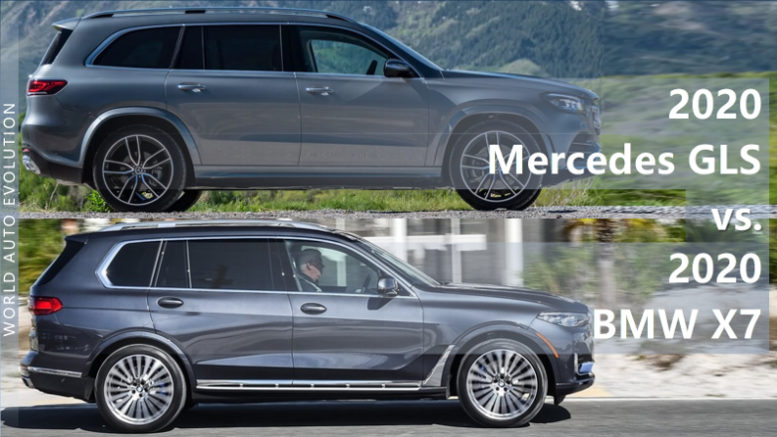
On first glance, both SUVs wear the full-size badge with ease. Their silhouettes are tall, purposeful, and instantly recognizable. The BMW X7 tends to present a more sculpted, angular front-end expression, emphasizing the sporty intent behind the badge. The Mercedes GLS often projects a more upright, ceremonial demeanor—its design language leans toward grandeur rather than aggression.
Even when the overall size sits in the same league, proportions and styling cues can shift your perception. Wheelbase length influences stability and cabin spaciousness, while body overhangs and stance alter how “planted” the vehicle feels at rest. These models also differ in how they interpret verticality: the GLS frequently reads as broader and more stately, while the X7 can appear more dynamic in profile—especially when fitted with larger wheels and distinctive lighting signatures.

Ground clearance matters too, even for urban drivers. It impacts driveway confidence, speed-bump diplomacy, and the ease of loading cargo in real-world conditions. Both SUVs are engineered for paved-road comfort, but their underpinnings are tuned differently—one edging toward agility, the other toward confident composure.
Cabin Philosophy: Driver-Centric vs Lounge-Like Luxury
Open the door and the contrast becomes intimate. The BMW X7 cabin often feels like a command center. The layout is structured, with clear lines guiding your attention toward driving controls. Interfaces tend to feel integrated and purposeful, and the overall ambience can be described as “focused elegance.” Even when you’re not actively driving, the space seems ready for movement.
The Mercedes GLS interior commonly delivers a more relaxed, “salon” personality. Materials and surface treatments aim for a soft visual rhythm—less cockpit intensity, more household comfort. The seating experience is designed to cradle occupants, with an emphasis on quietness and a calm sense of occasion. In this environment, long trips don’t just become manageable; they become unremarkable in the best possible way.
Seating and Practicality: A Full-Size Layout with Real Use Cases
Full-size flagships earn their reputation through how they treat passengers and cargo in ordinary moments. The X7 and GLS both offer generous interior space, but the way that space is organized can influence your daily routines—school drop-offs, weekend luggage, or long-distance family travel.
Depending on configuration, you may find that second-row comfort leans toward either supportive sport-style seating (BMW) or a more plush, flex-forward approach (Mercedes). Third-row usability is another deciding factor. Even when third-row space is “technically available,” what matters is the ease of entry, seat access, and legroom comfort for real bodies rather than showroom mannequins.
Then comes cargo. Full-size SUVs are often judged by their ability to swallow a week’s worth of necessities without requiring a puzzle-solving mindset. Cargo openings, loading height, and the flexibility of seat folding patterns all contribute. Choose based on your actual choreography: how often you fold seats, how frequently you load tall items, and whether you need a flat load floor for road trip gear.
Technology as Atmosphere: Infotainment, Displays, and Connectivity
In these SUVs, tech isn’t just a feature list—it’s part of the emotional temperature of the cabin. The BMW X7 typically feels modern and driver-relevant. Navigation, media, and vehicle settings can be presented in a manner that supports quick comprehension while you’re moving. The interface often prioritizes control clarity and responsiveness.
The Mercedes GLS tends to emphasize intuitive usability and a refined visual presentation. Systems are often designed to feel effortless, as if the vehicle is anticipating what you need before you phrase it. Voice interaction, smartphone integration, and connectivity services can all shape whether technology feels empowering or distracting.
Both models also bring a range of driver assistance systems, from adaptive cruise functionality to parking aids and lane-related features. However, the “feel” of these systems—how smoothly they intervene, how predictably they behave, and how clearly they communicate—can be the difference between confident trust and occasional annoyance.
Performance Character: Power, Delivery, and the Art of the Cruise
On paper, both vehicles sit near the top of the luxury SUV hierarchy. In real driving, what distinguishes them is power delivery and the calibration of drivetrain response. The BMW X7 often strives for a more immediate sensation when you apply throttle. Steering feedback can feel more communicative, particularly through corners where composure matters.
The Mercedes GLS often aims for smoothness and effortless velocity. Acceleration may feel less “snap-to-action” and more “glide-forward,” with an emphasis on maintaining cabin calm rather than highlighting mechanical drama. This is where the difference in personality becomes palpable: BMW’s approach can feel energizing, while Mercedes’ approach can feel serene.
Transmission behavior, throttle mapping, and suspension tuning determine how the vehicle interprets your intent. Suspension systems in these SUVs also influence body motion—how much the chassis leans, how quickly it recovers, and how it processes road imperfections. The X7 may feel more agile, while the GLS often delivers a more isolating ride feel that smooths out the world’s rough edges.
Chassis and Handling: Stability, Comfort, and Confidence Over Variety
A full-size SUV must handle more than one type of road. City streets demand steering agility and braking confidence. Highway cruising requires stability and predictable tracking. Winding regional roads test balance, tire grip, and suspension control.
BMW typically brings a reputation for dynamic tuning. That can translate into steering response and a more precise sensation of weight distribution. The GLS, while still capable, often prioritizes ride maturity—absorbing irregularities and keeping passengers insulated from constant micro-corrections.
Neither vehicle is built to be a track weapon, but both are engineered for competence. The question becomes: do you want your luxury SUV to feel like an athletic executive, or like a grand touring residence?
Efficiency, Range, and the Long-Haul Mindset
Fuel economy doesn’t just affect your wallet; it affects your mental bandwidth. Fewer fueling stops mean fewer interruptions, and for long-distance ownership, that matters. Efficiency is also tied to engine choice, drivetrain configuration, and driving habits. Aggressive throttle inputs or frequent high-speed runs will shift consumption rapidly.
Both the X7 and GLS are designed for comfortable cruising, but their real-world efficiency will depend on how you drive. A smooth, steady approach tends to be rewarded in both vehicles, especially when paired with intelligent transmission behavior and aerodynamic stability.
Safety and Driver Assistance: Trust Built Through Consistency
Luxury flagships are expected to protect occupants with a full suite of safety technologies. The quality of these systems often reveals itself in moments of uncertainty: sudden traffic changes, awkward merges, or stress-inducing parking situations.
Look for how well the vehicles manage adaptive cruise control, lane-centering behavior, blind-spot monitoring, and automated parking assistance. The best systems don’t just function—they communicate clearly. What you want is a supportive co-pilot that reduces workload without generating confusion.
Ownership Experience: Materials, Refinement, and Everyday Satisfaction
Ownership is where the comparison becomes personal. Do the materials feel durable and pleasant? Does the cabin quietness hold up over time? How intuitive are controls for climate, seating, and media? Luxury isn’t only measured when everything is new—it’s proven when daily routines repeat.
The X7 often feels like it’s made for drivers who want clarity and control within a premium environment. The GLS often feels like it’s made for passengers who want comfort first, with driving competence delivered as a background expectation.
Service networks, maintenance schedules, warranty terms, and availability of parts can also shape long-term satisfaction. While those factors vary by region, the overarching experience tends to mirror the vehicles’ personalities: BMW emphasizes engagement, Mercedes emphasizes ease.
Choosing Your Flagship: Which One Fits Your Life?
If your idea of luxury includes engaging dynamics, immediate response, and a cockpit-like focus, the BMW X7 is likely to feel more tailored. It’s a strong choice for drivers who want their full-size SUV to participate in the journey rather than merely contain it.
If your ideal luxury is calm elegance, passenger-first comfort, and a cabin that feels like a sanctuary, the Mercedes GLS may be the more natural match. It’s a compelling choice for families, frequent travelers, and anyone who treats the road as time to unwind.
Ultimately, both SUVs are capable, refined, and built to impress. The deciding factor isn’t whether one is “better”—it’s whether one resonates more precisely with your expectations. Test both, compare the sensation behind the steering wheel, sit in every row, and pay attention to the quiet details: how the cabin feels when you’re not trying to impress anyone, how the ride settles after a turn, and how quickly technology becomes second nature.
Final Verdict: A Dual Crown in Full-Size Luxury
In the BMW X7 vs Mercedes GLS duel, neither contestant arrives empty-handed. The BMW X7 brings a driver-centric sense of purpose and a dynamic edge that can make long drives feel like a craft. The Mercedes GLS counters with lounge-like composure, refined comfort, and an atmosphere designed to make every passenger feel considered.
Choose the vehicle that aligns with your preferred kind of confidence—performance clarity or tranquil grandeur—and the flagship experience will feel less like shopping and more like arrival.