The BMW X7 arrives with the poise of a flagship—an SUV that doesn’t simply carry passengers, it curates their experience. As a full-size, three-row luxury vehicle, it targets drivers who want command on the highway, serenity in everyday traffic, and enough room to treat weekends like destinations rather than errands. The question most shoppers ask is simple: does the X7 earn its prestige when the novelty wears off? The answer is best understood in layers, because the X7 is an SUV built from many deliberate compromises—some bold, some quietly elegant.
In this review, readers can expect a tour that moves from first impressions to the details that actually matter: cabin atmosphere, seating versatility, ride quality, driving character, technology depth, and ownership considerations. Along the way, you’ll also see how the X7 fits into the competitive landscape of modern luxury crossovers and why it continues to feel more “expensive” than its measurements alone would suggest.
Design and Exterior Presence: Luxury Without the Volume Knob
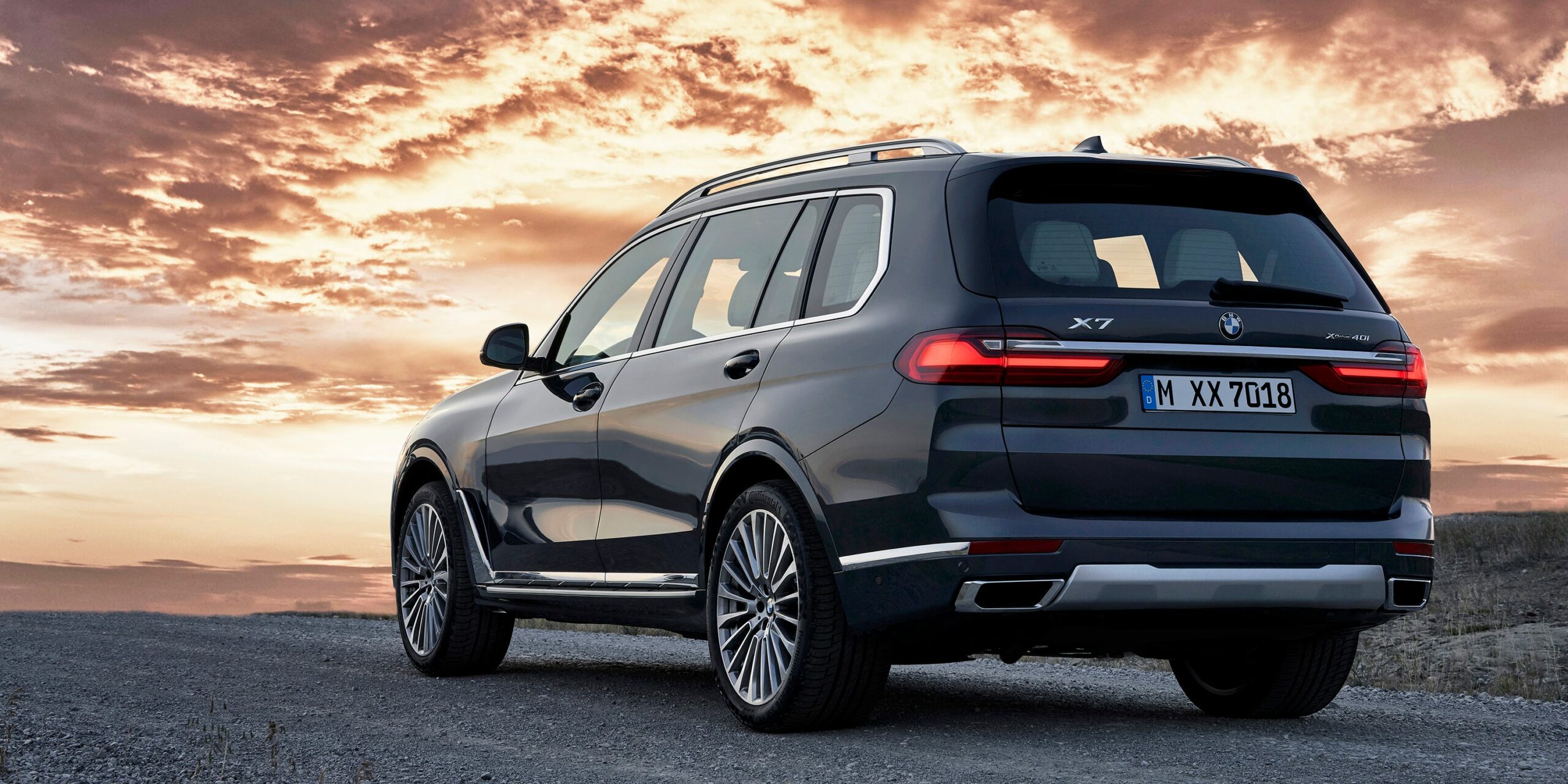
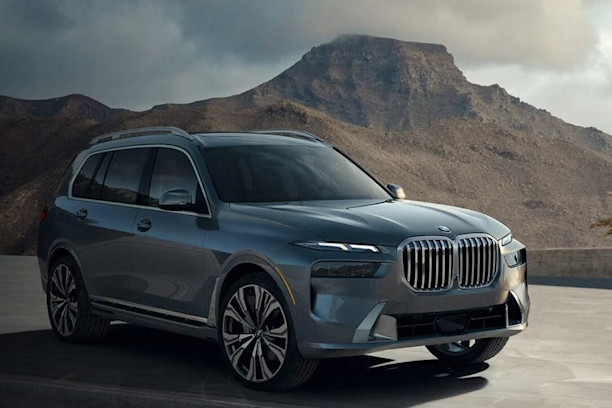
The X7’s exterior language is confident, not chaotic. From a distance, it reads as purposeful—wide stance, sculpted surfaces, and that unmistakable BMW sense of proportion. Up close, the details do the real work: grille geometry that feels engineered rather than decorated, lighting signatures that look crisp even in harsh daylight, and body lines that emphasize mass without turning the SUV into a clumsy block of metal.
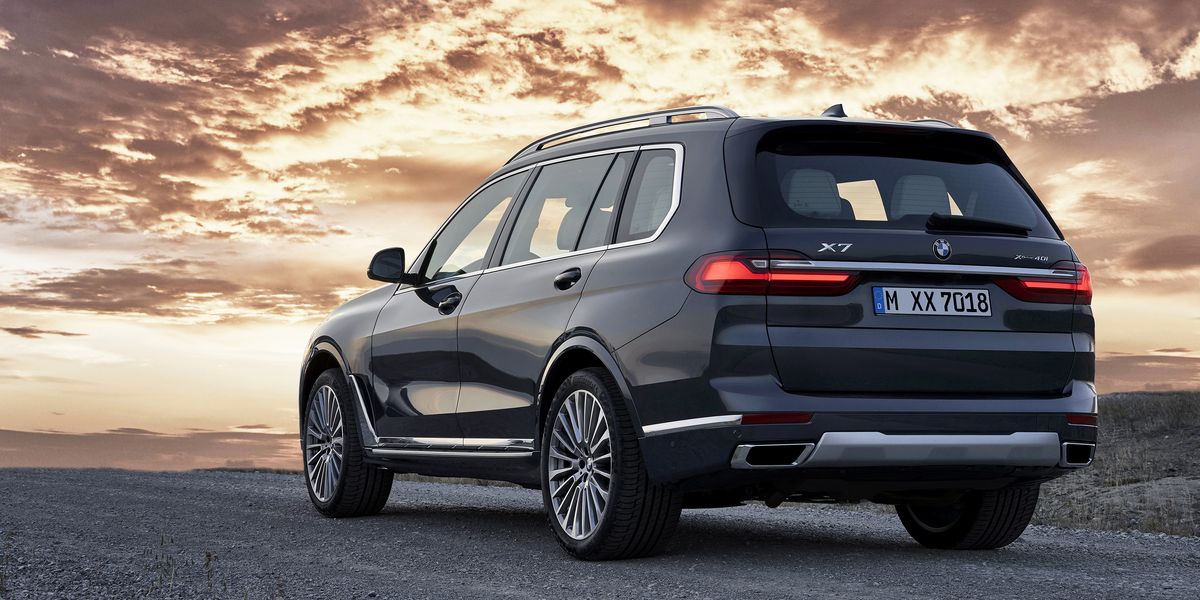
There’s also a strong sense of cohesion in how the design flows from front to rear. The roofline doesn’t sag into blandness, and the rear quarters don’t feel like afterthoughts. It’s an SUV that photographs well, but it’s even more persuasive in person, where reflections and contours create a subtle “kinetic” effect as you move around it.
Cabin Atmosphere: The X7’s Real Stagecraft
Step inside and the X7 shifts from bold to refined. The cabin is designed like a lounge—one that happens to have the practicality of an SUV. Materials tend to feel tactile, with surfaces that resist that “plasticky” impression common in less expensive vehicles. Even before you touch the controls, the layout communicates intention: driver-focused ergonomics, passenger-friendly sightlines, and a general sense of spatial calm.
Sound insulation plays a quiet starring role. At highway speeds, the cabin feels more protected than you might expect, letting conversation stay effortless. The result is a kind of luxury that doesn’t announce itself—it simply removes distractions.
Seating and Versatility: Space for People, Not Just Cargo
With three rows, the X7 isn’t merely chasing maximum seating. It’s about making the third row usable enough to justify its existence. In daily life, the second row becomes the main event: easy ingress and egress, comfortable cushions, and a seating position that feels naturally supportive.
The third row, meanwhile, is best described as “real,” not symbolic. Adult-friendly? It depends on how you define comfort, but it’s designed to accommodate journeys rather than emergency hops. For families, the X7’s layout allows you to switch between passenger mode and luggage mode without the ritual of constant reshuffling.
Between the rows, the X7 also demonstrates a practical intelligence: storage cubbies that don’t feel token, thoughtful placement of controls, and the kind of convenience that reduces friction during busy commutes.
Ride Quality and Handling: The Art of Composure
Luxury SUVs live or die by how they handle imperfect roads, and the X7 is built with a steady temperament. The suspension works to soften sharp impacts while still preserving a sense of connection to the vehicle’s motion. You feel composed rather than isolated. That distinction matters.
On winding roads, the X7 doesn’t pretend to be a sports sedan, yet it avoids the typical “floating barge” behavior. Steering responses feel deliberate, and the chassis supports confident cornering without turning every curve into a test of nerves. Even when the vehicle is loaded with passengers, the body control stays coherent.
In traffic, the ride becomes particularly soothing. Short-term stability reduces the sensation of fatigue. Long-distance drives feel less like endurance and more like a planned itinerary.
Engine Options and Performance: Strong, Flexible, Unhurried
Performance in the X7 is characterized by flexibility. It’s the kind of power that arrives without theatrics—strong merges, smooth passing, and effortless progress when roads rise or traffic thickens. The transmission tuning is designed for smoothness, so acceleration doesn’t feel jarring or overly aggressive.
What stands out is how the SUV manages varying loads. With more occupants, the X7 doesn’t devolve into sluggishness. Instead, it keeps pace like a well-trained host—ready to move, comfortable while waiting, and consistently in control.
Braking performance also deserves mention. Pedal feel tends to be predictable, and stopping power inspires confidence, especially during wet-weather conditions or sudden speed changes.
Technology and Infotainment: A Command Center for Modern Living
The X7’s cabin technology is designed to keep up with daily complexity. The infotainment interface aims for usability first, then aesthetic polish. Menus should feel navigable, not labyrinthine. Connectivity features—paired phones, audio streaming, navigation aids—are the backbone of the driving experience, turning routine drives into curated routes.
Driver assistance systems add another layer. These technologies help reduce stress during long stretches of highway cruising and in stop-and-go traffic. They aren’t meant to replace attention; they’re meant to keep the journey smoother.
There’s also a sense of “ambient intelligence” around lighting and control placement. Screens aren’t just screens. They’re part of a broader environment that makes the cabin feel like it belongs to the present day.
Safety and Driver Assistance: Confidence Through Coverage
In a three-row luxury SUV, safety isn’t a single feature—it’s a network of protections. The X7’s safety suite typically includes active systems that monitor surroundings, assist with lane-keeping, and support braking in critical moments. The goal is to extend your awareness rather than distract it.
For families, the third row increases the importance of visibility and driver confidence. Good safety systems help compensate for the inherent limits of large-vehicle sightlines.
When properly engaged, these systems foster a calmer driving rhythm. Short trips feel less tense, and long drives feel less fatiguing. That matters more than spec-sheet numbers.
Fuel Economy and Everyday Practicality: Luxury Still Has to Function
Full-size SUVs demand compromises, and the X7 is no exception. Fuel economy tends to reflect weight, power, and aerodynamics that prioritize stability over hyper-efficiency. Still, the real question is whether the vehicle’s efficiency is “enough” for the lifestyle it serves.
In daily use, the X7’s practicality often shows up in small moments: highway comfort that reduces the urge to rush, cabin space that makes errands easier, and storage accommodations that help you travel without feeling overpacked.
If you anticipate frequent passenger transport or regular family road trips, the X7’s format tends to justify its consumption.
Ownership Costs and Long-Term Considerations
Luxury doesn’t come without stewardship. Maintenance intervals, premium fuel recommendations (where applicable), tire costs, and potential out-of-warranty repairs should be factored into planning. The upside is that the X7 often feels built to last, with an emphasis on engineering refinement.
Resale value typically benefits from brand strength and demand for full-size three-row luxury vehicles. Buyers who keep meticulous service records often find a smoother ownership arc.
Considering the X7’s role in the household—whether it becomes the family’s default vehicle or a weekend cruiser—its long-term value is best evaluated as a lifestyle investment, not a short-term purchase.
Who Should Buy the BMW X7?
The X7 is for drivers who want luxury with genuine utility. It suits families who need three rows without sacrificing comfort, and executives who travel frequently and prefer a cabin that feels like a private office.
It’s also a compelling choice for those who dislike the compromises of smaller SUVs—those who want more legroom, more authority on the road, and a smoother, calmer ride under pressure.
If your priority is maximum efficiency above all else, the X7 may not be the most rational option. But if your priority is a composed, premium experience that remains practical in real life, it stands out.
Final Verdict: A Flagship Mindset in a Full-Size Package
The BMW X7 earns its reputation by delivering an integrated luxury experience. Its design carries authority, its cabin offers serenity, and its three-row flexibility makes it more than a compromise on paper. The ride quality reinforces confidence, while the performance feels strong and mature rather than rushed or fragile.
Ultimately, the X7 is at its best when you stop thinking of it as “just another SUV” and start treating it like a versatile luxury instrument. It’s a vehicle that turns ordinary days into smoother journeys and family plans into experiences with room to breathe. For buyers seeking full-size refinement with practical depth, the BMW X7 remains a compelling, well-rounded choice.