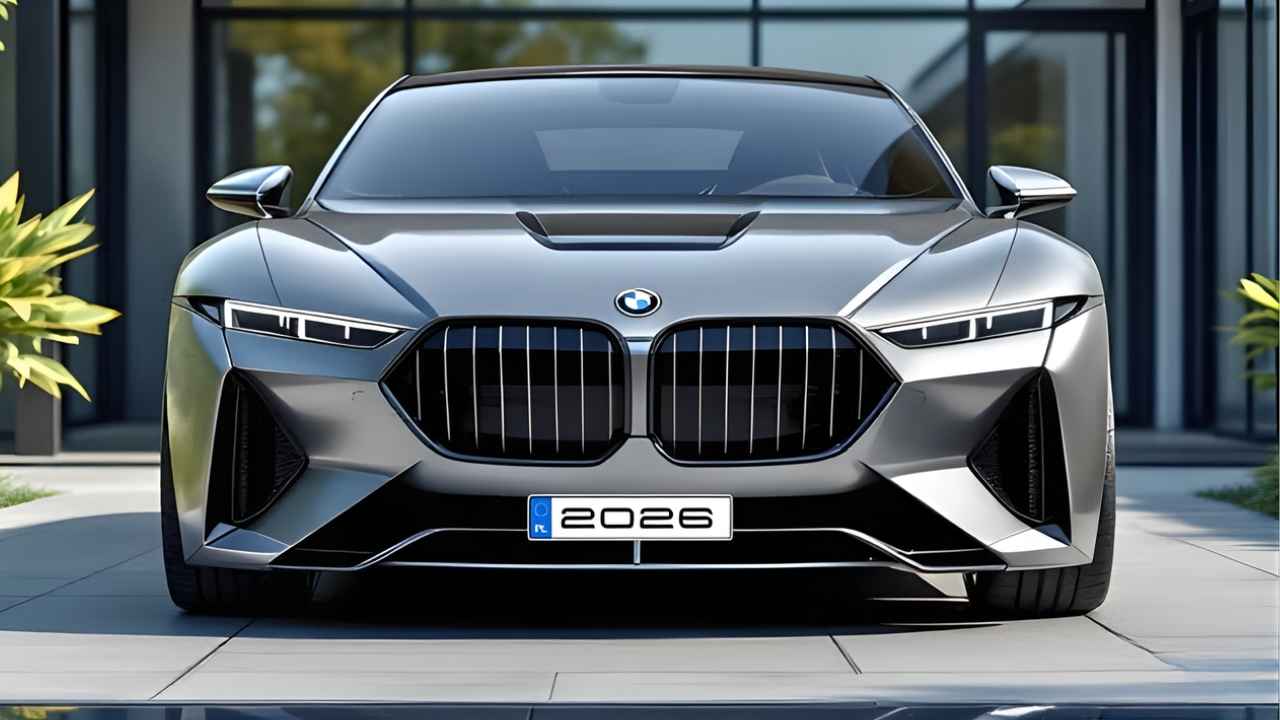
The seduction of a great sedan is often tactile—seat texture, steering weight, the way a dashboard feels when you brush past it. Yet for many drivers, the real luxury is what they never notice. Silence. In the 2026 BMW sedan lineup, that silence is not an abstract promise. It is a measurable, engineered atmosphere shaped by acoustic glass, tire selection, vibration management, and the quiet choreography of airflow around the body. This is a cabin-noise comparison meant for the driver who listens with their whole attention, even at urban speeds.
Cabin noise is a layered phenomenon. There is the low-frequency hum of the drivetrain, the mid-band chatter of tires, and the high-frequency hiss that slips through seams and mirrors. On paper, two cars can sound similar. In practice, one may feel like a sealed chapel, while the other feels more like a well-insulated workshop. The quietest 2026 BMW sedans tend to earn that distinction by addressing all three layers—rather than simply muting one of them.
What “quiet” actually means inside a BMW cabin
Before comparing models, it helps to understand the acoustic triad that governs perceived quietness. Road noise dominates at highway speeds, influenced by tire compound, tread pattern, and how effectively the underbody is treated. Wind noise rises with speed and is strongly affected by mirror design, door seals, and airflow separation around the A-pillars and roofline. Mechanical noise—engine or drivetrain harmonics—changes with load, acceleration, and the efficiency of mounts and isolation materials.
In a practical sense, quiet is not the absence of sound. It is the absence of distraction. When the cabin noise spectrum is tamed—especially in the mid-to-high frequencies—music sounds richer and conversations feel effortless. A quiet sedan doesn’t just get louder more slowly; it also keeps the character of sound from becoming irritating.
BMW’s acoustic toolkit for 2026: how silence is engineered
BMW approaches quietness as a systems problem. The company’s engineers treat the cabin like an instrument enclosure—stiff enough to avoid resonance, damped enough to swallow vibration, and sealed enough to block stray airflow.
Expect several technologies to show up across the 2026 sedan experience:
Acoustic glazing: Multi-layer glass and optimized air gaps can reduce high-frequency intrusion. The result is that even fast-moving background sound feels more distant.
Body sealing and weatherstripping: A small improvement here can prevent “leaky” noise pathways—especially around window edges and door seams.
Wheel well treatment: The wheel arches are noise incubators. Targeted insulation and tuned liners reduce the tire’s impact signatures.
Vibration isolation: Engine mounts, drivetrain brackets, and structural baffles help keep low-frequency vibrations from migrating into the cabin floor.
Active sound management: Some BMW platforms use processing strategies to mask certain tones, even while preserving a natural sense of connection to the car.
Quietness is therefore not one trick. It is a portfolio of small wins that add up to a notably smoother soundscape.
Cabin noise at urban speeds: stop-and-go serenity vs audible effort
In city driving, the drivetrain’s character and the cadence of rolling sound matter most. Tires may still be present, but their signature is more muted by lower speed and frequent braking. The cabin’s quietness at this stage is often determined by how well the car suppresses mechanical resonance—especially during gear changes and transient acceleration.
A 2026 BMW sedan with a refined powertrain strategy tends to keep the “mechanical sentences” short. Instead of an audible growl, the car delivers a smoother swell. The difference is subtle: one car sounds busy, even when it’s gentle; another sounds composed, even when traffic forces stop-and-go motion.
On cobblestone-like surfaces, a well-damped floor pan can make pothole impacts sound more like muted taps than sharp knocks. That effect can be especially noticeable when you pay attention to the seatback area and the floor vibration you feel through your shoes.
Highway noise comparison: tires, aerodynamics, and the long-breath effect
At 70 mph and beyond, the conversation shifts from the engine to the road. Tire harmonics climb and wind noise begins to assert itself. The quietest cabins handle this transition with the finesse of a dimmer switch—gradual and controlled—rather than a volume knob that suddenly jumps.
A BMW sedan that feels truly quiet on the highway often shows two traits:
Consistent low-mid tone control: The tires may generate sound, but the cabin doesn’t translate it into a rasp or droning pitch.
Stabilized airflow: Wind noise remains steady and low, even as gusts and lane changes introduce turbulence.
Look for details like mirror caps that reduce eddy noise, well-shaped roof profiles that delay turbulence, and underbody treatments that help streamline airflow beneath the car.
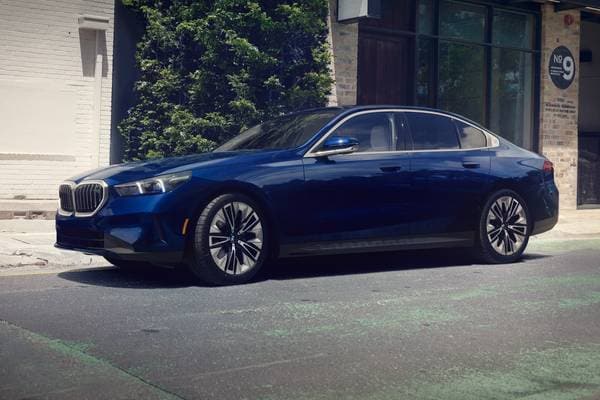
Which 2026 BMW sedans feel the quietest: practical ranking by driving scenario
Quiet is not universal. A sedan can be excellent at one kind of silence and merely good at another. Here’s how to think about the “quietest” candidates in a scenario-driven way.
Longest-trip quietness: Sedans optimized for comfort typically excel when you settle in at steady speeds. Their cabin insulation and aerodynamic sealing create a consistent sound stage that stays pleasant even after hours.
City commuting quietness: Models that manage mechanical tone and isolation at low speeds often feel more restful. The best ones avoid harshness during quick starts, sudden stops, and the brief accelerations between lights.
Road-surface adaptability: Quietness can degrade on coarse pavement if tire and wheel-well treatments aren’t tuned. The quietest sedans maintain a smoother tonal balance across mixed surfaces—so your ears don’t have to “recalibrate” every few blocks.
In other words, the quietest BMW sedan is the one that best preserves the same calm character across varied conditions—not just the one that measures best in a single standardized test environment.
Interior materials and design: why “feel” influences “noise” perception
Noise perception is partly psychological, but it is also physical. An interior that absorbs sound tends to make the outside world feel farther away. Materials around the A-pillars, door panels, and dashboard can damp vibrations and reduce the clarity of unwanted frequencies.
Also consider how visibility and seating posture affect your attention. If the cabin feels open and stable, you tend to listen less anxiously. A well-damped floor pan reduces the sensation of impact through the seat base. Even the arrangement of trim pieces can influence resonance—small gaps can become “tiny speakers” for certain pitches.
BMW’s design language often aims for a refined, insulated cocoon. In practice, that means fewer audible “edges” where noise can concentrate—more diffuse, gently muted background sound.
Sound systems and cabin quiet: how audio changes the listening experience
Some drivers equate quietness with low noise. Others equate quietness with better sound. Interestingly, these overlap. When the cabin is less noisy, the audio system doesn’t have to fight wind hiss or tire drone. That often results in clearer vocals and a tighter stereo image.
In a quieter cabin, bass notes can feel more composed rather than exaggerated by external rumble. High frequencies remain crisp without becoming brittle. The best outcome is not louder music; it is music with more texture—strings that sound like strings, not like an overworked simulation.
For long drives, this matters more than many expect. When the cabin noise floor is lower, your brain can relax. The drive stops feeling like labor and becomes a kind of gentle immersion.
How tires and options change cabin noise dramatically
If there is one variable that can swing perceived quietness more than people realize, it is the tire setup. Tire sidewall stiffness, tread design, and even alignment can change the sound signature by a surprising margin. Wider tires can look purposeful, but they may trade comfort for grip. Comfort-focused tires can deliver a smoother, less talkative ride.
Wheel and brake choices also matter indirectly. Brake cooling and underbody airflow can contribute to noise at highway speeds. Suspension tuning affects vibration transmission too; a softer calibration can reduce harshness, though it must be balanced to avoid “floaty” feedback that many drivers interpret as a different kind of noise.
When comparing 2026 BMW sedans, it’s wise to consider the configuration. A quiet model on one tire can feel noticeably different on another. The quietest version is often the one that pairs aerodynamic refinement with acoustically sympathetic tires.
Simple tests to evaluate cabin quietness on your own
You don’t need lab-grade equipment to sense meaningful differences. Try these quick checks:
Roll-by assessment: In a safe area, listen at steady speed. Notice whether the dominant sound is low hum, mid-range drone, or high-frequency hiss.
Door-seal cue: With the window closed, lightly observe how abruptly the cabin transitions from outside sound when you shut the door. A smoother seal feel often correlates with less wind intrusion.
Lane-change audition: Briefly change speed or lane position and listen for sudden wind character shifts around mirrors and pillars.
Patch test: On a rough section, focus on whether impacts sound dull and muted or sharp and metallic.
These habits make it easier to identify the “kind of quiet” that matters to you—peaceful cruising, restful commuting, or composure over imperfect pavement.
Quietness and the long-term ownership equation
Cabin noise can evolve as tires wear and as seals age. A sedan that is well insulated from the start tends to maintain its composure longer, even as tread patterns and rubber behavior shift. Suspension components also influence vibration character—worn bushings can reintroduce harshness, turning a once-calm cabin into an echo chamber.
Quietness is therefore not a momentary impression. It’s a maintenance-sensitive attribute. Regular alignment, appropriate tire rotation, and timely service help preserve the engineered damping that makes a cabin feel serene.
Conclusion: choosing the quietest 2026 BMW sedan for how you actually drive
The quietest 2026 BMW sedan is less about chasing a single number and more about matching an acoustic personality to your routine. If your world is highways, prioritize aerodynamic steadiness and tire drone control. If your world is downtown, prize mechanical refinement and low-speed composure. If your routes include imperfect pavement, look for vibration management that keeps harshness from becoming a recurring soundtrack.
In the end, the best sedan quietness is the kind that disappears into your life. You notice it most when it’s absent. In the 2026 BMW cabin, the most compelling silence is the one that stays consistent—calm, coherent, and effortlessly luxurious—mile after mile.