There’s a particular kind of moment that arrives when familiar compromises start to look unfamiliar. One day, the dashboard feels like a cockpit from the old world—engine notes, gas receipts, the ritual of refueling. The next day, it’s as if the same vehicle has stepped through a doorway and returned with an entirely different personality. That doorway is the 2026 Chevrolet Equinox: a nameplate that hints at continuity, yet invites a shift in perspective when you place the gas model beside its electric sibling, the Equinox EV.
This isn’t simply a question of fuel type. It’s a comparison of tempo, expectations, and the choreography of daily driving. The internal combustion Equinox has a practiced cadence—one you can anticipate in your bones. The Equinox EV, by contrast, introduces a more immediate kind of acceleration, a quieter cabin, and a new relationship with energy. What happens to your driving habits when the “tank” becomes a “battery,” and the engine becomes something you barely notice?
Let’s explore the gas versus electric divide with an open mind—because the answer is rarely just technical. It’s personal.
Two Equinoxes, One Identity: The First Clue Is How Each One Feels
The Equinox name has always carried a promise of practicality wrapped in everyday comfort. But when you compare the 2026 Equinox to the Equinox EV, the first noticeable difference is sensory. The gas model typically brings a familiar soundscape—engine hum, mild mechanical feedback, and the occasional change in tone as you load the drivetrain. It feels like a car that “works” as it moves.
The electric Equinox EV feels like the car is always ready. There’s a particular stillness to EV motion, a reduction in vibration that makes the cabin feel more like a lounge than a workspace. The steering and suspension will still do their jobs, of course. Yet the overall impression shifts. You notice the road sooner and the power delivery sooner too.
It’s tempting to call that difference “quiet.” But quiet is only the surface. Underneath, it’s about timing—how quickly the car responds, how smoothly it modulates power, and how your attention reallocates as the need to monitor the engine becomes unnecessary.
Power Delivery: The Gas Model’s Familiarity vs the EV’s Instantaneous Momentum
In the gas Equinox, acceleration arrives with the expectation of an engine spinning up and a transmission responding in kind. The power is still there—often more than adequate for normal life—but it arrives through layers of mechanical progression. Even when it feels quick, it carries the signature of combustion: a certain ramp-up, a brief delay you can sense if you’ve driven long enough.
The Equinox EV, however, operates on a different philosophy. Electric torque tends to be available early and cleanly, which can translate into a sensation of effortless thrust. Stops become starts. Merge lanes become openings. The car doesn’t ask your foot to wait for permission; it interprets demand and translates it instantly.
This alters driving psychology. With the EV, you’re more likely to trust small pedal movements. Short bursts for traffic gaps feel less dramatic and more controlled. That can make commuting feel less like navigation and more like choreography.
Range and Refueling Reality: “Tank Math” Meets “Charging Math”
Gas driving has a certain comfort: you know how often you’ll refuel, and where. Even if fuel prices fluctuate, the process stays consistent. The gasoline Equinox fits seamlessly into the prevailing infrastructure of the U.S.—stations everywhere, familiar routines, quick turnarounds.
Electric driving reframes the entire equation. The Equinox EV trades tank-based spontaneity for planning that becomes easier with time. Charging can be fast, but it’s not identical to fueling. Instead of asking “How long until empty?” you’ll ask “How much energy remains, and where can I add more?”
The shift in perspective is subtle yet profound. Many EV owners don’t feel trapped by charging schedules. They feel empowered by predictability. Home charging can transform the daily commute into something close to automatic. Your “refuel” becomes something you do while you sleep.
On longer trips, the decision-making changes too. Routes, station availability, and charging pace start to matter. Yet the more you drive, the more the landscape becomes legible—like learning a new map where the landmarks are chargers instead of exits.
Efficiency and Operating Costs: The Question Behind the Question
Efficiency isn’t just about numbers. It’s about the friction you don’t have to manage. The gas Equinox typically faces the classic expenses of combustion: fuel costs, maintenance associated with engine components, and the periodic needs of a traditional powertrain ecosystem.
The Equinox EV shifts the cost conversation. Electricity pricing varies by region, and charging rates fluctuate by station type. But the overall operating profile can feel different: fewer moving parts that require routine service, and a drivetrain that doesn’t rely on oil changes or the same suite of wear items.
Still, EV ownership isn’t purely theoretical. Battery health considerations, charging habits, and long-term expectations all influence the experience. The smart way to think about cost is not only “How much do I pay today?” but “How predictable is my ownership plan tomorrow?”
Maintenance and Wear: Fewer Consumables, New Considerations
Gas engines have a way of aging through repeated friction—oil, filters, belts, exhaust systems, and all the predictable wear that comes from converting chemical energy into motion. Regular service intervals create a pattern of upkeep that many drivers already know by heart.
The Equinox EV’s maintenance profile tends to be simpler. Without an internal combustion engine, there’s no engine oil system to babysit, and certain drivetrain elements are less burdened by heat cycles. Yet EVs introduce their own attention points. Tires, brake components, and suspension still matter—especially since regenerative braking can change brake wear patterns over time.
In other words: the EV doesn’t eliminate maintenance. It redistributes it. Instead of managing engine-centric wear, you focus more on consumables like tires and the overall vehicle condition. That redistribution can feel calming, like trading one checklist for another.
Driving Dynamics: Regeneration, Braking Feel, and the Sensation of Control
The Equinox EV’s regenerative braking can change how you modulate deceleration. In many EVs, you may get stronger slowing when you lift off the accelerator, making one-pedal driving feel natural after a brief adjustment. This can reduce brake usage and create a smoother rhythm in stop-and-go traffic.
The gas Equinox relies on conventional braking behavior with a more traditional relationship between pedal input and deceleration. It can feel reassuringly linear—especially for drivers accustomed to decades of internal combustion norms.
Neither approach is universally “better.” The best choice is the one that matches your temperament. If you like an understated, controlled glide, the EV’s regen can feel like adding a new control dial. If you prefer familiar pedal behavior, the gas model may simply align with your expectations.
Cabin Experience: Quietness, Vibes, and Everyday Comfort
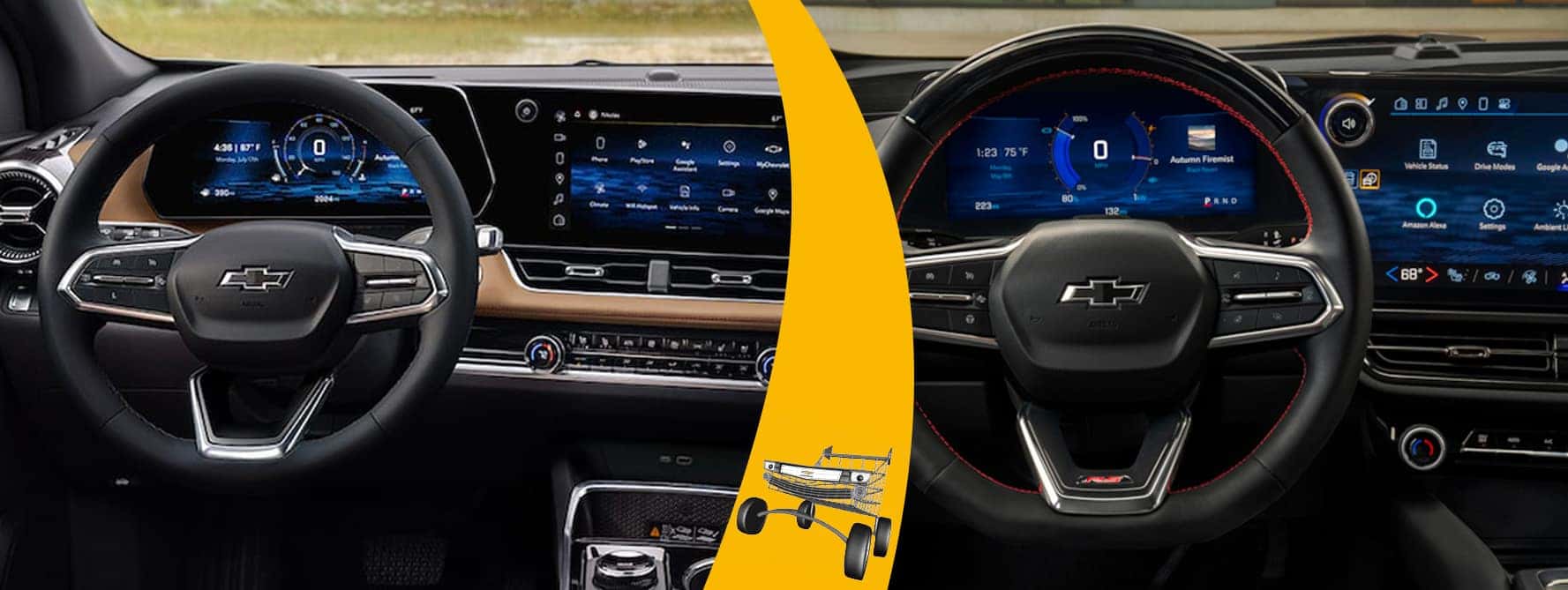
In the Equinox EV, the cabin often benefits from reduced mechanical noise. That doesn’t mean the car becomes silent—wind and road texture remain—but it changes what dominates your attention. In a quieter environment, the quality of seats, HVAC airflow, and infotainment interface gain more prominence.
The gas Equinox may have more audible engine activity under load, which some drivers interpret as “connectedness.” It can feel like reassurance: the car is working, and you can hear it. Meanwhile, the EV’s restraint can make long drives feel less fatiguing.
There’s also a perceptual twist. In a louder cabin, you might play music louder to compensate. In a quieter cabin, you might notice the details—stereo clarity, ambient cabin lighting, and the subtle smoothness of motion.
Technology and Usage: How Each One Fits Your Schedule
The gas Equinox is the shape of a conventional routine. It harmonizes with “grab-and-go” days and errands that pile up unpredictably. It doesn’t require much forethought beyond typical fueling and driving etiquette.
The Equinox EV fits best when your lifestyle contains predictable anchors. Home charging can turn nightly downtime into energy. Work charging can extend your comfort zone. The car becomes less about responding to the world and more about aligning with your schedule.
That’s the heart of the curiosity here: will your life feel easier, or more deliberate, with electricity? For many drivers, the answer is “easier,” once the charging habits settle in.

Which One Should You Choose? A Decision Based on Life, Not Just Specs
Choosing between the gas Equinox and the Equinox EV isn’t about declaring one drivetrain superior. It’s about picking the pattern that suits you.
If you crave simplicity and want fueling that matches the broader world’s rhythm, the gas Equinox may feel like the most seamless continuation. If you want immediacy—instant response, quieter operation, and a new kind of efficiency—then the Equinox EV becomes a more intriguing proposition.
Ask yourself a few questions, and don’t rush the answers. Where do you usually park? How often do you travel beyond your daily radius? Would you enjoy learning a different routine for energy? Do you value quiet as much as you value familiarity?
Your best match is the one that makes your life feel smoother—whether that smoothness comes from traditional confidence or electric inevitability.
Final Thoughts: The Shift in Perspective Is the Real Upgrade
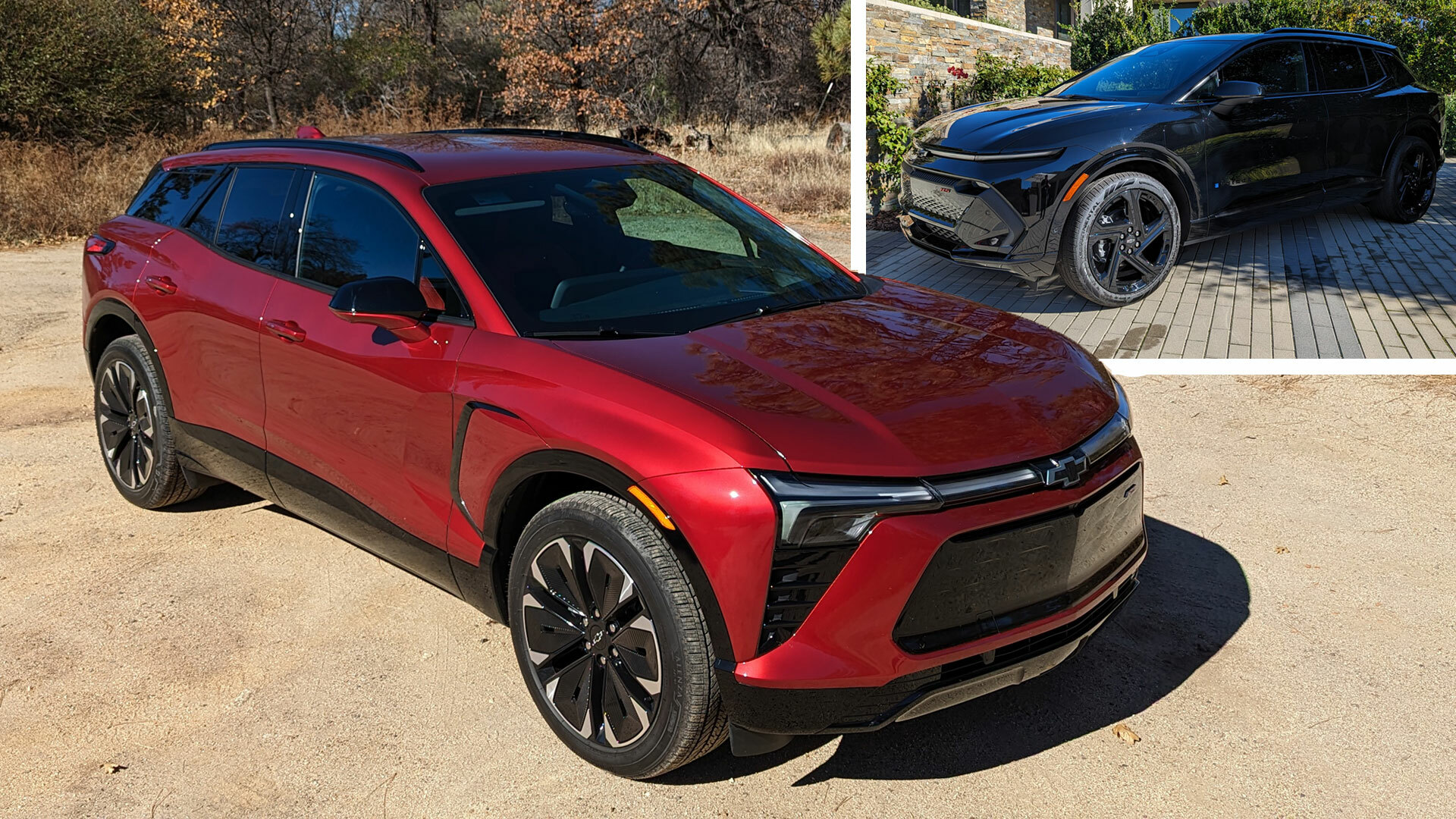
The 2026 Chevrolet Equinox and Equinox EV share a name, but they don’t share a driving worldview. The gas model offers continuity, a reliable sense of how driving has always worked. The electric model offers a subtle revolution—how power arrives, how the cabin feels, how ownership becomes a partnership with energy planning.
By the time you’ve compared both, the question stops being “Which is better?” and becomes “Which is more you?” That answer carries weight. It changes your commute, your weekend plans, and even the way you anticipate the next drive.
Either way, the Equinox story is evolving. And once you feel that evolution for yourself, the difference won’t just be in the drivetrain. It will be in your perspective.