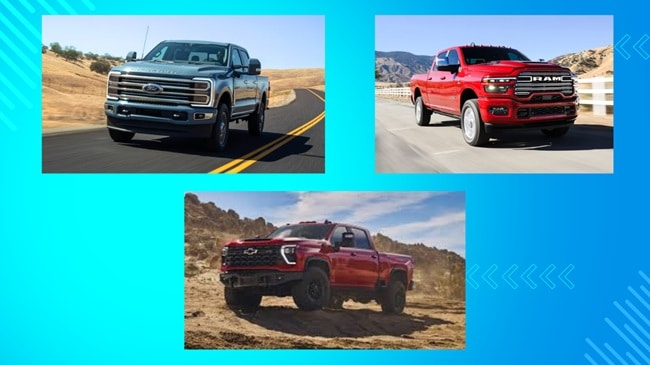
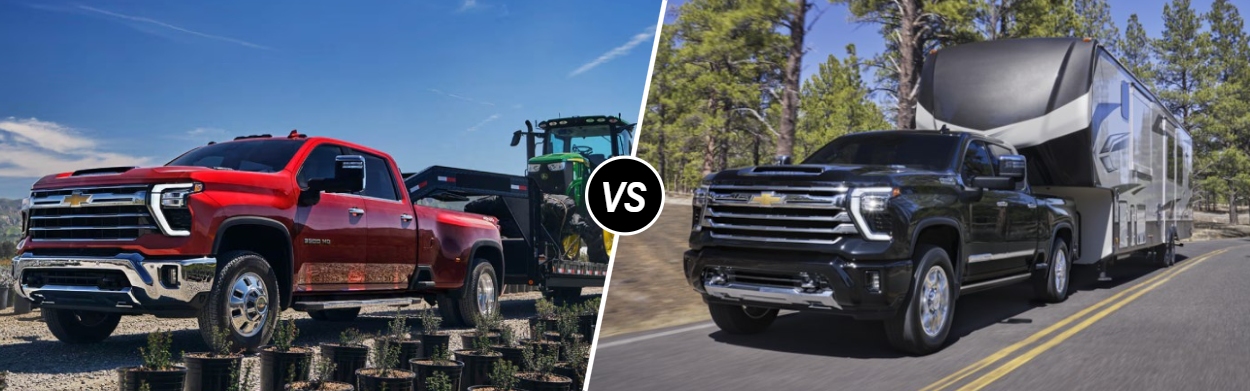
Heavy-duty trucks aren’t chosen with a glance—they’re selected with intention. The right one becomes a rolling workbench, a towing platform, a family hauler, and sometimes a daily therapist after long days. In the thick of today’s competition, the 2026 Chevrolet Silverado 2500HD and the Ram 2500 stand out as modern powerhouses with very different personalities. One leans into a polished, tech-forward cadence. The other keeps its footing in stout tradition and purpose-built toughness. If you’re weighing them for work, weekend chaos, or both, this heavy-duty duel is worth reading all the way through.
What follows is a detailed look at how these trucks measure up across the aspects that really matter: engine character, transmission behavior, towing confidence, payload readiness, ride and handling, interior comfort, capability tech, safety, and real-world ownership considerations. Along the way, you’ll also find practical guidance on how to decide when “best” depends entirely on what you plan to haul and how you intend to live with the truck.
First Impressions: Two Different Philosophies of Strength
The 2500HD and the 2500 both arrive with the visual language of capability—bulky stances, muscular grilles, and purposeful aerodynamics for their class. Still, the feel is distinct. Silverado’s design often projects a more contemporary presence, with a cockpit that looks oriented toward connectivity and driver awareness. Ram, meanwhile, has a reputation for a more grounded, “work-first” demeanor, frequently emphasizing durability and comfort even during tough chores.
In this segment, details matter: how doors shut, how controls fall under your fingertips, and how the truck seems to anticipate the next task. These are not trivial points. They shape fatigue levels on long towing drives and the ease of getting things done quickly at a jobsite.
Engine and Performance: The Heartbeat You Feel
Heavy-duty buyers usually start with engines, not because it’s dramatic—because it’s practical. The engine defines throttle response, grade-climbing authority, and how smoothly the truck maintains speed when wind and hills begin to conspire against you.
Silverado’s 2500HD configuration typically emphasizes a blend of torque availability and drivability, aiming for effortless passing and confident towing behavior. Ram’s 2500 lineup is known for its torque-forward delivery, often chosen for its willingness to haul without drama. In other words: both trucks want to work, but they may express that work ethic differently—one in a more immediate, tech-assisted rhythm, the other in a more traditional pull that feels planted and steady.
When comparing performance, consider more than peak output. Think about how the truck behaves under sustained load. A heavy-duty truck is frequently at part-throttle for long periods—cruising to the job site, holding speed on a long pull, and modulating throttle around traffic. That’s where engine mapping, fuel delivery strategy, and transmission logic reveal their character.
Transmission and Drivetrain: Smoothness Under Load
A heavy-duty drivetrain is less about raw horsepower and more about the way power is translated into motion. That’s where the transmission’s shift strategy matters—especially while towing. The ideal gearbox behavior keeps the engine in a “sweet spot” that minimizes hunting and prevents harshness. It also helps reduce fatigue, because a consistent, predictable shift cadence makes long drives feel calmer.
Silverado’s approach often aims for refinement—smoother engagement and confident acceleration when you ask for it. Ram typically prioritizes robust torque handling, delivering a sensation of control that can feel especially reassuring when hauling near the top of the payload envelope. Whether you notice the difference depends on your driving style, but in real life, the “quality of effort” is what separates good towing from truly effortless towing.
Towing Capability: Where Confidence Becomes Currency
In a heavy-duty duel, towing capability isn’t a single number. It’s the synergy between engine, transmission, cooling system, chassis tuning, and brake response. The best towing setups don’t just pull—they remain stable, controllable, and composure-rich during acceleration and deceleration.
Silverado’s towing ecosystem generally highlights integrated features that help you manage trailer behavior more confidently. Expect a focus on guidance, monitoring, and trailer-aware drivability. Ram often counters with a practical, hardworking philosophy—straightforward capability with tools designed to help you manage weight distribution and braking stability.
When evaluating towing, also consider the friction points: stopping distance, downhill stability, and how the truck handles trailer sway. A properly matched truck and hitch setup can turn “stressful towing” into a routine task. The right driver aids—paired with the correct towing package—are what make the difference between occasional tension and sustained calm.
Payload and Chassis Readiness: The Backbone Test
Payload capacity is where many buyers either win big or get surprised. The truck may tow well but still feel strained if cargo distribution is off—or if you frequently haul tools, supplies, passengers, and equipment together.
Both Silverado 2500HD and Ram 2500 are built to carry more than typical trucks can endure. Still, the “real-world payload math” depends on trim, bed configuration, cab style, and selected equipment. Pay close attention to how options affect total weight. The best way to think about payload is not only “how much can I carry?” but also “how does it feel when it’s full?” Comfort, suspension behavior, and braking balance all shift with weight.
In many households, the heavy-duty truck isn’t just for towing. It’s a rolling storage space. The right bed length, tie-down points, and cargo organization can matter just as much as maximum ratings.
Suspension, Ride, and Handling: Control at Speed and Around Town
Once you’re towing, suspension becomes a different story. A truck can look stable while parked but feel alive—sometimes too lively—at highway speeds. This is where tuning and component choice matter: shock calibration, leaf-spring behavior, steering response, and how the chassis deals with crosswinds and road imperfections.
Silverado frequently feels tuned for modern road composure, including a calmer sensation when you’re driving empty or lightly loaded. Ram often emphasizes a more substantial ride presence, designed to stay composed under heavier loads. Both can be comfortable, but the character changes when you shift from empty cruising to loaded work mode.
Look for the truck’s behavior over uneven pavement, and pay attention to how it handles turns when it’s not just hauling a trailer—but carrying weight in the bed.
Interior Experience: Technology Meets Work-Ready Comfort
Inside, buyers often decide quickly. The interior experience is where you feel whether the truck was designed for long days. The Silverado cabin typically highlights a driver-centric layout, with interfaces meant to simplify navigation, connectivity, and towing monitoring. The Ram interior often aims for a blend of comfort and practicality, with controls and seating that emphasize ergonomics and everyday usability.
Seat comfort isn’t just about softness. It’s about posture support over hours, headroom for taller drivers, and how easily you can reach essentials while wearing work gloves or handling gear. Also consider climate performance—especially if your towing season spans months of unpredictable weather.

Infotainment and Driver Aids: The Art of Reducing Stress
Heavy-duty trucks increasingly treat driver assistance as standard rather than luxury. The best implementations feel invisible—like quiet assistants smoothing the workload. Expect features such as trailer-aware assistance, camera views that make alignment easier, and monitoring that helps you keep an eye on temperatures, pressures, and towing dynamics.
Silverado’s infotainment approach typically leans on connectivity and intuitive menus, designed so you can find settings fast while you’re dealing with a trailer, traffic, and time pressure. Ram often emphasizes functionality and ease of use, keeping controls straightforward when conditions are less than ideal.
For many owners, the biggest win isn’t flashy tech. It’s reduced cognitive load—fewer moments of wondering, “Am I doing this right?” and more moments of acting confidently.
Safety and Stability: Braking, Awareness, and Predictability
Safety in a heavy-duty context is more than collision avoidance. It includes stability under load, braking confidence, and predictable handling. When towing, the system’s ability to manage weight transfer becomes critical. A truck that feels composed when you tap the brakes is a truck that you trust.
Both Silverado and Ram typically offer robust safety suites across trim levels. Evaluate the full stack: visibility (including mirrors and camera systems), lane and collision alerts, and stability control logic. The best safety features feel like a seatbelt for your decisions—always there, never distracting, but ready to help when roads get chaotic.
Configurations and Trims: Matching the Truck to the Lifestyle
One reason this rivalry never ends is because “the best truck” changes with configuration. The cab style—regular, crew, or extended—shifts how the truck fits family needs. Bed length changes what you can haul. Drivetrain selections and tow packages can transform capability.
Start with your real routine. Do you tow a boat every spring? Do you haul building materials weekly? Do you commute daily and just need occasional hauling power? If you tow frequently, prioritize the towing package and cooling. If you load tools daily, prioritize payload comfort and bed utility. If you do both, you’ll want a configuration that doesn’t force tradeoffs.
Fuel Economy and Ownership Costs: Reality Check Numbers
Fuel economy in heavy-duty trucks is a tricky subject. Ratings vary based on gearing, wheel size, towing drag, and driving habits. Still, smart ownership is about forecasting cost. Consider how often the truck will be under heavy load versus cruising empty. If you’re towing often, aerodynamic drag and engine workload will dominate your real-world consumption.
Ownership also includes maintenance rhythm. Heavy-duty trucks experience greater stress on brakes, tires, and drivetrain components—especially with frequent towing. The winner isn’t always the truck with the lowest number in an ad. The winner is the truck that stays reliable, keeps maintenance predictable, and avoids unpleasant surprises.
So, Which One Wins? A Clear Decision Framework
If you want a truck that feels polished, tech-forward, and designed to streamline daily towing management, the 2026 Silverado 2500HD is built to impress. If you crave a grounded, torque-ready hauler with a strong reputation for work-focused capability and comfort, the Ram 2500 often feels like a dependable extension of your routine.
Choose based on your highest-frequency tasks:
Pick Silverado 2500HD if your towing involves frequent highway stretches, you value modern driver interfaces, and you want a cabin that feels oriented toward connected convenience.
Pick Ram 2500 if your work centers on sustained hauling demands, you prioritize a solid, no-nonsense towing feel, and you want a durable interior experience designed for long days.
Final Thoughts: The Heavy-Duty Duel Ends With Your Needs
The 2026 Chevrolet Silverado 2500HD and the Ram 2500 both bring serious authority to the heavy-duty arena. Yet the “best” choice isn’t a universal verdict—it’s a match between truck character and your hauling reality. When you select carefully, the truck becomes less of a purchase and more of a tool you can rely on, day after day.
Whether your next job involves towing a trailer through changing weather or hauling gear that seems to multiply overnight, this duel comes down to confidence. Choose the truck that feels composed under your load, supported in your routine, and ready for the kind of work that doesn’t wait.