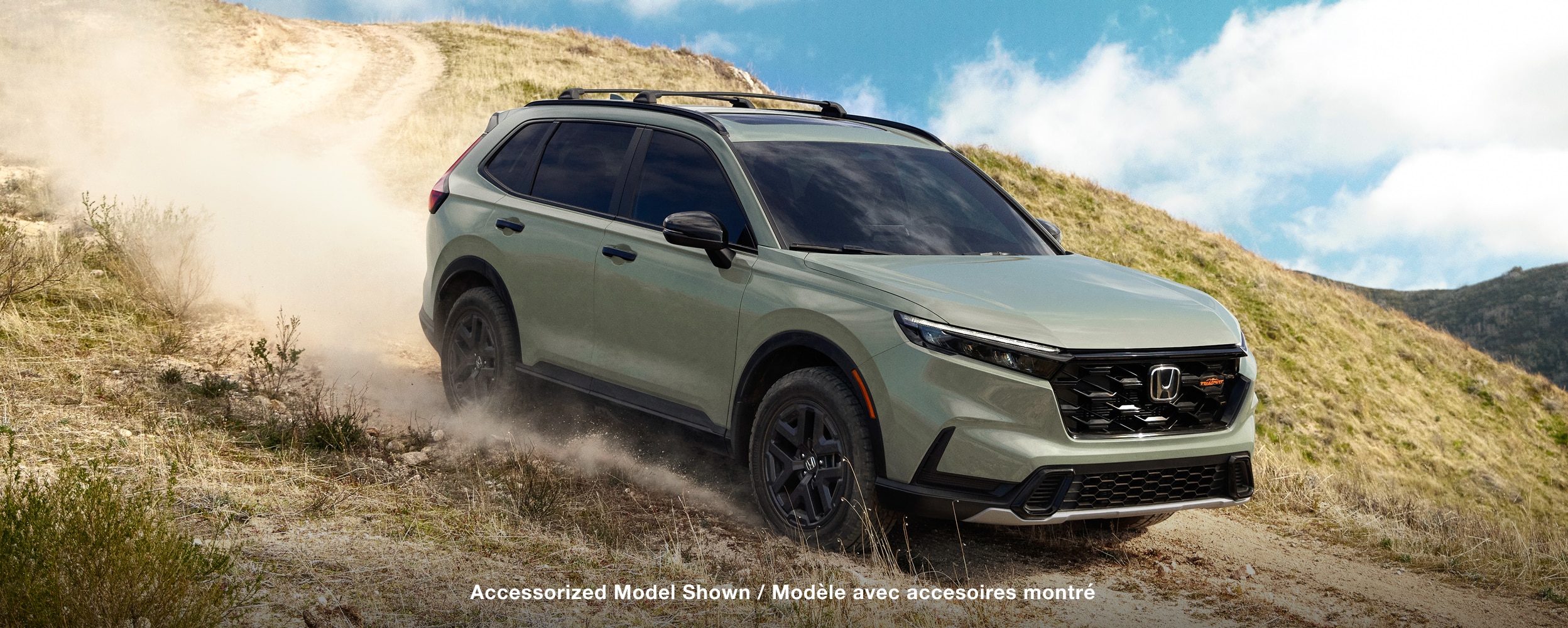
The compact SUV race is rarely won on looks alone. It’s decided in the quiet moments: the ease of finding a button by feel, the steadiness of the steering on a rain-slick commute, the way cargo settles into place, and the calm confidence of a cabin that never feels cramped. In that arena, the 2026 Chevrolet Equinox and the Honda CR-V stand as two of the most discussed contenders. Both aim for the same prize—everyday versatility with a dash of adventure—but they tend to approach the task with distinct philosophies. Step inside this comparison to see how they differ in performance character, technology comfort, safety posture, and the small daily conveniences that add up over time.
At-a-Glance Identity: How Each SUV Wants to Be Used
The Equinox typically projects a more contemporary, buoyant presence—one that feels at home in suburban errands and weekend road trips. It leans into a modern sensibility with design cues that read as confident and streamlined. The CR-V, meanwhile, often feels like a long-established routine: familiar, practical, and quietly refined. It doesn’t demand attention; it earns it through balance. The result is that shoppers frequently select the Equinox when they want a more expressive vibe, while many choose the CR-V when they value predictability and long-term user-friendliness.
That doesn’t make one inherently better than the other. It means your priorities will steer the decision. Think of it as comparing two well-tuned instruments: one might offer a brighter timbre, while the other delivers a more consistent tone across a broad range of “real life” conditions.
Exterior Design and Road Presence
From a distance, the Equinox and CR-V can look like variations of the same compact-suv theme—rooflines, grille shapes, and wheel proportions. Yet the details tell different stories. The Equinox tends to emphasize a more sculpted, kinetic look, as though the vehicle is moving even when stationary. The CR-V typically follows a more composed geometry, with lines that aim for clarity rather than drama.
These aesthetics aren’t just cosmetic. They influence how the vehicle frames the road and how drivers perceive visibility and proportion. A hood that visually “lands” well can help drivers feel oriented in traffic. A body that reads clean and simple can make the car feel easier to maneuver in tight parking situations.

Cabin Layout and Ergonomics: The Art of Everyday Comfort
Once the doors close, the real comparison begins. A compact SUV succeeds when the driver doesn’t have to perform mental gymnastics to operate the controls. The Equinox cabin often feels designed around quick access—screens and functions arranged to minimize distraction during short trips. It can feel intuitive, with a focus on usability that doesn’t require a manual to decode.
The CR-V typically shines in ergonomics that feel “natural.” Seat position, visibility, and control placement often create a low-friction driving experience. The difference may be subtle, but it becomes noticeable after an hour behind the wheel. You might notice that the CR-V’s layout makes it easier to settle into a stable posture, while the Equinox can feel slightly more cockpit-like, encouraging a more engaged stance.
Materials matter too. Both models aim for durability, yet the tactile experience can vary—how seats feel after a long drive, how the steering wheel wraps the hand, and how the cabin soundscape behaves at speed. A quiet cabin is more than comfort; it reduces fatigue.
Infotainment and Connectivity: Interfaces for the Modern Routine
Everyday life now runs on connectivity. That means the infotainment system isn’t merely a screen—it’s a command center. The Equinox often offers a crisp, modern interface with menus that can feel responsive and “current.” If you regularly switch between navigation, audio, and smartphone integration, you’ll want a layout that’s easy to navigate without hunting.
The CR-V generally maintains a reputation for intuitive software behavior and clarity in driver-oriented functions. Whether it’s pairing a phone quickly, adjusting audio with a minimum of distraction, or using navigation without constant re-checking, the goal is the same: keep you informed while letting you stay focused on the road.
Look also for how systems handle voice commands, how quickly they react, and whether the screen is readable in bright sunlight. A technology package should not become a second job.

Powertrains and Driving Feel: Character Over Numbers
On paper, compact SUVs can share similar categories of performance, but the driving experience is often where differences emerge. The Equinox tends to deliver a lively sensation—an eagerness that can make city driving feel less like commuting and more like gliding from stoplight to stoplight. Its throttle response may feel geared toward everyday momentum, especially when you’re merging or passing.
The CR-V’s driving feel often emphasizes smoothness and composure. It can feel steady at cruising speeds, with a steering response that’s designed to build confidence rather than excitement for its own sake. The suspension approach typically aims to filter rough pavement without turning every bump into a reminder of road conditions.
In practice, both SUVs can handle daily driving with competence. The deciding question is how you want your vehicle to behave when the road gets imperfect. Prefer a more animated feel? The Equinox may align well. Prefer calm, consistent motion? The CR-V often fits the bill.
Ride Quality and Handling: How Each SUV Tames Imperfection
Ride quality is the quiet hero of a compact SUV. It determines how quickly you stop noticing potholes, how well the vehicle absorbs expansion joints, and whether the cabin remains composed over long stretches. The Equinox may feel more responsive, which can be a benefit on curving routes or when changing lanes with purpose. Meanwhile, the CR-V often prioritizes an even-handed ride that reduces rhythmic fatigue.
Handling isn’t only about cornering; it’s about stability during sudden maneuvers—when a car darts into your lane, or when wind gusts press you slightly off your ideal line. Both models aim for secure, predictable behavior. The best choice depends on whether you value a sportier sensation or a more settled rhythm.
Fuel Efficiency and Cost of Ownership: The Long Game
Fuel efficiency can be a deal-breaker over the life of a vehicle. The Equinox and CR-V are designed with everyday economy in mind, but real costs depend on your driving pattern—short trips versus highway miles, traffic density, and even tire choice.
Beyond fuel, consider ownership costs: insurance rates, maintenance scheduling, and how easy it is to live with the vehicle year after year. Honda often draws attention for long-term dependability perception, while Chevrolet attracts buyers who want competitive value and a modern feature set. The “best” cost profile is personal—what matters is the total package you’ll experience, not just the headline estimate.
Safety Technology and Driver Assistance: Confidence Built In
Safety isn’t a single feature; it’s a system of behaviors. The newest generation of driver assistance helps with lane centering, collision mitigation, and adaptive cruise control dynamics. The Equinox typically emphasizes a suite that supports commuting and highway driving with proactive alerts and assistive steering corrections.
The CR-V generally matches that goal with safety tech that aims to keep the driver informed without overwhelming them. Look for how alerts are delivered—are they clear and well-timed?—and how well the system behaves under varying weather. Snowy roads, heavy rain, and low-visibility nights are where driver assistance becomes more than a checkbox.
Also consider visibility aids such as blind-spot monitoring and parking assistance. These features reduce stress in everyday scenarios, like merging into narrow gaps or parallel parking after a long day.
Cargo Space and Practicality: The Real-World Test
Compact SUVs live or die by practicality. Cargo capacity matters, but so does how you access it. Wide liftgate openings, usable cargo shapes, and the ability to fold seats without complicated contortions all improve daily life. The Equinox often offers a straightforward approach to storage—easy to load, easy to organize, and friendly for errands that involve bags, sports gear, or occasional trips.
The CR-V typically emphasizes functional versatility. Its interior configuration often supports families, gear hauling, and the frequent switching between passenger and cargo needs. A good test is to picture your week: groceries, a weekend trip bag, a stroller, or a toolbox. The SUV that makes those transitions less annoying tends to win the practical contest.
Who Should Choose the Equinox?
The 2026 Chevrolet Equinox tends to appeal to drivers who want a modern presence, a connected-feeling cabin, and a driving personality that feels upbeat in day-to-day traffic. If you value quick usability, a contemporary interface, and an engaging road feel, the Equinox may align well with your lifestyle.
It’s also a strong candidate for shoppers who prioritize feature-forward packaging and want a compact SUV that feels relevant—almost future-minded—while still being dependable for everyday use.
Who Should Choose the CR-V?
The 2026 Honda CR-V tends to fit buyers who want calm confidence, intuitive ergonomics, and a safety ecosystem that supports long drives with reduced mental load. If you prefer a settled ride, clear visibility, and a cabin designed around ease, the CR-V may feel like the more natural choice.
Many choose the CR-V for its long-term practicality—an SUV that doesn’t just perform today, but continues to feel coherent and comfortable as seasons change and routines evolve.
Final Verdict: Picking the Right Compact SUV for Your Life
Choosing between the 2026 Chevrolet Equinox and the Honda CR-V isn’t about declaring a universal winner—it’s about matching each vehicle’s personality to your own habits. The Equinox often leans into modern expressiveness and a lively driving demeanor. The CR-V tends to offer steady refinement, ergonomic clarity, and a calm sense of control.
When you’re ready to decide, pay attention to your first impression and your last one. Sit in both. Drive them on a familiar route. Notice how the cabin feels after the novelty wears off. Consider where you’ll use the SUV most—commutes, school runs, highway travel, or weekend adventures. In the end, the best compact SUV is the one that makes your everyday feel easier, safer, and more comfortably capable.