The Ford Mustang Dark Horse and the Chevrolet Camaro ZL1 are not just cars—they are mechanical manifestos of American automotive obsession. For decades, these two titans have waged a silent war on twisty backroads, drag strips, and even the pages of enthusiast magazines, each representing a distinct philosophy of performance. One is a precision instrument, honed in the crucible of racing pedigree; the other is a raw, unfiltered expression of raw horsepower and unapologetic aggression. Yet beneath the horsepower figures and lap times lies something far more compelling: a cultural rivalry that mirrors America’s own duality—refinement versus rebellion, engineering versus instinct. This is the story of two machines that don’t just compete; they define what it means to be an American muscle car in the 21st century.
The Roots of Rivalry: A Legacy Etched in Horsepower and Heritage
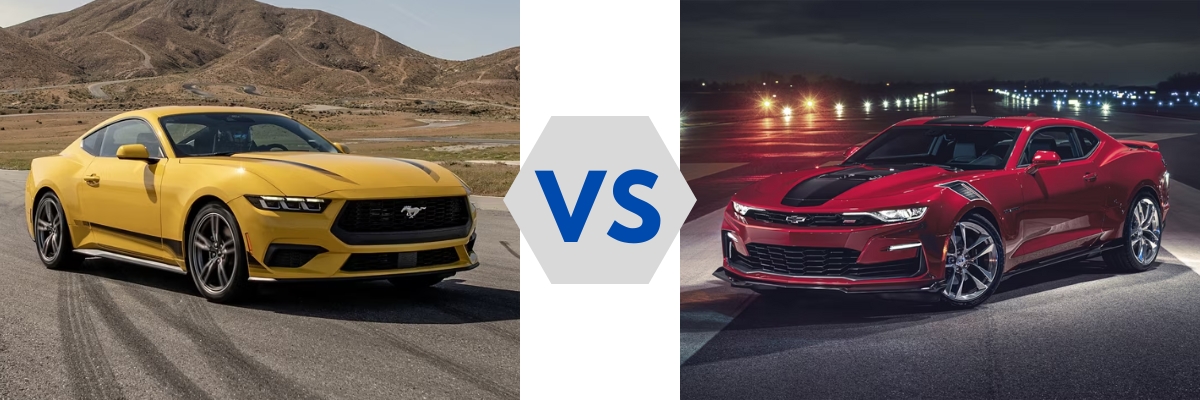
The Mustang and Camaro weren’t born enemies—they were born from the same restless American spirit. When Chevrolet unveiled the Camaro in 1966 as a direct response to Ford’s Mustang, it wasn’t just a car war that began; it was a cultural awakening. The original pony cars weren’t just transportation; they were symbols of freedom, rebellion, and individuality. The Mustang became the car of the open road, the Camaro the choice of the weekend warrior. Fast forward to today, and the Dark Horse and ZL1 carry that torch forward, each embodying a modern interpretation of their forefathers’ ethos.
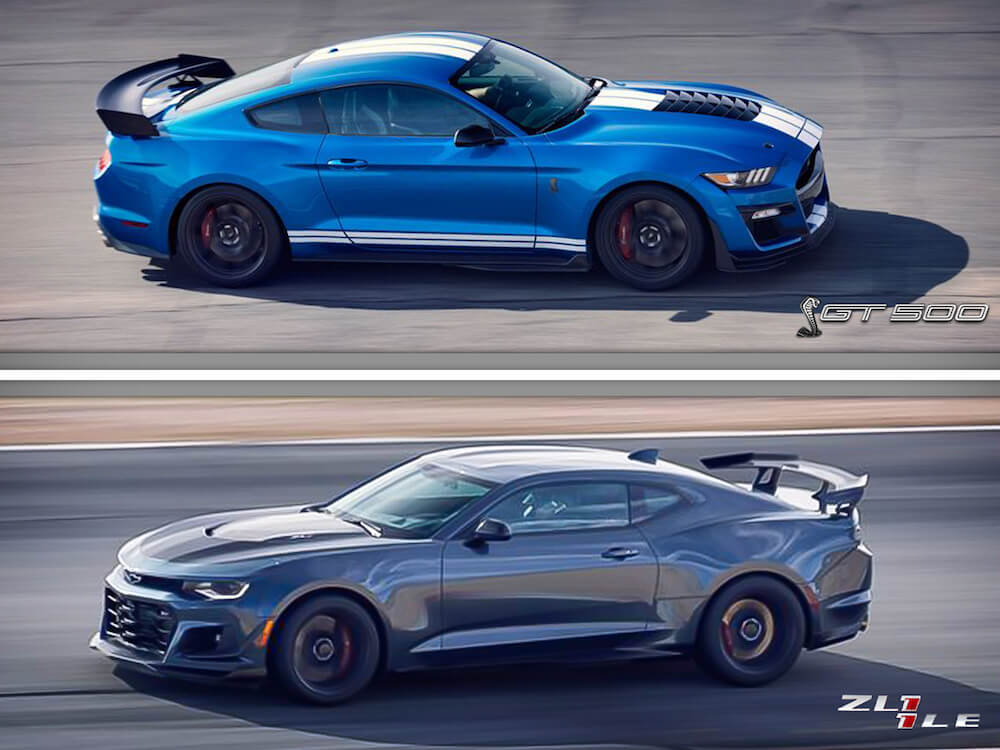
The Mustang Dark Horse, introduced as the halo trim of the Mustang lineup, is a study in calculated aggression. With a supercharged 5.0L V8 churning out 500 horsepower, it’s not just fast—it’s surgically precise. The ZL1, on the other hand, is a brute-force masterpiece. Its supercharged 6.2L V8 delivers 650 horsepower, a number that doesn’t just intimidate; it commands respect. Where the Dark Horse whispers promises of track-day dominance, the ZL1 bellows a challenge that echoes through the valleys of the Sierra Nevada.
Engineering Philosophy: Precision vs. Power
To understand the Dark Horse and ZL1, one must first understand their souls. The Mustang Dark Horse is the product of Ford’s relentless pursuit of balance. Every component—from the adaptive dampers to the MagneRide suspension—is tuned to deliver a driving experience that is both exhilarating and composed. The ZL1, conversely, is a force of nature. Its suspension is stiff, its steering is direct, and its exhaust note is a symphony of mechanical defiance. It doesn’t just want to go fast; it wants to dominate.
The Dark Horse’s 10-speed automatic transmission is a marvel of modern engineering, shifting with the grace of a ballet dancer while the ZL1’s Tremec TR-6060 manual transmission is a sledgehammer—raw, unfiltered, and demanding. One car rewards finesse; the other demands mastery. This dichotomy isn’t just about performance—it’s about identity. The Dark Horse appeals to those who see the track as a canvas, while the ZL1 attracts those who view it as a battlefield.
Track Performance: Where Legends Are Forged
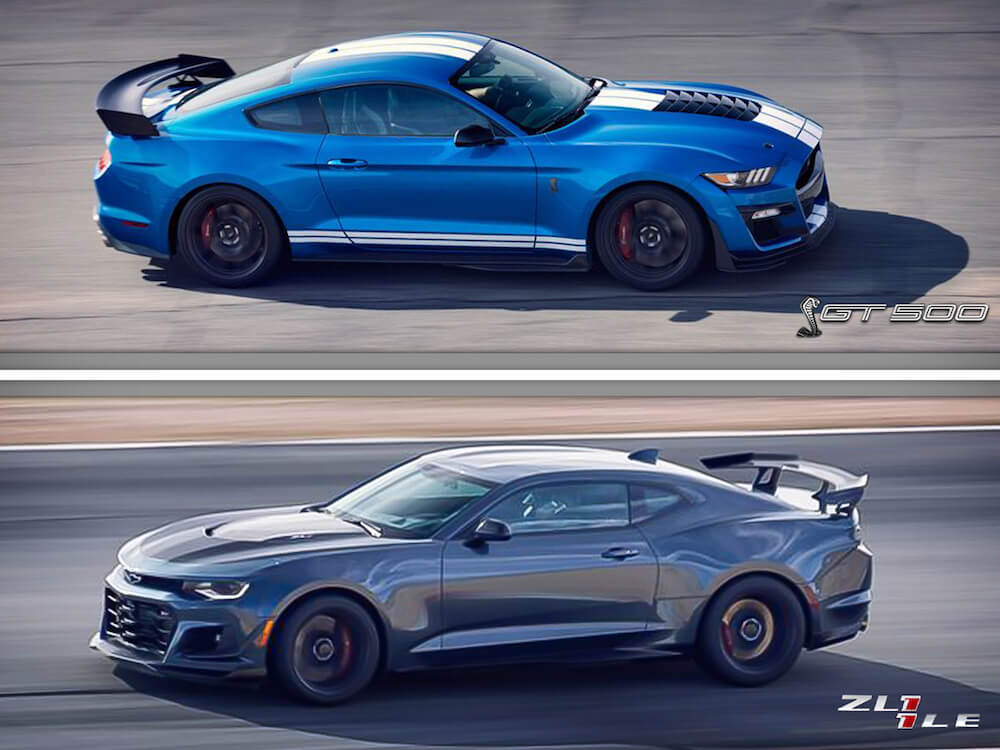
On the track, the differences between these two titans become starkly apparent. The Mustang Dark Horse, with its advanced aerodynamics and weight distribution, glides through corners with the poise of a grand prix racer. Its active exhaust system growls in approval as it carves apexes, while the ZL1’s massive tires and aggressive camber settings dig into the asphalt like a predator claiming its territory. The ZL1’s lap times are often quicker, but the Dark Horse’s consistency is its greatest weapon.
Consider the Nürburgring, where the ZL1 has set benchmark times for American muscle cars. Its brute force is undeniable, but the Dark Horse’s ability to maintain speed through a series of esses without losing composure is a testament to its engineering. One car is a sprinter; the other is a marathoner. Both are champions in their own right, but their strengths lie in different disciplines.
Exterior Design: A Study in Aggression and Elegance
The Mustang Dark Horse wears its performance credentials on its sleeve. The front splitter, the aggressive grille, and the LED-lit pony badge all scream intent. Yet, there’s an elegance to its design—a nod to its European-inspired underpinnings. The ZL1, in contrast, is a rolling thunderstorm. Its wide-body stance, the menacing hood vents, and the iconic “ZL1” badges on the grille leave no room for subtlety. It’s a car that doesn’t just turn heads; it stops traffic.
The Dark Horse’s design language is a blend of heritage and modernity, a visual representation of Ford’s commitment to evolution. The ZL1, however, is unapologetically retro-futuristic, a throwback to the muscle cars of the 1970s but with a modern twist. One car is a refined gentleman; the other is a street brawler. Both are undeniably American.
Interior Luxury: Comfort vs. Competition
Step inside the Dark Horse, and you’re greeted by a cockpit that blends performance with luxury. The seats are bolstered, the steering wheel wrapped in perforated leather, and the digital instrument cluster provides a wealth of information at a glance. It’s a space designed for those who appreciate the finer things in life but refuse to compromise on performance.
The ZL1’s interior, while not as plush, is a temple of track-ready functionality. The Recaro seats cradle you like a race harness, the carbon-fiber trim adds a touch of exotic flair, and the Brembo brakes lurk beneath the pedals, ready to halt your progress at a moment’s notice. It’s a cabin built for those who live for the thrill of the drive, not the comfort of the ride.
The Cultural Impact: More Than Just Cars
These cars are more than just machines—they are cultural touchstones. The Mustang Dark Horse represents the evolution of the American muscle car, a synthesis of tradition and innovation. It’s a car for the enthusiast who appreciates history but demands modernity. The ZL1, meanwhile, is a celebration of raw power, a modern interpretation of the muscle car ethos that defined an era.
They embody the American spirit in its purest form: the relentless pursuit of progress, the unyielding desire to push boundaries, and the unshakable belief that bigger, faster, and louder is always better. They are not just cars; they are statements.

The Final Verdict: Which King Rules the Road?
Choosing between the Mustang Dark Horse and the Camaro ZL1 isn’t about declaring a winner—it’s about embracing a philosophy. If you value precision, technology, and a driving experience that balances performance with comfort, the Dark Horse is your chariot. If you crave unbridled power, a visceral connection to the road, and a car that commands attention wherever it goes, the ZL1 will be your partner in crime.
Ultimately, the true winner is the enthusiast who recognizes that these cars represent the pinnacle of American automotive ingenuity. They are not rivals; they are complements. One is the yin to the other’s yang, a perfect balance of power and poise, aggression and elegance. Together, they define what it means to be an American muscle car in the 21st century—a legacy that will endure for generations to come.
The road ahead is long, the competition fierce, and the stakes higher than ever. But one thing is certain: as long as there are open highways and empty backroads, the Mustang Dark Horse and the Camaro ZL1 will continue their eternal duel, each car a testament to the indomitable spirit of American performance.