The Ford Mustang Mach-E isn’t just another electric SUV—it’s a statement wrapped in performance, a rebellion against convention cloaked in heritage. For decades, the Mustang name has evoked raw power, throaty exhaust notes, and the unmistakable thrill of American muscle. Yet here it is, reincarnated as a zero-emission crossover, defying expectations while embracing its legacy. This isn’t merely an evolution; it’s a reinvention, one that forces us to reconsider what an electric vehicle can be. Why does the Mustang Mach-E captivate enthusiasts and skeptics alike? The answer lies not just in its specs, but in the audacity of its existence—a fusion of nostalgia and innovation that feels both familiar and revolutionary.
The Electric Mustang: A Bold Departure from Tradition
At first glance, the Mustang Mach-E seems like an oxymoron—a pony car reborn as a crossover. Yet this paradox is precisely what makes it so compelling. The traditional Mustang was built for straight-line speed and driver engagement, its V8 growl a symphony of mechanical poetry. The Mach-E, by contrast, is a silent predator, its acceleration measured in milliseconds rather than engine revs. This shift from brute force to instantaneous torque isn’t just a technological leap; it’s a cultural one. It challenges the very notion of what defines a Mustang, proving that the spirit of the brand isn’t tied to pistons or exhaust pipes, but to the thrill of driving itself.
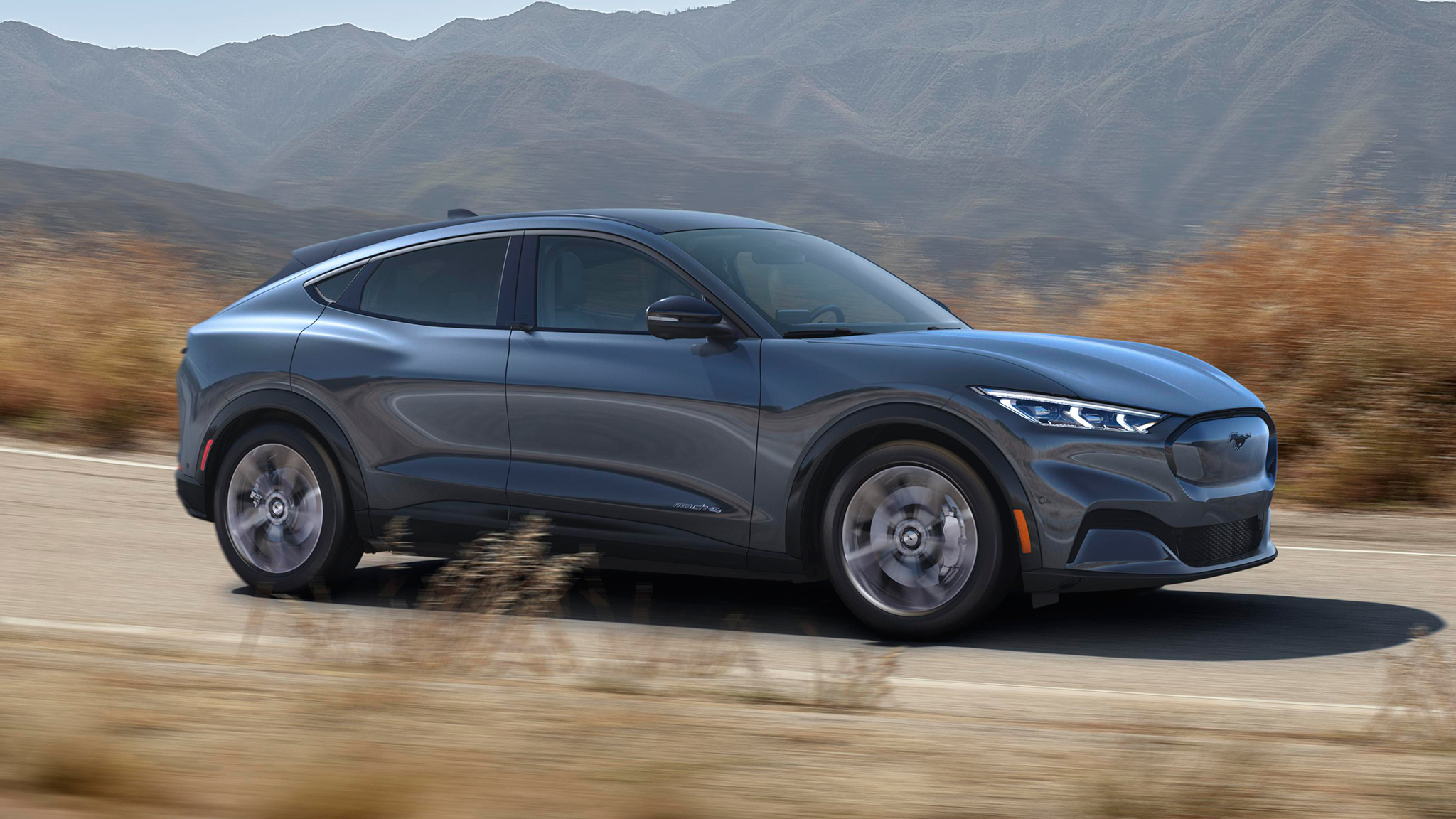
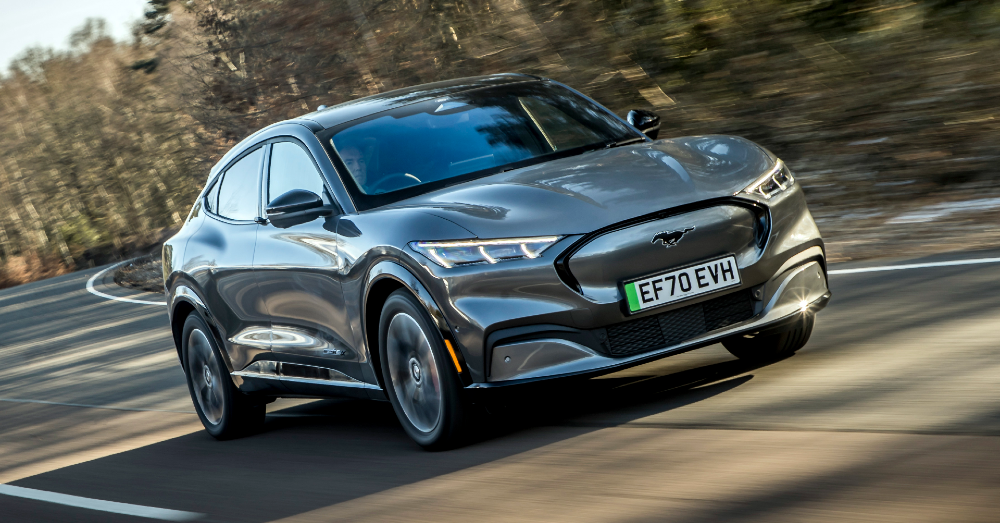
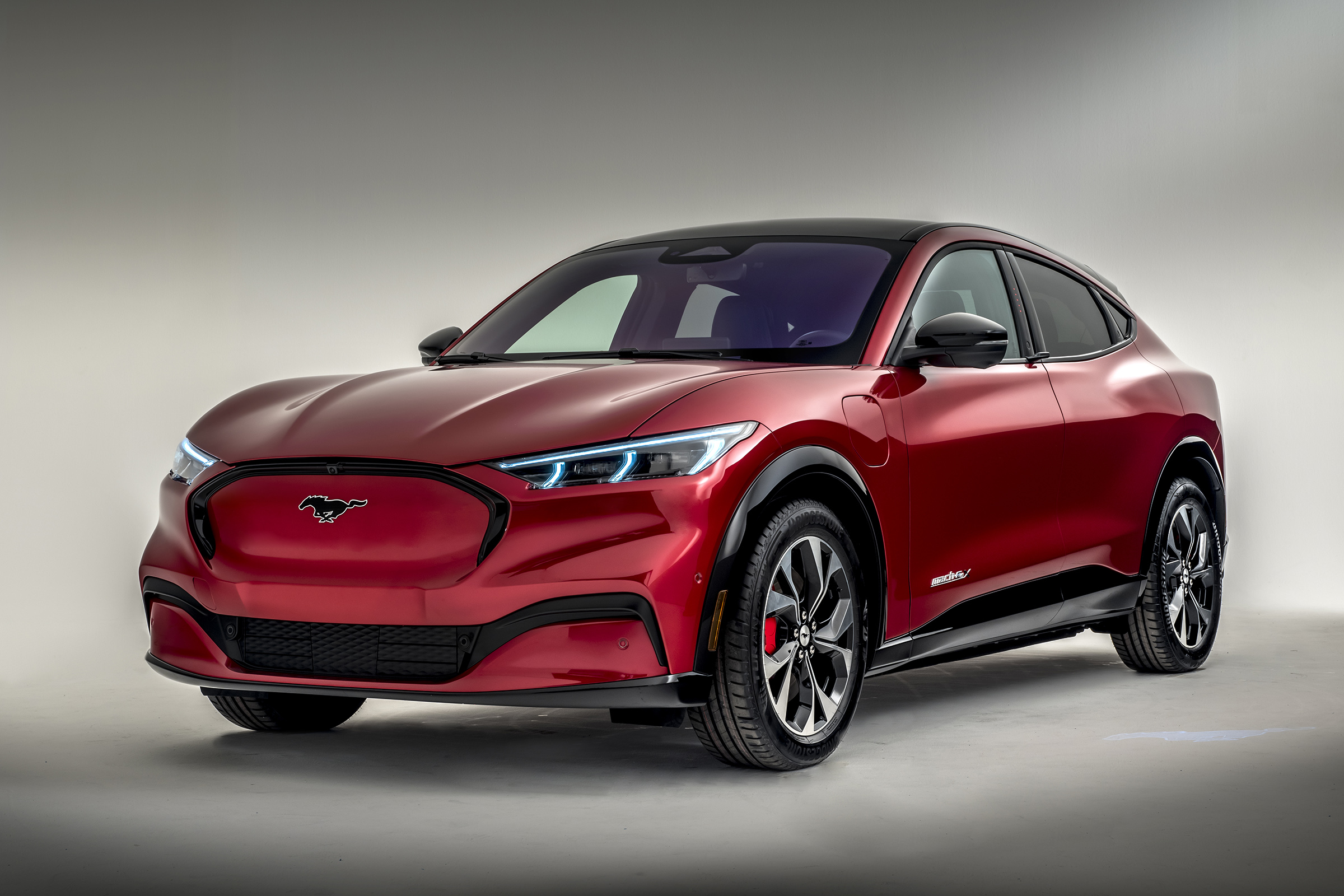
The Mach-E’s design language bridges this divide with striking elegance. Its sleek, coupe-like roofline and aggressive front fascia pay homage to the Mustang’s iconic silhouette, while its aerodynamic curves and flush door handles whisper of a future where efficiency meets excitement. The absence of a traditional grille isn’t a concession—it’s a declaration. This is a car that doesn’t need to breathe; it’s designed to slice through the air, its battery pack tucked low for a center of gravity that rivals some sports cars. The result? A vehicle that looks as if it’s perpetually in motion, even when parked.
Performance That Redefines Electric Driving
Under the hood—or rather, beneath the floor—lies the heart of the Mach-E: a lithium-ion battery pack paired with dual electric motors in the GT Performance Edition, or a single motor in the Select trim. The numbers alone are staggering. The GT can sprint from 0 to 60 mph in a scant 3.5 seconds, a figure that would make many internal combustion supercars blush. Yet speed is only part of the story. What truly sets the Mach-E apart is its adaptive response to the driver’s whims. Throttle inputs are met with immediate, linear power delivery, devoid of the turbo lag or gear hunting that plagues traditional performance cars. It’s a driving experience that feels both effortless and exhilarating, as if the car is reading your mind before you’ve even formed the thought.
The Mach-E’s handling is equally impressive. Ford’s engineers have tuned the suspension to strike a balance between comfort and agility, ensuring that the car remains planted through corners while still soaking up the imperfections of uneven roads. The steering, too, is a marvel—a variable-ratio system that tightens as speed increases, providing a tactile connection to the road that’s often missing in electric vehicles. And then there’s the regenerative braking, a feature that transforms deceleration into a one-pedal driving experience. Lift off the accelerator, and the Mach-E slows itself with a smooth, predictable drag, recapturing energy that would otherwise be lost. It’s a system so intuitive that it becomes second nature, a subtle reminder of how electric vehicles can redefine our relationship with the road.
Technology and Comfort: The Modern Mustang’s New Armor
Step inside the Mach-E, and you’re greeted by a cabin that’s as futuristic as it is familiar. The dashboard is dominated by a massive 15.5-inch touchscreen, a digital canvas that controls everything from climate settings to performance modes. Yet Ford hasn’t abandoned physical controls entirely—critical functions like volume and temperature are managed via tactile knobs, a nod to the tactile feedback that drivers often crave. The seats, upholstered in premium materials, cradle occupants in a blend of support and luxury, while the panoramic glass roof floods the interior with natural light, making even the longest drives feel airy and open.
Technology isn’t just about flashy displays, though. The Mach-E comes equipped with Ford’s Co-Pilot360™ suite, a comprehensive safety package that includes adaptive cruise control, lane-keeping assist, and automatic emergency braking. These aren’t just checkbox features; they’re designed to work in harmony with the driver, reducing fatigue on long journeys while enhancing overall confidence behind the wheel. The Mach-E also supports over-the-air updates, ensuring that the car’s software evolves alongside the latest advancements in connectivity and autonomous driving.
For those who crave a more analog experience, the Mach-E offers a “One Pedal Drive” mode, which allows the driver to accelerate and decelerate using only the accelerator pedal. It’s a feature that takes some getting used to, but once mastered, it transforms city driving into a seamless, almost meditative experience. The car glides forward with a gentle push, and lifting off brings it to a smooth stop without the need for the brake pedal. It’s a small but significant innovation, one that hints at a future where electric vehicles redefine our interaction with transportation itself.
The Range Dilemma: Myth vs. Reality
Of course, no discussion of an electric vehicle would be complete without addressing range anxiety. The Mach-E’s EPA-estimated range varies by trim, with the Select model offering up to 250 miles on a full charge, while the extended-range versions can stretch to 314 miles. These figures place the Mach-E squarely in the realm of practicality for most daily commutes, but they also raise questions about long-distance travel. After all, the Mustang has always been a car for the open road, a symbol of freedom and adventure. Can an electric Mustang truly deliver the same sense of liberation?
The answer lies in the growing network of fast-charging stations, which can replenish up to 80% of the battery in as little as 45 minutes. Ford’s BlueOval™ network, in partnership with Electrify America, ensures that Mach-E owners have access to thousands of charging points across the country, making road trips not just feasible, but enjoyable. The Mach-E’s navigation system even includes real-time charging station availability, routing around traffic and directing drivers to the nearest compatible charger. It’s a level of integration that transforms range anxiety from a looming dread into a manageable logistical challenge.
Yet even with these advancements, the Mach-E’s range is still a compromise compared to its internal combustion counterparts. A traditional Mustang can cover 400 miles on a single tank, and refueling takes minutes, not hours. The Mach-E, for all its virtues, requires a different kind of planning—a shift in mindset that acknowledges the realities of electric mobility. But perhaps that’s the point. The Mach-E isn’t just a car; it’s a catalyst for change, a reminder that progress often demands sacrifice. And in this case, the trade-offs are worth it.
The Cultural Impact: A Mustang for a New Generation
The Mustang has always been more than a car—it’s an icon, a symbol of American ingenuity and rebellious spirit. The Mach-E carries that legacy forward, but it also speaks to a new generation of drivers who prioritize sustainability without sacrificing performance. It’s a vehicle that appeals to environmentalists and petrolheads in equal measure, a rare breed that refuses to be pigeonholed. In a world where electric vehicles are often dismissed as slow or impractical, the Mach-E stands as a rebuttal, a testament to what’s possible when innovation meets ambition.
Yet the Mach-E’s cultural significance extends beyond its specs. It represents a turning point in the automotive industry, a moment where legacy automakers like Ford take bold steps toward an electric future. The Mach-E’s success—or lack thereof—will send ripples through the market, influencing consumer perceptions and shaping the next wave of electric vehicles. Will it be the car that finally convinces skeptics that electric performance can rival, or even surpass, traditional combustion engines? Or will it remain a niche curiosity, a footnote in the story of the Mustang’s evolution? Only time will tell, but one thing is certain: the Mach-E has already made its mark.
Final Verdict: A Mustang Reborn
The Ford Mustang Mach-E is a paradox wrapped in a paradox—a silent storm of innovation cloaked in the familiar silhouette of a legend. It’s a car that defies expectations, proving that electric vehicles can be thrilling, practical, and aspirational all at once. The Mach-E doesn’t just drive like a Mustang; it *feels* like one, albeit in a way that’s entirely its own. It’s a vehicle that challenges our preconceptions, that asks us to rethink what a car can be, and that ultimately delivers on its promise of performance without compromise.
For those who grew up with the roar of a V8, the Mach-E might feel like a betrayal. But for those willing to embrace the future, it’s an invitation—a chance to experience the Mustang in a new light, one where the only thing louder than the past is the hum of innovation. The Mach-E isn’t just an electric SUV. It’s a revolution on wheels, a testament to the enduring power of the Mustang name, and a glimpse into the future of driving itself.