There’s a particular kind of quiet that happens when a household gets used to a pet’s routines. The leash goes where it always goes. The bowl clicks at the same hour. And then, inevitably, the car becomes the hinge of the day—where comfort is negotiated and safety is either respected or regretted. In 2026, the best sedans for pet owners are shifting that bargain. They’re no longer just “ride-getting machines.” They’re becoming adaptable living spaces on wheels, tuned for spill resistance, harness-friendly geometry, and trunk practicality that doesn’t feel like a compromise.
So let’s talk about what’s changing. Not in slogans. In the concrete details you’ll actually notice: seat-back materials that resist the kind of chaos pets generate; cargo bays shaped to reduce sliding; and backseat layouts that make cleaning feel less like penance. The curious part? Many of these improvements aren’t flashy. They’re engineered to make your life smoother without asking permission from your schedule.
And if you’re wondering whether a sedan can truly be pet-ready, consider this your shift in perspective. A trunk isn’t merely storage—it’s a staging platform. A backseat isn’t merely seating—it’s an interface between animal instincts and human control.
Backseat Design: Where Comfort Meets Containment
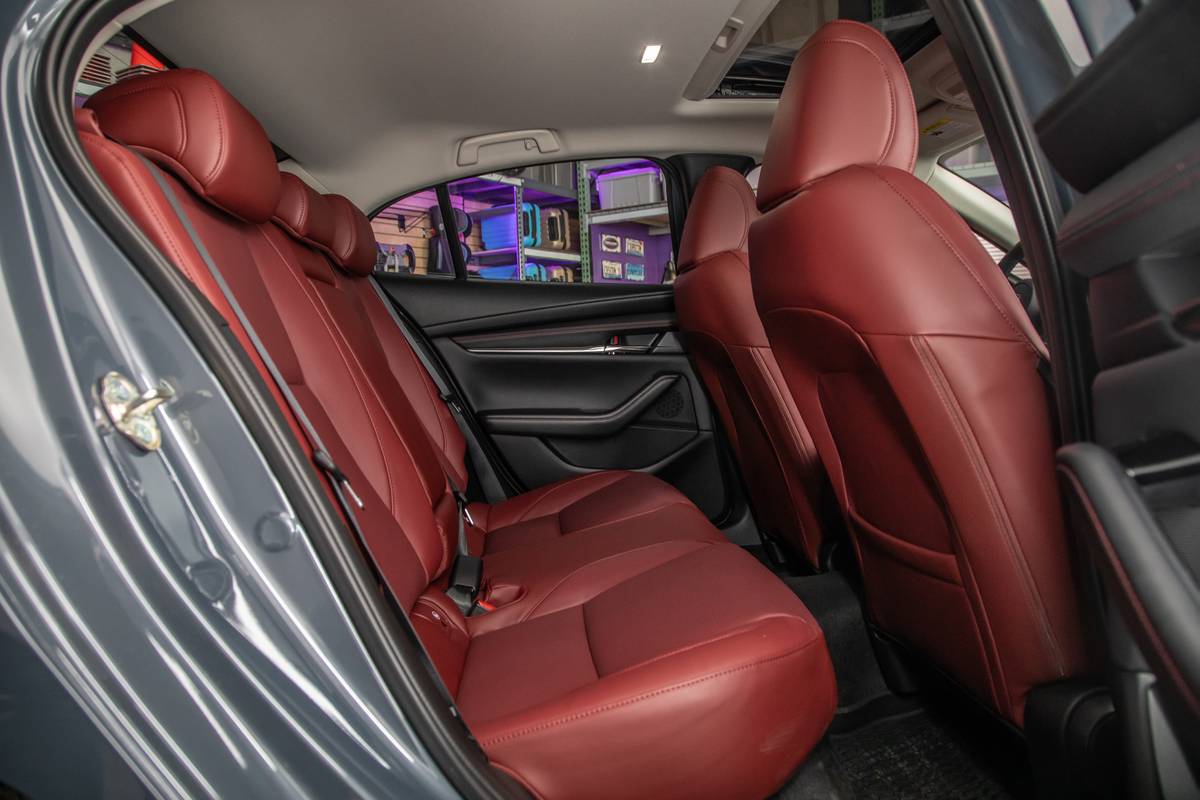
The backseat is the pet’s “front row,” even if they never claim it openly. In the best 2026 sedans, the geometry matters. Headrests are positioned to reduce awkward wriggling, while seat contours support better posture for smaller dogs and anxious cats. Some models are engineered to accommodate common pet barriers and harness systems without strangling legroom.
Look closely at the seat-back surfaces. In 2026, more sedans use upholstery blends and coatings intended to repel hair and make stain removal less of a forensic exercise. The goal is not perfection—it’s forgiveness. A little fur on a dark fabric shouldn’t become a week-long mystery.
Also watch for the practicality of latch points and anchor placement. When the anchors sit where they’re meant to, securing a carrier or using a backseat tether becomes far less temperamental. Pets dislike instability. Humans dislike fiddling. The best sedans respect both.

Seat Covers, Materials, and Spill Resilience
Pet ownership is a study in variables: food bowls, muddy paws, occasional motion sickness, and that surprise “wet whiskers” moment. In 2026, the most pet-friendly sedans are designed with the inevitability of mess in mind. Upholstery options increasingly prioritize stain resistance, and many interiors feature smoother-touch materials that prevent grime from embedding.
Even with careful habits, accidents happen. That’s why the best sedans treat cleanup as a timed process rather than a prolonged project. Removable seat-back covers, protective cargo liners, and surfaces that tolerate quick wipe-downs are the quiet champions here.
Consider hair behavior as well. Some seat fabrics are engineered to reduce cling—hair slides off more readily and vacuuming becomes less of a scavenger hunt. It’s not about vanity. It’s about restoring the seat’s original texture before it attracts more grime.
Finally, think about temperature management. Pets sense drafts. Modern cabins often maintain steadier airflow, which can reduce panting and restlessness. Comfort, after all, is a safety feature.
Safety Systems That Don’t Fight Pet Routines
Safety for pets in a sedan isn’t just about airbags. It’s about how the vehicle’s systems interact with your restraint choices. In 2026, more sedans offer configurations that support crash-tested pet accessories, including harness setups and properly secured carriers.
That matters because a pet in motion—especially a small dog or cat—doesn’t understand that you’re trying to keep them “somewhere safe.” They interpret physics first. So the restraint must anchor to strong points rather than relying on improvised straps.
Pay attention to the availability of ISOFIX or latch-compatible points in rear seating. When anchors are accessible and clearly positioned, you’re more likely to use them consistently. Consistency is where safety lives.
Also note the interplay between the seatbelt path and pet barriers. A well-designed backseat reduces slack and minimizes shifting during sudden braking. Translation: fewer startled pets, fewer distractions, and a calmer drive.
Backseat Space and Access: Less Negotiation, More Movement
A pet doesn’t wait patiently while you search for a blanket or unhook a carrier. In the best 2026 sedans, backseat access is more forgiving. Door openings and seat placement reduce the contortion required to lift a carrier in and out. The result is less friction for you—and less stress for your animal companion.
Legroom matters, especially for larger dogs who need a predictable posture. If a sedan’s backseat is cramped, pets shuffle. Shuffling creates mess. Mess becomes a cycle.
Also consider how fold-down seatbacks behave. Some models provide smooth, well-aligned folding mechanisms that enable quick transitions between passenger space and cargo expansion. For pet owners, this is more than convenience—it’s operational flexibility.
Trunk Geometry: The Cargo Bay as a Pet Logistics Hub
Trunk design is often underestimated, yet it’s the centerpiece of pet practicality. In 2026, better sedans feature cargo openings that feel less like a trapdoor and more like a usable platform. A wider opening reduces the awkward angle required to move carriers, grooming bags, and large supplies.
The trunk floor height also matters. When loading is easier, you’re more likely to transport essentials in consistent containers—carrier bags, spill-proof bins, and washable covers. That consistency keeps the trunk cleaner and makes daily departures smoother.
Look for a trunk that supports secure cargo. Tie-down points help keep pet items from becoming missiles. This includes food containers, travel litter systems, and large leashes. When the trunk behaves like a controlled space, your car becomes calmer—inside and out.

Trunk Materials and Liners: Preventing the “After-Trip” Chaos
Trunk mess often shows up later: a smear of paw print, a damp corner from a water bottle, or a forgotten damp towel. In 2026, pet-aware sedans increasingly use trunk finishes designed to resist scuffs and water exposure. Some models offer cargo liners that cover the trunk floor and help protect the bumper area.
This is where the trunk becomes a shield. If the liner wipes clean, you spend time with your pet instead of scrubbing the upholstery. And if the trunk’s opening edge is protected, you avoid the constant wear that comes from loading carriers, especially heavy ones.
For cats, this matters too. Carriers can swing. A trunk that accommodates liners and secure anchoring reduces carrier movement. Less movement can mean fewer meows and more composure.
Climate Control for Pets: Comfort Without Overthinking
Heat and humidity alter behavior fast. A dog that’s fine at home may become restless in a car. The best 2026 sedans handle climate with steadiness—less temperature fluctuation, better airflow distribution, and the option to adjust rear cabin conditions.
Some vehicles provide rear vents that keep air circulating near the backseat rather than only blasting at the front occupants. For pet owners, that’s a major difference between “tolerable drive” and “long-term calm.”
Also, consider how quickly the cabin reaches the desired temperature. Inconsistent climate control can trigger panting or anxiety. When the cabin settles predictably, pets settle too. It’s almost uncanny how quickly comfort reduces agitation.
Convenience Features: Power, Charging, and Real-Life Accessories
Pet ownership is logistical. You’re rarely just driving—you’re also monitoring, adjusting, and packing. In 2026, sedans increasingly incorporate practical power points and intuitive controls that make pet routines easier.
Think about where you’ll place essentials: phone for navigation, heated blanket, portable vacuum, or a charging adapter for a water dispenser system. Rear USB connectivity can feel small until you’re mid-journey and suddenly grateful.
Storage compartments matter as well. Having a dedicated place for leashes, poop bags, and wipes reduces the temptation to toss items into the trunk haphazardly. Less dumping means fewer stains and fewer items sliding into damp corners.
Buying Checklist: How to Choose Your 2026 Sedan for Pet-Friendly Living
Before you commit, treat the test drive like a home inspection. Bring the items you actually use: a carrier or harness, a leash, a portable mat, and a couple of cleanup essentials. Then observe how the sedan accommodates your process.
Check for:
• Backseat anchor accessibility and compatibility with restraint systems
• Seat-back surfaces that wipe clean and resist hair cling
• Trunk opening width and floor height for safe loading
• Cargo tie-down points and trunk liner protection
• Rear climate airflow and stability during changing conditions
• Practical storage for leashes, wipes, and travel supplies
Then ask yourself a simple question: does the car make pet travel feel structured, or does it feel improvised? The best sedans tilt toward structure—almost as if they anticipated how pets truly behave.
Final Thoughts: A Sedan Can Feel Like a Safe Annex
The remarkable thing about the best 2026 sedans for pet owners is how they reframe the relationship between vehicle and living creature. It’s no longer “Can my pet ride here?” It’s “Can we travel with dignity, cleanliness, and control?”
When backseat materials resist mess, when anchors encourage proper restraint, and when trunks function as protected staging zones, the car stops being a stress pipeline. It becomes a reliable annex of your routine—ready for adventures, errands, and the quiet in-between moments.
In the end, the best sedan isn’t the one with the most attention-grabbing headline feature. It’s the one that consistently makes life easier for you and calmer for them—every trip, not just the first.