The 2026 Toyota Tundra and Ram 1500 aren’t just trucks—they’re rolling manifestos of what full-size pickups can be. One whispers of bulletproof reliability, the other roars with unapologetic luxury. Yet beneath their polished exteriors, they’re locked in a silent duel over the soul of the American driveway. This isn’t just a comparison of towing specs or trim levels; it’s a clash between two philosophies of truck ownership, where every bolt and stitch tells a story about who we are when we climb behind the wheel.
At first glance, the rivalry seems straightforward: Toyota’s Tundra, the quiet overachiever with a pedigree of dependability, squares off against Ram’s 1500, the velvet-gloved bruiser that treats every commute like a first-class flight. But look closer, and you’ll find something far more intriguing. These trucks aren’t just competing for sales—they’re battling for the very idea of what a truck should represent in 2026. One promises to be your steadfast companion through years of hard miles; the other seduces you with the promise of arriving at those miles in unparalleled comfort. The question isn’t just which one wins—it’s which one you’d trust to define your legacy.
The Tundra’s Unshakable Creed: Reliability as Rebellion
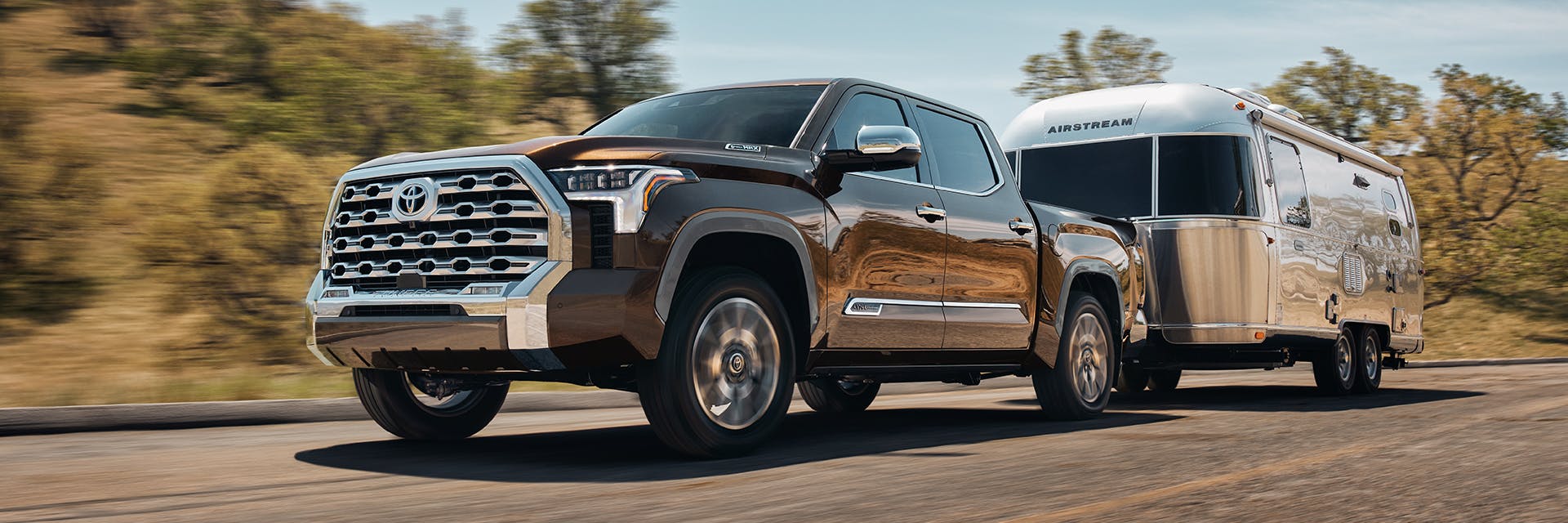
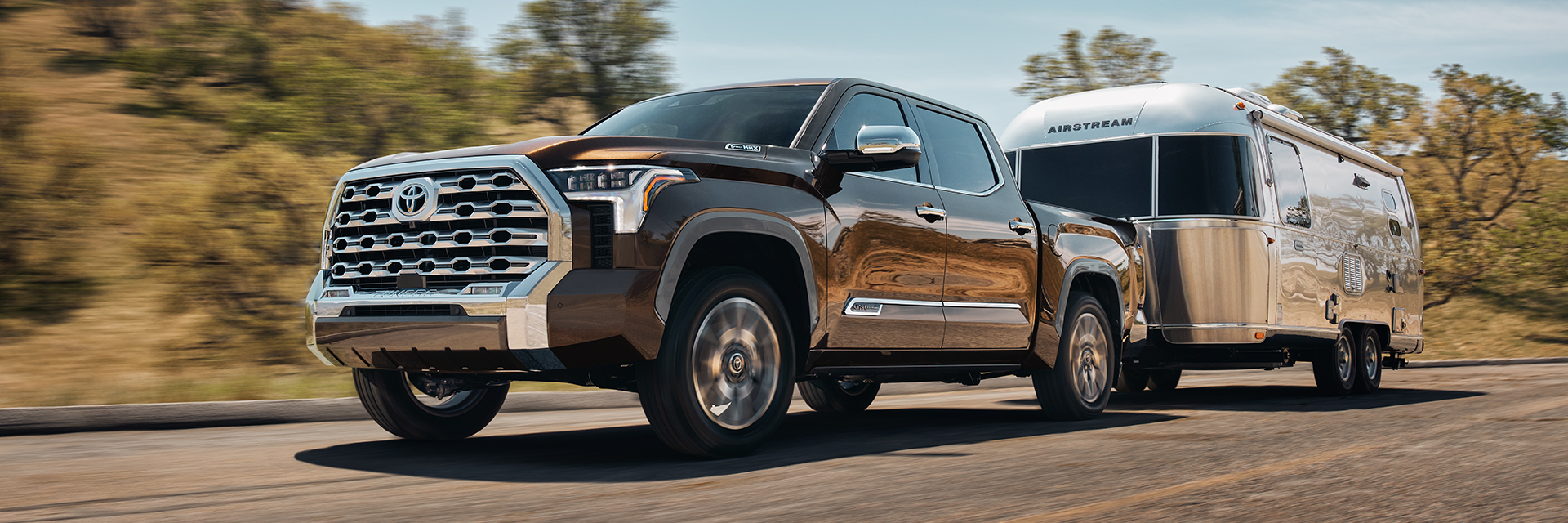
Toyota’s 2026 Tundra doesn’t just build trucks—it builds disciples. For generations, the nameplate has been synonymous with a single, unyielding principle: if you buy one, you’ll never be stranded. This isn’t mere marketing; it’s a cultural contract. The Tundra’s twin-turbo V6, a marvel of engineering restraint, delivers power without the theatrics of exhaust notes that shake windows three blocks away. It’s the kind of engine that hums like a librarian’s printer—efficient, unobtrusive, and always there when you need it.
Yet reliability isn’t just about longevity; it’s about defiance. In an era where trucks are increasingly styled like concept cars, the Tundra clings to its utilitarian roots with the stubbornness of a mule. Its bed is wide, its frame is burly, and its interior—while upgraded—still feels like the cab of a workhorse rather than a rolling penthouse. This is intentional. Toyota understands that for many buyers, a truck isn’t an accessory; it’s a tool, a partner, a silent witness to life’s messiest chapters. When you climb into a Tundra, you’re not just getting a vehicle—you’re enlisting in a quiet revolution against the idea that trucks must sacrifice practicality for panache.
The Ram 1500’s Velvet Fist: Luxury as a Lifestyle Statement
If the Tundra is a monk, the Ram 1500 is a rockstar—all swagger and no apologies. The 2026 iteration doesn’t just refine luxury; it weaponizes it. Step inside, and you’re greeted by a cabin that feels less like a truck’s interior and more like the lounge of a five-star boutique hotel. Leather that could double as a spacesuit, ambient lighting that shifts hues with your mood, and a 12-inch infotainment screen that makes your smartphone feel like a relic. This is a truck that understands that for many buyers, the journey is just as important as the destination—and they’re willing to pay for the privilege of enjoying both.
The Ram’s HEMI V8 is less an engine and more a symphony of controlled chaos. It growls like a caged beast, yet its exhaust note is tuned to perfection—deep, resonant, and just loud enough to remind you that you’re piloting something extraordinary. This isn’t just power; it’s performance art. Ram understands that for its audience, a truck isn’t just a means of transport—it’s a mobile status symbol, a rolling testament to success. When you drive a Ram 1500, you’re not just going somewhere; you’re arriving in style.
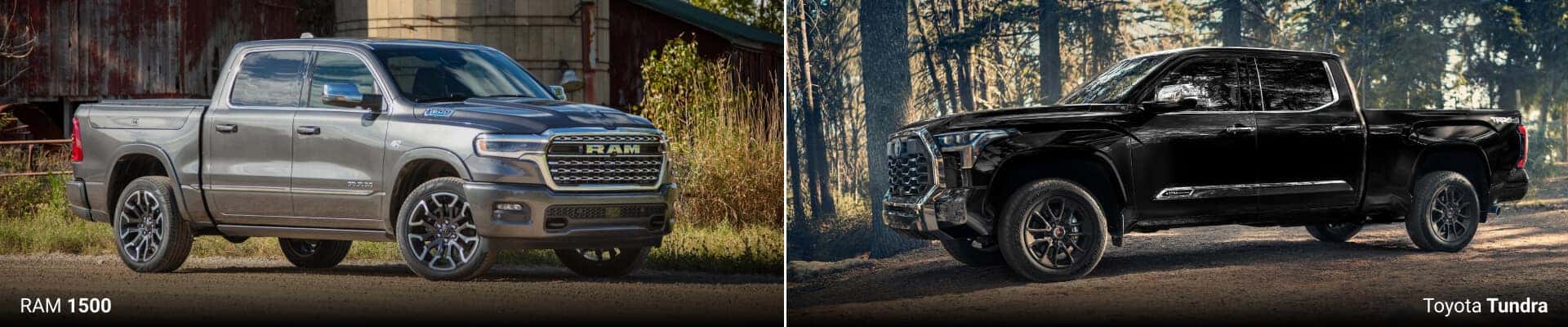
The Great Divide: Practicality vs. Prestige
The Tundra and Ram 1500 aren’t just trucks; they’re archetypes, each embodying a different facet of the American psyche. The Tundra speaks to the part of us that values endurance over extravagance, that sees a truck as a partner in life’s unpredictable adventures. Its bed is longer, its payload capacity is higher, and its towing prowess is nothing short of heroic. This is a truck for the doers, the builders, the people who measure life in cubic feet and horsepower rather than leather grades and ambient lighting presets.
The Ram 1500, on the other hand, caters to the part of us that craves recognition, that sees a vehicle as an extension of identity. Its cabin is a sanctuary of plush materials and cutting-edge tech, its ride is as smooth as a limousine’s, and its features—like the available 19-speaker Harman Kardon sound system—are designed to make every drive feel like an event. This is a truck for the achievers, the people who want to arrive at the job site in a vehicle that says, “I’ve made it.”
Yet the divide isn’t as clean as it seems. The Tundra’s reliability is its own form of luxury—imagine the peace of mind that comes from knowing your truck will start in the dead of winter, no matter how many times you’ve ignored its maintenance reminders. And the Ram’s luxury isn’t just about comfort; it’s about capability. With available air suspension and adaptive dampers, the 1500 can tackle rough terrain with the grace of a sports sedan, proving that you don’t have to sacrifice practicality for prestige.
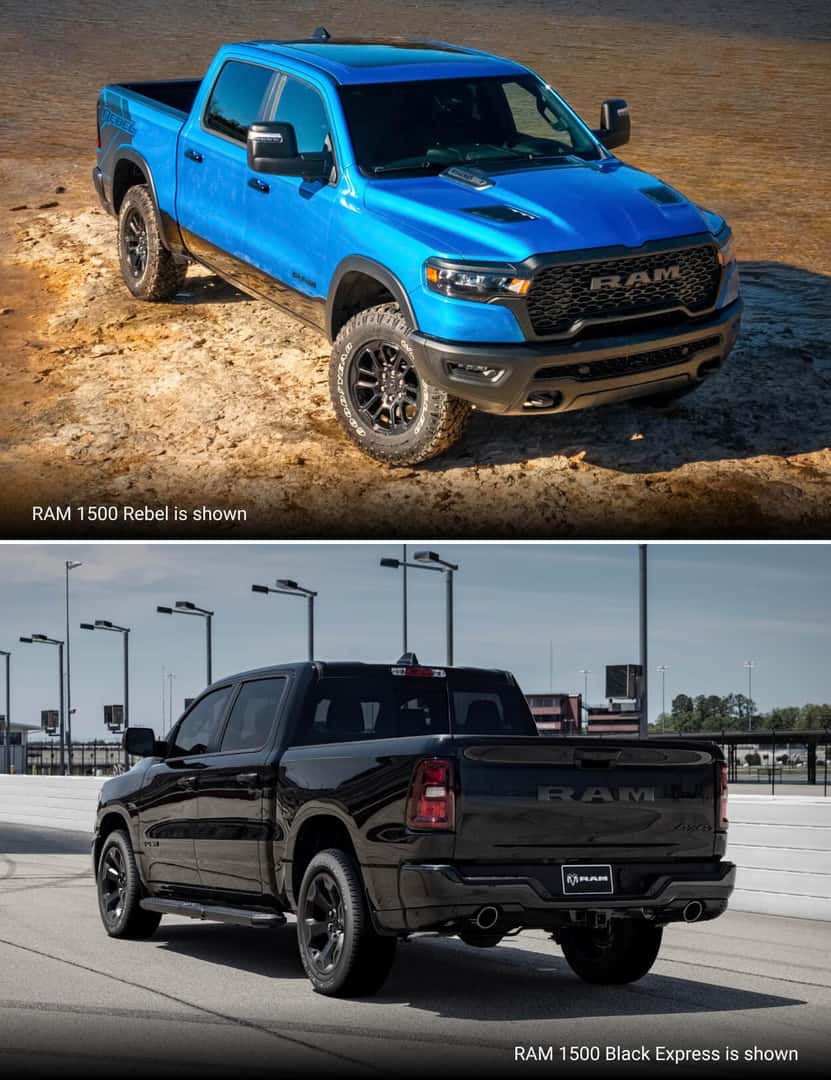
Beyond the Specs: The Emotional Undercurrent
What makes this rivalry so fascinating isn’t just the numbers—it’s the emotions they evoke. The Tundra’s reliability isn’t just a selling point; it’s a promise. It’s the truck that gets you to your kid’s soccer game on time, that hauls your boat to the lake without complaint, that starts on the first try even after years of neglect. It’s the vehicle that becomes a silent partner in your life’s milestones, the one that’s always there when you need it most.
The Ram 1500’s luxury, meanwhile, isn’t just about comfort; it’s about aspiration. It’s the truck that makes a statement before you even turn the key. It’s the vehicle that tells the world you’ve arrived, that you’re someone who deserves the best. It’s the ride that turns heads at stoplights, that makes your neighbors do a double-take when you pull into the driveway. This is a truck that understands the power of first impressions—and it’s designed to make every one count.
Yet beneath these surface-level differences lies a deeper truth: both trucks are responding to the same cultural shift. The modern truck buyer isn’t just looking for transportation; they’re looking for identity. They want a vehicle that reflects who they are—or who they aspire to be. The Tundra’s reliability speaks to the part of us that values substance over style, while the Ram’s luxury caters to the part of us that craves recognition. Together, they represent the full spectrum of what it means to be a truck owner in 2026.
The 2026 Toyota Tundra and Ram 1500 aren’t just competitors; they’re mirror images of our own contradictions. One is the steadfast companion, the other the dazzling showstopper. One whispers promises of reliability, the other shouts declarations of success. Yet both are united by a single, unspoken truth: they’re more than trucks. They’re symbols of what we value, what we aspire to, and who we are when we’re behind the wheel. In the end, the real question isn’t which one wins—it’s which one you’d trust to carry you through the next chapter of your life. Choose wisely. The road ahead is long, and the stakes have never been higher.