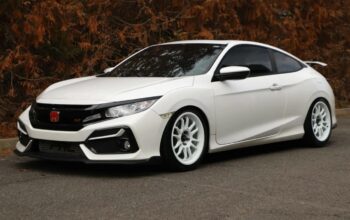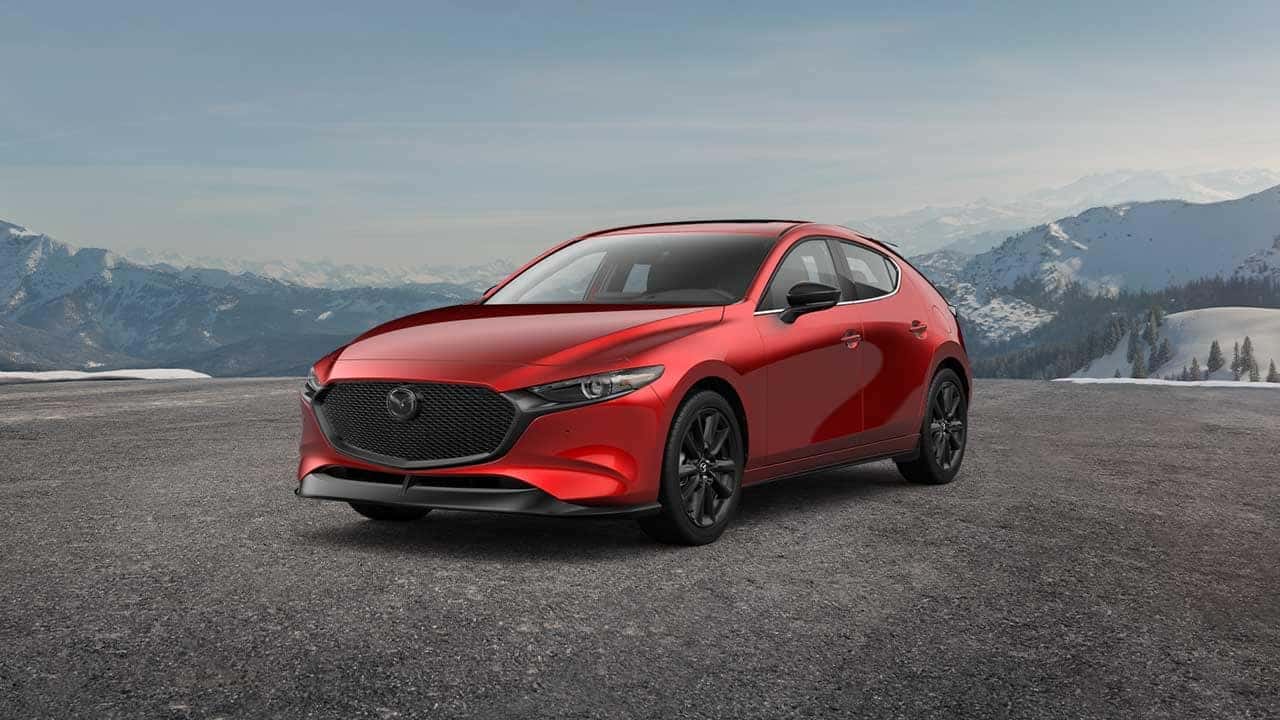
The compact sedan battleground has always been crowded, but 2026 is different. It’s not merely a comparison of badges and horsepower figures—it’s a quiet invitation to reconsider what “winning” even means. On one side sits the 2026 Honda Civic, a machine engineered to feel intuitive from the first key turn. On the other, the Mazda3 arrives with a reputation for elegance and a driving sensation that feels curated rather than merely assembled. Yet the most compelling question isn’t which one is faster on paper. It’s which one changes your daily routine in a way you notice—slowly, then all at once.
Somewhere between commuting and weekend errands, a sedan becomes more than transportation. It becomes a lens through which you experience time: tighter turns, calmer cabin moments, the kind of confidence that makes you choose “one more stop” without dread. Let’s step into that lens and examine how the 2026 Honda Civic and the Mazda3 approach the same mission from surprisingly different angles—and why one may ultimately earn the crown.
First Impressions: The Shape of the Experience
The first minutes with any compact sedan matter because they set the emotional register. The Civic tends to greet you with a straightforward layout—everything feels reachable, legible, and arranged for usability. It’s the kind of design that reduces friction. You don’t hunt for controls; you simply use them. That matters when the day is busy and attention is scarce.
The Mazda3, by contrast, often feels more like a thoughtfully composed space. Its interior styling leans toward sophistication. Buttons and materials typically suggest intentionality, not just practicality. It’s easier to describe as “well-done” than as “functional.” That distinction isn’t trivial. One encourages efficiency; the other encourages appreciation.
If you’re wondering which approach ultimately wins, consider your lifestyle. When you drive frequently and multi-task mentally, a Civic’s clarity can feel like a steady hand. When you value ambience and a slightly theatrical sense of refinement, the Mazda3 may speak to your taste.
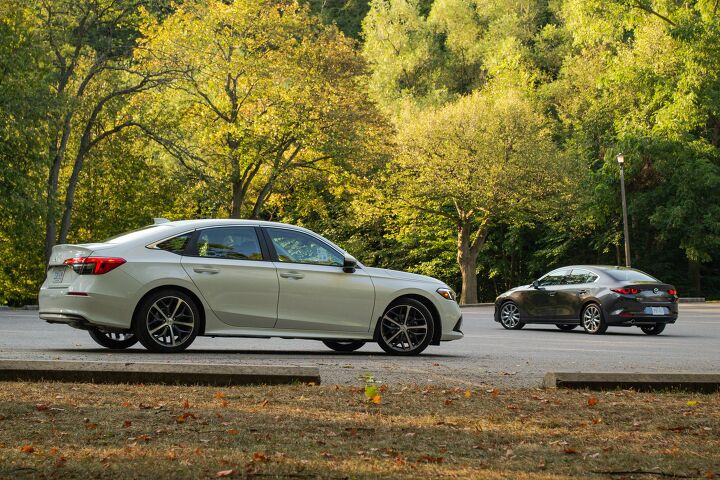
Performance and Handling: Confidence vs. Character
Power is important, but the truer story lives in how the car behaves when you ask it questions. The Civic’s driving demeanor is often praised for its composure. Throttle response tends to feel crisp, and steering typically delivers a reassuring sense of direction. You get the impression the car is tuned for repeatability—meaning it performs the way you expect, day after day.
The Mazda3 is frequently celebrated for its character. It may feel a touch more expressive, as though it’s paying attention to your inputs. That doesn’t automatically mean it’s faster. Instead, it can feel more communicative. The road becomes a conversation; the driver becomes a participant.
Here’s the twist: “communicative” is wonderful—until you’re tired. On long drives or in dense traffic, composure becomes a form of luxury. The Civic’s steadiness can reduce driver workload, which is a less visible benefit but a powerful one.
Fuel Economy and Efficiency: The Quiet Savings Equation
Most comparisons eventually return to efficiency because it affects everything: budgets, habits, even mood. A sedan that stretches fuel further doesn’t just save money. It compresses the anxiety surrounding refueling. That is a real psychological advantage.
Both the Civic and Mazda3 are engineered with efficiency in mind, but the way they deliver it can differ. The Civic typically emphasizes practical efficiency and predictable performance across common driving scenarios. The Mazda3 often combines economy with a smooth, enjoyable drivability that can make efficient driving feel less like homework.
In the end, the winner often becomes the car that encourages you to keep driving normally—no hypermiling required, no unnatural behavior demanded. When efficiency blends into everyday driving, it becomes a promise kept.
Technology and Connectivity: Digital Clarity Matters
Modern sedans are mobile command centers, and technology is where impressions become habits. The 2026 Civic tends to shine in straightforward interface design. The goal is quick comprehension: navigation, media, and driver settings should feel like extensions of your intent, not labyrinths you must decipher.
The Mazda3, meanwhile, often leans into a more tactile, premium-feeling approach to controls. It can feel less like a smartphone copied onto a dashboard and more like a thoughtful system built around the driver.
Both can satisfy. The difference is tempo. If you prefer fast transitions between tasks—music to navigation to climate—Civic’s clarity may feel liberating. If you prefer a slower, more deliberate interaction with the cabin, the Mazda3’s refined approach can be gratifying.
Comfort and Cabin Atmosphere: Calm Wins Minutes
Comfort is where the “winner” debate shifts from spec sheets to sensory truth. A compact sedan’s cabin should absorb the day’s rough edges: road noise, vibration, and the relentless bustle of real streets. The Civic typically focuses on creating a calm, usable space—one that feels stable over time.
The Mazda3 often delivers a more upscale ambiance, with interior materials and seating feel aimed at making every drive feel like an event. That’s compelling, especially when your routes are scenic or your evenings are calm.
But comfort isn’t only about luxury; it’s about consistency. The Civic’s tendency to remain composed on ordinary roads can make it the better companion for commuters, families, and anyone whose calendar is never fully empty.
Safety and Driver Confidence: The Promise of Protection
Safety systems aren’t just features—they’re second thoughts the car performs on your behalf. The most important goal is reducing surprise: fewer unexpected moments, fewer “did you see that?” scenarios. Both vehicles tend to offer robust driver-assistance suites, but the real value comes from how naturally those systems integrate.
The Civic’s safety philosophy often emphasizes predictable operation. When alerts and interventions are calibrated to feel intuitive, confidence rises. It’s easier to stay focused on the road rather than wonder what the car will do next.
The Mazda3 typically aims for confident, smooth assistance as well, often pairing safety with a refined driving experience. The difference may feel subtle, but subtlety is what you want in safety tech—because the safest systems are the ones you hardly notice, except for how comfortable they make you feel.
Reliability and Ownership: The Long Game
A sedan’s value isn’t only what it costs upfront. It’s how it behaves when the novelty fades—after the first road trip, after winter roads, after the second year of daily use. The Civic’s reputation for durability and practical ownership often attracts drivers who want fewer surprises and a calmer maintenance rhythm.
The Mazda3 also has its loyal following, especially among drivers who prioritize a sense of craft and enjoy owning something that feels thoughtfully built. Yet when the focus shifts to predictable longevity and straightforward practicality, the Civic’s balance tends to land strongly.
This is where perspective changes. “Winner” can mean “best in the showroom,” or it can mean “best in the real years.” The Civic often thrives in that latter definition.
Which One Is the Compact Sedan Winner?
If the 2026 Honda Civic and the Mazda3 were characters in the same story, the Civic would be the reliable protagonist—steady, efficient, and easy to trust. The Mazda3 would be the refined supporting lead—charming, composed, and aesthetically persuasive. Both can carry you from point A to point B with conviction.
Yet victory usually belongs to the car that aligns with how life actually unfolds. The Civic’s blend of clarity, composure, and practical efficiency makes it especially compelling for drivers who want their sedan to reduce mental load. That’s a less glamorous promise than horsepower bragging rights, but it’s a promise you feel every day.
Final Thoughts: A Shift in Perspective
The compact sedan winner isn’t always the one with the loudest personality. Sometimes it’s the one that quietly reshapes your routine. The 2026 Honda Civic invites a shift in perspective: fewer frictions, more confidence, and a driving experience designed to feel natural rather than performative.
And as for the Mazda3, it remains an enticing alternative—particularly for drivers who prioritize refined character and a cabin that feels like it belongs in a higher category. Choosing between them is less about right and wrong, more about which kind of satisfaction you want to keep.
In a market full of similar silhouettes, the real difference is the emotion behind the steering wheel. For many drivers, that emotion will point toward the Civic—clean, composed, and ready to win the long run.