Picture this: You’re cruising down the highway in a sleek, whisper-quiet minivan, the kids are finally quiet in the backseat, and your wallet feels a little lighter than usual. But wait—what if I told you that same minivan could actually fatten your wallet instead? The hybrid revolution has swept through nearly every vehicle segment, yet one corner of the market remains stubbornly under the radar: the hybrid minivan. And here’s the kicker—some of them still qualify for juicy federal tax credits. So, which ones are on the VIP list, and which ones got left at the charging station? Buckle up. We’re about to take a deep dive into the labyrinth of hybrid minivan tax credits, where the rules shift faster than a toddler’s mood.
Why Minivans? Because Practicality Meets Power
Minivans have long been the unsung heroes of family logistics—spacious, adaptable, and built to ferry everything from soccer gear to groceries without breaking a sweat. But in an era where electric vehicles (EVs) and hybrids dominate headlines, these boxy titans are quietly evolving. The hybrid minivan isn’t just a relic of the past; it’s a clever compromise between fuel efficiency and utility. With rising gas prices and stricter emissions regulations, automakers are dusting off their minivan blueprints and slapping hybrid powertrains under the hood. The result? A vehicle that sips fuel like a fine wine while still swallowing a week’s worth of laundry.
But here’s where it gets tricky. Not all hybrids are created equal in the eyes of the IRS. The federal tax credit, a shiny incentive designed to nudge consumers toward greener choices, comes with a labyrinth of eligibility rules. And minivans? They’re the wildcard in this deck. Some qualify. Some don’t. And some are stuck in bureaucratic purgatory, waiting for a rule change that may never come.
The Tax Credit Tango: Rules That Shift Like Sand
The federal tax credit for hybrid and electric vehicles is a moving target, shaped by legislation that evolves faster than a TikTok trend. As of 2024, the credit is governed by the Inflation Reduction Act, which introduced stringent requirements to qualify. To snag the full $7,500 credit (or a portion of it), your hybrid minivan must meet several criteria:
- Battery Size: The vehicle’s battery must meet a minimum capacity threshold—typically 7 kWh or more for hybrids. This ensures the hybrid system actually contributes meaningfully to fuel efficiency.
- Final Assembly: The minivan must be assembled in North America. This rule aims to bolster domestic manufacturing but can disqualify models built overseas.
- Battery Components: A significant portion of the battery’s components must be sourced from North America or a country with a free trade agreement with the U.S. This is where supply chain complexities rear their ugly heads.
- MSRP Cap: The vehicle’s manufacturer’s suggested retail price (MSRP) can’t exceed $80,000 for vans, effectively ruling out luxury hybrids that flirt with six figures.
- Income Limits: Buyers must meet income thresholds to claim the credit, with phase-outs starting at $150,000 for single filers and $300,000 for joint filers.
Miss any of these, and you’re left staring at a tax form with a sad, empty line where your credit should be. It’s enough to make even the most organized parent throw their hands up in despair.
The Hybrid Minivan Hall of Fame: Who Made the Cut?
So, which hybrid minivans are currently strutting their stuff into tax credit eligibility? Let’s take a tour of the models that are either in the clear or teetering on the edge.
The 2024 Chrysler Pacifica Hybrid: The Last Standing Champion
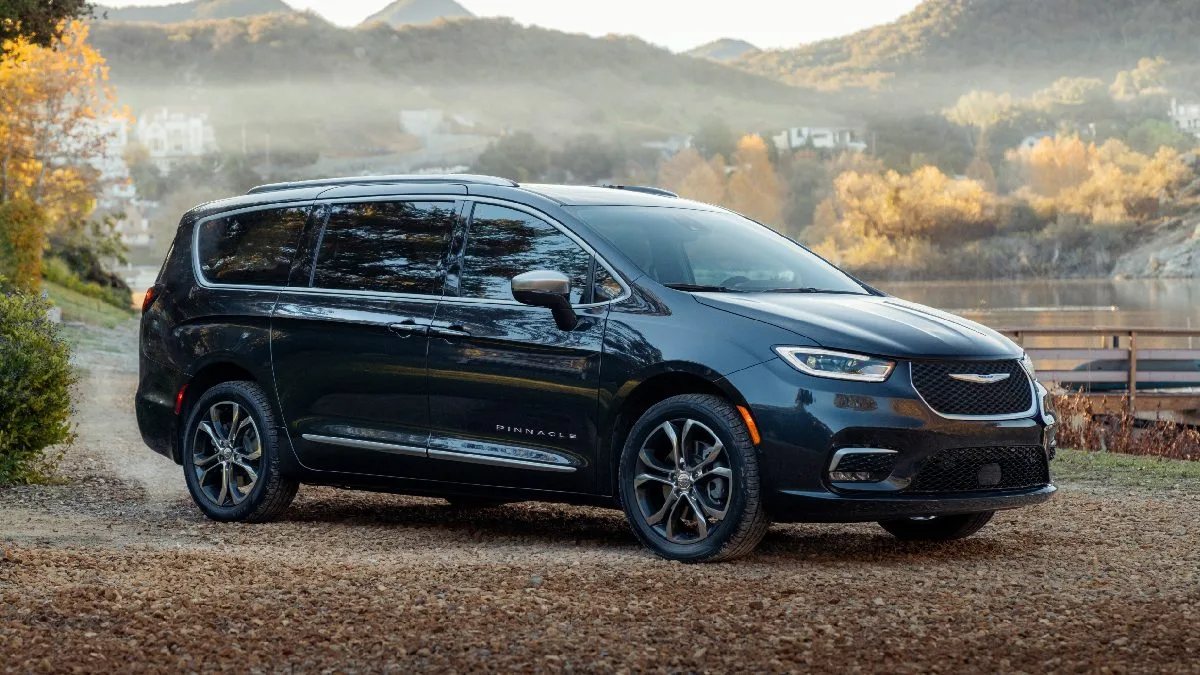
The Chrysler Pacifica Hybrid is the sole minivan that still qualifies for the full federal tax credit as of 2024. Why? Because it’s a plug-in hybrid (PHEV) with a substantial battery pack—32 miles of electric-only range, to be exact. That’s enough to meet the IRS’s battery capacity requirements and send you skipping toward the dealership. The Pacifica Hybrid also meets the North American assembly requirement, having been built in Windsor, Canada. With an MSRP starting around $50,000, it’s well within the price cap. The catch? Supply is limited, and demand is fierce. If you’re eyeing one, you might want to get in line before the next shipment arrives.
The Toyota Sienna Hybrid: Close, But No Tax Credit
Toyota’s Sienna Hybrid is a minivan powerhouse, offering a hybrid powertrain that sips fuel like a hummingbird. But here’s the rub: its battery pack is smaller than the Pacifica’s, clocking in at just 1.87 kWh. That’s enough to improve fuel economy but not enough to qualify for the federal tax credit. The Sienna Hybrid is assembled in Princeton, Indiana, so it meets the North American assembly rule, but the battery falls short. If you’re considering it, you’ll have to settle for the satisfaction of knowing you’re saving money at the pump—not the IRS.
The Kia Carnival Hybrid: A Glimmer of Hope?
The Kia Carnival Hybrid is the new kid on the block, offering a hybrid powertrain that promises up to 39 mpg combined. But as of 2024, it’s not on the IRS’s official list of qualifying vehicles. Why? Because its battery capacity is likely below the 7 kWh threshold. Kia has yet to confirm the exact specs, but early reports suggest it’s more of a mild hybrid than a full hybrid. That means it won’t qualify for the tax credit—at least not yet. Keep an eye on this one, though. If Kia ups the battery size in future models, the Carnival Hybrid could sneak into eligibility.
The Fine Print: What You’re Really Signing Up For
Before you rush out to buy a hybrid minivan, there’s a laundry list of fine print to consider. First, the tax credit isn’t a rebate. You won’t get a check in the mail. Instead, you’ll claim it on your federal tax return, which means you’ll need to have a tax liability to offset. If your tax bill is $5,000 and the credit is $7,500, you’ll only get $5,000 this year. The remaining $2,500? It carries over to the next year. Not ideal if you’re counting on the cash now.
Second, the credit is tied to the vehicle identification number (VIN). If you lease the minivan, the credit goes to the leasing company, not you. If you finance it, the credit typically goes to the dealership, which may or may not pass the savings along to you. Always ask how the credit is being applied before you sign on the dotted line.
Finally, state incentives vary wildly. Some states offer additional credits or rebates for hybrid and electric vehicles, while others offer nothing. A hybrid minivan that qualifies for the federal credit might also qualify for a state-level incentive, doubling your savings. Check your local regulations to avoid leaving money on the table.
Is a Hybrid Minivan Right for You?
So, should you take the plunge? The answer depends on your priorities. If you’re a parent who values space, comfort, and fuel savings, a hybrid minivan is a no-brainer. The Chrysler Pacifica Hybrid, in particular, offers the best of both worlds: tax credit eligibility and the practicality of a minivan. But if you’re looking for the absolute lowest cost of ownership, a traditional hybrid or even a fully electric vehicle might be a better fit.
Consider your driving habits. If you’re mostly doing short trips around town, a plug-in hybrid like the Pacifica will let you run on electric power alone, saving you even more at the pump. If you’re logging highway miles, a traditional hybrid like the Toyota Sienna might be the smarter choice. And if you’re holding out for a fully electric minivan, the wait might not be much longer. Automakers are rumored to be working on EV minivans that could hit the market within the next few years.
The Road Ahead: What’s Next for Hybrid Minivans?
The hybrid minivan market is at a crossroads. On one hand, the Chrysler Pacifica Hybrid stands alone as the only qualifying model for the federal tax credit. On the other, automakers are experimenting with larger battery packs and more efficient hybrid systems that could push other minivans into eligibility. The Kia Carnival Hybrid, for example, might get a battery upgrade in future models, while Toyota could tweak the Sienna Hybrid’s system to meet the IRS’s requirements.
But the real game-changer could be the rise of fully electric minivans. With companies like Rivian and Canoo teasing electric people movers, the hybrid minivan might soon feel like a stopgap solution. Until then, the Pacifica Hybrid remains the king of the hill—a practical, tax-credit-eligible minivan that’s ready to ferry your family into the future.
So, is the hybrid minivan tax credit worth the hassle? For the right buyer, absolutely. It’s a rare opportunity to save thousands while enjoying the space and comfort of a minivan. But tread carefully. The rules are complex, the eligibility list is short, and the stakes are high. Do your homework, ask the right questions, and you might just drive away with the deal of a lifetime. And if not? Well, at least you’ll have a minivan that’s easy on gas—and that’s nothing to sneeze at.