The electric wagon revolution isn’t coming—it’s already here, quietly reshaping the way eco-conscious families traverse the modern world. As urban sprawl tightens its grip and climate urgency escalates, the humble wagon has evolved from a utilitarian afterthought into a sleek, sustainable chariot for the discerning household. By 2026, the electric wagon will no longer be a niche curiosity but a cornerstone of family mobility, blending cargo-hauling prowess with zero-emission efficiency. Imagine a vehicle that glides past gas stations, whispers through school drop-offs, and transforms errands into adventures—all while leaving a carbon footprint so light it’s barely traceable. This is the promise of the 2026 electric wagon: a paradigm shift disguised as a family hauler.
Gone are the days when wagons were boxy relics of suburban monotony. Today’s electric iterations marry the practicality of a station wagon with the silent torque of an electric powertrain, offering a driving experience that’s both exhilarating and responsible. Picture this: a single charge powers a week’s worth of soccer practices, grocery runs, and weekend getaways, all without the guilt of fossil fuel consumption. The 2026 electric wagon isn’t just a car—it’s a lifestyle upgrade, a statement of intent, and a rolling testament to how innovation can serve both planet and people. Let’s explore what makes these vehicles the unsung heroes of the green revolution.
The Silent Surge: Why Electric Wagons Are the Future of Family Transport
At the heart of the electric wagon’s appeal is its uncanny ability to redefine efficiency. Traditional internal combustion engines waste up to 80% of their energy as heat, a glaring inefficiency that electric motors eliminate with ruthless precision. By 2026, advancements in battery chemistry—think solid-state cells with 50% more energy density—will push electric wagons beyond the 400-mile range threshold, rendering range anxiety a relic of the past. Families will no longer map out routes around charging stations; instead, they’ll plan trips based on adventure, not logistics.
But efficiency isn’t just about miles per charge. It’s about space. The electric wagon’s flat floor, absent of a bulky engine or transmission tunnel, creates a cavernous cargo hold capable of swallowing everything from strollers to surfboards. Rear seats fold flat in seconds, transforming the cabin into a mobile storage unit or a cozy nap zone for road-weary kids. And with regenerative braking, every deceleration recaptures energy, turning stop-and-go traffic into a silent power source. It’s a symphony of sustainability, where every mile driven is a mile saved.
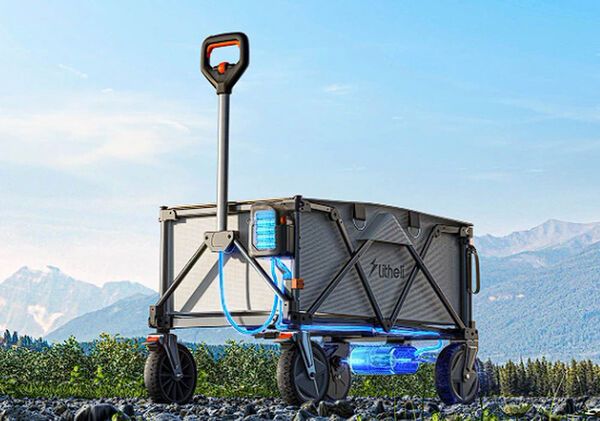
The psychological shift is equally profound. Electric wagons eliminate the ritual of fueling—no more fumbling with credit cards at the pump, no more inhaling the acrid tang of gasoline. Instead, families plug in at home, much like they charge their phones, and wake up to a “full tank” every morning. This ritual of overnight replenishment fosters a sense of control and predictability, a stark contrast to the unpredictability of gas prices. For parents juggling schedules, this reliability is priceless.
Design Meets Duty: The Aesthetic and Functional Evolution of Electric Wagons
By 2026, electric wagons will shed their utilitarian skins, adopting a design language that’s both futuristic and familiar. Aerodynamic curves will slice through wind resistance, while expansive glass roofs flood the cabin with natural light, turning every drive into a sensory experience. Manufacturers are ditching the “boxy” stigma, opting for elongated proportions that hint at speed without sacrificing cargo space. The result? A vehicle that looks as good parked in a driveway as it does parked at a trailhead.
Inside, the focus is on modularity. Swappable storage pods, hidden compartments, and climate-controlled drawers will cater to the chaotic needs of family life. Need to transport a week’s worth of groceries? A single motion deploys a collapsible divider, separating perishables from bulkier items. Forgotten soccer cleats? A quick-access panel in the cargo floor reveals a dedicated shoe bin. These aren’t just cars; they’re adaptable ecosystems designed to bend to the whims of modern family dynamics.
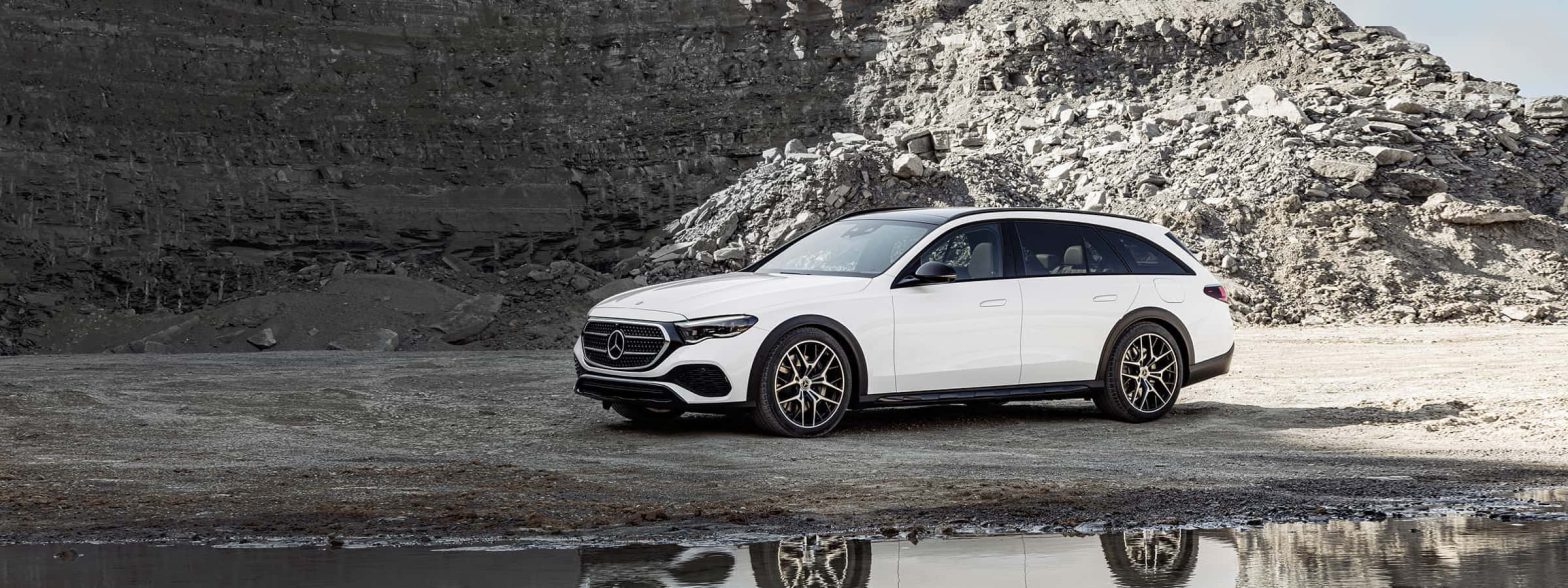
Materials matter too. Recycled plastics, vegan leather, and sustainably sourced wood trim will replace traditional plastics and chrome, reducing the vehicle’s environmental footprint even further. Even the paint will be eco-friendly, formulated without volatile organic compounds (VOCs) that pollute the air long after the car leaves the factory. It’s a holistic approach to design, where every element serves a purpose—whether functional, aesthetic, or ecological.
Power Play: The Tech That Makes Electric Wagons Family-Ready
The powertrain of a 2026 electric wagon is a marvel of engineering, blending raw performance with family-friendly practicality. Dual-motor setups will deliver all-wheel-drive capability, ensuring grip on rain-slicked roads or snowy driveways without the weight penalty of a traditional AWD system. Torque vectoring, a feature once reserved for sports cars, will now subtly nudge the vehicle into tight parking spots or adjust traction mid-corner for a smoother ride. Parents will marvel at how effortlessly these wagons handle, while kids remain blissfully unaware of the technological magic at play.
Battery innovation is the real game-changer. By 2026, solid-state batteries—with their higher energy density and faster charging capabilities—will dominate the market. Imagine a 15-minute charge that adds 200 miles of range, or a battery that degrades at half the rate of today’s lithium-ion cells. This longevity means families can keep their wagons for a decade or more, reducing the environmental cost of manufacturing new vehicles. And with wireless charging pads embedded in driveways, the act of “fueling” becomes as seamless as parking.
Safety tech will also reach new heights. Advanced driver-assistance systems (ADAS) will include predictive collision avoidance, which uses AI to anticipate hazards before they materialize. For families, this means fewer close calls on highways or in school zones. Over-the-air (OTA) updates will continuously refine performance, adding features like adaptive cruise control that learns your preferred following distance or a “teen mode” that limits top speed for new drivers. It’s a vehicle that grows with your family, adapting to its needs without ever needing a trip to the dealership.
Eco-Conscious Living: The Ripple Effect of Electric Wagons
The impact of electric wagons extends far beyond the driveway. As more families adopt these vehicles, the collective reduction in emissions will ease the strain on urban infrastructure, reducing smog and improving air quality for everyone. Charging at home with renewable energy—whether via rooftop solar or a community wind farm—turns each vehicle into a mobile power plant, capable of feeding excess energy back into the grid during peak demand. It’s a closed-loop system where the car doesn’t just consume; it contributes.
Even the act of driving changes. Electric wagons encourage a more relaxed, mindful approach to travel. Without the roar of an engine or the vibration of a combustion drivetrain, conversations flow more easily, and the focus shifts from the road to the journey. Parents can narrate the scenery to their kids without shouting over engine noise. Road trips become meditative, with the hum of the motor a constant reminder of the harmony between technology and nature.

The economic benefits are undeniable too. Electricity is cheaper than gasoline on a per-mile basis, and maintenance costs plummet with fewer moving parts to wear out. No oil changes, no spark plugs, no exhaust systems—just a drivetrain that’s designed to last. Over the lifetime of the vehicle, families could save thousands, money that can be redirected toward experiences rather than fuel. It’s a financial win that aligns with the environmental one, proving that sustainability doesn’t have to come at a premium.
The Road Ahead: What to Expect from the 2026 Electric Wagon Market
The 2026 electric wagon market will be a battleground of innovation, with automakers racing to outdo each other in range, tech, and design. Expect to see wagons that double as mobile offices, with built-in 5G hotspots, wireless charging for devices, and even AI-powered concierge services that suggest rest stops or scenic detours. Some models may feature biometric sensors that monitor passengers’ stress levels, adjusting climate control or playing calming music to keep everyone in a good mood during long drives.
Subscription services will blur the lines between ownership and flexibility. Families can swap between a compact electric wagon for city errands and a ruggedized all-terrain version for camping trips, all under a single monthly fee. This “wagon-as-a-service” model reduces waste and allows parents to experiment with different configurations without long-term commitments.
As infrastructure catches up, charging networks will expand into rural areas, making electric wagons viable for families in the countryside. Solar-powered charging stations at national parks and campgrounds will ensure that even off-grid adventures remain emission-free. The 2026 electric wagon won’t just be a city dweller’s dream—it will be a symbol of freedom, enabling families to explore without leaving a trace.
The future of family transport isn’t a single breakthrough—it’s a convergence of smart design, cutting-edge technology, and a deep commitment to sustainability. The 2026 electric wagon embodies this fusion, offering a glimpse into a world where convenience and conscience coexist. It’s more than a vehicle; it’s a catalyst for change, a rolling declaration that the next generation of families deserves a cleaner, quieter, and more connected way to move through the world. The road ahead is electric—and it’s paved with possibility.