The automotive landscape of 2026 is a battleground of geometry—where sharp angles clash with fluid lines, where cargo space duels with fuel efficiency, and where the road splits into two distinct philosophies: the wagon and the SUV. For decades, the SUV has reigned supreme, its towering silhouette a symbol of dominance and versatility. Yet, whispers of a resurgence are growing louder, carried on the winds of nostalgia and practicality. The wagon, once the unsung hero of family haulers, is shedding its staid reputation, emerging as a sleek, dynamic contender. But which path should you tread when the odometer of 2026 ticks closer? The answer isn’t just about what you drive—it’s about how you live, where you go, and what you refuse to compromise on.
The Great Divide: Why the Choice Feels Like a Fork in the Road
The wagon and SUV aren’t just vehicles; they’re lifestyle declarations. The SUV, with its elevated seating position and commanding view of the asphalt, speaks to those who crave a sense of invincibility—a fortress on wheels that can tackle both the grocery run and the off-grid adventure. Its boxy silhouette isn’t just aesthetic; it’s a promise of space, of adaptability, of being prepared for whatever the horizon throws at you. Yet, this dominance comes at a cost: fuel economy, often sacrificed at the altar of capability, and a ride that can feel less nimble than its lower-slung counterparts.
The wagon, on the other hand, is the quiet revolutionary. Its sloping roofline isn’t just a nod to aerodynamics; it’s a rebellion against the SUV’s brute-force approach. Wagon advocates argue that the best driving dynamics live in the shadows of the hatchback’s cousin, where weight distribution and center of gravity create a symphony of balance. The cargo space? Deceptively vast, thanks to clever folding mechanisms and a footprint that doesn’t demand the sprawl of an SUV. And then there’s the matter of aesthetics—wagons are the automotive equivalent of a tailored suit, blending sophistication with understated power.
Cargo Capacity: The Space Race Reimagined
Let’s dispel a myth: wagons aren’t the cramped relics of yesteryear. Modern wagons like the Subaru Outback or the Audi A4 Allroad boast cargo volumes that rival many compact SUVs, often exceeding 30 cubic feet behind the rear seats. The trick? Vertical space. While SUVs sprawl horizontally, wagons stack vertically, utilizing every inch of their roofline to swallow everything from strollers to skis. And when you fold those rear seats? The cavernous void that emerges is a testament to German engineering or Subaru’s rugged pragmatism—depending on your allegiance.
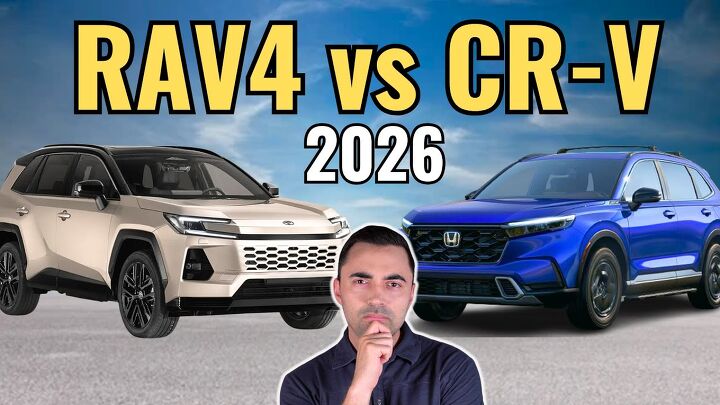
But here’s where the SUV flexes its muscles: sheer volume. The Toyota RAV4, for instance, offers up to 37.6 cubic feet behind its rear seats, and that’s before you consider the RAV4 Hybrid’s even more cavernous trunk. The trade-off? A ride that feels less connected to the road, where the driver sits atop a cushion of air, divorced from the tactile feedback of the pavement. For families or outdoor enthusiasts, the SUV’s space is a non-negotiable luxury. For the urbanite who values agility over acreage, the wagon’s efficiency is a breath of fresh air.

Fuel Efficiency: The Silent Killer of Convenience
The SUV’s Achilles’ heel is its thirst. Even in 2026, when hybrid and electric powertrains have become the norm, the average compact SUV still lags behind its wagon counterparts in fuel economy. Take the 2026 Honda CR-V, for example, which, even in its hybrid guise, struggles to match the efficiency of a Volkswagen Golf Variant. Why? Mass. The taller, heavier SUV requires more energy to propel itself forward, and that energy often comes with a higher price tag at the pump—or a shorter range between charges.
Wagons, by contrast, are the marathon runners of the automotive world. Their lower center of gravity and streamlined shapes translate to better aerodynamics, which means less energy expended to maintain speed. The 2026 Toyota Camry Wagon, for instance, promises up to 40 MPG on the highway in its hybrid configuration—numbers that would make most SUVs blush. For the eco-conscious or the budget-savvy, the wagon’s efficiency isn’t just a selling point; it’s a lifestyle upgrade.
Driving Dynamics: The Road Less Traveled
If you believe the best driving experiences are born from a connection to the road, then the wagon is your soulmate. Its lower ride height and balanced weight distribution create a harmony between driver and machine, where every turn is met with precision and every bump is felt—not as a jolt, but as a conversation. The SUV, while capable in rough terrain, often feels like a participant in the journey rather than its orchestrator. The body roll in corners, the floaty sensation over undulating pavement—these are the trade-offs of a higher vantage point.
Yet, the SUV’s strengths lie in its versatility. The ability to traverse unpaved paths, to tow a trailer, or to simply sit higher and command a better view of traffic is a luxury that wagons can’t replicate. For those who prioritize capability over comfort, the SUV remains unmatched. But for the purists who believe driving should be an immersive experience, the wagon’s poise and responsiveness are intoxicating.
The Aesthetic Divide: Form vs. Function
Let’s talk about curb appeal. The SUV’s imposing presence is undeniable—a statement of power, of readiness, of “I can handle anything.” It’s the automotive equivalent of a power suit, designed to turn heads and assert dominance. The wagon, meanwhile, is the understated genius. Its lines are elegant, its silhouette timeless. It doesn’t scream; it whispers. And in an era where individuality is prized, the wagon’s subtlety is a rebellious act.
Consider the 2026 Volvo V60 Cross Country. Its ruggedized aesthetic and all-wheel-drive system scream adventure, yet its interior is a sanctuary of Scandinavian minimalism. Or the BMW 5 Series Touring, where luxury and practicality coalesce into a machine that’s as at home in a corporate parking lot as it is on a winding country road. The wagon’s duality—its ability to be both a daily driver and a statement piece—is what sets it apart.
The Future: Electric, Autonomous, and Unapologetically Wagon
The automotive future isn’t just electric; it’s redefining what vehicles can be. And in this brave new world, the wagon is staging a comeback. Electric powertrains, with their instant torque and low centers of gravity, are the perfect match for the wagon’s dynamic prowess. The Tesla Model S “Wagon” (if it ever materializes) or the Polestar 6 are just the beginning. These aren’t your grandmother’s station wagons; they’re technological marvels, blending cutting-edge tech with the timeless appeal of a sloping roofline.
Autonomous driving systems, too, are poised to favor the wagon’s lower profile. Sensors and cameras have a clearer line of sight when mounted on a sleek, aerodynamic body, reducing blind spots and improving safety. The wagon’s design isn’t just about aesthetics; it’s about efficiency—both in energy consumption and in the way it interacts with the world around it.
Making the Choice: A Question of Priorities
So, how do you decide? Start by asking yourself what you value most. Is it the commanding view of the road, the ability to tackle rough terrain, or the sheer volume of cargo space? Then there’s the matter of fuel efficiency—are you willing to trade miles per gallon for the SUV’s brawn? And finally, consider the intangibles: the driving experience, the aesthetic appeal, the way the vehicle makes you feel when you slide behind the wheel.
If you’re a city dweller who values agility, efficiency, and a connection to the road, the wagon is your ally. If you’re a suburbanite with a boat, a dog, and a penchant for weekend getaways, the SUV’s space and versatility will serve you well. And if you’re somewhere in between? Perhaps the answer lies in a hybrid—a crossover that borrows the best of both worlds, like the Subaru Outback or the Audi A6 Allroad.
The road ahead is yours to choose. Will you embrace the SUV’s brute-force pragmatism, or will you join the wagon’s quiet revolution? One thing is certain: in 2026, the choice isn’t about what’s practical. It’s about what’s personal.