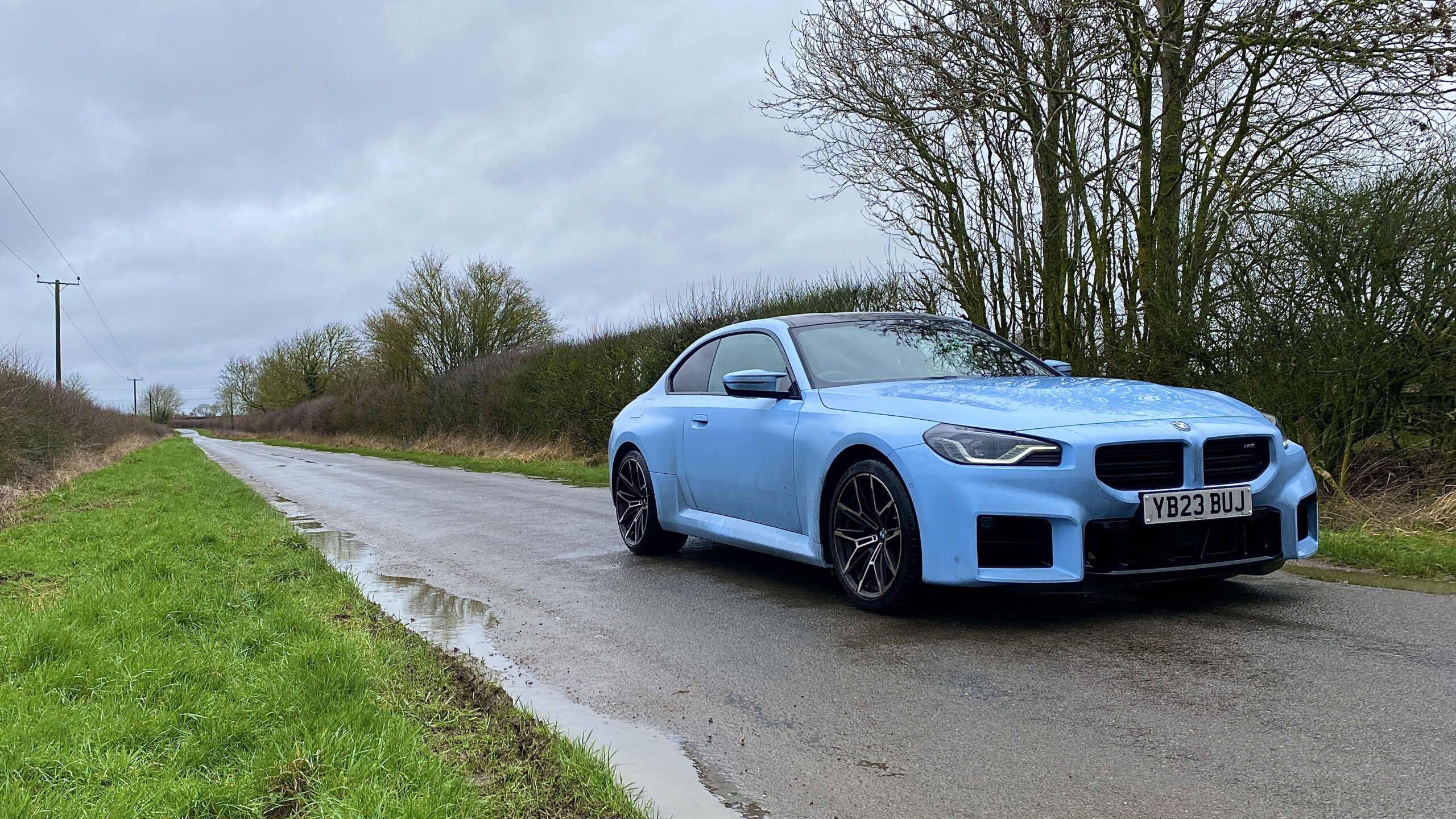
The BMW M2 isn’t just a car—it’s a statement. A visceral, unapologetic declaration that the age of analog driving pleasures isn’t dead, it’s merely dormant, waiting for the right hands to wake it. After 10,000 miles behind the wheel, the M2’s allure hasn’t faded; if anything, it’s deepened into something almost mythic. The common observation? That it’s a driver’s car in a world obsessed with pixels and automation. But peel back that layer, and you’ll find a story far richer than mere automotive enthusiasm—one of mechanical poetry, of engineering defiance, and of a machine that refuses to be tamed by modernity’s relentless march.

The Engine: A Symphony of Throttle and Turbulence
At the heart of the M2’s obsession-worthy allure is its S55 twin-scroll turbocharged inline-six. It’s not just an engine; it’s a mechanical ballet where every piston stroke, every valve whisper, contributes to a crescendo of controlled chaos. The common refrain is that it’s “raw,” but that’s a misnomer. It’s refined brutality—turbo lag is virtually nonexistent thanks to the twin-scroll design, and the linear torque delivery makes it feel like the car is being pulled forward by an invisible hand rather than pushed. The exhaust note? A guttural growl that oscillates between a baritone purr and a tenor scream, depending on the throttle’s mood. It’s the kind of sound that doesn’t just enter your ears—it commandeers your soul, demanding you listen, feel, and respond.
But here’s the deeper fascination: the S55 isn’t just about power. It’s about the illusion of simplicity. There are no gimmicks, no electric turbochargers or hybrid assist systems—just pure, unadulterated internal combustion, a relic in an era of electrified everything. Yet, it outperforms many of its modern counterparts in real-world responsiveness. The reason? Precision engineering. The twin-scroll turbo minimizes lag by separating exhaust pulses from different cylinders, ensuring the turbine spools with relentless efficiency. It’s a lesson in how less can indeed be more.
Handling: The Art of Controlled Rebellion
The M2’s chassis is a paradox—a car that feels both nimble and planted, playful and disciplined. The common observation is that it’s “twitchy,” but that’s only true if you treat it like a grocery getter. Push it, and the M2 rewards with a level of communication that borders on telepathy. The rear-wheel-drive layout, coupled with a limited-slip differential, means every input is met with immediate feedback. The steering? Not overly weighted, but alive—each adjustment telegraphs a direct line to the front wheels, making the car feel like an extension of your body.
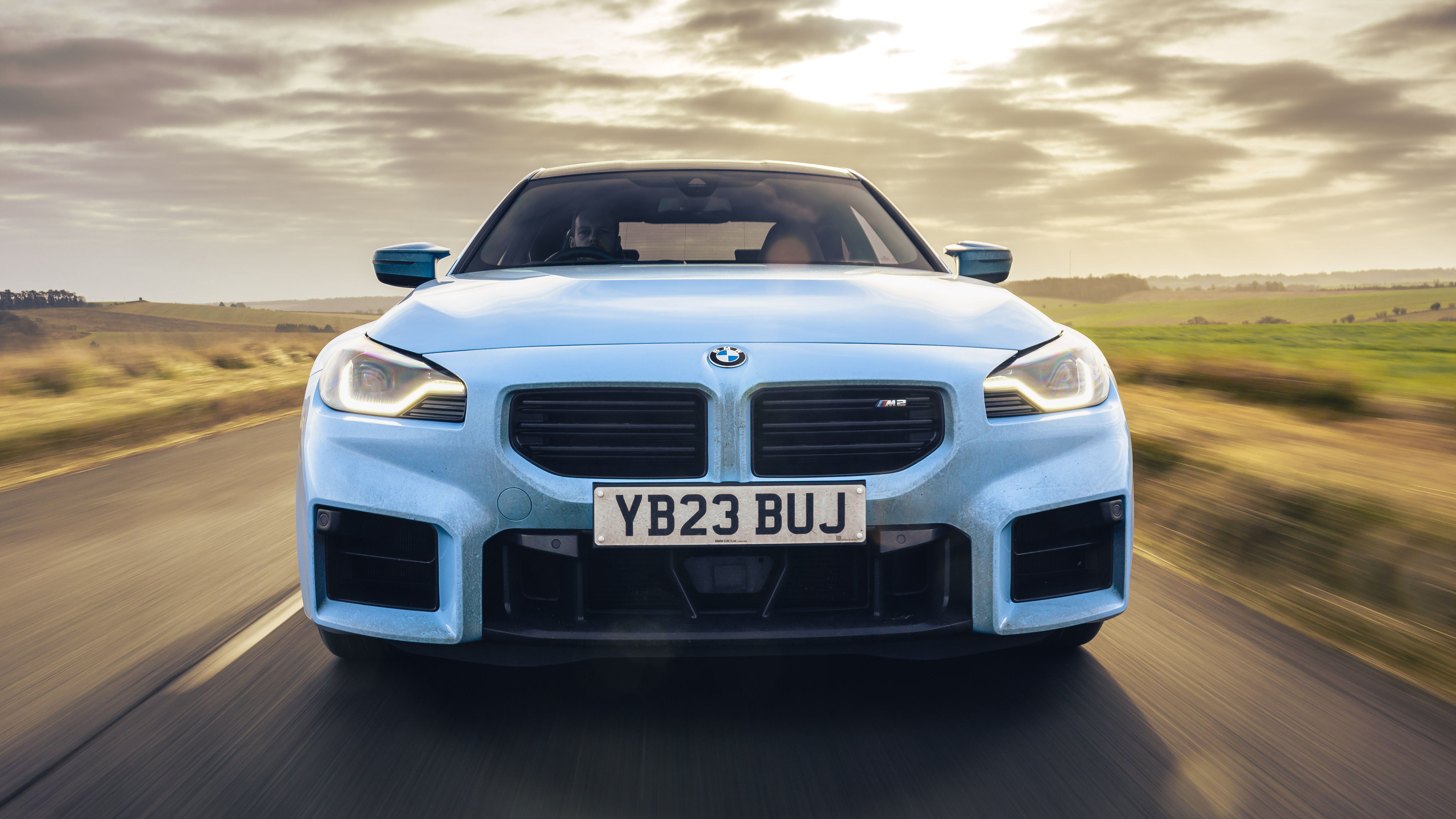
Yet, the real magic lies in its adaptability. The M2 isn’t just a track toy or a boulevard bruiser—it’s both, and neither, simultaneously. The adaptive suspension (optional in some trims) dials in damping rates with unsettling precision, absorbing imperfections in the road while maintaining a taut, almost surgical edge in corners. The result? A car that can glide over broken pavement one moment and devour a twisty backroad the next. It’s this duality that makes the M2 so compelling—it refuses to be pigeonholed, just like the drivers who fall for it.
Interior: Where Minimalism Meets Mechanical Theater
Step inside, and the M2’s cabin is a study in contradictions. On one hand, it’s a temple of digital minimalism—few buttons, a floating infotainment screen, and materials that whisper rather than shout. On the other, it’s a cockpit where every switch and dial has purpose. The common critique is that it’s “too simple,” but that’s missing the point. The M2’s interior isn’t about excess; it’s about clarity. The M Sport seats cradle you like a race car, the Alcantara-wrapped steering wheel fits your hands like a glove, and the carbon fiber trim isn’t just decorative—it’s a reminder that this car was built with performance in mind.
But the true fascination lies in the details. The gear shifter, for instance, has a weight and throw that feels like it was carved from a single block of metal. The pedals—aluminum, with serrated edges—are there to be stomped, not just touched. Even the door handles, when pulled, emit a satisfying *thunk* that echoes the car’s mechanical soul. It’s a cabin that doesn’t just house you—it engages you, demanding interaction, rewarding attention. In an age where cars are increasingly becoming rolling smartphones, the M2’s interior is a defiant embrace of tactility.
Daily Practicality: The Unlikely Commuter King
Here’s where the M2 truly defies expectations: it’s a daily driver that doesn’t apologize for its performance pedigree. The common assumption is that a car like this is a fair-weather friend, best left in the garage when the rain starts falling. But after 10,000 miles of commuting, errands, and road trips, the M2 has proven itself far more versatile than its aggressive stance suggests. The trunk? Surprisingly usable, with a low liftover height that makes loading groceries a breeze. The seats? Supportive enough for a cross-country drive, yet comfortable enough for a two-hour crawl through rush-hour traffic. And the visibility? Surprisingly good, thanks to the slim pillars and large glasshouse.
Yet, the real revelation is how the M2 transforms mundane trips into something special. A quick run to the store becomes a symphony of induction whoosh and exhaust burble. A detour onto a backroad turns into a masterclass in chassis dynamics. The M2 doesn’t just tolerate daily use—it elevates it. It’s the kind of car that makes you look forward to traffic jams, not because you’re stuck in them, but because you’re piloting a machine that turns the ordinary into the extraordinary.
The Driver’s Seat: A Relationship Built on Trust
Owning an M2 isn’t just about having a car—it’s about forming a relationship with it. The common observation is that it’s “intense,” but intensity implies something fleeting, something that burns bright and then fades. The M2 is different. It’s a partner in crime, a confidant that understands your moods and responds in kind. Drive it gently, and it’s a compliant companion. Push it, and it becomes a willing accomplice in your recklessness. The key to this bond? Trust. The M2 doesn’t hide its limits; it reveals them, allowing you to push further with each outing.
This is where the deeper fascination lies. In an era where cars are increasingly autonomous, the M2 is a reminder of what it means to be in control. It doesn’t just drive you—it invites you to dance with it. The throttle response, the steering feedback, the chassis balance—all of it conspires to create a feedback loop where the driver and the machine become one. It’s not just about speed; it’s about the thrill of mastery, of feeling every nuance of the road beneath you. The M2 doesn’t just reward skill—it demands it, and in doing so, makes you a better driver.
The Afterlife: A Car That Demands to Be Loved
Every M2 owner knows the bittersweet truth: this car isn’t just driven—it’s lived with. The common lament is that it’s “high maintenance,” but that’s a mischaracterization. The M2 doesn’t require pampering; it requires engagement. It’s a car that rewards those who invest in it, whether through careful maintenance, spirited driving, or even simple admiration. The S55 engine, for all its robustness, still demands respect—regular oil changes, occasional valve adjustments, and a watchful eye on the cooling system. But these aren’t chores; they’re rituals, part of the car’s lore.
And then there’s the community. The M2 has a cult following, a group of enthusiasts who understand its quirks and celebrate its virtues. Whether it’s swapping stories at a meetup, sharing dyno results online, or simply nodding in approval at a well-executed overtake, the M2 fosters connections that transcend the mechanical. It’s a car that doesn’t just turn heads—it turns strangers into friends, skeptics into believers.
The BMW M2 after 10,000 miles isn’t just a car you’ve driven—it’s a car you’ve experienced. It’s a machine that has tested your skills, soothed your frustrations, and left you craving more. It’s a reminder that the best driving experiences aren’t found in the latest tech or the fastest lap times, but in the raw, unfiltered connection between human and machine. The M2 doesn’t just satisfy the need for speed; it satiates the soul’s hunger for something real, something tangible, something that feels alive.
In a world that’s increasingly digital, the M2 is a defiant embrace of the analog. It’s a car that doesn’t just take you from point A to point B—it takes you on a journey. And after 10,000 miles, that journey is far from over.