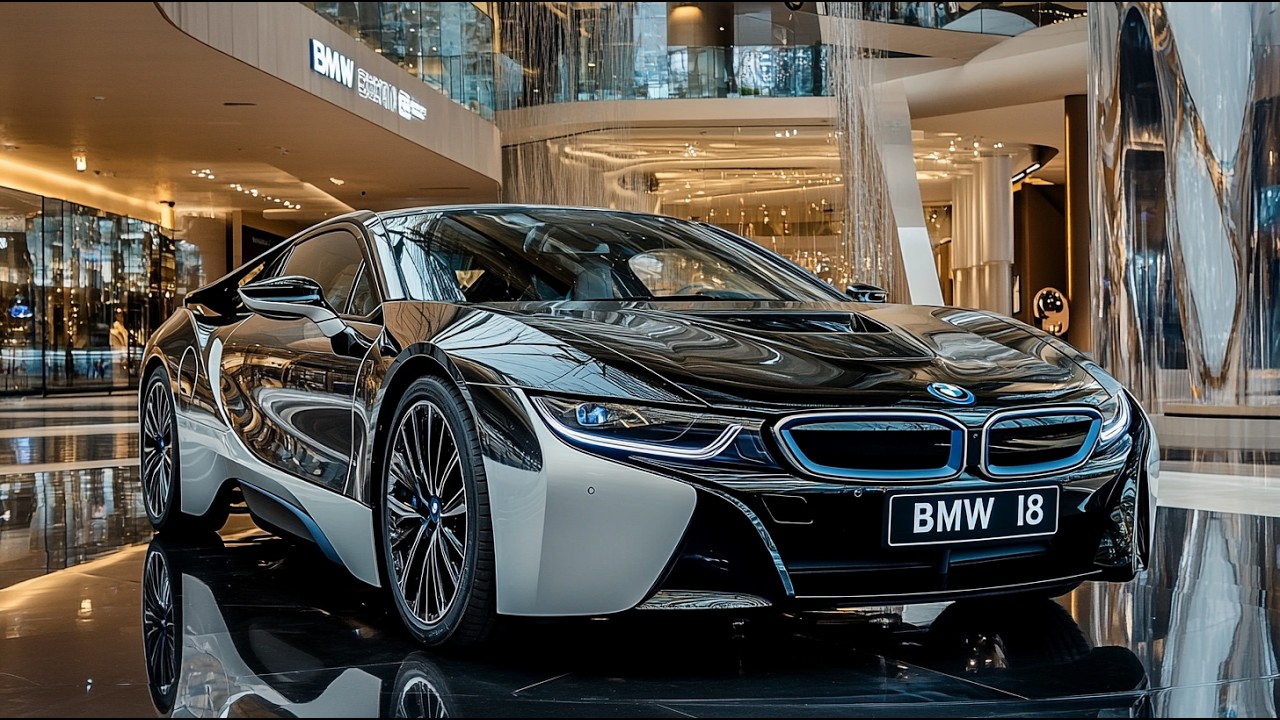
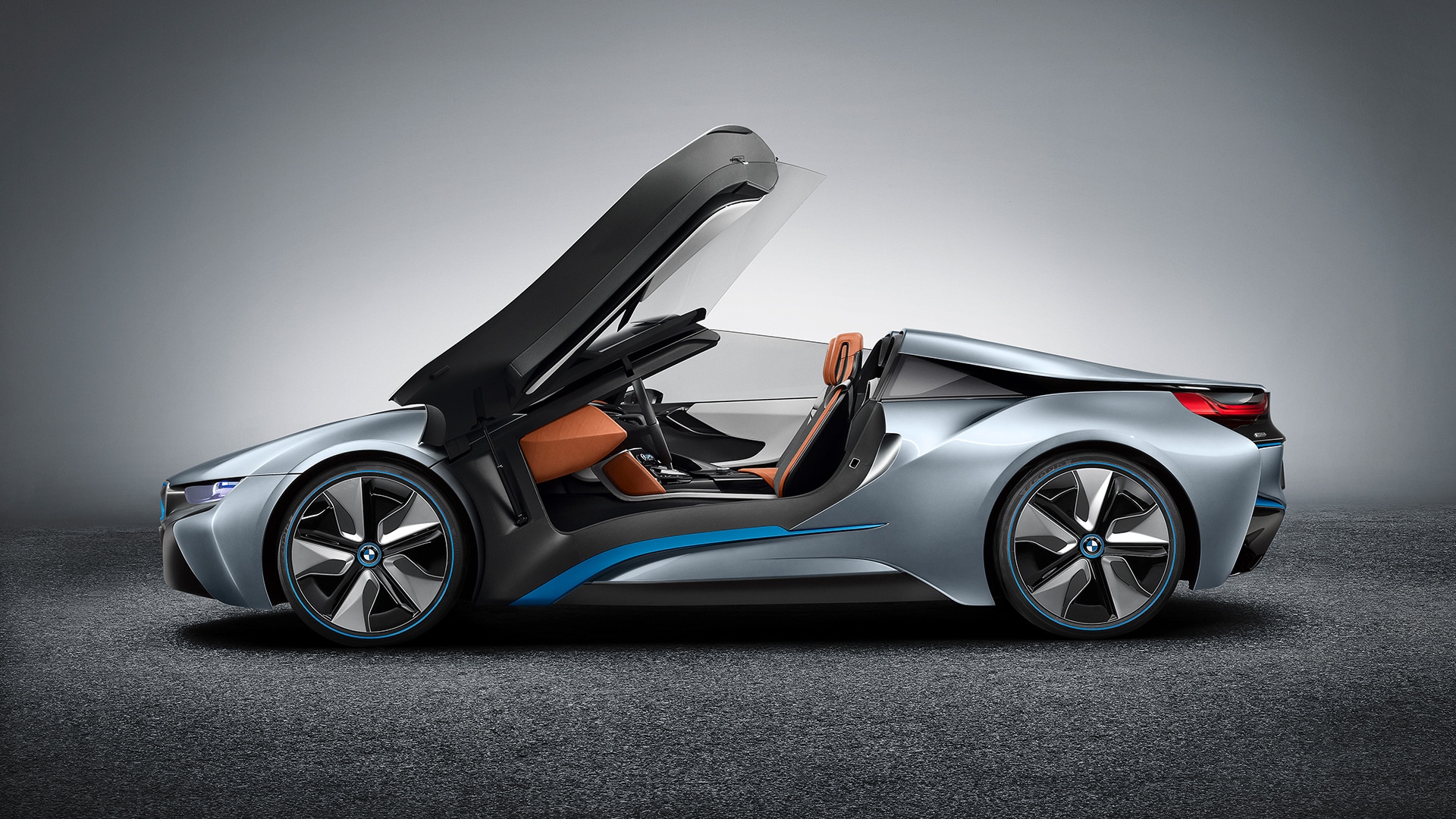
The BMW i8 was more than just a car—it was a statement. A statement that whispered of a future where performance and sustainability could coexist without compromise. When it debuted in 2014, the world watched as a hybrid sports car shattered expectations, blending a 3.0-liter twin-turbocharged engine with an electric motor to produce a combined 362 horsepower. Its carbon-fiber monocoque chassis, scissor doors, and futuristic silhouette made it an instant icon. Yet, despite its brilliance, the i8 met an untimely demise in 2020, leaving enthusiasts to wonder: Was its discontinuation a necessary evolution, or a premature surrender to the relentless march of automotive progress?
The i8’s story begins not in a boardroom, but in the fertile minds of engineers who dared to challenge convention. BMW’s vision was clear—create a vehicle that didn’t just meet emissions standards, but redefined what a sports car could be. The result was a plug-in hybrid with a 0-60 mph time of 4.4 seconds, a top speed of 155 mph, and an electric-only range of up to 22 miles. It wasn’t just efficient; it was exhilarating. The i8 proved that hybrid technology didn’t have to be a compromise—it could be a catalyst for innovation.
The i8’s Legacy: A Paradigm Shift in Automotive Design
The i8 wasn’t merely a technological marvel—it was a cultural disruptor. Its design language, a fusion of organic curves and angular precision, signaled a departure from the muscular, brute-force aesthetics of traditional sports cars. The carbon-fiber passenger cell, a first for BMW, slashed weight while enhancing rigidity, allowing the i8 to achieve a near-perfect 50:50 weight distribution. This wasn’t just engineering; it was alchemy, transforming raw materials into something greater than the sum of its parts.
Inside, the i8’s cockpit was a testament to minimalist sophistication. The curved dual displays, reminiscent of a spaceship’s control panel, placed the driver at the center of a digital ecosystem. Every button, every dial, every touch-sensitive surface was meticulously crafted to evoke a sense of futurism without sacrificing usability. The i8 didn’t just drive; it transported you to another era—one where technology and artistry merged seamlessly.
Yet, for all its brilliance, the i8 was not without its flaws. Its electric range, while impressive for its time, paled in comparison to modern EVs. The hybrid system, though groundbreaking, was complex, and repairs could be costly. Critics argued that the i8 was a niche product, a halo car that prioritized style over substance. But was that really the case?
The Discontinuation: A Strategic Retreat or a Misstep?
In 2020, BMW announced the end of the i8’s production, citing shifting market demands and the need to focus on fully electric vehicles. The decision left many scratching their heads. Had the i8 outlived its purpose, or was it sacrificed on the altar of corporate pragmatism? The answer, as with most things in life, is nuanced.
The automotive landscape was evolving rapidly. Electric vehicles like the Tesla Model S Plaid and Porsche Taycan were pushing the boundaries of performance, while hybrids like the Toyota Prius were becoming increasingly mainstream. The i8, once a trailblazer, now found itself in a crowded middle ground—too exotic for the masses, too conventional for the purists. BMW’s pivot toward all-electric models like the i4 and i7 made strategic sense, but it also left a void in the hybrid performance segment.
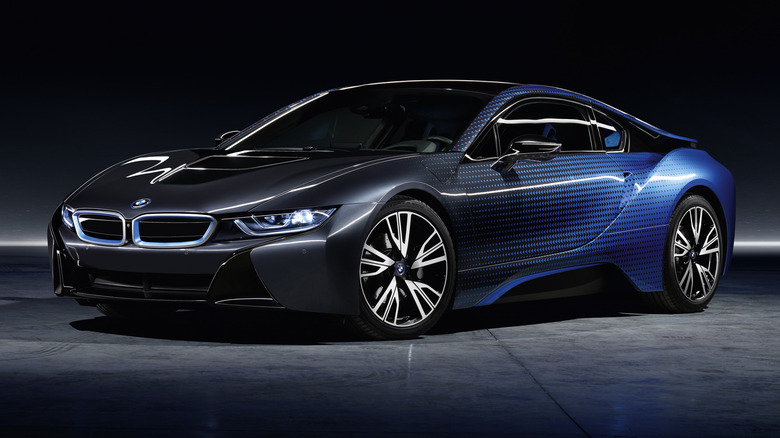
The discontinuation of the i8 wasn’t just about sales figures—it was about identity. BMW had always been a brand that balanced innovation with tradition, and the i8 embodied that duality. Its demise marked the end of an era, one where hybrids were seen as the bridge between the past and the future. But was the future truly electric, or was there still room for the i8’s hybrid philosophy?
The Future of Hybrid Performance: Could the i8 Return?
As the automotive industry hurtles toward an all-electric future, whispers of a hybrid resurgence are growing louder. The i8’s discontinuation may have been premature, a victim of market trends rather than technological limitations. Could BMW bring it back, reimagined for a new generation?
Imagine an i8 reborn, powered by a next-generation hybrid system that combines a high-output electric motor with a turbocharged engine, delivering 500+ horsepower while achieving 100+ miles per gallon equivalent. Picture a vehicle that retains the i8’s iconic design but incorporates cutting-edge aerodynamics, autonomous driving aids, and a fully digital cockpit. This isn’t just a pipe dream—it’s a blueprint for the future of performance hybrids.
The i8’s return wouldn’t just be a nostalgic nod to the past; it would be a bold statement about the future. In a world where electric vehicles dominate the headlines, a hybrid like the i8 could offer something truly unique—a blend of raw power, efficiency, and style that no pure EV can replicate. It would prove that the internal combustion engine isn’t dead—it’s evolving.
BMW has already dipped its toes back into the hybrid waters with models like the XM Label Red, but these are mere shadows of the i8’s ambition. A true successor would need to recapture the magic of the original—the audacity, the innovation, the sheer *presence* of a car that dared to defy expectations.
The Cultural Impact: Why the i8 Still Matters
The i8 wasn’t just a car; it was a cultural phenomenon. It graced the covers of magazines, starred in films, and became a status symbol for those who valued both performance and sustainability. Its discontinuation didn’t erase its legacy—it amplified it. The i8 proved that cars could be more than just machines; they could be works of art, symbols of progress, and catalysts for change.
In an era where automotive discourse often revolves around range anxiety and charging infrastructure, the i8 reminds us of a simpler truth: driving should be an experience. It should thrill the senses, ignite the imagination, and leave an indelible mark on the soul. The i8 did all of that—and more.
So, as we stand on the precipice of an electric future, let’s not forget the hybrids that paved the way. Let’s not dismiss the i8 as a relic of a bygone era, but celebrate it as a visionary masterpiece. And who knows? Perhaps one day, BMW will dust off the blueprint, add a few modern flourishes, and bring the i8 back—bigger, bolder, and more brilliant than ever before.
The i8’s story isn’t over. It’s merely waiting for its next chapter.