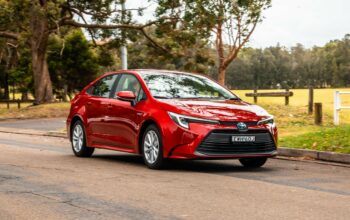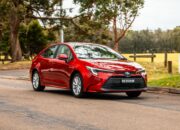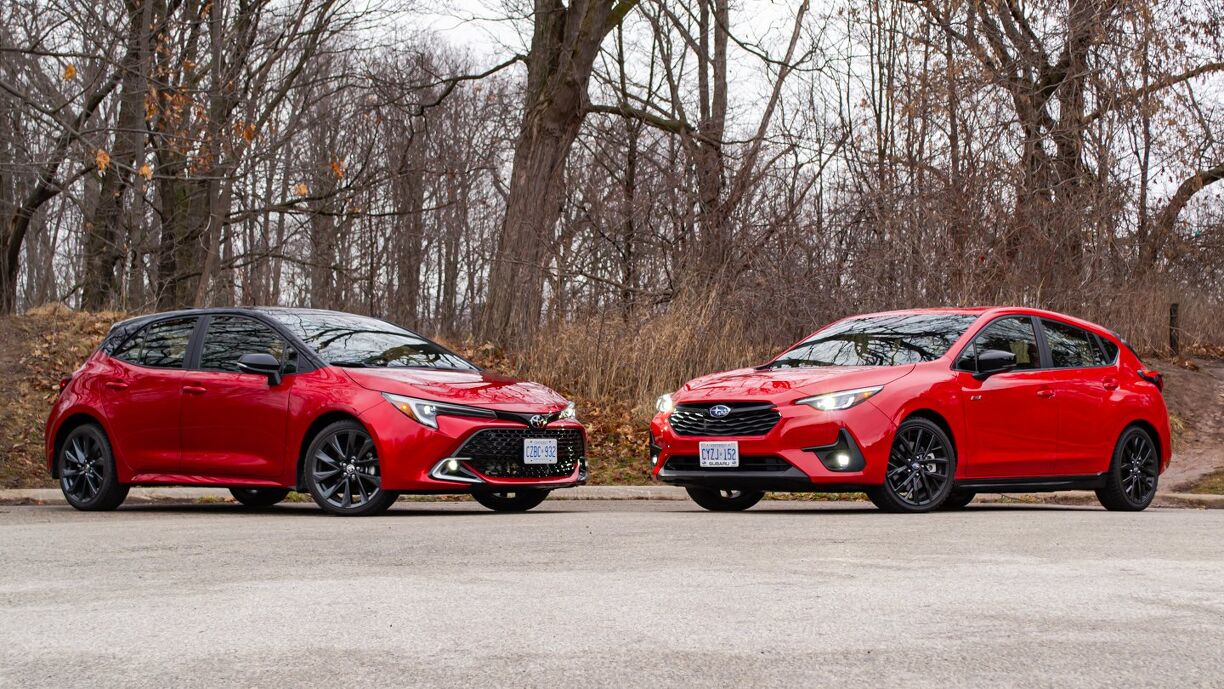
The 2026 Toyota Corolla Hatch and the Subaru Impreza sit at a fascinating crossroads of motoring philosophy. One is a whisper-quiet promise of dependability—an automobile that seems designed to outlast worries. The other arrives like a practical adventurer, ready to scatter traction myths with its all-wheel-drive poise. Picture two rivers running side-by-side: the Corolla Hatch flows with disciplined, predictable clarity, while the Impreza widens into a confident current, carving through slippery banks with AWD authority. Choose the one that best matches your daily weather, your tolerance for surprises, and the kind of peace you want in the driver’s seat.
In this rivalry—Reliability vs AWD—the real story is how each model earns trust. Not merely through specifications, but through the feeling you get after months of use: the calmness when starting in the morning, the steadiness on long commutes, and the quiet certainty when the road turns indecisive.
Two personalities, one everyday mission
The Corolla Hatch and Impreza Impreza both belong to the “you can live with this” class of cars. Yet their personalities are distinct. The Corolla Hatch feels like a well-organized workshop in motion: efficient, comprehensible, and relentlessly practical. It tends to reward routine—stop-and-go errands, school runs, and highway stretching with minimal drama.
The Impreza, meanwhile, carries the spirited practicality of a compass. Even when you aren’t actively seeking backroads, AWD gives it a subtle readiness. The car feels prepared for weather tantrums—rain slicks, gravel edges, and those mornings when the road surface is half imagination, half ice.
Think of reliability as a seatbelt: you don’t admire it while you’re driving brilliantly, but you’re grateful when the world gets messy. AWD is more like a second seatbelt—or perhaps a parachute—because it changes how the car handles the unknown.
Reliability: Toyota’s calm engineering aura
If reliability were a fragrance, Toyota would smell like clean linen—unflashy, steady, and familiar. The Corolla line has long cultivated a reputation for durability, and the 2026 Corolla Hatch continues that legacy by focusing on mainstream engineering, mature component design, and a maintenance approach that doesn’t require detective work.
Reliability doesn’t only live in the big mechanical headline items. It’s also found in the smaller details: how easily service items are accessed, how predictable wear patterns tend to be, and how often drivers report that the car simply behaves like it should. A trustworthy car is one that doesn’t demand constant attention. It makes you feel like your commute is being handled by someone competent and invisible.
With the Corolla Hatch, the attraction is often an emotional one: fewer interruptions, less second-guessing, and a sense that the car is built for your calendar rather than your mechanic’s schedule.
AWD: Subaru’s grip in the real world
Subaru’s all-wheel-drive isn’t just a feature; it’s a posture. In wet conditions, AWD can turn tentative steering into a more settled, confident experience. When the road surface behaves like a slippery rumor, AWD helps translate your inputs—throttle, steering, and intention—into a more coherent response.
The Impreza’s AWD also changes how the car invites ownership. Instead of “Should I drive today?” the question becomes “How soon can I get there?” That shift matters. It turns the vehicle from a tool into a trustworthy companion for inclement days.
Of course, AWD introduces additional mechanical complexity. Extra components can require extra care. But Subaru’s track record in AWD packaging and driveline tuning has helped many drivers feel that the benefits are practical rather than theoretical.
In metaphor terms: the Corolla Hatch is a dependable handshake; the Impreza is a sturdy climbing harness. Both help you travel, but one emphasizes consistency, while the other emphasizes traction in uncertainty.
How each approach affects everyday driving feel
The Corolla Hatch tends to deliver a composed, low-tension driving experience. It’s the sort of car that makes long drives feel less fatiguing because it doesn’t constantly seek attention. The steering and dynamics often feel “civil,” as though the car is carefully translating your commands without flamboyance.
The Impreza, especially in situations that punish timid tires, can feel more “connected” due to its AWD capability. You may notice improved composure when traction is compromised. In rain, on damp roundabouts, or when road markings turn glossy and slippery, AWD can help maintain stability and reduce the nervousness that sometimes appears in front-wheel-drive setups.
Short and long drives both matter here. A reliable car is best on Monday mornings. An AWD-capable car can be priceless on the Tuesday commute when the weather changes its mind mid-sentence.
Engine, transmission, and the reliability conversation
Reliability debates often focus on the big components, but they also hinge on how well the whole system behaves together: engine calibration, transmission logic, cooling management, and overall stress tolerance.
Toyota’s reputation suggests a design philosophy aimed at durability and predictable operation. That often means fewer surprises across temperature swings and stop-and-go usage. Toyota tends to balance performance with sensible engineering, which can be a quiet advantage over years.
Subaru’s driveline and AWD system introduce a different kind of engineering narrative. While AWD can boost traction confidence, it also means the vehicle is constantly coordinating power delivery across wheels. Proper maintenance becomes a more deliberate rhythm—still manageable, but worth respecting.
In the end, both cars can serve you well. The question is whether you want your confidence to come from proven conventional reliability—or from traction assistance that feels like insurance against slickness.
Cost of ownership: the hidden chapters
Reliability usually shows up as savings that don’t announce themselves. Fewer unexpected repairs. Less time spent waiting. A steadier ownership experience. These benefits can compound over the years, especially if your schedule isn’t built for vehicle downtime.
AWD can influence ownership costs in more subtle ways—tires may wear differently, and components tied to drivetrain function may call for attention. Yet it’s not simply about extra spending; it’s about matching the car to your environment. If you live where winter storms write daily scripts, AWD may reduce the likelihood of risky driving moments and help you arrive with less anxiety.
Think of it as this: reliability is a long-term investment in calm. AWD is a short-term advantage that can also protect your long-term wellbeing by enabling safer driving when conditions deteriorate.
Safety and confidence: how trust is built
Both the Corolla Hatch and Impreza can be equipped with modern driver-assistance systems that support visibility, stability, and braking confidence. But the emotional safety of a car—its ability to inspire faith—is built from more than electronics.
The Corolla’s advantage is consistency. When the vehicle behaves predictably, drivers naturally feel more comfortable. The Impreza’s advantage is traction resilience. When conditions become unpredictable, AWD can help the car maintain a more controllable posture.
Combine either car with attentive driving and appropriate tires, and you gain an extra layer of confidence. Yet, if you regularly face low-grip seasons, Subaru’s AWD can feel like a bridge over a gap in winter traction.
Interior usability: hatchback practicality as a daily superpower
Both models wear the hatchback badge like a practical crown. Cargo access matters. Grocery runs matter. Storage compartments matter. A hatch doesn’t just move objects—it simplifies life. It’s the difference between “How do I fit this?” and “Of course it fits.”
The Corolla Hatch often appeals to drivers who want a tidy cabin, straightforward controls, and a sense of mainstream refinement. The Impreza’s cabin often feels equally practical, with the added allure of a driving experience shaped by AWD capability.
On days when you’re carrying more than you planned—sports gear, takeaway bags, the random items that multiply in the trunk—both cars can handle the bustle. That’s why this segment is beloved: it’s designed for actual humans.
So which should you choose?
Choose the 2026 Toyota Corolla Hatch if reliability, predictability, and long-term peace of mind are your highest priorities. If your world is mostly dry roads, routine commuting, and a desire for minimal ownership friction, the Corolla’s calm competence is hard to ignore.
Choose the Subaru Impreza if AWD confidence is essential—if rain, mud, snow, or uneven grip are part of your normal calendar. If you want a car that feels ready when the road turns moody, the Impreza offers a compelling, confidence-building traction advantage.
The decision is ultimately about what you fear most. Fear of breakdowns? Toyota’s reliability posture aligns well. Fear of losing traction when conditions change? Subaru’s AWD readiness speaks directly to that concern.
Final thoughts: reliability and AWD as complementary virtues
In the grand story of cars, the Corolla Hatch and Impreza are more alike than different: both are built for everyday life, both emphasize practicality, and both aim to keep you moving. But their philosophies diverge. The Corolla Hatch leans into the artistry of consistency—an engine of trust. The Impreza leans into the geometry of traction—an AWD system that helps you stay composed when the world gets slippery.
Ultimately, the best choice is the one that matches your routes and your temperament. Pick the car that makes mornings simpler and drives less stressful. Whether you lean toward reliability’s steady heartbeat or AWD’s confident grip, you’re not just choosing a vehicle—you’re choosing how your days will feel behind the wheel.