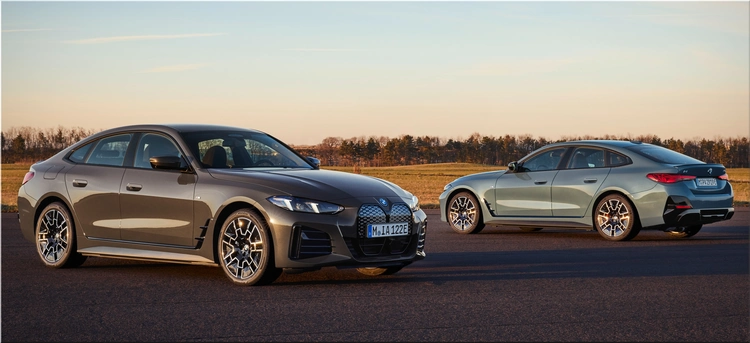
The 2026 BMW i4 steps into the spotlight as more than a practical electric sedan. It arrives with the poise of a grand-touring machine and the immediacy of an electric sprinter. The silhouette still reads like BMW first principles—clean surfaces, a confident stance, and a front fascia that signals purpose rather than apology. Yet beneath that familiar elegance lies the true story: electric propulsion tuned for engagement, with enough refinement to feel effortless on weekdays and enough punch to make every commute feel like a brief escape.
This review explores what different kinds of readers will want to know—performance seekers chasing torque and traction, technology enthusiasts scanning for infotainment and driver-assist capability, and buyers who prioritize comfort, range expectations, and daily habitability. Expect a full tour: the driving feel, the interior experience, efficiency realities, charging strategy, safety considerations, and the practical trade-offs that matter once the novelty wears off.
Exterior Presence and Aerodynamic Intent
The i4’s exterior charm is subtle, not theatrical. It’s the kind of design that looks composed at a standstill and more dynamic once motion begins. The bodywork manages airflow with a discipline that hints at efficiency priorities, even when the car is visually all about style. Details around the lighting elements add a sharpened contrast, giving the sedan a modern “edge,” while the proportions preserve that BMW balance—low enough to look planted, broad enough to look substantial.
From certain angles, the i4 feels like a fastback in spirit, even with the four-door practicality. In motion, the lines seem to flow toward the rear, reinforcing a sense of forward momentum. That matters, because aerodynamics are not merely numbers. They influence wind noise, stability at speed, and—indirectly—how confidently the vehicle holds range through varying conditions.
What “Electric Performance” Actually Feels Like
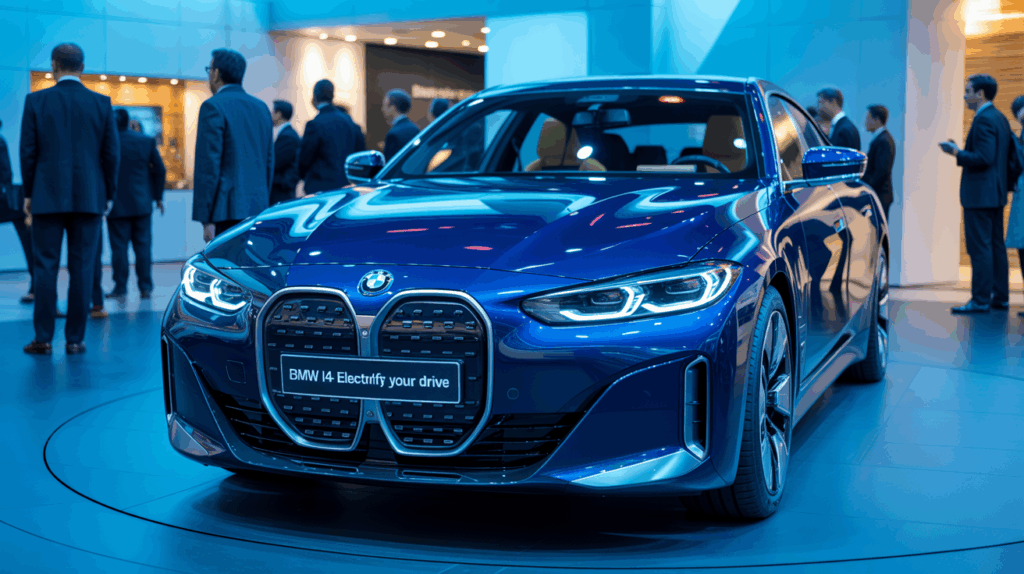
Electric performance is often described with broad adjectives—quick, responsive, instant. The i4 earns those words, but it does so with a particular flavor: crisp torque delivery that doesn’t feel theatrical or chaotic. The acceleration builds with composure, and the car responds to throttle inputs as if it’s listening carefully rather than guessing. That’s the difference between raw power and engineered intent.
In everyday driving, the i4’s immediacy makes merges and overtakes feel effortless. You press, the car answers. The sensation can be startling at first, especially if you’re used to internal-combustion throttle mapping. Over time, it becomes addictive. Short bursts feel clinical. Longer pulls feel composed.
Handling is where performance claims should be tested. The i4 aims to maintain a controlled balance, with road feel that encourages confidence. It doesn’t simply go fast in a straight line; it tries to stay coherent through curves. Steering response, stability under load, and the way the chassis organizes weight transfer all shape that “driver’s car” aura.
Braking, Regeneration, and the Art of One-Pedal Driving
In an electric sedan, the braking system is more than friction pads and rotors. It becomes a choreography partner through regenerative braking. The i4’s regen behavior can transform how the car feels in city traffic. When regeneration is tuned well, slowing down becomes smooth and intentional, reducing the need for repeated brake pedal inputs.
For some drivers, one-pedal driving is a daily superpower. For others, it’s a learning curve. The best implementations let you modulate deceleration with fingertip precision, creating a glide-like transition from speed to stop. That not only improves comfort, it can also enhance efficiency—because the battery gets to drink some energy back instead of watching it vanish into heat.
Interior Atmosphere: Luxury Meets Practical Sophistication
Step inside and the i4 leans toward thoughtful modernity. The cabin feels designed for longer stretches, not just showroom admiration. Materials and finishes aim for a premium texture, while the layout prioritizes visibility and ease of use. It’s a cockpit that doesn’t rush you. It invites you to settle in.
Comfort is more than softness. It’s seat support that remains believable on hour two, not just hour one. Climate management plays a quiet role here. In EVs, cabin heating and cooling can influence energy consumption, especially during colder or hotter seasons. A well-tuned system balances comfort and efficiency, keeping the ride pleasant without turning every stoplight into a battery drain event.
Storage practicality matters too. A sedan still lives on errands, grocery runs, and weekend luggage. The i4’s interior packaging should support day-to-day life with sensible access points and a trunk that feels usable rather than symbolic.
Infotainment and Connectivity: Seamless, Not Distracting
Modern drivers expect a digital interface that is both capable and calm. The i4’s infotainment experience is centered around responsiveness, clarity, and the ability to integrate navigation, media, and driver settings without creating cognitive chaos. That’s an important distinction. A system can be feature-rich, yet still frustrate if it feels slow, complicated, or overly nested in menus.
Voice control and smartphone integration—when implemented effectively—reduce friction. Less time fiddling means more time driving. Long road trips benefit from the way navigation interacts with charging planning, because EV travel is partly about timing. The car should understand where you are, where you need to go, and how quickly you can get there without losing the trip’s rhythm.
Charging Strategy: Home Sweet Spot, Road Trip Reality
Every electric car lives or dies by its charging story. The i4’s best days often begin at home, where overnight charging turns battery maintenance into a routine. Level 2 charging can deliver a steady pace of replenishment, letting the i4 align with daily driving needs. Many owners will treat the EV like a smartphone—top up regularly, rarely worry, always feel ready.
Then comes the question of road trips. Fast charging can turn long-distance travel into a series of planned pauses rather than stressful interruptions. The key is understanding charging curves and battery management behavior. EVs typically charge more quickly at lower states of charge and gradually slow as the battery fills. The i4 should support real-world travel with charging recommendations that match the drive schedule.
Range awareness is not just about optimistic numbers. It’s about how range behaves in different temperatures, driving styles, and speeds. Wind, incline, and aggressive acceleration can all conspire to reduce efficiency. Still, the i4’s engineering intent—especially its aerodynamic focus—helps keep consumption disciplined.
Driving Experience: From City Glide to Highway Poise
In the city, the i4’s power delivery makes stop-and-go driving feel surprisingly fluid. Smooth throttle transitions reduce jerky movement, and regenerative braking helps create a controlled deceleration pattern. Visibility and braking consistency are crucial in dense traffic, and a well-tuned EV platform can reduce driver fatigue.
On the highway, stability becomes the headline. The i4’s chassis tuning aims to keep it composed at speed, while the powertrain’s instant torque remains useful for passing maneuvers. Cabin refinement—wind noise management, vibration control, and overall suspension comfort—becomes vital. A sedan earns its keep when it feels calm even as the road grows loud.
Safety and Driver Assistance: Confidence Through Systems
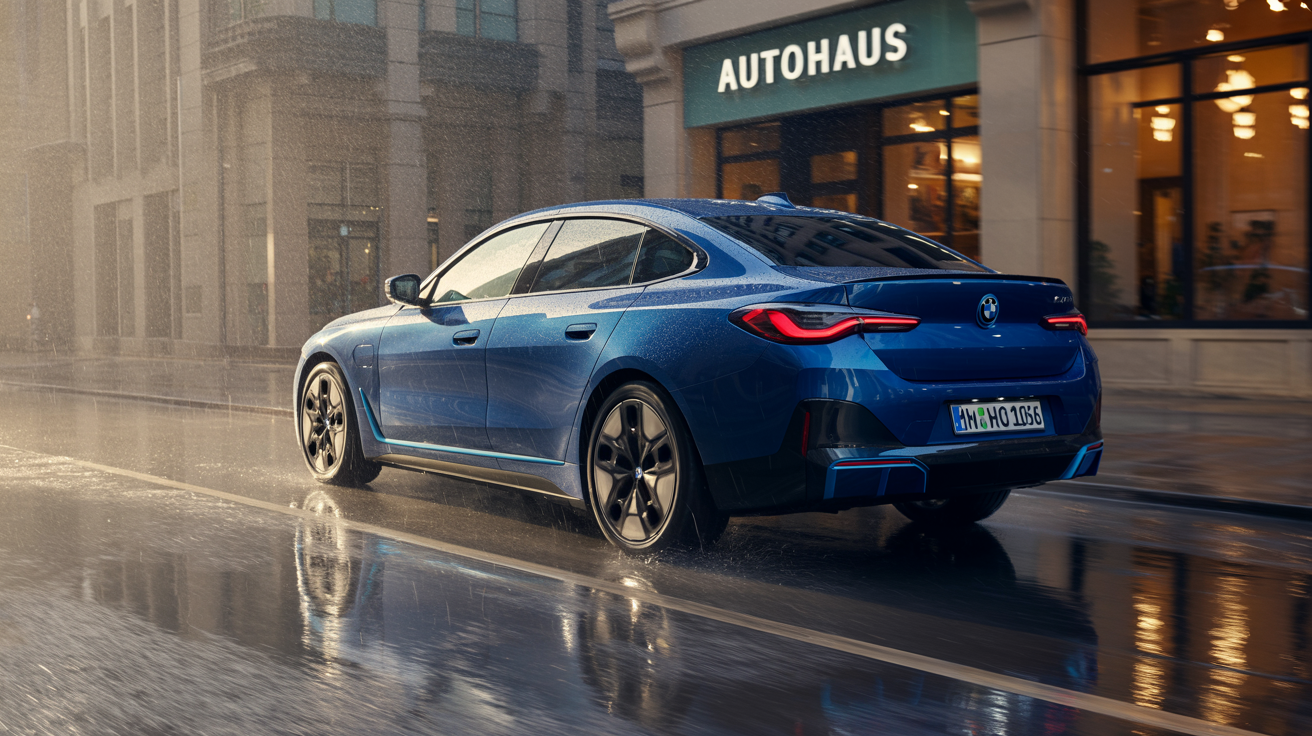
Safety technology in a modern electric sedan is about more than emergency braking. It’s about preventing the moments that lead to emergencies. The i4’s suite of driver assistance features should focus on collision avoidance, lane-related guidance, and adaptive responsiveness in changing traffic conditions.
Think of these systems as a second layer of perception. They help manage blind spots, support lane centering, and adjust speed in a manner that tries to feel natural rather than intrusive. The best driver-assist setups maintain a balance: supportive when needed, unobtrusive when not. Over long drives, that matters. Less stress is a kind of performance upgrade.
Who the 2026 i4 Is For
The i4 is well-suited for drivers who want EV benefits without giving up the emotional satisfaction of a BMW. It targets people who value strong acceleration, composed handling, and a premium cabin experience. It also fits buyers who want a sedan that can handle both commuting rhythms and weekend escapes, especially with thoughtful charging planning.
If your routine is short trips and daily driving, the i4 can feel almost frictionless. If your routine includes regular highways, the key is planning around charging infrastructure and understanding how weather affects efficiency. For the right owner, the i4 becomes less about compromise and more about a new baseline—quiet propulsion with performance intent.
Bottom Line: A Sedan That Turns Electricity Into Theater—Without the Hype
The 2026 BMW i4 Electric Performance Sedan earns its reputation by doing what great EVs do best: making electric power feel integrated, not gimmicky. It offers rapid response, refined comfort, and a tech-forward cockpit that supports real driving rather than distracting from it.
In the end, the i4 is not just an alternative to gasoline. It’s a statement about how performance can evolve—more immediate, more efficient in daily usage, and still capable of delivering genuine driver satisfaction. For the next chapter of BMW sedans, the i4 doesn’t merely participate. It leads.