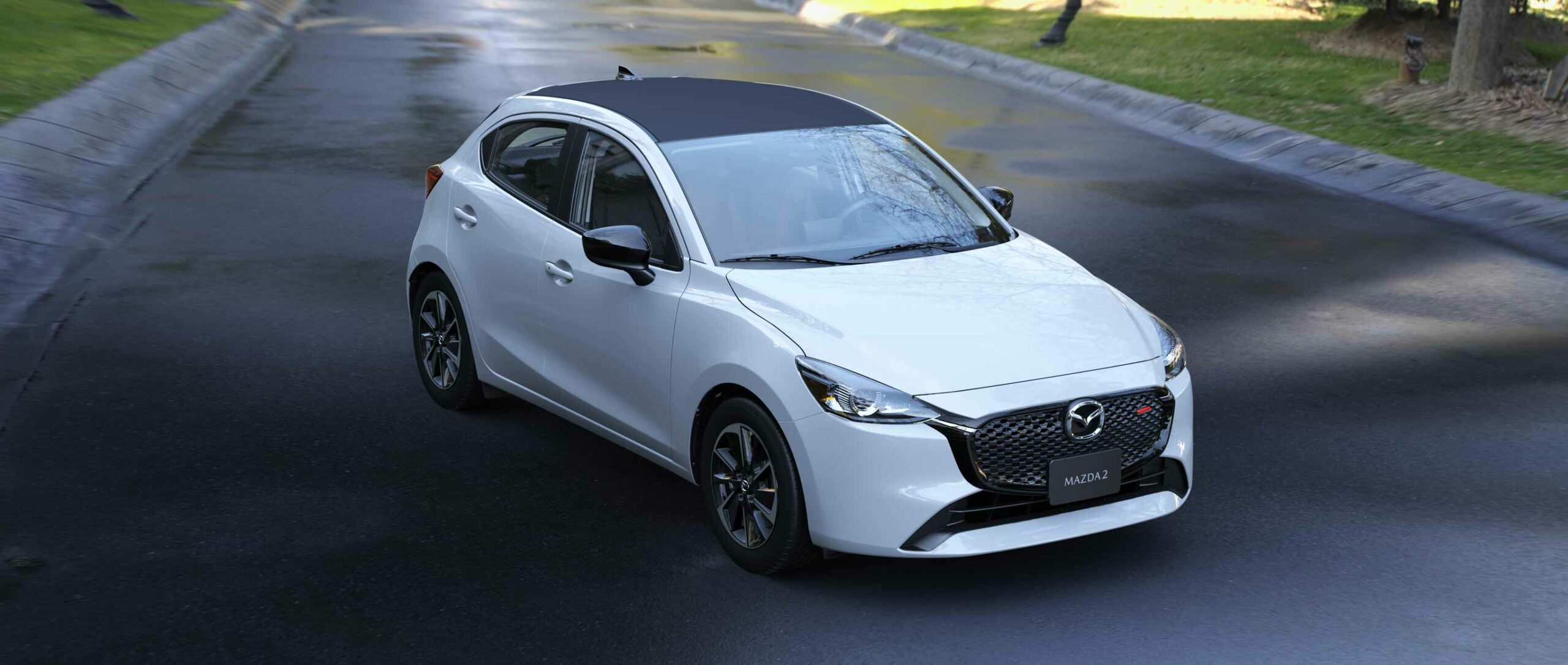
The idea of a Mazda2 Hatchback returning to the United States carries a kind of cinematic appeal. Small, nimble, and allergic to compromise, the Mazda2 has always felt like a city-sized tool for people who enjoy driving rather than merely arriving. But could it genuinely make the trip across the border again? The question isn’t just whether the model exists—it’s whether the current market environment, regulations, and consumer psychology would allow it to return.
Let’s wander through the signals readers might watch for, the content themes you’d likely see if the rumor mill heats up, and the practical realities that determine whether a compact hatchback can thrive. Along the way, we’ll keep the narrative grounded: what makes the Mazda2 compelling, what could block it, and what “return” might actually look like in US terms.
Why the Mazda2 Hatchback Feels Like a Natural US Fit
Compact hatchbacks occupy a special niche in the American imagination. They’re practical without being bland, efficient without being sterile. The Mazda2’s charm comes from its ability to be both utilitarian and characterful—an uncommon combination in the small-car segment.
In the US, buyers often want something that squeezes maximum value out of every gallon and every parking space. The hatchback format helps there. The rear hatch expands flexibility: groceries, weekend gear, and the inevitable “we should bring that extra thing” moment. A smaller footprint also makes daily navigation easier, especially in dense urban corridors where big sedans can feel like overkill.
And then there’s the Mazda factor—Mazda has built a reputation for steering feel and design coherence. Even when the powertrain isn’t trying to win drag races, the driving experience often aims for engagement. That’s a subtle but meaningful advantage when buyers are cross-shopping between economy cars and entry-level premium brands.
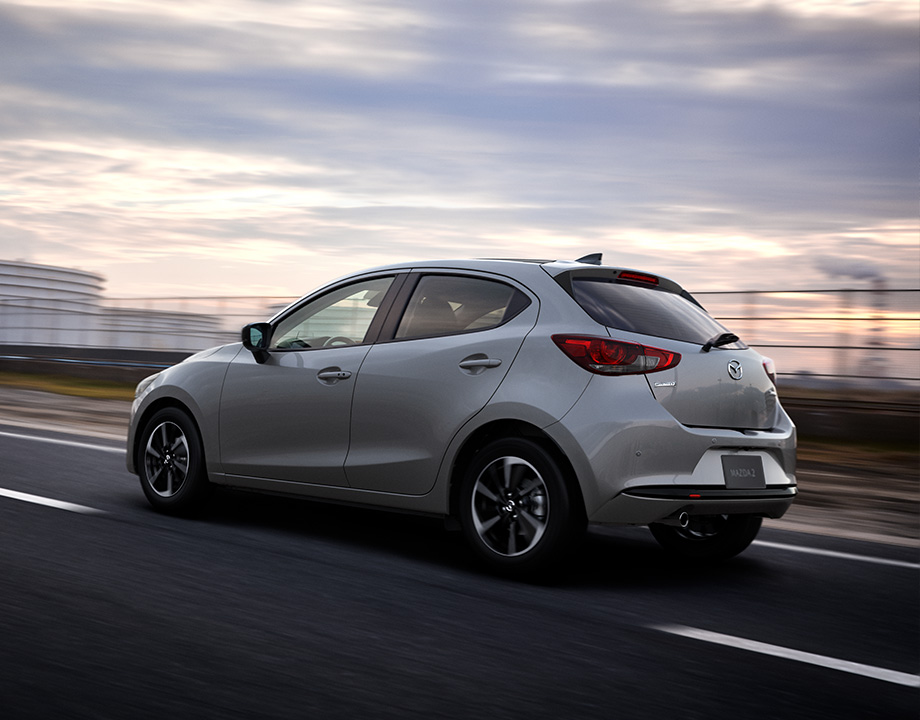
What “Return” Could Mean: Model, Market, and Timing
A “possible US return” can mean multiple things, and those distinctions matter. A full return could involve a redesigned generation aligned with US safety and emissions standards. But it could also be a softer reintroduction—limited availability, specific trims, or even a shorter lifespan if it functions as a strategic trial.
Timing is crucial. The automotive world now shifts with regulatory calendars and battery/energy transitions. Even for a non-hybrid or mild-hybrid vehicle, compliance requirements and manufacturing priorities can change faster than consumer attention spans. So a return would likely depend on whether Mazda sees the Mazda2 as a profitable volume play—or a brand-strengthening gesture.
Readers should expect content that clarifies what “back” actually means: MSRP placement, trim structure, available powertrain options, and whether Mazda would prioritize particular regions first.
Market Forces: Why Small Cars Still Matter (Even When They Don’t Sell Like They Used To)
The US market has leaned heavily toward SUVs and crossovers for years. Yet small cars haven’t vanished. They’ve simply become more selective—like niche spices in a pantry that still matter when you finally cook something specific.
Several market forces could open a window for a compact hatchback. Fuel price volatility can revive interest in efficient vehicles. Insurance costs can nudge shoppers toward smaller platforms. Parking constraints and lifestyle changes—especially among younger buyers and urban households—keep hatchbacks relevant.
There’s also the value equation. When monthly payments feel like a moving target, shoppers look for affordability with style. A Mazda2 return would likely need to land in a sweet spot where it feels like “more car than the price suggests.”
If Mazda decides to re-enter, content would likely emphasize practical metrics: dimensions, cargo volume, real-world fuel economy, and the cost-to-own narrative. Expect readers to see spreadsheets masquerading as story-driven explanations.
Design and Driving Character: The Mazda2’s Personality Advantage
The Mazda2’s appeal isn’t only numerical. It’s experiential. The cabin and exterior design tend to aim for coherence—everything feels intentionally arranged rather than slapped together. That makes the car feel less like a concession and more like a choice.
On the road, a small hatchback’s best talent is agility. It’s the way it invites quick lane changes, the way it threads through traffic with minimal fuss. A compact car can feel “light on its feet,” even when the power output is modest. Mazda has historically tried to make steering and response feel connected, not distant.
If the Mazda2 returned to the US, the content ecosystem around it would likely include road-test style narratives: driving impressions, responsiveness at low speeds, and how the chassis behaves on broken pavement. Expect comparisons too—between the Mazda2 and other small hatchbacks, as well as against subcompact sedans that offer less versatility.
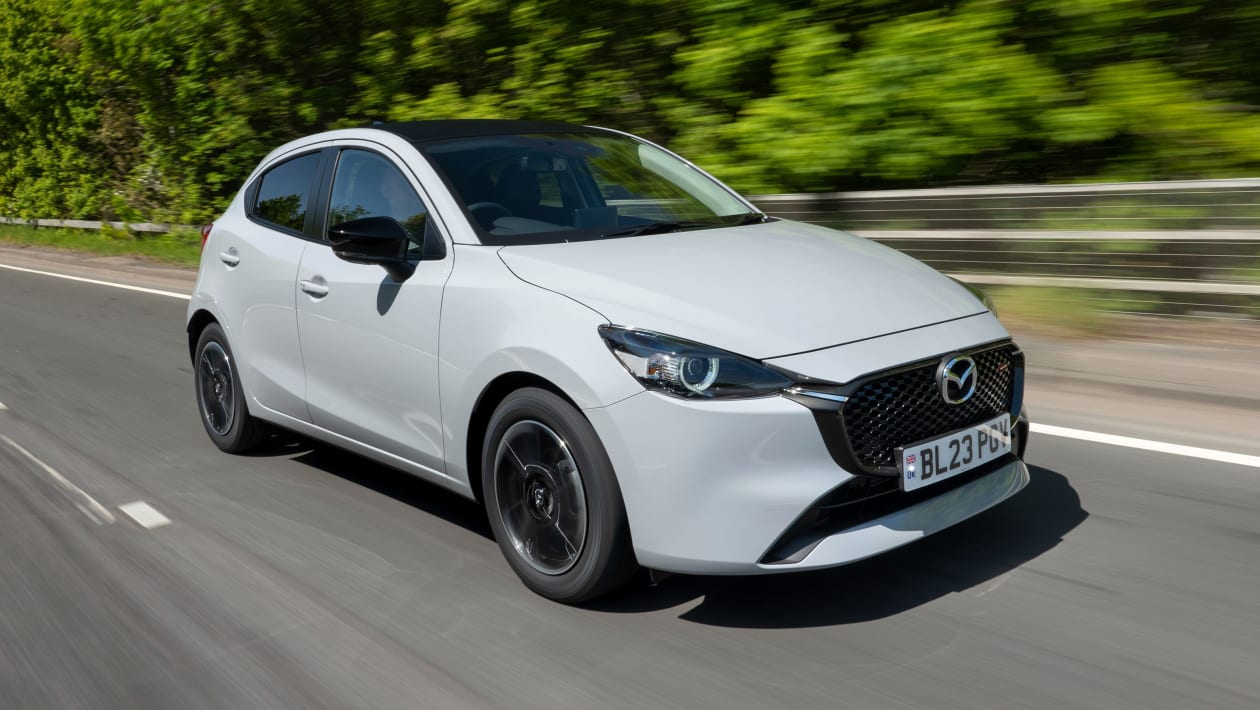
Compliance Reality Check: Emissions, Safety Tech, and the Cost of Being Sold Here
Here’s the part most rumors overlook: a car can exist on paper and still fail to return due to compliance economics. US emissions standards, crash test requirements, and safety technology packaging can require costly calibration and hardware changes.
Modern markets also expect a certain baseline of driver assistance features. Even if the Mazda2 is a compact, US consumers often want the confidence of advanced safety systems—especially adaptive features that reduce fatigue during long drives.
So if Mazda2 returns, readers can anticipate articles that focus on what has changed to meet US requirements: engine calibration for emissions targets, safety suite details, and whether infotainment and connectivity are updated for US norms. In other words, expect “translation” content—how a globally available car becomes a US-legal product.
Powertrain Expectations: Gas, Mild Hybrid, or Something Different?
The powertrain angle will likely be the biggest magnet for speculation. Buyers want to know: will it be a straightforward gasoline setup, or will electrification appear in some form? Even mild hybrid systems can improve city efficiency and reduce emissions, which matters for both compliance and consumer appeal.
If Mazda keeps the Mazda2 simple, content will emphasize efficiency, drivability, and predictable maintenance. If Mazda adds electrification, the narrative shifts toward torque delivery, battery management, and real-world fuel consumption under varied driving conditions.
Either way, readers should expect what enthusiasts always ask: how it feels at start-up, how it behaves during highway merging, and what the transmission strategy prioritizes—smoothness, responsiveness, or efficiency. Short answers rarely satisfy this crowd, so longer, test-driven explanations are likely.
Trim Strategy and Pricing: How Mazda Could Position the Mazda2 Against the Herd
Pricing is the chessboard. A return succeeds only if the Mazda2 can compete without becoming a “too expensive for what it is” problem. Mazda would likely craft trims to capture different motivations: budget-conscious commuters, design-forward shoppers, and buyers who want more features without leaping into a pricier segment.
Content readers can expect includes feature-by-feature breakdowns: what comes standard, what’s bundled, and how options affect total cost. Expect “value mapping” articles—who should buy which trim depending on driving habits, family needs, and daily routines.
It’s also possible Mazda would lean into affordability by focusing on reliability and ownership costs rather than raw performance bragging. That’s a classic Mazda move: persuasion through balance.
What to Watch Next: Signals That a US Return Is More Than a Dream
Rumors become more credible when operational signals appear. Look for dealer network hints, parts availability patterns, and official marketing activity. Even subtle shifts—like regulatory filings, updated media assets, or localized press releases—can confirm that the groundwork is being laid.
Online, readers will likely see a growth in localized comparisons, import discussion threads, and impressions from markets where the Mazda2 is sold more widely. That doesn’t guarantee a US return, but it builds the informational scaffolding that precedes a launch.
If Mazda2 is coming, expect pre-launch content to focus on: confirmed specifications, availability timing, and how Mazda plans to support warranty and service. Enthusiasts pay attention to those details because the best small car is useless if ownership feels inconvenient.
The Enthusiast Verdict: Would a US Mazda2 Be a Good Idea?
From a driving perspective, the Mazda2 hatchback fits like a well-tailored jacket. It promises agility, stylish restraint, and practical versatility. From a market perspective, it needs the right positioning and the right pricing to avoid being squeezed between cheap commuters and feature-rich crossovers.
But if Mazda can deliver a compelling blend of efficiency, design, and accessible technology, the Mazda2 could become more than a nostalgic headline. It could become a modern urban tool—smartly sized for the way many people actually live now.
And that’s the real thrill behind “possible US return.” It’s not just a vehicle coming back. It’s a reminder that compact cars can still be interesting—alive with intent, not just transportation.
Final Thoughts: A Small Car With Big Potential
The Mazda2 hatchback returning to the US isn’t a guaranteed storyline. It’s a question shaped by regulations, costs, and consumer demand. Yet the fundamentals—compact practicality, Mazda’s design sensibility, and the enduring appeal of the hatchback—suggest that it could make sense if the timing is right.
Whether it arrives as a full reintroduction or a limited, strategic move, readers can prepare for a rich wave of content: driving impressions, trim and pricing breakdowns, compliance explanations, and the inevitable comparisons that decide whether the Mazda2 is merely “back” or truly worth the wait.
If you’re craving a car that feels like a choice rather than a default, the Mazda2 hatchback remains an intriguing possibility—one that’s easy to root for and hard to ignore.