Ever had your EV feel like it suddenly forgot how far it can go? Picture this: you roll out of the garage in crisp winter air, battery showing a cheerful number, navigation confidently mapping the route… and then reality taps the window like a snowflake. Cold weather doesn’t just “reduce efficiency”—it can gnaw at range in a way that feels personal.
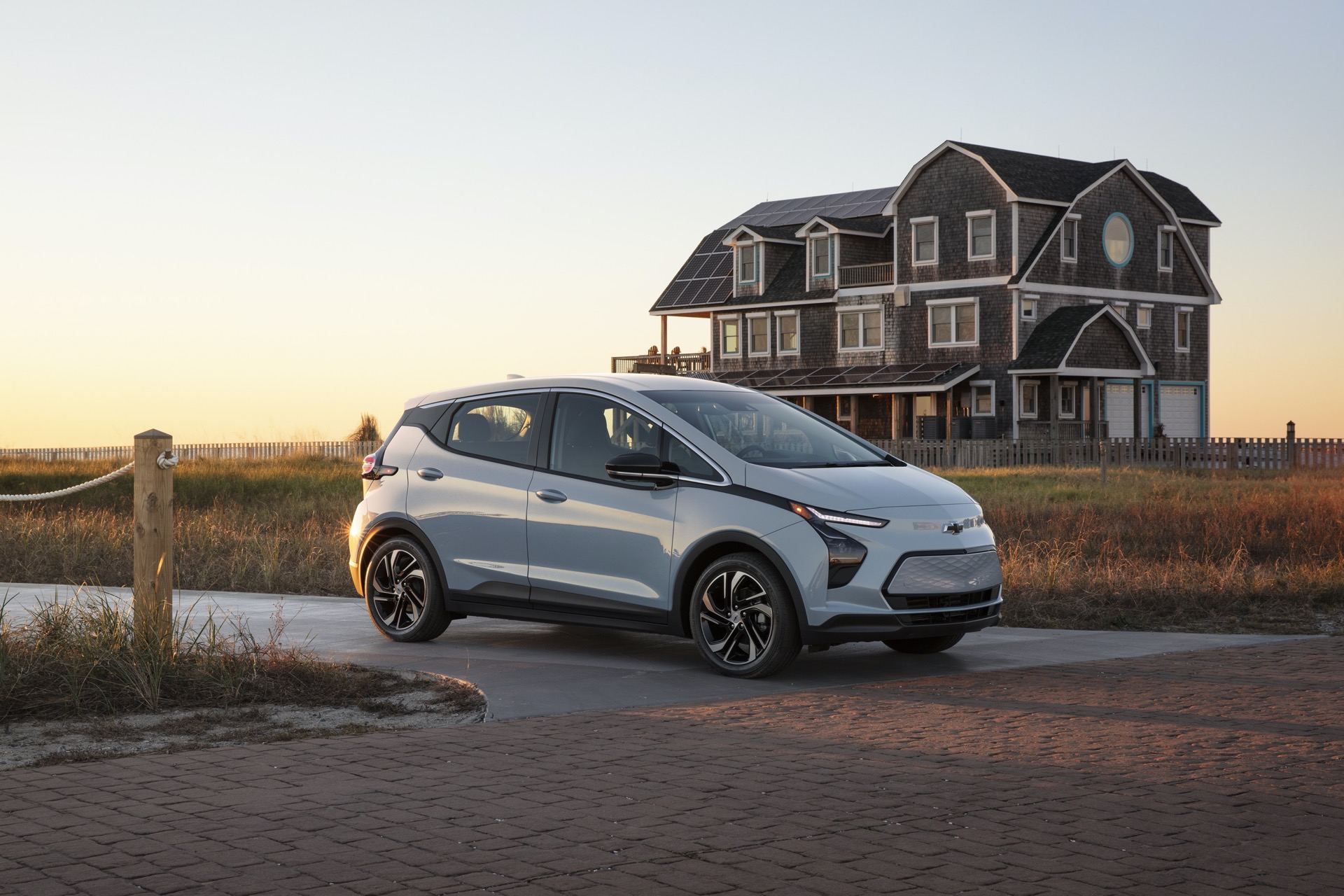
So here’s a playful question to warm up your curiosity: How much of your Bolt EV’s promise will the winter actually keep? The challenge is sneaky. It isn’t one single factor. It’s the whole winter stack—battery chemistry, cabin heating, tire physics, wind, and your own driving habits—colliding like characters in a far-too-clever sitcom. Let’s walk through the real-world picture of Chevy Bolt EV – Real-World Range in Cold Weather, and what you can do to stay ahead of the frost.
Cold Weather Range: The Battery’s Winter Waltz
In moderate temperatures, the Bolt EV’s battery behaves like a seasoned performer. In cold conditions, it becomes more like a dancer warming up on stage—still capable, but not at full flourish until it’s ready. Lithium-ion batteries tend to deliver less usable power when temperatures drop. That doesn’t mean the pack is doomed. It means the car may limit output to protect it, and the energy you need for propulsion can require more effort from the system.
Real-world range loss often becomes most noticeable when temperatures are low enough that the car has to both operate the battery under stress and help it stay within safe boundaries. You might see the indicated range fall faster than you expect, especially early in the drive when the battery is still “cold-soaked.”
And then there’s the behavioral twist: short trips keep the battery from warming thoroughly. The result can be a frustrating loop—drive, drain, pause, cool down again—like trying to jog with gloves and no warm-up.
Cabin Heating: Comfort with a Hidden Price Tag
Nothing feels better than warm air when the outside world turns into a frosted postcard. But cabin heating can become an energy siphon. Even when the vehicle uses heat efficiently, it’s still drawing power that could otherwise move you down the road.
Here’s the practical challenge: winter comfort settings are often adjustable, but your sense of “just a little more heat” can translate into a noticeable range hit over time. If your route includes a lot of stop-and-go driving, heat demand can stack up while energy recovery is less effective.
Try thinking of cabin heat as a knob that you can turn—strategically. You don’t have to avoid comfort. You just have to treat it like a budget item, not an infinite resource.
Tires, Speed, and Wind: The Winter Aerodynamics Trap
Driving speed can feel like a small choice—until the cold and wind team up. Aerodynamic drag rises with speed, and in winter you may also face denser air, gusty crosswinds, or icy gust fronts that encourage slower, more cautious driving. Both scenarios can be tricky for efficiency.
Then consider tire behavior. Winter tires can add rolling resistance compared to optimally efficient summer setups. Proper traction helps you control the car, which is non-negotiable for safety. But from an efficiency perspective, it can mean more energy demanded per mile.
If you’ve ever watched your efficiency drop on the highway during a cold snap, this is often why. The Bolt EV may be doing its best, but physics doesn’t care about intentions.
Preconditioning and Battery Warmth: The “Ready When You Are” Strategy
Now for the fun part: you can fight back. Preconditioning helps bring the battery and cabin closer to an efficient operating temperature before you begin driving. Think of it as giving your EV a short breakfast before the real commute begins.
When the car is preconditioned, you’re not asking it to perform cold-weather acrobatics immediately after you leave the driveway. That often translates to better efficiency and more stable range estimates.
The challenge is timing and electricity source. If you can precondition while plugged in, you reduce the likelihood of draining the battery before you even hit the road. If you can’t, the vehicle may still precondition, but it will pull energy from the battery—sometimes offsetting the benefit.
Still, even battery warm-up that starts after departure can help over the duration of a longer drive. Short trips are where the strategy matters most.
Comparing Model Years: When Efficiency Tweaks Meet Winter Reality
EVs evolve. Software updates can refine thermal management behavior, and hardware changes can nudge efficiency in meaningful ways. That’s why comparing performance across different model years can feel like holding up a mirror to your assumptions.
In cold weather, even modest improvements become more visible because the baseline conditions are harsher. A car that behaves efficiently at moderate temperatures might still lose ground in winter, but a car that manages thermal systems more intelligently can preserve more usable energy.
So what should you take from this? Don’t treat the winter range number as a universal constant. Treat it like a range of outcomes influenced by version, configuration, and driving context.

What “Real-World Range” Actually Means (And Why It Feels Personal)
Manufacturers often publish range figures under standardized conditions. Real-world winter range is a different beast—because your environment isn’t a lab and your day isn’t a test cycle. Real-world conditions include:
• Temperature swing during the day
• Local wind and precipitation
• Road grade and traffic flow
• How often you stop and accelerate
• Your heating settings and seat comfort usage
That’s why “range anxiety” in winter can be rational even when your battery isn’t failing. Your car might still be fine, but your energy margin shrinks.
Here’s an uncomfortable truth: the most noticeable range reductions often occur when you need the most certainty—early in the drive, during the coldest portion of your commute, or when your detour plan relies on comfortable buffer miles.
Route Planning: Build a Winter Cushion Like a Pro
Planning in winter is less about optimism and more about resilience. Instead of trusting a single forecasted number, treat your trip like a layered schedule with contingencies.
Use these tactics:
1) Add buffer miles for battery cool-down and heating demand.
2) Identify chargers before you need them, not after you’re already stuck in “low range mode.”
3) Favor routes with steady speeds when possible. Constant acceleration drains energy faster than you might think.
4) Consider arrival targets: aim to reach your destination with a little charge, not at zero.
It’s not defeatist. It’s strategic. Winter turns energy into a game of margins, and you want to be the player with extra cards in hand.
Driving Habits that Help (Without Turning You into a Stat Sheet)
You shouldn’t have to drive like a museum exhibit to protect your range. But a few habits can make a difference:
• Smooth acceleration to reduce power spikes
• Gentle regen management (and awareness of how regen behaves when conditions are cold)
• Avoiding unnecessary high heat settings
• Using defrost intelligently rather than constantly maxing everything
Short sentences work here because the point is simple: consistency helps. If you keep the car from constantly “surging,” the battery isn’t forced to chase abrupt demands.
Charge Strategy in the Cold: Timing Beats Panic
Charging in winter can also change the game. Cold batteries may limit charging speed until the pack warms up. That means it’s wise to plan stops with time in mind—especially on long trips.
If your charging plan assumes you’ll always arrive at the station with a warm, ready-to-charge battery, winter will happily disappoint those assumptions. Instead, schedule a little breathing room. Let the vehicle do its thermal work while you handle the human tasks: coffee, restroom breaks, a quick de-icing ritual.
And remember: topping up can be more efficient than a deep squeeze when your schedule is tight. But the “best” approach depends on charger availability, charging curves, and your route.
So… How Much Range Will You Really Get?
That question deserves a careful answer: it depends. But one theme is consistent—cold weather can reduce EV range dramatically compared to warm-season expectations. The good news is that you can influence the outcome through preconditioning, route planning, and mindful thermal comfort choices.
Think of the Bolt EV in winter as a capable athlete who needs a warm-up. Give it that warm-up—especially when you can—and you turn a bleak drive into a more predictable one.
Outro: Winter Doesn’t Have to Win
Cold weather tests everything: nerves, planning, and patience. The Chevy Bolt EV can still deliver enjoyable driving, even when temperatures drop and energy becomes a tighter puzzle. The key is to stop treating range as a promise carved in stone and start treating it as a dynamic estimate shaped by real-world winter conditions.
When you approach winter with a cushion, a preconditioning plan, and a calm charging strategy, the experience shifts. The frost stops feeling like a betrayal and starts behaving like weather—annoying, yes, but manageable. And honestly, that’s the win: not perfect numbers, but a better grip on reality.