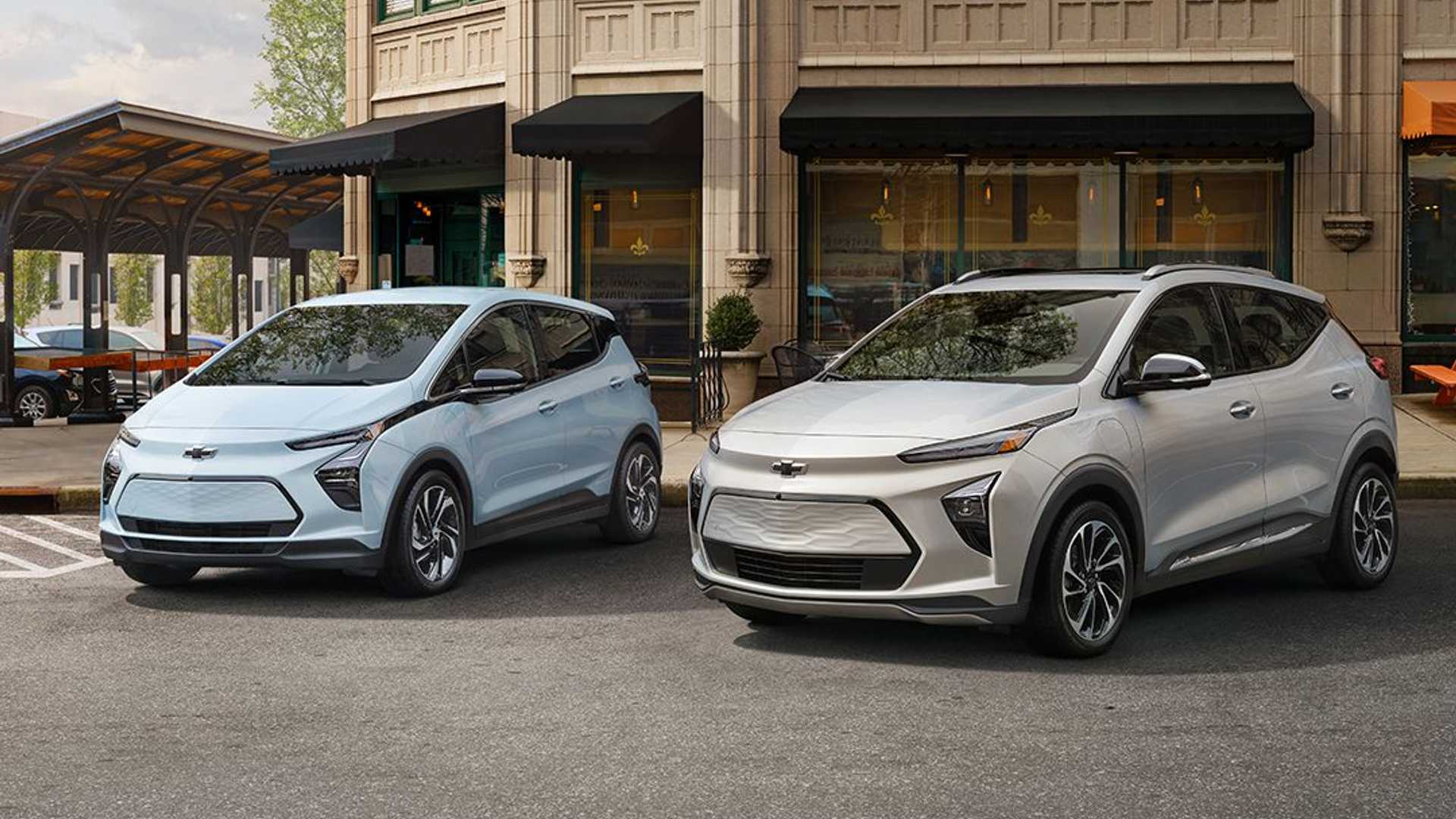
There’s a peculiar, almost magnetic pull to small electric cars. They look like they were designed for the city’s narrow corridors, then quietly prove they can handle the wider world. That’s where the comparison begins—Chevrolet Bolt EV versus the Mini Cooper Electric—two hatchback icons that share one common observation: both feel delightfully “compact,” yet they evoke very different kinds of fascination. One leans into practicality with an unapologetic, steady rhythm. The other turns the everyday commute into something closer to a curated experience, full of attitude and personality. And once you notice that difference, it becomes harder to stop thinking about it.
In truth, the fascination isn’t only about specs. It’s about intention—what each car is trying to make you feel when you climb in, press the pedal, and slip into traffic like a thought you didn’t know you were having.
1) The Shared Hatchback Spell: Why These Cars Grab Attention
Hatch EVs occupy an oddly specific emotional niche. They promise usability without the bulk, efficiency without the austerity. Both the Bolt EV and the Mini Cooper Electric deliver that “small but capable” vibe, and hatch designs amplify the sense of versatility. A hatch doesn’t just carry cargo—it changes how you think about the car’s purpose. Suddenly, errands aren’t interruptions. They’re part of the drive.

People often begin by comparing dimensions and range. But the deeper allure lives in the subtler stuff: how the cabin feels, how the steering invites confidence, how the vehicle’s character shows up during stop-and-go traffic. The common observation—“they’re both fun, just in different ways”—is only the surface.

2) First Impressions Behind the Wheel: Practical Confidence vs Playful Precision
The Bolt EV tends to arrive with a calm presence. It feels engineered for dependable daily movement, with a sense of straightforwardness that makes you trust it. The interior is less about theater and more about flow. Controls are generally intuitive, and the car’s layout aims to minimize friction—physically and mentally.
The Mini Cooper Electric, by contrast, often feels like a cockpit designed for expression. It’s smaller in spirit, even when you’re just doing mundane things like backing out of a parking spot. The car communicates character through visibility, proportions, and the way it responds to steering inputs. The result is a driving sensation that can feel slightly theatrical—like the vehicle is collaborating with you rather than simply transporting you.
So when drivers say, “The Bolt is easier to live with, and the Mini is more fun to drive,” they’re not just making a casual comment. They’re pointing at different philosophies of delight.
3) Range and Efficiency: The Numbers Are Important, But the Narrative Matters More
EV buyers usually start with range because range is freedom. If the car can handle your typical days without anxiety, charging becomes routine rather than ritual. The Bolt EV is widely associated with efficiency-minded practicality, and that makes it appealing for commuters and families who want fewer compromises.
The Mini Cooper Electric also aims to be an efficient city machine, but its emotional appeal often nudges buyers toward a lifestyle fit. That doesn’t automatically mean it’s “less capable.” It means buyers are more likely to plan around its strengths—short-to-medium trips, quick charging routines, and the enjoyment of tooling around town.
Here’s the deeper reason fascination lingers: range is only half the equation. The other half is how you schedule your life around the car. A highly range-efficient hatch can reshape a week. A charming city EV can reshape a mood.
4) Charging Experience: Convenience as a Daily Superpower
Charging isn’t glamorous, but it’s where EVs prove their worth. The Bolt EV typically appeals to drivers who want charging to be predictable and frictionless. Its reputation often comes from the idea that you can plug in, top up, and forget about it until the next routine.
The Mini Cooper Electric encourages a slightly different cadence. Because its ownership experience is frequently framed as “enthusiast-friendly,” charging can become part of a rhythm—something you do with intention, often because the car itself keeps you looking forward to the next drive.
In both cases, charging capability affects real-world satisfaction. But the satisfaction differs: Bolt owners often feel relief and practicality. Mini owners often feel anticipation and personal connection.
5) Interior Usability and Cargo Versatility: Hatch Logic in Practice
Hatchbacks live or die on usability. The Bolt EV generally emphasizes practical space utilization. That means the cabin and cargo area are designed to handle everyday realities—groceries, gym bags, weekend gear, and the occasional “why is there so much stuff?” moment.
The Mini Cooper Electric is compact by nature, so its usability story is about clever packaging rather than expansive volume. You may be amazed by how much can fit when you approach it with the right mindset. Its charm can make you feel like you’re optimizing, not compromising.
The common observation here—“both are hatchbacks, so they’re both flexible”—is correct. But the deeper truth is that flexibility can be either generous (Bolt) or ingeniously composed (Mini).

6) Driving Dynamics: How Each Car Interprets the City
The Bolt EV tends to deliver a composed, steady ride. It’s built to reduce workload. Even when traffic is chaotic, the car feels like it’s keeping a calm tempo—helping you focus on the road instead of fighting the vehicle.
The Mini Cooper Electric often feels more responsive in the way it invites engagement. Steering feel, cornering confidence, and a more go-kart-like character can make short trips feel unexpectedly rewarding. It’s the sort of driving that turns “just a quick run to the store” into a small adventure.
This is the fascination’s second layer: EVs remove some mechanical drama from driving, which makes the remaining personality traits—steering, balance, cabin atmosphere—feel more pronounced.
7) Technology and Driver Experience: Quiet Smartness vs Personal Styling
Modern infotainment and driver-assistance systems shape how comfortable a car feels day after day. The Bolt EV typically aims for straightforward usability—clear menus, practical features, and a focus on everyday convenience.
The Mini Cooper Electric often emphasizes a more personality-forward experience. Menus, interfaces, and available features may feel designed to be interacted with, not merely endured. It can feel like the car is part of the aesthetic conversation.
Both approaches can be excellent. The question becomes: do you want technology to disappear into convenience, or glow in the background like a friendly spotlight?
8) Ownership Reality: Cost, Depreciation Mindset, and Emotional Value
Cost comparisons often dominate early shopping. But EV ownership includes a second currency: emotional satisfaction. The Bolt EV frequently appeals to those who want a rational purchase that keeps delivering value—practical performance per dollar, a sensible fit for commuting, and a vibe of “it just works.”
The Mini Cooper Electric can command attention for a different reason: it’s as much about identity as transportation. Depreciation and running costs matter, yes. But so does the feeling you get when the car turns heads, when you enjoy every drive a little more, when you feel aligned with what you bought.
That’s not irrational. It’s human. People remember how they felt in the seat, not only what the spec sheet promised.
9) Who Should Choose Which? Matching Personality to Purpose
If your life is packed—commutes, errands, schedules, and the desire to minimize hassle—the Chevrolet Bolt EV is often the natural fit. It’s the choice for drivers who want dependable practicality wrapped in an efficient electric package.
If your driving identity leans toward fun, distinctive styling, and a city-focused sense of joy, the Mini Cooper Electric may feel more like an extension of you. It’s the choice for people who want their EV to be a daily delight, not just a tool.
Interestingly, some buyers choose based on the first test drive and then later realize they also chose based on the first emotion. That’s when the fascination becomes personal.
Conclusion: Two Hatch EVs, One Unmistakable Reason to Look Twice
The Chevrolet Bolt EV and the Mini Cooper Electric are both hatchbacks that tap into the same underlying curiosity: small electric cars can be profoundly satisfying. Yet they deliver that satisfaction through different channels. The Bolt EV leans toward steady confidence, everyday usability, and efficient peace of mind. The Mini Cooper Electric leans toward playful engagement, distinctive presence, and the kind of driving enjoyment that lingers long after you park.
So the common observation—“they’re both compact EVs”—is true, but incomplete. The deeper fascination lies in how each car translates electricity into a lifestyle. One offers calm practicality like a reliable metronome. The other offers personality like a spark. Either way, the city becomes more interesting, and that’s the real reason these hatch EVs keep pulling you back for another look.