Choosing between a truck and an SUV is a quintessential crossroads for prospective vehicle buyers, especially as both categories continue to evolve with new technology, design philosophies, and versatile capabilities. Whether you’re an adventure seeker, a family-oriented driver, or someone in need of a robust workhorse, this decision is pivotal to ensuring your vehicle complements your lifestyle and needs. Let’s delve deep into the intricacies of trucks and SUVs, exploring their unique qualities, advantages, and considerations, to illuminate which choice aligns best with you.
The Distinctive DNA: Trucks vs SUVs
At their core, trucks and SUVs are designed with differing emphases, which influence everything from form to function. Trucks, particularly pickups, are built primarily for utility and rugged performance. Their open bed, high ground clearance, and durable chassis make them the epitome of workhorses. Trucks often boast more powerful engines and greater towing and payload capacities, lending themselves to heavy-duty tasks.
Conversely, SUVs originate from the fusion of passenger comfort and off-road capability. With enclosed cabins, versatile seating configurations, and a focus on passenger amenities, SUVs cater to those seeking a vehicle that melds family-friendly attributes with occasional adventure readiness. The contemporary SUV also integrates a variety of drivetrains and sizes, ranging from compact crossovers to full-size luxury models, broadening their appeal considerably.

Performance and Capability
The performance spectrum is where trucks reveal their prowess. Engine options often include potent V6s and V8s tuned for torque, which enhances their towing capabilities, making them indispensable for hauling trailers, boats, or heavy equipment. Their suspension systems are designed to endure rugged terrains and the strain of heavy loads. Four-wheel drive, while common in both categories, has traditionally been the hallmark of trucks designed for off-road and worksite supremacy.
SUVs, equipped with smaller or more efficient engines, emphasize fuel economy and smooth handling without totally sacrificing performance. While they can manage moderate towing and uneven surfaces, their suspension and chassis are optimized for comfort and stability on paved roads. Modern SUVs often incorporate intelligent all-wheel-drive systems that adapt dynamically to road conditions, ensuring safety and traction in inclement weather. Furthermore, advancements in turbocharging and hybrid technologies offer an alluring blend of power and eco-consciousness.
Interior Comfort and Practicality
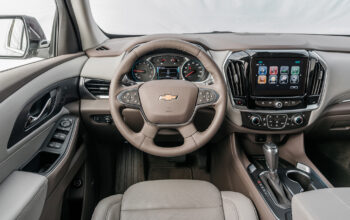
The evolution of SUVs has been markedly passenger-centric. Spacious cabins offer abundant legroom, cargo flexibility, and advanced infotainment systems. Features such as multi-zone climate control, premium audio, panoramic sunroofs, and an array of driver-assist technologies elevate the driving experience into the realm of luxury for even mid-tier models. Additionally, many SUVs integrate fold-flat rear seats and modular layouts to accommodate diverse cargo and passenger needs.
Trucks, though traditionally more spartan within the cab area, have undergone a renaissance with rear cabins that rival SUVs in sophistication. Crew cab models provide ample rear seat space, and manufacturers have outfitted interiors with upscale materials, technology, and comfort innovations. However, the open bed remains the quintessential feature distinguishing trucks, perfect for transporting bulky, dirty, or irregularly shaped cargo that would encroach upon passenger space in an SUV.

Versatility and Lifestyle Compatibility
When it comes to adaptable utility, both vehicles shine in unique ways. Trucks are champions of adaptability, excelling in professions or hobbies that demand the carriage of tools, equipment, or outdoor gear. Their rugged build makes them ideal for off-road escapades, construction environments, or agricultural work. Meanwhile, their aftermarket community offers endless customization—be it for enhanced off-roading, towing accessories, or luxury interiors.
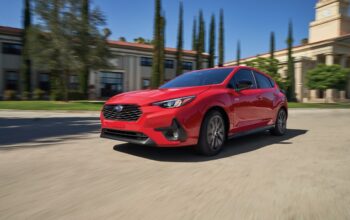
SUVs cater to active families and urban dwellers who crave a vehicle capable of school runs, weekend getaways, and spontaneous nature excursions. Their enclosed cargo areas afford better security and protection from the elements, alongside easier access to gear and luggage. The wide variety of sizes—from nimble crossovers to sprawling full-size variants—ensures that there’s an SUV to match nearly every lifestyle and budget.
Fuel Efficiency and Environmental Considerations
Fuel consumption can be a decisive factor. Generally speaking, SUVs, especially the newer hybrids and compact models, tend to offer superior fuel economy compared to full-sized trucks, which prioritize power over frugality. However, innovations in engine design and materials are narrowing this gap.
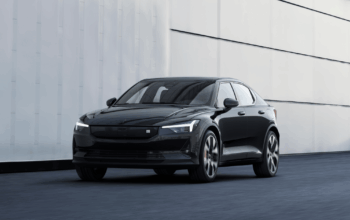
Electric and hybrid variants are increasingly infiltrating both segments, with manufacturers introducing models that challenge traditional notions of fuel dependency. Whether it’s an all-electric SUV with a luxurious interior or a hybrid truck capable of balancing work demands with environmental considerations, the future is swiftly shifting towards greener horizons.
Cost of Ownership and Maintenance
From purchase price to ongoing expenses, costs vary widely. Trucks often command higher upfront prices due to their capability and size, though their resale values can remain strong, particularly in niche markets. Fuel costs for trucks tend to be higher, and maintenance—especially for heavy-use models—may require more frequent attention due to the stresses of their workloads.
SUVs, while offering a range of prices based on size and luxury level, can be more affordable in entry trims and often deliver lower fuel and maintenance costs. Insurance premiums may also differ, with sportier trucks sometimes attracting higher rates. The diverse SUV market allows for more tailored budget options without sacrificing core functionality.
Safety Features and Driving Experience
Both trucks and SUVs now come equipped with a comprehensive suite of safety features, including lane departure warnings, adaptive cruise control, blind-spot monitoring, and automatic emergency braking. However, their driving dynamics differ remarkably.
Trucks offer a commanding view of the road and are engineered with durability in mind, but their larger size and less refined suspension can translate to a bumpier ride on paved streets. SUVs bridge that gap, prioritizing maneuverability, reduced body roll, and a more car-like feel without sacrificing elevated seating positions and visibility.
Final Thoughts: Making the Decision
Deciding between a truck and an SUV ultimately hinges on your priorities, lifestyle nuances, and personal preferences. If your day-to-day demands include heavy hauling, serious off-roading, or you simply relish the rugged authenticity of a truck, your choice is clear. Should you seek versatile passenger transport mixed with moderate utility, comfort, and style, an SUV is likely your best bet.
Each offers a rich tapestry of models tailored to varied tastes and needs. Embrace what aligns with your spirit—whether it’s the unyielding might of a truck or the adaptable sophistication of an SUV. Your road ahead awaits, and the perfect vehicle will ensure every mile is a joy.