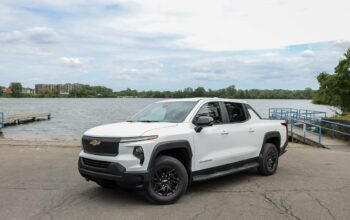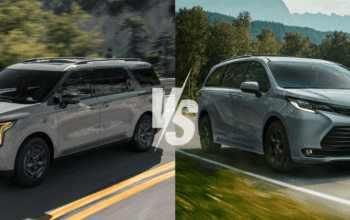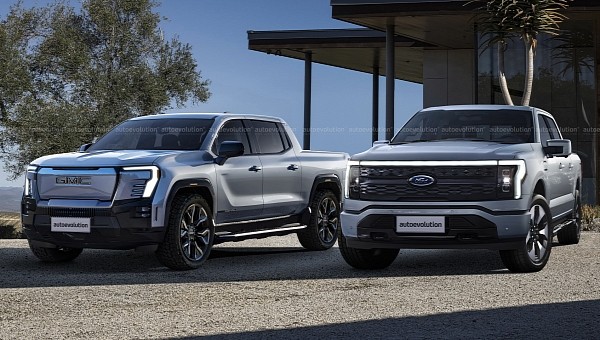
In the modern arena of electric pickups, the battle for supremacy intensifies as two titans clash head-on: the GMC Sierra EV and the Ford F-150 Lightning. These vehicles aren’t merely modes of transportation; they’re rolling embodiments of the future, promising to redefine power, endurance, and capability in the age of electrification. Yet, amid all the riveting innovation, one question often echoes louder than the rest: which truck tows more? This question isn’t just about raw numbers. It’s a decisive factor for those whose lives revolve around hauling equipment, trailers, or whatever heavy loads the day demands. Let’s embark on an electrifying journey through torque, technology, and towing tenacity.
The Towing Titans: An Overview of Silverado’s Staunch Rivalry
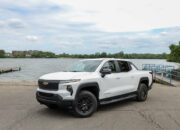
Imagine two mammoths standing side by side by the roaring edge of a canyon, both poised to move mountains if need be. The GMC Sierra EV and the Ford F-150 Lightning symbolize this very power struggle. Each presents a compelling narrative, a unique promise to buyers who crave strength without compromise. The Ford F-150 Lightning’s reputation precedes it — the ‘Lightning’ moniker conjures images of swift, striking force. Across the way, the GMC Sierra EV exudes a refined, almost aristocratic aura of muscle, grounded in decades of pedigree and rugged reliability.
Powerhouse Performance: The Heart of Towing Capacity
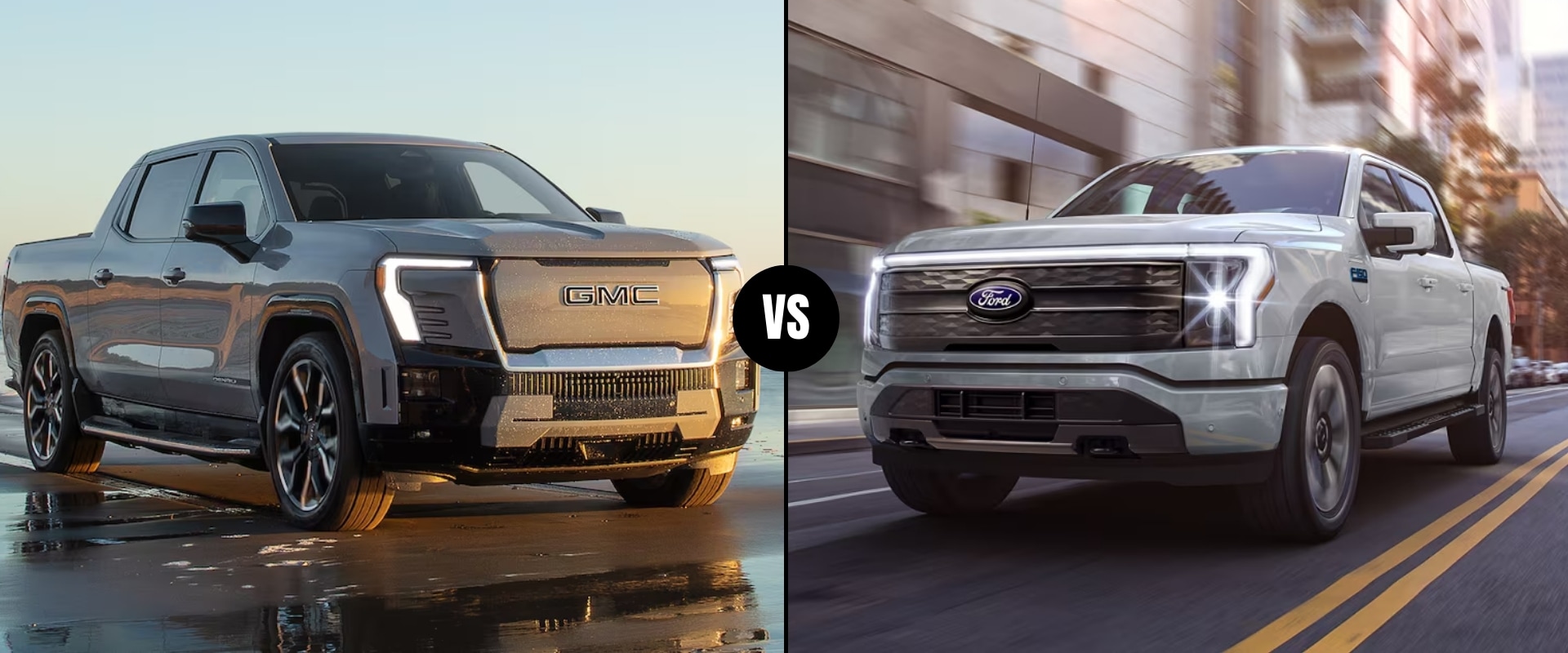
Towing capacity is not merely a statistic—it’s the heartbeat of a truck’s utility. The Ford F-150 Lightning, in its most robust configuration, unleashes a formidable 10,000 pounds of towing prowess. This impressive figure cements its role as a serious contender in the electric truck market and beyond. The secret lies not only in its electric powertrain’s immediate torque delivery but also in the optimized thermal management system that ensures sustained power over long hauls.
The GMC Sierra EV, however, challenges the status quo with an equally compelling heavyweight stance. Expected to rival or even eclipse its competitor’s numbers, the Sierra EV pushes the envelope with reported towing capacities approaching the 11,000-pound mark. This is partially credited to GMC’s innovative Ultium battery architecture, which provides a potent combination of energy density and weight efficiency, allowing the truck to shoulder heavier burdens without sacrificing range or performance.
Torque Tango: The Dance of Instant Power
When it comes to towing, torque is king. The very essence of hauling heavy loads starts with that first surge of muscle from zero to motion. Both trucks leverage electric motors that cater to this demand with exhilarating immediacy. The F-150 Lightning’s dual electric motors deliver a jaw-dropping 775 lb-ft of torque, turning what once was a laborious task into a symphony of controlled might.
Meanwhile, the GMC Sierra EV counters with slightly varied yet equally breathtaking torque figures, estimated in the realm of 780 lb-ft. The slight edge here underscores GMC’s commitment to elevate the towing experience beyond mere numbers. It’s about confidence—the feeling that the truck can swallow steep inclines, unpaved roads, or ultra-heavy trailers without so much as a hiccup in its electric cadence.
Unshackled Range and Battery Bravado
Towing stretches a vehicle’s limits—especially on the range front. Here, the Sierra EV leverages Ultium batteries renowned for their scalability and energy density. The projected range hovers around 400 miles, a figure that remains robust even under the strains of heavy towing. This extended range allows owners to embark on epic journeys without the nagging anxiety of finding a charging station around every bend.
The Ford F-150 Lightning isn’t far behind. Equipped with its extended-range battery pack, the Lightning can achieve close to 320 miles in ideal conditions. However, towing heavy loads inevitably dampens this number. Yet, Ford’s network of rapid chargers and the innovative Intelligent Range technology make it a kinetic champion in keeping drivers moving efficiently through varied terrain.
Trailering Technology: More Than Just Muscle
Towing is an art, and technology serves as the artisan’s toolset. Both the Sierra EV and the F-150 Lightning are laden with an arsenal of trailering technologies designed to streamline and empower. The Ford F-150 Lightning shines with its Pro Trailer Backup Assist, simplifying maneuvers by taking the steering wheel’s complexities off the driver’s shoulders. Coupled with a comprehensive suite of cameras, sensors, and towing-specific alerts, Ford’s system epitomizes practical innovation.
GMC counters with its MultiPro Tailgate and Trailering App, turning the Sierra EV into a smart shipping captain. The app monitors trailer tire pressure, lighting, and employs real-time diagnostics to preemptively nip issues in the bud. The integration of hands-free tailgate operations and configurable load-bed features further amplify the towing experience, blending digital intelligence with utilitarian design.
Driving Dynamics and Chassis Craftsmanship
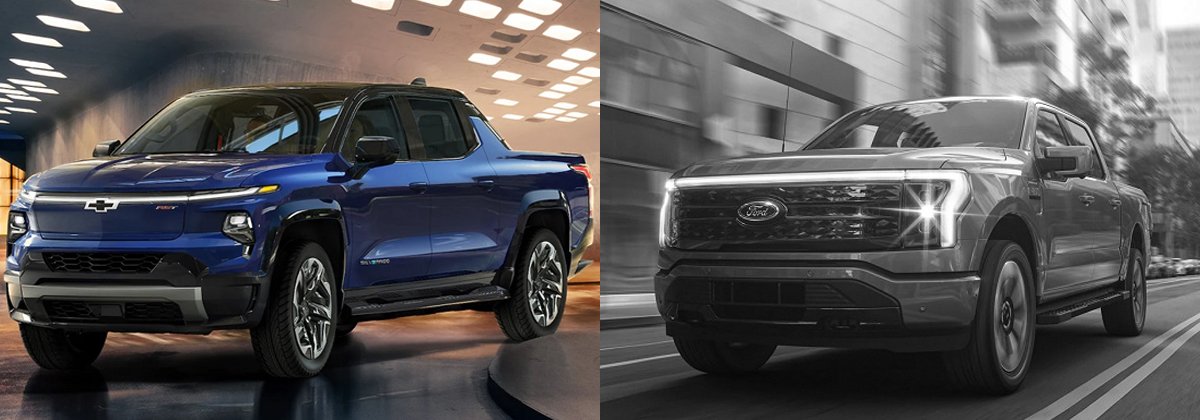
Towing prowess isn’t just about dragging weight—it’s about control, composure, and confidence behind the wheel. The F-150 Lightning employs an independent rear suspension, a rarity in the truck world, which dramatically enhances ride quality and handling—key factors when towing massive loads over uneven roads.
Conversely, the Sierra EV rides on a rugged but refined frame optimized for both urban streets and rugged backcountry. Its adaptive air suspension offers adjustable ride height, helping to balance aerodynamics and clearance depending on the towing scenario. The effect? A smoother, steadier tow that mitigates sway and ensures precision in every mile.
The Verdict: Which Tow Truck Takes the Crown?
The duel between the GMC Sierra EV and the Ford F-150 Lightning is not a battle easily won or lost on a single front. The Ford F-150 Lightning offers unquestioned towing strength with a solid 10,000-pound capacity complementing an ecosystem rich in technology and user-friendly features. Meanwhile, the GMC Sierra EV is a dark horse with nimble innovations, potentially superior towing limits, and a chassis crafted for confidence and control.
For those who view towing as a lifestyle rather than a task, the subtle nuances—like battery range under load, advanced trailering assist systems, and chassis adaptability—may tip the scales. Yet, both trucks stand as monumental achievements in the electric vehicle realm, pushing the boundaries of what a pickup can be in an electrified tomorrow.
In the end, choosing which tow truck reigns victorious depends on personal priorities: raw capacity, cutting-edge technology, or refined driving dynamics. One thing remains clear—electric towing has arrived, and it’s more powerful than ever.