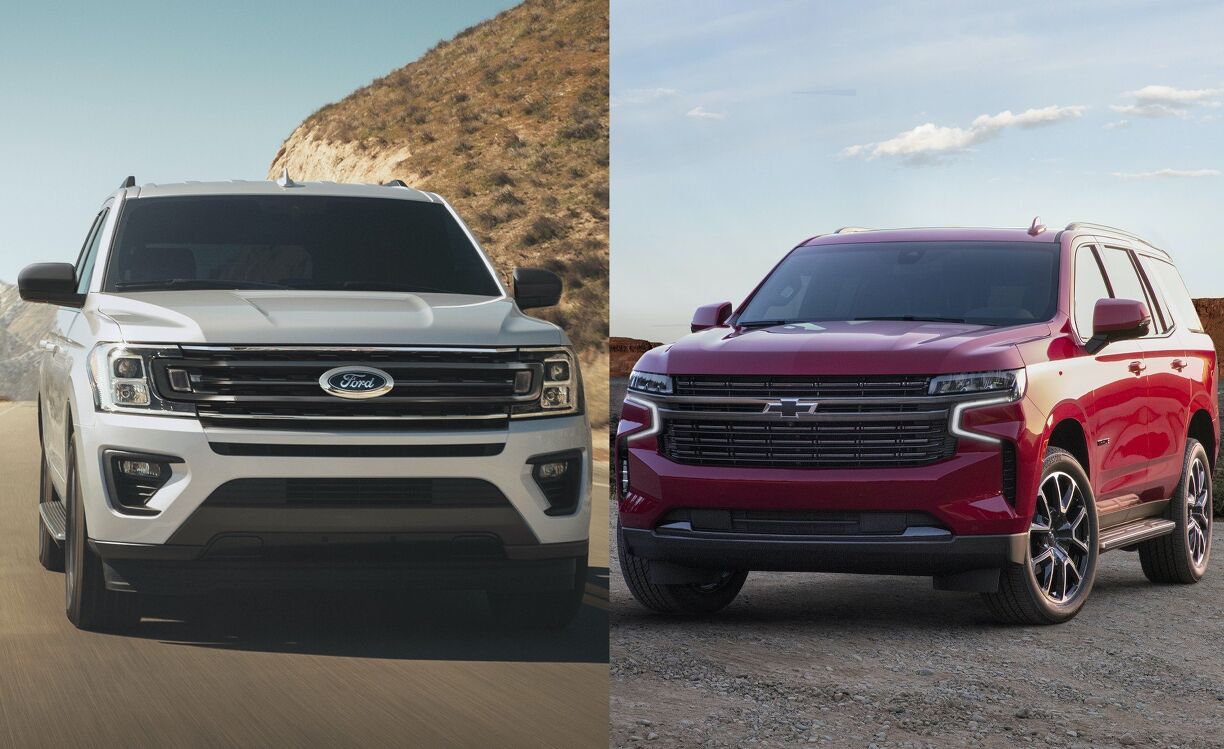
Two full-size SUVs can feel like mirrors until you look closely enough to see the grain. At first glance, the Ford Expedition and the Chevrolet Tahoe seem built for the same journeys—family road trips, weekend errands that somehow become errands for everyone, and those moments when comfort is not a luxury but a prerequisite. Yet beneath the familiar silhouette, each vehicle carries a different philosophy. The Expedition leans toward expansive capability and command presence. The Tahoe often radiates a more fluid, intuitive familiarity. This showdown isn’t merely about specs. It’s about the subtle promises each SUV makes to the driver behind the wheel—and the questions they quietly invite you to ask before you ever start the engine.
Consider the perspective shift that happens when you stop comparing features and start comparing intent. What do you want the ride to feel like? How do you expect space to behave in real life? Which brand seems to understand your kind of momentum? Let’s move through the contrasts—one detail at a time—until the choice becomes less like a decision and more like a revelation.
First Impressions: The Shape of Confidence
Full-size SUVs often share the same general theater: bold grilles, confident stance, and a cabin designed to keep everyone calm even when the day outside is chaotic. Still, the Expedition and Tahoe approach that theater differently. The Expedition’s profile tends to feel like it’s meant to lead—an assertive presence that makes highways look smaller. The Tahoe, in contrast, can feel like it’s tuned for comfort on demand, as if the vehicle itself is ready to smooth out the day’s rough edges.
These initial vibes matter. A driver doesn’t just sit in a seat; they inhabit a mood. One SUV can make you feel like you’re piloting an operation. The other can make you feel like you’re simply settling into an expertly arranged lounge. You might not notice this immediately. Then one turn happens, one lane merge happens, and suddenly the “feel” becomes a measurable advantage.
Cabin Atmosphere: Where Space Becomes a Story
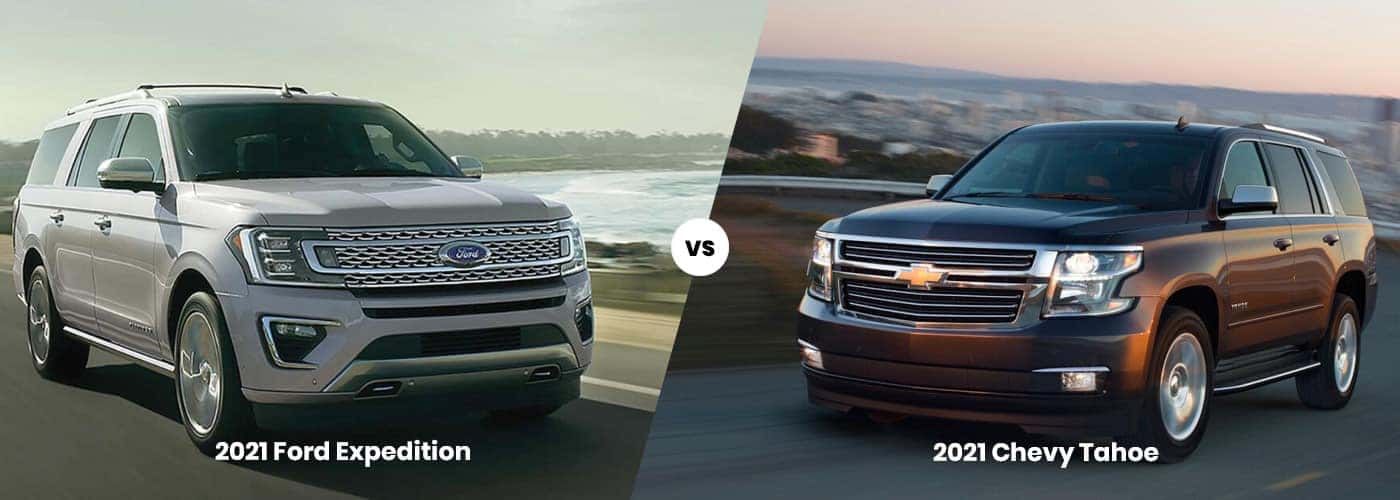
Space in a full-size SUV isn’t just square footage. It’s how movement behaves when the seats are occupied. It’s whether passengers feel partitioned or pleasantly connected. And it’s how cargo transforms from a problem into an afterthought.
The Expedition is often viewed as a rolling room—an environment engineered for flexibility, especially when the seating configuration shifts between school schedules, gear-heavy weekends, and spontaneous detours. The Tahoe is similarly capable, but it frequently aims for “useful ease,” delivering room with a sense of everyday practicality. In other words: both can carry a crowd. The difference lies in whether the crowd feels like a planned entourage or an effortlessly managed group.
Pay attention to the second and third rows as if you’re already traveling. Do you want the ability to reorganize quickly? Do you want passengers to be able to settle without feeling squeezed by the geometry? These are not trivial questions. They’re the kind that turn a good trip into a great memory.
Ride Quality and Handling: The Difference Between Power and Control
It’s tempting to treat suspension and steering as background details. But for full-size vehicles, the ride is the main event. An SUV can be powerful and still feel distracted. Another can feel composed and let you forget the size altogether.
The Expedition’s driving character often emphasizes confident control across varied road conditions. It tends to invite a “steady forward motion” mindset—particularly valuable when roads turn unpredictable or when the trip stretches longer than expected. The Tahoe, on the other hand, can offer a smoother sense of everyday maneuverability, especially around town where tight turns and stop-and-go rhythm demand quick composure.
Some drivers want the car to feel like a firm handshake. Others want it to feel like a well-tailored jacket. Both SUVs can satisfy. The question is which sensation aligns with your definition of calm.
Powertrains and Performance: Muscle with a Personality
Performance is rarely just acceleration. In full-size SUVs, powertrain personality becomes the story you feel during overtakes, hill climbs, and those moments when the family decides to take the scenic route.
The Expedition tends to be approached with an emphasis on command—power that feels ready and responsive, with a sense that the vehicle understands heavier scenarios. The Tahoe often appeals to drivers seeking seamless everyday power—performance that feels natural, with an emphasis on smoothness rather than drama.
Here’s the perspective shift: instead of asking, “Which one is faster?” ask, “Which one makes merging feel effortless?” That subtle distinction reflects how the engine, transmission logic, and vehicle mass interact in your daily life.
Technology and Driver Assistance: Listening Before You Ask
Modern full-size SUVs are increasingly about anticipation. They don’t just respond to your commands; they attempt to reduce stress by managing the invisible parts of driving—blind spots, lane departure cues, parking friction, and distance awareness.
Both the Expedition and Tahoe typically offer a modern infotainment experience alongside driver assistance features designed to increase confidence. Yet the experience can feel different depending on screen layout, interface responsiveness, and how intuitive the controls are when you’re multitasking—navigation while hunting for a playlist, or camera views during tight parking.
Imagine arriving at a busy lot after a long day. You want the vehicle to help before your brain fully catches up. The right tech isn’t flashy; it’s frictionless. It turns “Where do we go now?” into “We’re already there.”
Towing and Capability: Built for the Things Life Adds
Capability isn’t only about towing numbers. It’s about confidence under load—how the SUV feels when it’s doing real work, not just cruising empty lanes.
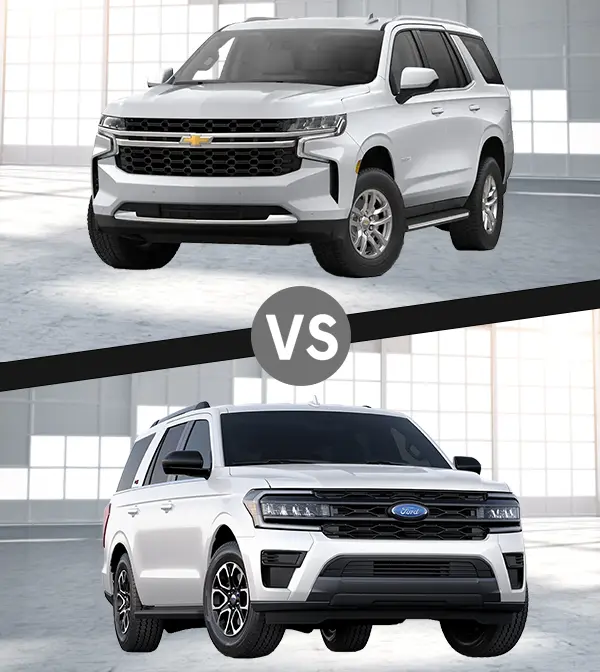
The Expedition is frequently chosen by drivers who want a vehicle that feels ready for gear-heavy responsibilities. Its reputation aligns with a “take it all along” mindset, from trailers to equipment that doesn’t fit neatly into the trunk metaphor.
The Tahoe, meanwhile, often earns trust from drivers who need a capable platform but value balance and usability. It’s the kind of choice that fits people who tow occasionally yet want the SUV to remain comfortable and composed in every other moment.
Ask a different question again: not “How much can it tow?” but “How does it behave while towing—does it feel like teamwork or like negotiation?” That answer is where confidence lives.
Fuel Economy and Efficiency: The Reality Behind the Numbers
Fuel economy in full-size SUVs rarely delivers small-car arithmetic. Still, efficiency is not irrelevant. It affects trip planning, budgeting, and how often you stop when the day runs long.
The Expedition and Tahoe both aim to balance performance with real-world consumption. Their specific outcomes depend on engine choice, drivetrain configuration, driving style, and terrain. What matters most is how each vehicle feels during typical use. Smooth throttle response, sensible transmission behavior, and aerodynamic stability all influence the actual experience of “how far until the next stop.”
This is where curiosity should sharpen: don’t just look at published figures. Consider whether the SUV’s power delivery encourages efficient driving habits or tempts you into enjoying the throttle too much.
Comfort, Noise, and Daily Usability: The Kind of Luxury That’s Hard to Quantify
Luxury in a full-size SUV is often mistaken for leather and chrome. But the truest comfort is acoustic. It’s the reduction of fatigue. It’s whether the cabin feels insulated from turbulence and traffic noise.
The Expedition tends to emphasize a calmer, spacious feel that supports long-distance travel. The Tahoe often delivers a warm, familiar ride quality—comfortable seats, intuitive cabin layout, and a cockpit that feels designed for daily rhythm rather than occasional spectacle.
Look at the details that accumulate: visibility through the windshield, seat ergonomics after an hour, and how intuitive it is to access storage without turning the whole vehicle into a puzzle box.
Which One Fits Your Life? A Choice Beyond the Badge
By now, the difference should feel less like a checklist and more like a narrative. The Expedition can appeal to those who want command presence, flexible space planning, and a sense of purposeful capability. The Tahoe can appeal to those who value ease, familiar comfort, and a smooth, confidence-inspiring daily demeanor.
The real decision comes down to your personal rhythm. Are you the driver who plans the route and expects the vehicle to handle the unexpected? Or are you the driver who wants the SUV to feel effortlessly accommodating, even when the day changes halfway through?
Take the perspective shift one step further: think about the most memorable trip you’ve ever taken. Was it remembered for the destination—or for how relaxed everyone felt along the way? Both SUVs can get you there. The one that makes the journey feel easier is the one that will feel right every time you start it again.
Final Thoughts: The Showdown Isn’t Over—It’s Waiting for a Test Drive
Choosing between the Ford Expedition and Chevrolet Tahoe is not simply selecting a vehicle. It’s choosing a temperament. One SUV offers a sense of leadership and adaptable space that can reshape how you plan family life. The other offers a comfort-forward experience that makes full-size driving feel almost natural.
What’s next is the most honest part: sit behind the wheel. Feel how the cabin responds to your posture. Notice how the steering and suspension translate road reality into something manageable. Then decide which promises you trust—because the best comparison is the one conducted with your own senses.
When you’re ready, the road will answer. And the right SUV won’t just win a debate—it will quietly fit into your life like it was designed for you all along.