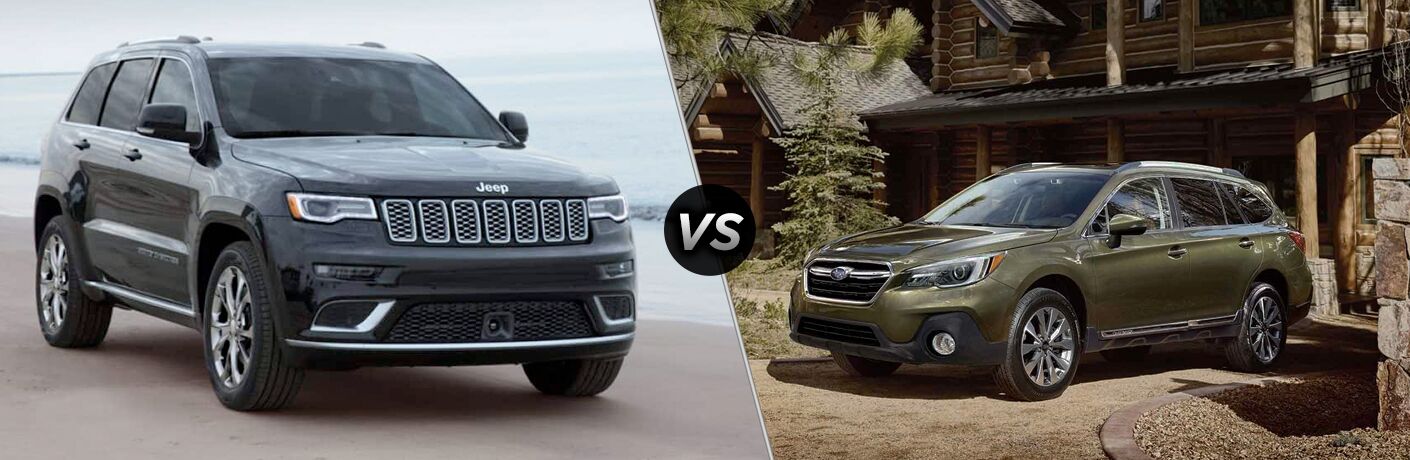
Two nameplates, one driveway. The Subaru Outback and the Jeep Grand Cherokee both court drivers who want all-weather confidence and real-road capability, yet they approach the idea of “AWD” from strikingly different philosophical angles. The Outback is built around a calm kind of competence—efficient, practical, and always ready for detours. The Grand Cherokee, by contrast, carries a more theatrical demeanor—bolder styling, a heavier sense of presence, and an engineering mindset that gravitates toward versatility and towing-friendly muscle. If you’re standing at the crossroads of these two titans, the question isn’t simply which is “better.” It’s which one fits your terrain, your habits, and your idea of adventure.
In this AWD battle, readers can expect a layered breakdown: how each system behaves in wet pavement and loose gravel, how traction control philosophies differ, what real-world comfort feels like over long weekends, and why cargo geometry matters more than many reviews admit. The goal is straightforward: help you identify the vehicle that will feel composed when the weather turns and when the road abruptly stops being polite.
AWD Systems: How Power Gets to the Ground
All-wheel drive sounds identical in commercials, but the underlying implementation can be remarkably nonidentical. In the Outback’s universe, AWD is typically characterized by a proactive distribution strategy designed to keep the vehicle stable before slippage becomes a problem. The system’s behavior aims for seamless engagement—less “kick” and more an ongoing conversation between wheels and traction electronics. Short, quick inputs to the steering wheel feel interpreted rather than fought.
The Grand Cherokee’s AWD approach often feels more performance-adjacent. Depending on trim and configuration, the system is engineered to manage torque delivery with an eye toward responsiveness—especially when road conditions shift mid-corner or when surfaces are a patchwork of asphalt, mud, and fine debris. The result can be a more pronounced sense of intent: the vehicle seems to anticipate your demand and then execute it with authority.
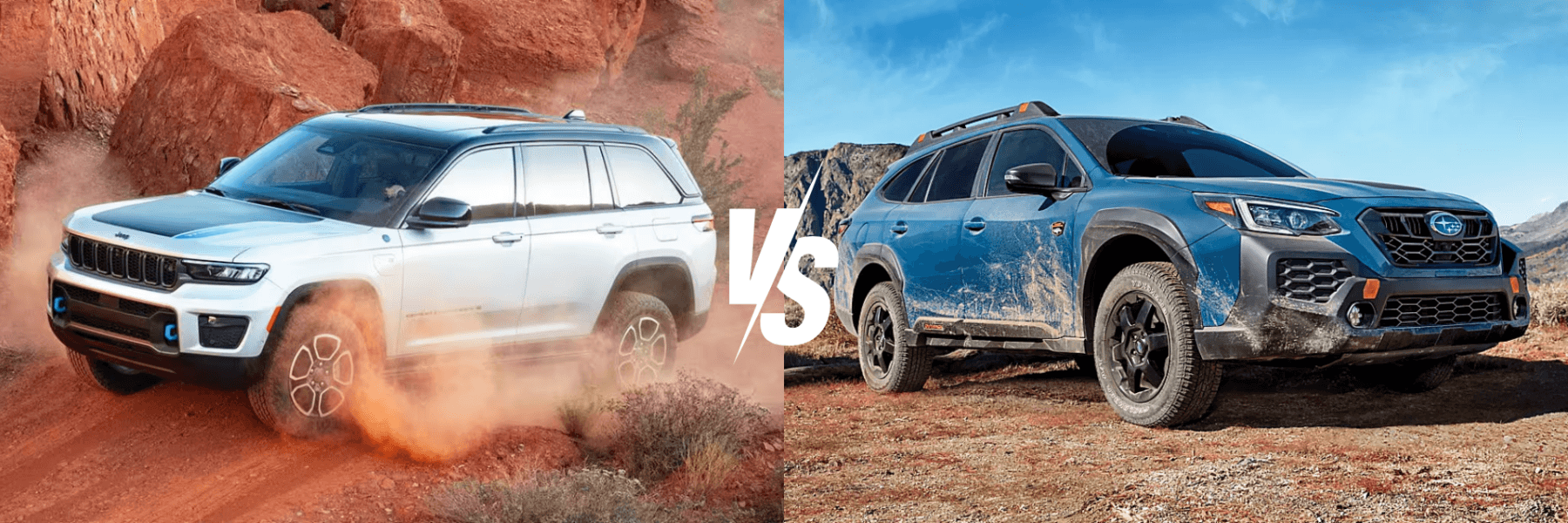
Neither philosophy is inherently superior. The more subtle question is which one matches your expectations. If you want a steady, composed driver’s experience in changing weather, the Outback’s style often lands well. If you prioritize a more dynamic feel and a more assertive driving personality, the Grand Cherokee tends to resonate.
Traction in Real Conditions: Rain, Snow, and Loose Gravel
AWD is most valuable when conditions deteriorate, not when everything is pristine. In rain, the Outback’s traction strategy generally seeks to maintain predictability. It tends to reduce the drama of wet starts, keeping forward motion smooth while traction control handles the micro-events at each wheel. That smoothness matters when visibility is compromised and roads reflect the sky like a polished mirror.
In snowy conditions, the story becomes even more interesting. The Outback is commonly appreciated for its ability to stay composed while cresting packed snow and navigating slushy intersections. Drivers often describe the vehicle’s attitude as “grounded”—like it is glued to the situation, not merely reacting to it. The Grand Cherokee can also handle winter predictably, but its tuning often emphasizes momentum management, which can feel particularly gratifying when you need to move confidently from a standstill.
On loose gravel and dirt roads, both vehicles rely on traction electronics and torque distribution, yet their personalities emerge. The Outback often feels like it encourages careful line selection—smooth steering, patient throttle, and a steady approach. The Grand Cherokee may feel more willing to press forward, with a suspension and torque delivery approach that can feel more accommodating under spirited use.
Ground Clearance and Off-Road Posture
AWD isn’t only about wheels spinning; it’s also about clearance, approach confidence, and the ability to survive imperfect angles. The Outback typically emphasizes an adventure-ready stance with practical ground clearance that suits trailheads, rocky parking lots, and flooded-ish detours. This posture encourages off-pavement exploration without requiring a conversion course in off-road driving.
The Grand Cherokee’s off-road posture is often framed by a bolder stance and a more rugged aesthetic that suggests capability even before you measure anything. For readers who frequently encounter uneven terrain—ruts, uneven driveways, and muddy camp roads—the Grand Cherokee’s overall geometry and optional off-road packages can be compelling.
Still, the best choice is not the one with the biggest brochure number. It’s the one that matches your actual routes. If your “off-road” is mostly graded gravel and occasional snowbanks, the Outback’s practical design can feel like the perfect tool. If your weekends involve deeper trails and heavier towing tasks, the Grand Cherokee can deliver a more confident sense of readiness.
Driving Dynamics: Steering Feel, Ride Quality, and Stability
Beyond traction, AWD battles are fought through the senses. The Outback often aims for a controlled, lightly insulated ride—an experience that stays comfortable even when the road surface becomes choppy or uneven. Short and long sentences both apply here: it’s easy to drive, and it stays easy to live with. The cabin tends to feel like a place to think, not just a space to endure.
The Grand Cherokee, conversely, frequently offers a driving atmosphere that feels more substantial. It can feel less like a “daily commute commuter” and more like a confident traveler. Over long distances, stability and composure matter. The Grand Cherokee’s handling can feel planted, with a steering response that communicates road texture more directly. Some drivers interpret that as engagement; others prefer the Outback’s calmer diffusion of road harshness.
Either way, remember that AWD doesn’t erase physics. Tires, tire pressure, driving technique, and weather awareness still steer the outcome. What AWD does provide is a better margin for error—particularly when you’re navigating unfamiliar roads at dusk.
Powertrains and the “Torque Personality” Question
How an engine delivers torque can influence AWD behavior more than people realize. The Outback often emphasizes efficiency and smooth power for everyday scenarios, where predictable acceleration matters more than peak performance. Its character tends to be measured—like it’s ready for the long haul rather than the short burst.
The Grand Cherokee’s powertrains, depending on configuration, can be more oriented toward pulling strength and assertive acceleration. That can translate into a different feel when traction is limited: the vehicle may hold momentum more confidently in challenging conditions. For readers who routinely tow, haul gear, or combine errands with weekend escapes, that characteristic can become a deciding factor.
Cargo, Space, and the Logistics of Adventure
Traction gets you there, but cargo determines how you return. The Outback is frequently praised for its practical interior layout, where everyday items and outdoor gear can coexist without excessive rearranging. People who pack coolers, sports equipment, or weekend tools often appreciate how the space workflow feels intuitive.
The Grand Cherokee tends to appeal to drivers who want a more SUV-traditional cargo presence with ample room for families and gear. If your trips involve multiple passengers, stroller scenarios, or larger loads, the Grand Cherokee’s cabin volume and versatility can feel more tailored to that lifestyle.
In both cases, readers should look beyond total volume. Consider how wide the opening is, how high the lift gate sits, and whether the cargo area supports real-life packing habits. A vehicle that’s theoretically spacious can still be awkward when loading bulky items.
Safety Tech and Confidence Under Stress
AWD can keep you moving, but driver-assist technologies can help you stay aware. The Outback often leans into safety systems that support everyday vigilance—helping with lane awareness, collision mitigation strategies, and smoother integration of driver monitoring. In foggy, rain-heavy, or snow-dusted settings, those aids can reduce cognitive load.
The Grand Cherokee typically offers a robust suite of driver-assistance features designed to enhance situational awareness. For readers who log highway miles and nighttime travel, that can translate into a calmer experience—less fatigue, fewer “what just happened” moments, and more time focused on the road’s evolving geometry.
Who Should Choose the Subaru Outback?
Choose the Outback if your adventure style is frequent but not extreme. It’s an ideal companion for unpredictable weather, weekend road trips, and “just in case” preparedness. Its AWD character often fits drivers who value smoothness, practicality, and a composed cabin environment. If your priorities include comfort, everyday usability, and a traction system that feels consistently reassuring, the Outback’s mindset is likely to align with your life.
Who Should Choose the Jeep Grand Cherokee?
Choose the Grand Cherokee if your ambitions include more towing capability, more assertive driving presence, and a vehicle that feels ready for heavier duty scenarios. It’s a strong pick for readers who want AWD confidence paired with bold capability cues—especially when your routes are a blend of highway, back roads, and occasional rough terrain. If you prefer a more dynamic driving tone and a more rugged overall stance, the Grand Cherokee can be the better match.
Final Verdict: The Best AWD Match for Your Road
The Outback and Grand Cherokee both earn their place in the AWD conversation, but they win in different ways. The Outback often wins the argument of everyday resilience—steady traction, sensible utility, and comfort that encourages longer drives. The Grand Cherokee often wins the argument of assertive versatility—strong capability cues, a more commanding presence, and an AWD experience tuned for confident momentum.
Ultimately, the decisive factor is not which system is “stronger,” but which one feels more natural when the world outside grows unpredictable. Pick the vehicle that matches your routes, your passengers, and your preferred driving mood. When the next storm arrives or the road becomes a loose ribbon of gravel, you’ll feel it immediately: one AWD battle becomes a perfect fit.